


Good lighting is essential for any interior space. After all, who wants to dwell in a dull space?

Yet, it seems to be a struggle to achieve a look that simultaneously satisfies the style requirement along with the necessary functionality in a single step. Many of us can simply chance the results, based on solving the most immediate problem; inadvertently, this can cause another in our haste to simply get a light fitting installed.
All too often, we sacrifice either form or function without giving due consideration to the overall effect we want from the room. As buying a new light is not an everyday occurrence in most households, shoppers are often in the dark about what to look out for. It can leave you feeling confused.
The light fixture should fit nicely in the space, be stylish and provide enough light.
LightingCompany.co.uk have produced this little handy guide to help those who may not have considered lighting before but now want to ensure their next purchase is the best it can be.
Lynne Hickin director of LightingCompany.co.uk says:
“There is always a way to enhance a lighting scheme retrospectively but if we can encourage shoppers to consider the form and function as having equal importance at the outset, it saves them having to problem solve later. We know this form and function approach brings a usability that delights for many years.”
In this short guide to buying lights, we answer the un-asked questions.
Which lights are best for a room?
The best lights for any room are the ones that perform the function you need them to, whilst looking great in the setting.
What good lighting should have.
- Has the right brightness for the space they are lighting.
- Fit the space not being too small or encroaching too much into the occupant’s
space. - Suit the interior style and decor of the space.
- Have the correct functionality.
- And of course, correctly installed.
It’s all in the detail.
Don’t miss the planning stage when you are buying new lighting, or you’ll be dissatisfied with the results. Let’s spotlight a few of the important points to help you light your room with the flourish and the confidence of a lighting designer.
What is the mood you want for the room?
Relaxed or clinically fresh?
The style of fixtures and light bulbs can dramatically alter the feel of a room. If you want a relaxed feel, opt for lots of lamps that diffuse light. This will create a mellow mood perfect for evenings a place to unwind and socialise or simply watch the TV.
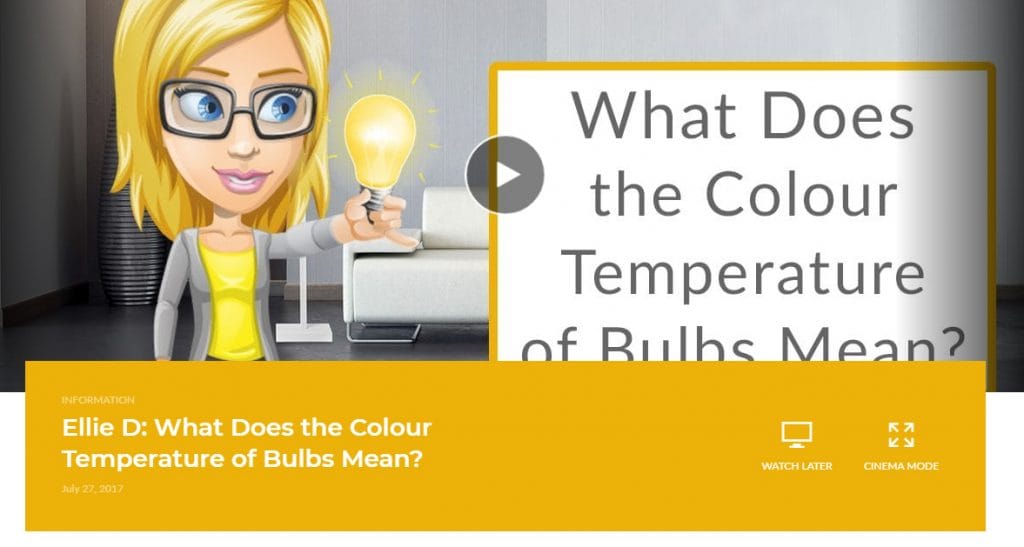
If the space is a kitchen, you may wish to have clean, bright and fresh lighting. If you are unsure, there’s a plentiful array of blogs around the subject of colour of light. The simplest, is the easy to understand video from Ellie D our resident lighting expert. Don’t let the cartoon fool you; this little lady knows her stuff!

Shining a light on layered lighting.
Let’s say relaxed lighting is where the light is less harsh, we’ll call this ‘Mood Lighting’. Where you need bright light directed straight at things, we’ll call this ‘Task Lighting’
Spaces where you want a decent all-round general light level we’ll call this ‘Ambient’ Lighting.
Most times you’ll need a mix of Mood, Task and Ambient lighting. We call this layering. Layered lighting is deemed to be the basic elements needed in all spaces.
How much light should you have in a living room? Or Kitchen?
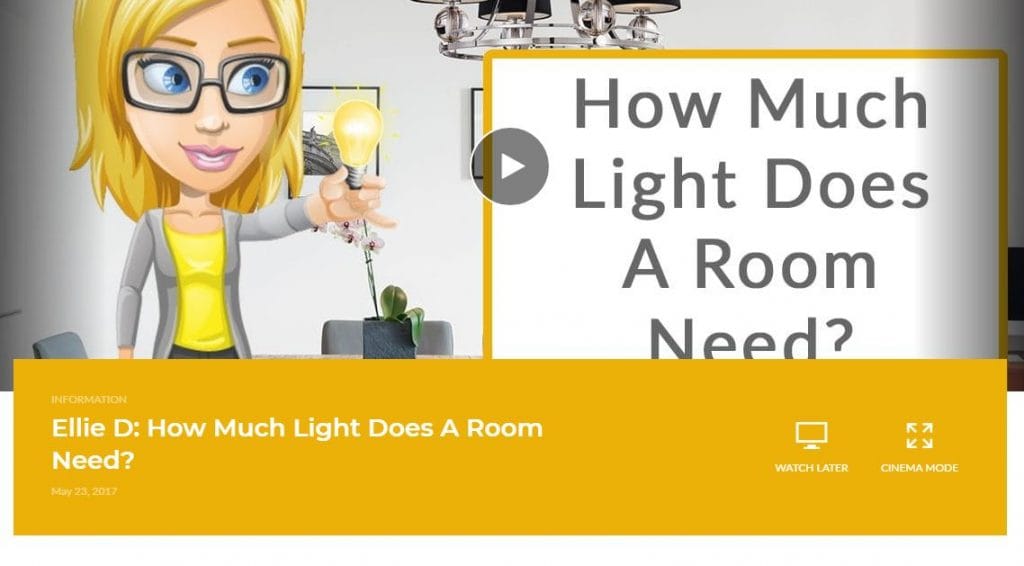
This is one of our most frequently asked questions. We’ve written a comprehensive full answer to which some of you may find useful however a simple rule of thumb answer 250 lumens per meter squared. For the purpose of this article we are looking at the subject in more detail for those that would like to create a more accomplished lighting scheme.

Ok, did you know there are 3 layers of light? Again, we have another article (click the button below to read this) which provides full and comprehensive information on this
If you don’t have time to read on today, in a nutshell, you need to think about the below:
- Ambient
- Mood
- Task
Now, you need to take this to the next level, which means understand what to do with them.
We’d suggest starting with Ambient Light, sometimes called general lighting as the basic level of light. Normally a ceiling light fixture this can be switch on as the only source of light. Enhance further by adding lamps and wall lights switch these separately to the main central light these bring the mood lighting.
Lastly think about the activities that will take place, if it’s a dining space, kitchen island, breakfast bar you’ll no doubt need a light above the surface. Pointing light onto the tabletop puts illumination where you need it. If you read in bed, a lamp or bendy arm light next to the bedhead is a task lamp. Whilst a table lamp with a shade can be a task lamp, we’d deem it mood lighting. Mood lighting brings that relaxed comfortable mellow vibe.
We then have direct and indirect lighting.
Direct light can be used for task lighting such as a spotlight or a pendant light above a table.
Direct light can also be great to highlight interesting objects or surfaces in the room.
Indirect light is often reflected off another surface to soften light and create effects. Lighting effects is something we’ll talk about later.
A good-looking light fixture or lamp enhances an interior and, in many cases, becomes a focal point in itself. If your home is modern, you may prefer to have contemporary styles of light fittings. Whilst period homes can still have a modern style, often a fixture that sits well with the era of the room is chosen. These choices are all personal to suit your sense of style, however, there is more to style than traditional or modern lighting. When we discuss the style of light, we are nearly always referring to the category such as Chandelier, Pendant, Flush Fitting and so on.
Style of light fixtures.
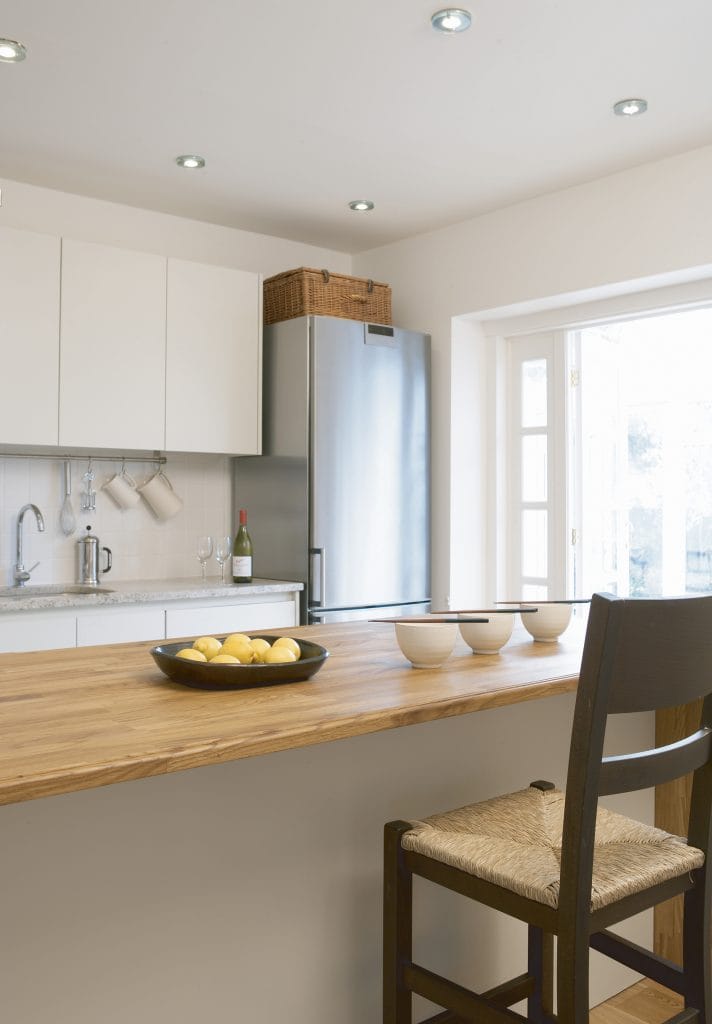
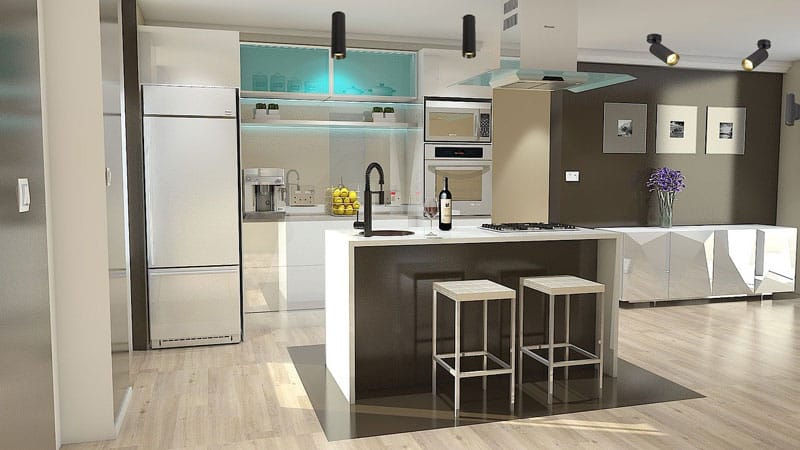
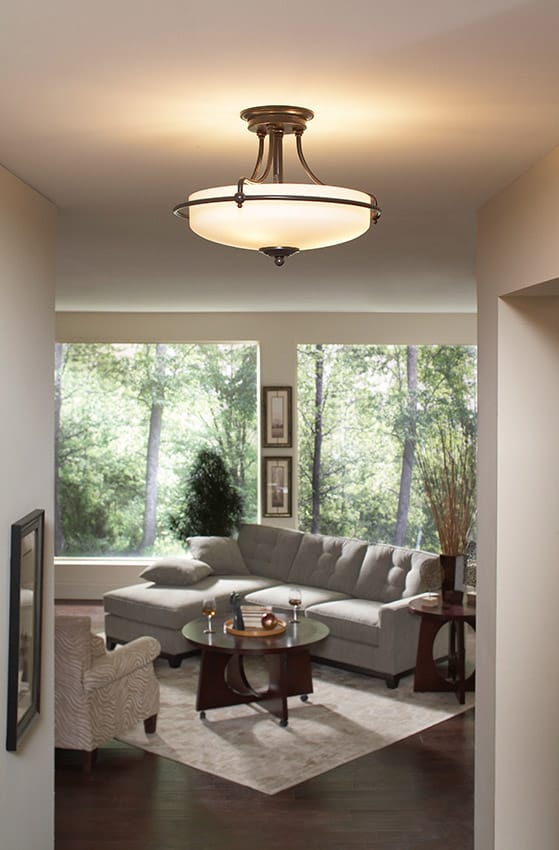
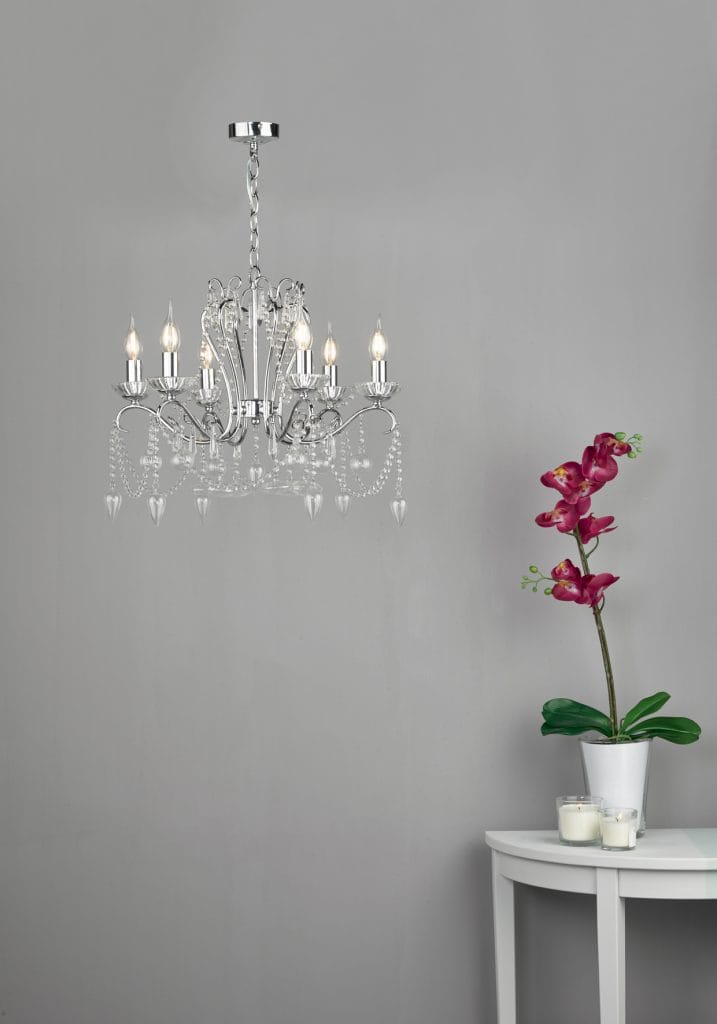
There are many various styles of lights from the basic to the wildly ornate each being suited to certain ceiling heights. Below is a pictorial guide to ceiling light fittings.
Recessed Lights




Chandelier or Candle Style light fitments

Multiple Bulb Lights

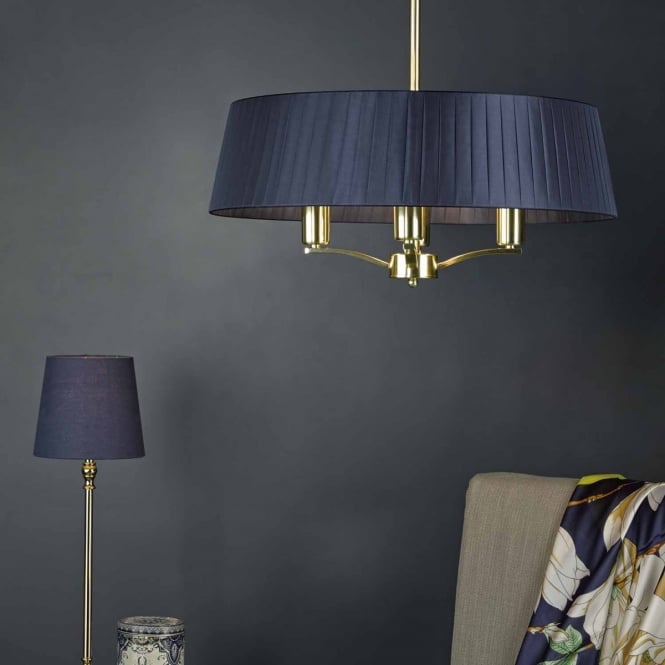

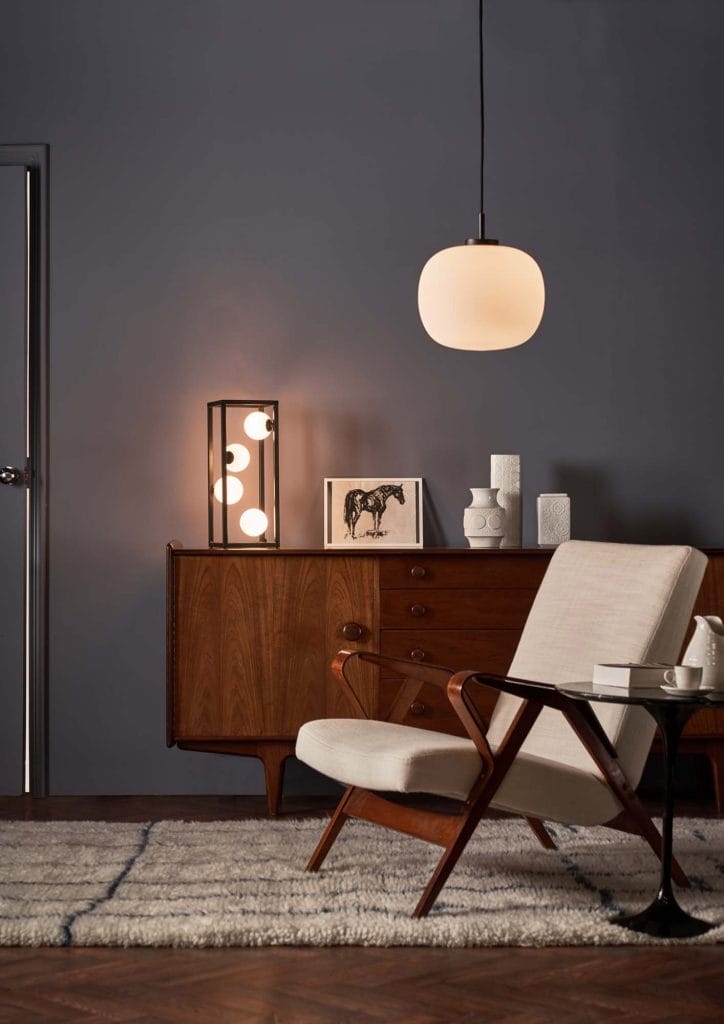

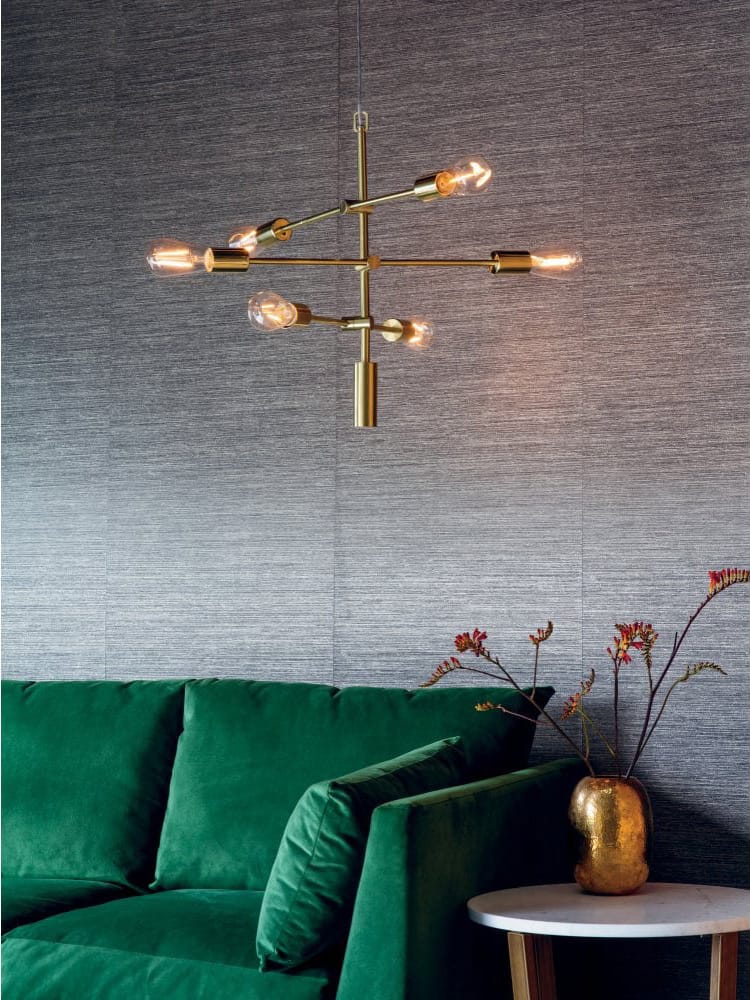
Often there a myth that ceilings can be average height, there really is no such thing. Older homes sometimes have higher ceilings than modern new build homes, but not always! Cottages can be much lower, sometimes with barely enough head room for light fitting – even slim ones. Recessing lights is sometimes not suitable in very old homes as ceiling constructions may be less robust than newer ceilings.
Is it better for ceiling lights to point up or down?
Often older ceilings are simply not the pristine, white smooth ceilings of new homes. Although, this all adds to the character and charm, we’d suggest that you opt for a downward pointing light if you don’t want to highlight the cracks and wobbles. Upwards facing lights work very well on ceilings in relatively good condition.
How to position the fixture to best effect.
Ever pondered what height your wall light or pendant should be placed or how long a picture light should be? If so, you’ll be interested in some of our useful guides. Browse the blog or click on a specific topic below to jump straight into your chosen guide. The Lighting Company are committed to helping shoppers find the perfect light fittings. If you have a question that we haven’t answered, please do let us know and we’ll do our best to publish articles for all topics relating to lighting.