
A high vaulted ceiling brings the ultimate feeling of space yet also brings an array of challenges. In tackling the challenges of a huge loft space, you’ll need to consider its lighting design slightly differently than a standard ceiling height.

On the up-side, careful planning and due consideration of the unique needs of the cavernous space you’re aiming to light can help overcome these challenges. Along with the basic requirements of layering lights, and using controls and dimmers there are some additional considerations that when deployed correctly will brighten and elevate the space beautifully.
In this article we’ll explore the challenges and provide the solutions to lighting taller spaces to optimal effect.
Key Factors for lighting high atrium ceilings, vaulted ceilings and slopping ceilings.
Vaulted and High Ceiling Lighting Solutions
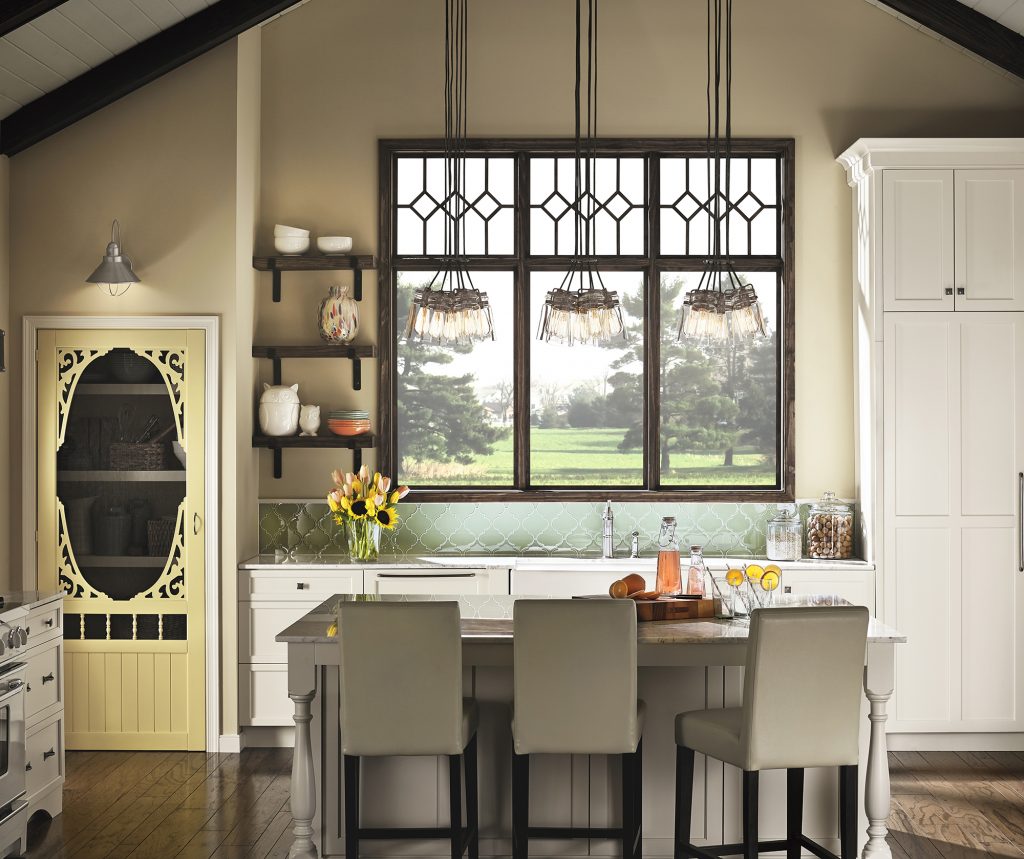
Lighting your vaulted space requires selecting larger, or more specifically, longer light fixtures that are tailored to the rooms dimensions. Hanging lights that you can buy off the shelf may not have the correct length of cable and chain to be effective in the space. Lights fitted too high in the void do little to illuminate the living space below, leaving lower levels under lit and a little dull.

You may need to consider customisation to ensure the suspended light fixture has a long enough cable, allowing you to drop the lights further into the space. Don’t be fooled into thinking all lights have long suspensions, many are supplied with 50cm as an average. As you have higher than average ceilings, you may need a bespoke or custom made light.

There are some lights you can purchase with extra lengths of cable and chain, professionally made and fitted to the light in advance. If you can, opt for this as it solves a problem most people encounter when trying to add extra to a standard height light fixture.
Difficulty of Maintenance
When lights are very high you will need to consider the mundane things too. Don’t neglect things like cleaning the light and replacing bulbs that have blown. Using LED bulbs is an excellent idea as they are longer lasting and more economical. Also having the afore mentioned longer chain or cable, allows you to mount the light within easy reach, and takes away the requirement for specialist scaffolding to carry out routine cleaning.

Oversized Lights for Higher Ceiling Heights.
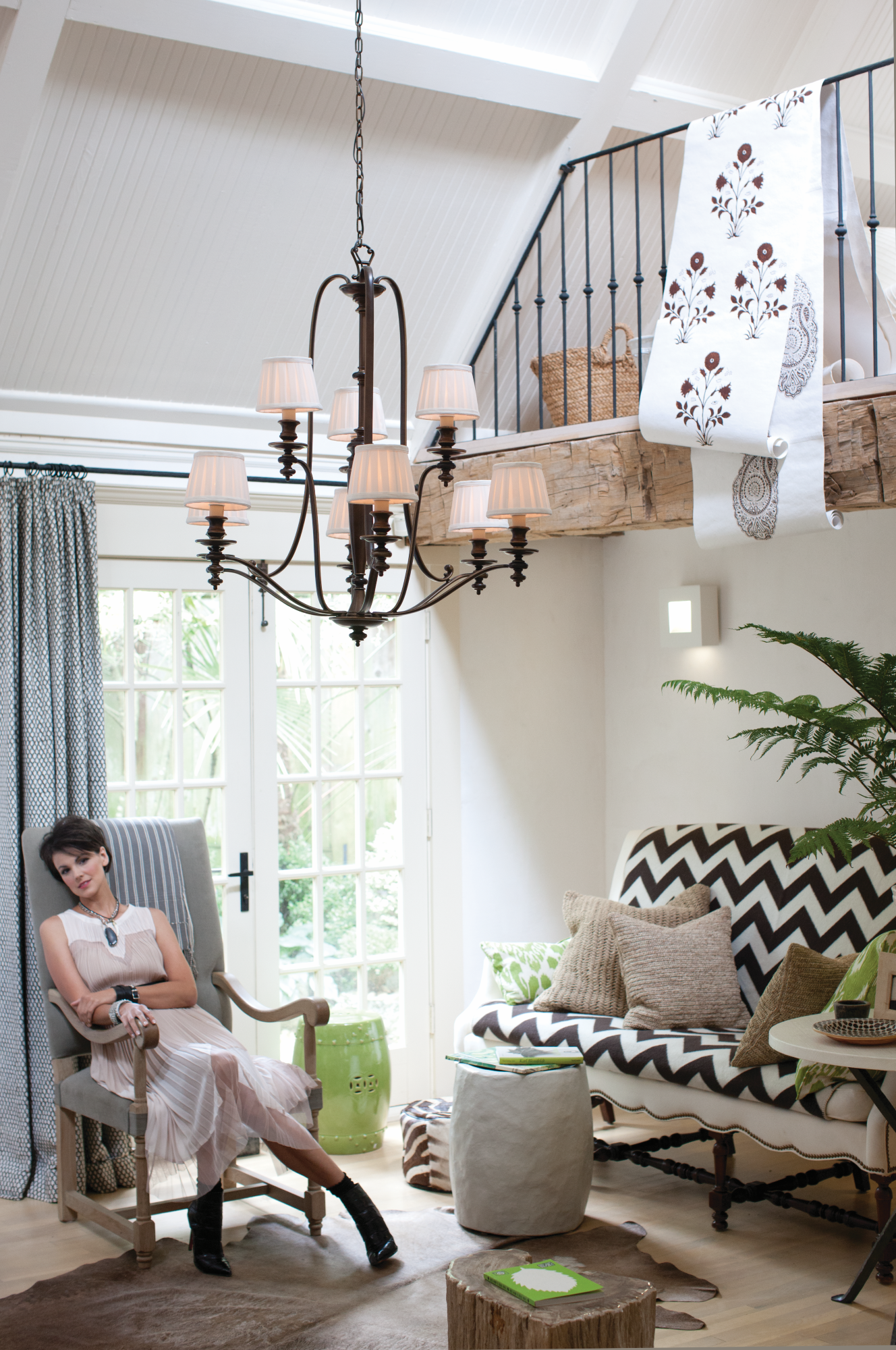
The scale of a vaulted room often requires larger than average light fittings. Choosing a light fitting that is too small can make it seem lost in the enormity of the space, potentially resulting in underwhelming illumination due to the limited output of smaller lights. Not only do bigger lights bring a grander aesthetic but also ensures brighter illumination, thanks to the increased number of light bulbs in larger scaled lights.
Aesthetically Challenged
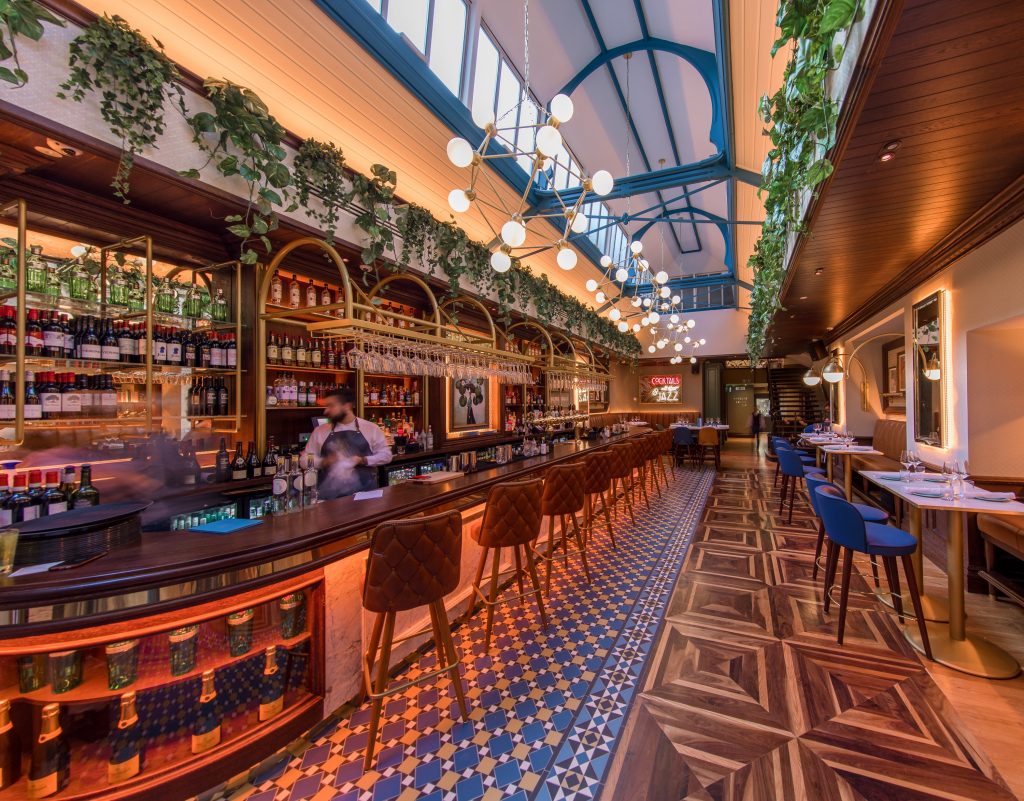
Aside from the scale of the lights selected for the room there are aesthetic consideration at play here too. If, for example, you have an A frame oak supporting the roof structure you’ll no doubt prefer something that has the same design dialect. Be that rustic, wood or something with more robust visual features that will help create a cohesive interior story. A crystal chandelier may not blend well with the more rugged look of the beams.

Ineffective Light Distribution
The traditional hanging light may not be sufficient to light the entire space effectively. Of course as we’ve mentioned previously larger lights often feature more light bulbs however a single light source seldom distributes the light in a visually appealing way. With a cathedral height ceiling you should celebrate the majesty of the voluminous void. The vault, angles, slope and the supporting structures such as beam or pillars are unique architectural elements that deserve highlighting. A solitary light doesn’t do that, instead bring in a variety of fixtures to showcase the architecture to the max!

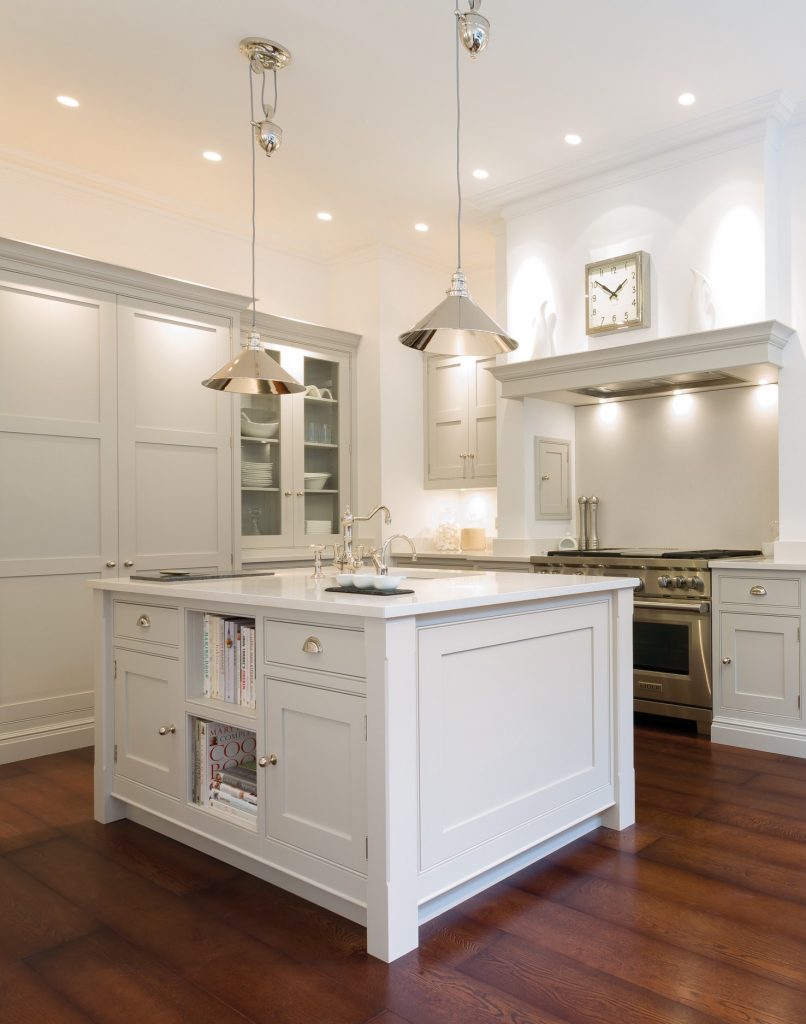
The pinnacle of lighting design is achievable through layering. The layering of lights is working with varying levels of light, which you can use in combination or separately. This approach helps create the mood or desired light level required for the function of the space and the task that occupants wish to perform in the room.
Masterclass Lighting Techniques for Tall Ceilings
In rooms with architectural features or those with heritage status such as cathedrals, it can be tricky to integrate light fixtures seamlessly. Recessed or concealed lights may not be an option however, that is no bad thing as that can often lead to lazy unimaginative lighting designs. A blanket coverage of recessed lights can be too harsh, the numbers of lights required creates bright and uncomfortable illumination. Imagine yourself gazing upward at the lofty ceiling of your showcase vaulted space, only to be dazzled by an array of spotlights, row after row. Blinding lights create visual discomfort and can ruin the enjoyment of the space. Let us help you navigate the way to lighting sloped and vaulted ceiling offering a blend of style, function and ‘visual comfort.’ It’s less complex than you may imagine.
When you have an intricate vaulted ceiling you could call in expert consultants, if money is no object that may be an option available to you. But, equally you could simply understand the commonly used techniques and create your own unique lighting scheme.
Layers of Light
We’ve touched on this earlier in the article but lets explore layering of light in a little more detail.
The aim is incorporate the 3 levels of lighting.
- General Light
- Accent Light
- Task Light
General lighting, such as ceiling lights and wall lights are the basic overall level of light rooms need for everyday use to give sufficient overall lighting.
Accent lighting is what you use to highlight architectural elements such as the beams or to put focused lighting on a feature wall or a piece of art. Sometimes, this is known as accent lighting, but also can be labelled as mood lighting as this level brings ambience and interest to a space.
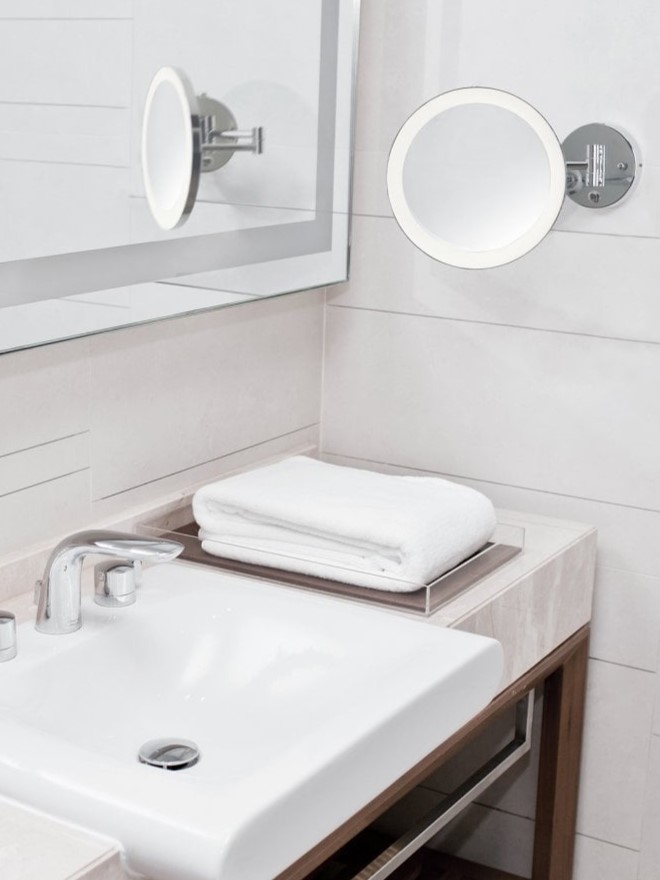
Task lighting involves directing extra light precisely where you need it, such as above a food prep area in the kitchen. It can also include having a dedicated lamp for reading, or a lit mirror for applying makeup and shaving.
Upward Lighting Techniques for Vaulted Ceilings
Lighting open vaulted spaces requires employing specific up lighting techniques. For example, a wall light that casts light upwards towards the ceiling will establish a connection between the upper and lower spaces while drawing the eye to the spectacular height of the elevated ceiling.

Perhaps positioning spotlights on the beams pointing upwards will help eliminate some of the shadow or the flip you could create some interesting patterns and interest. Upward lighting is crucial in high spaces, whether it’s from wall lights, spotlights or even freestanding floor lamps, there a variety of fitting choices to direct light upwards.


Direct and Indirect Lighting
When light is directed upward in this manner, it is known as indirect light. Indirect lighting is when light bounces from a surface and reflects back into the space. This technique helps to soften and diffuse light. Direct light points light where it’s required like a torch does. You can use direct light as task lighting.
Diffused Light
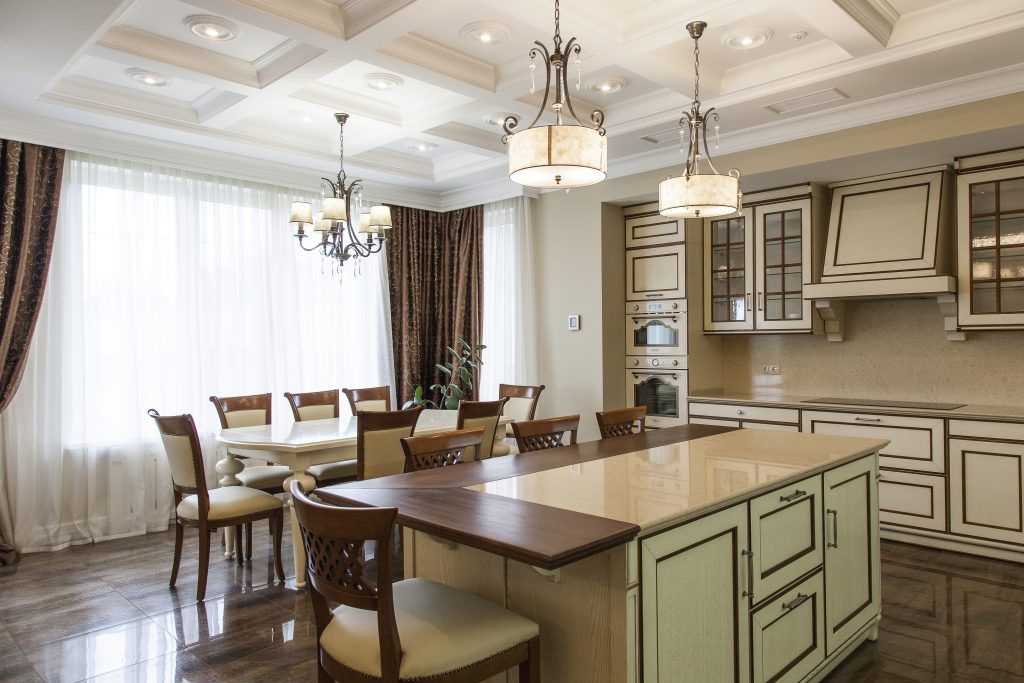
Diffusing light lessens the glare. Diffused lighting effects can be accomplished, as we’ve discovered, by using reflected light. Another approach is to use shielded or shaded lights which take away the intense, bright hot spots associated with harsh bulbs.
Control
You can’t consider lighting without giving a little consideration to the control of light. Putting lights on differing switches or circuits helps zone the lighting. This, along with installing dimmer switches, will give you control of how you light your room. In effect, you are making the lighting scheme adaptable and controllable. At the flick of a switch you can decide what mood or ambience you’d like. Go for full brightness when it’s time for cleaning or homework but dial it down to create a warmer, more intimate ambience for cosy moods.


Temperature
Talking of upping the heat, albeit in a different sense, brings us to kelvins. If you’re unfamiliar, the Kelvin scale is what we use to measure the colour temperature of light. The scale ranges from warm light such as the amber glow of a candle flame to the white of natural daylight which is a cooler blue. In living rooms and most home lighting schemes the preference is a warm white in the range of 2700k to 3000k.
The letter K represents the word Kelvin and you’ll see this, along with the lumen output, listed on light bulb packaging.
It’s worth sticking to the same colour temperature in all your lighting to retain that comfortable balance between fixtures.

Balance of Light for High Pitched Ceilings
Striking the right balance requires a little planning. Using the same colour of light helps to retain the balance and consistency that is comfortable for your eyes.
Balance is also considering the number, and variety of fixtures you use within the space. Have lights that illuminate the ceiling space. Add lower level lights to balance the light between the spaces and introduce a mid point form of lighting. This helps pull the look together, preventing a definitive line between the higher and lower levels.
Need Help
When faced with the task of a lighting high sloping or vaulted ceiling, or sales team is here to guide you every step of the way. Whether you’re looking for advice on fixture selection, lighting design, or customisable options to suit the unique dimensions of your space, our experts are ready to assist. We’ll help you find the perfect lighting solutions to enhance the grandeur of your space and bring brilliance to your elevated ceilings.
This customer review highlights the significant difference well designed lighting can make in a challenging space with high ceilings and unique features:
“My wife is ‘over the moon’ with the new Kitchen & Utility Room. When I retired I promised her that I would build her the ‘dream’ kitchen that she always wanted. I think her dream has been fulfilled!”

“One of the hardest parts of what turned out to be a complex build was in fact choosing the lighting!! We both wanted to highlight the oak beams without appearing to cover them in light fittings. However, once we had put up an Oak light as a trial everything then fell into place.”

What a perfect example of using a combination of fixtures and up lighting to highlight architectural fixtures and help to fill the void that sometimes high ceilings can create.
Contact us for help lighting your challenging spaces.