Interior design is more than just choosing pretty colours and furniture. It’s about creating a space that is both aesthetically pleasing and functional. To achieve this, there are several essential components that every interior designer should consider. Whether you’re redecorating your home or starting from scratch, understanding these components can help you create a space that you’ll love.
Lighting.
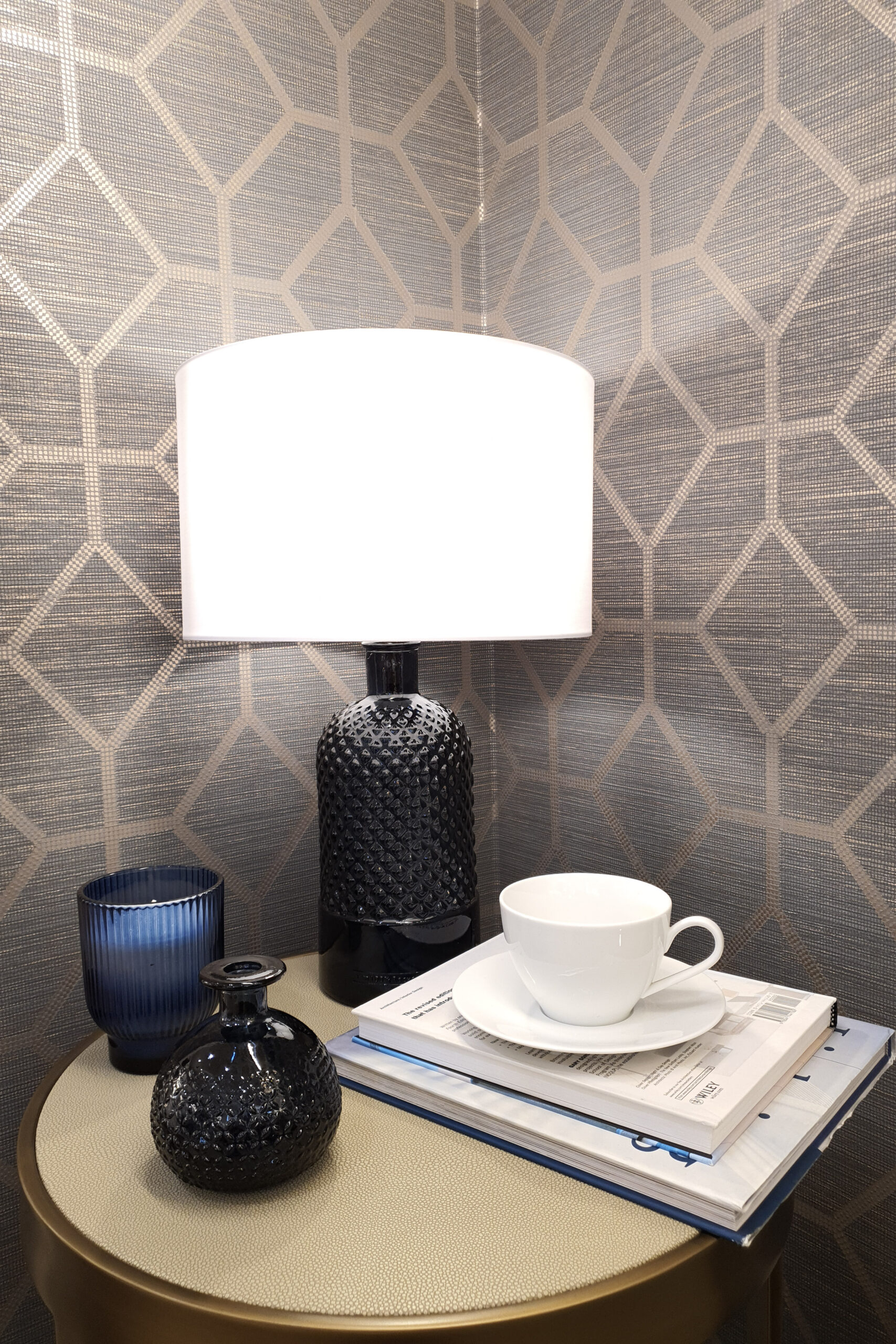
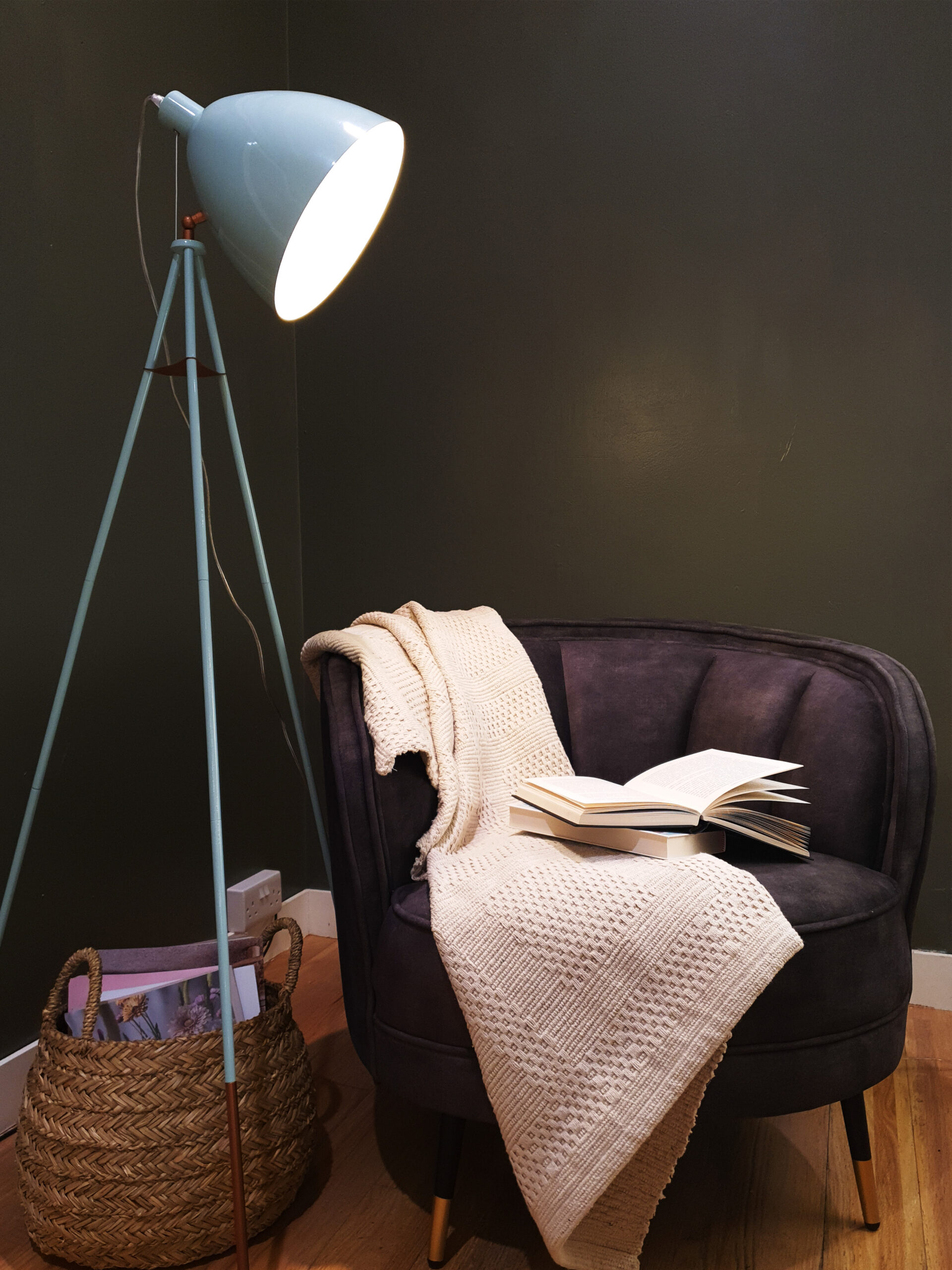
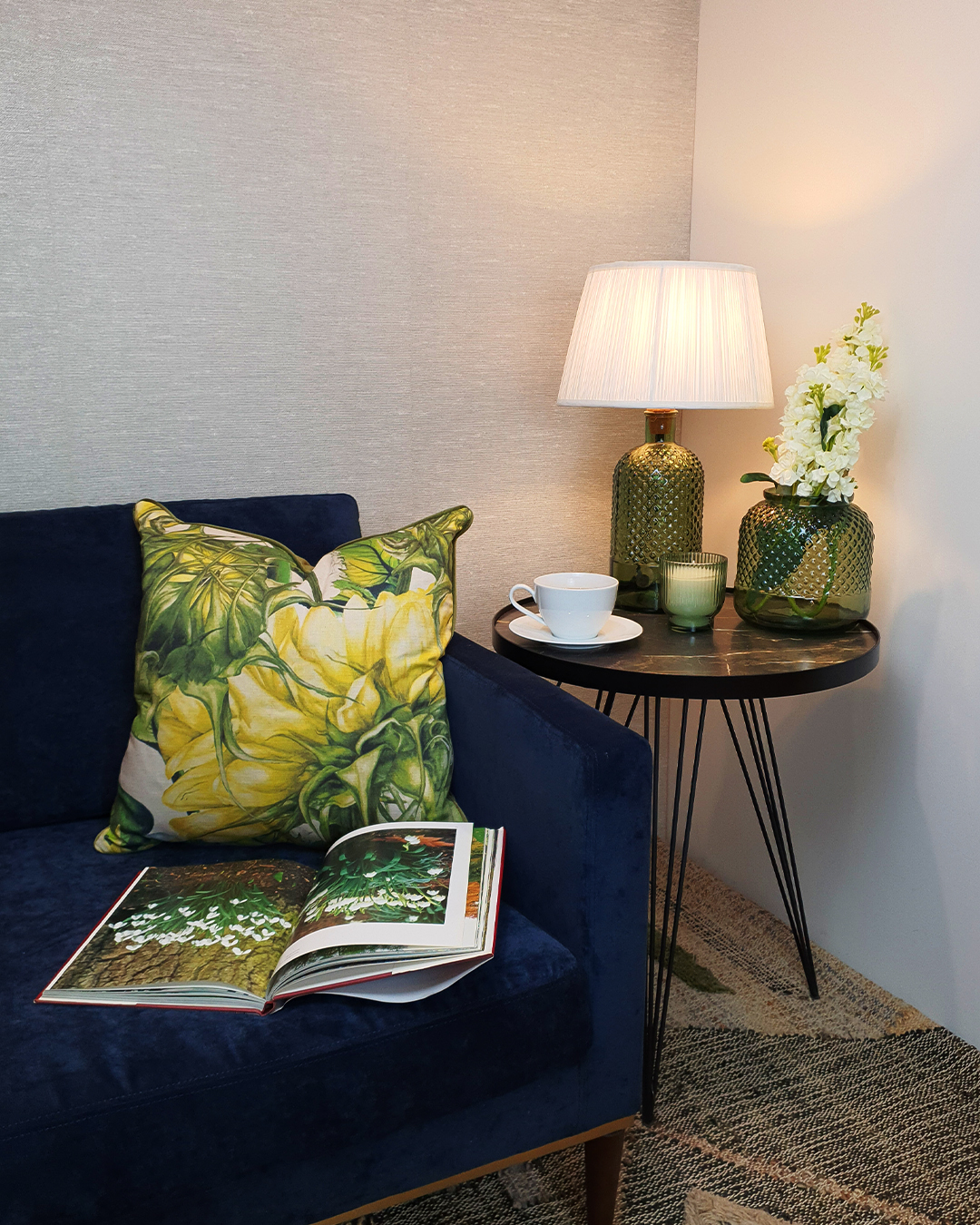
Lighting is a crucial component of interior design that can greatly impact the mood and functionality of a space. We’d say it’s the most important element. Natural light can create a bright and airy atmosphere by day, while dimmer lighting can create a cosy and intimate feel in the evening. We all know this but it’s not as simple as that, you may have a north-facing room where additional light is required even in the daytime. Blending light forms helps bring about dramatic changes to the mood or feeling within the space.
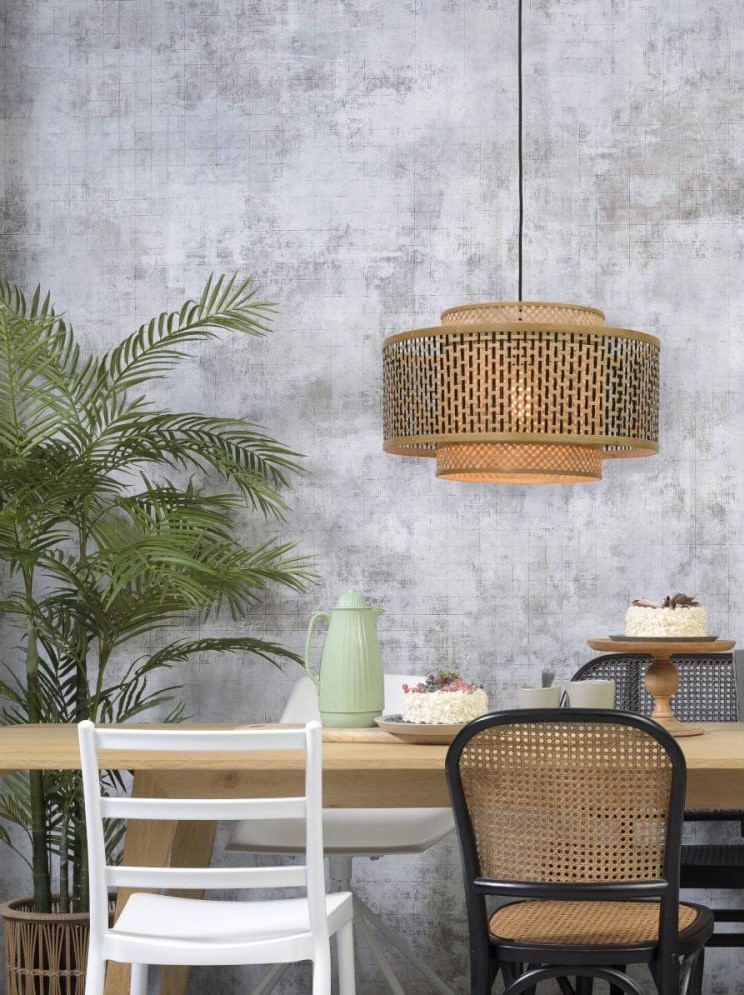
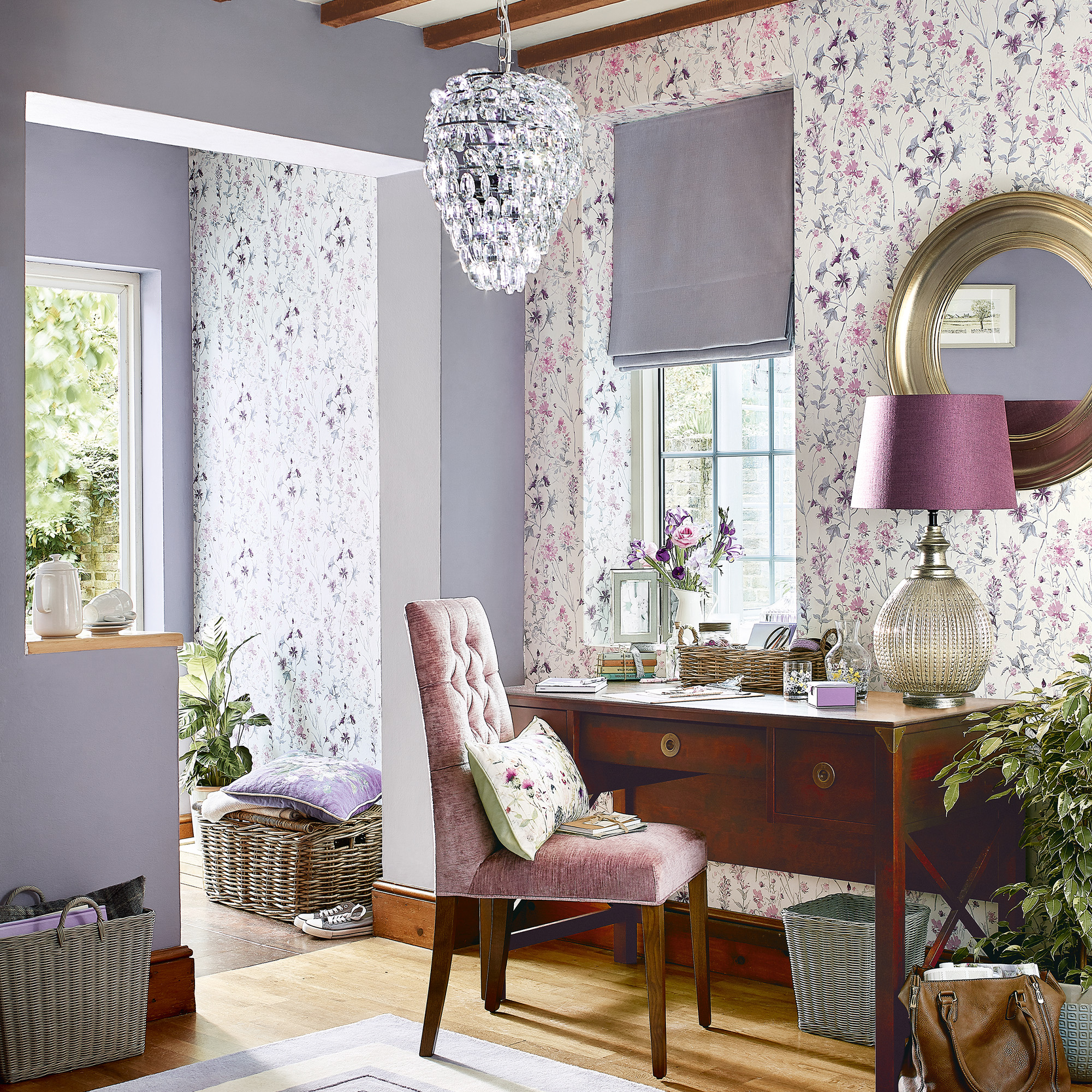
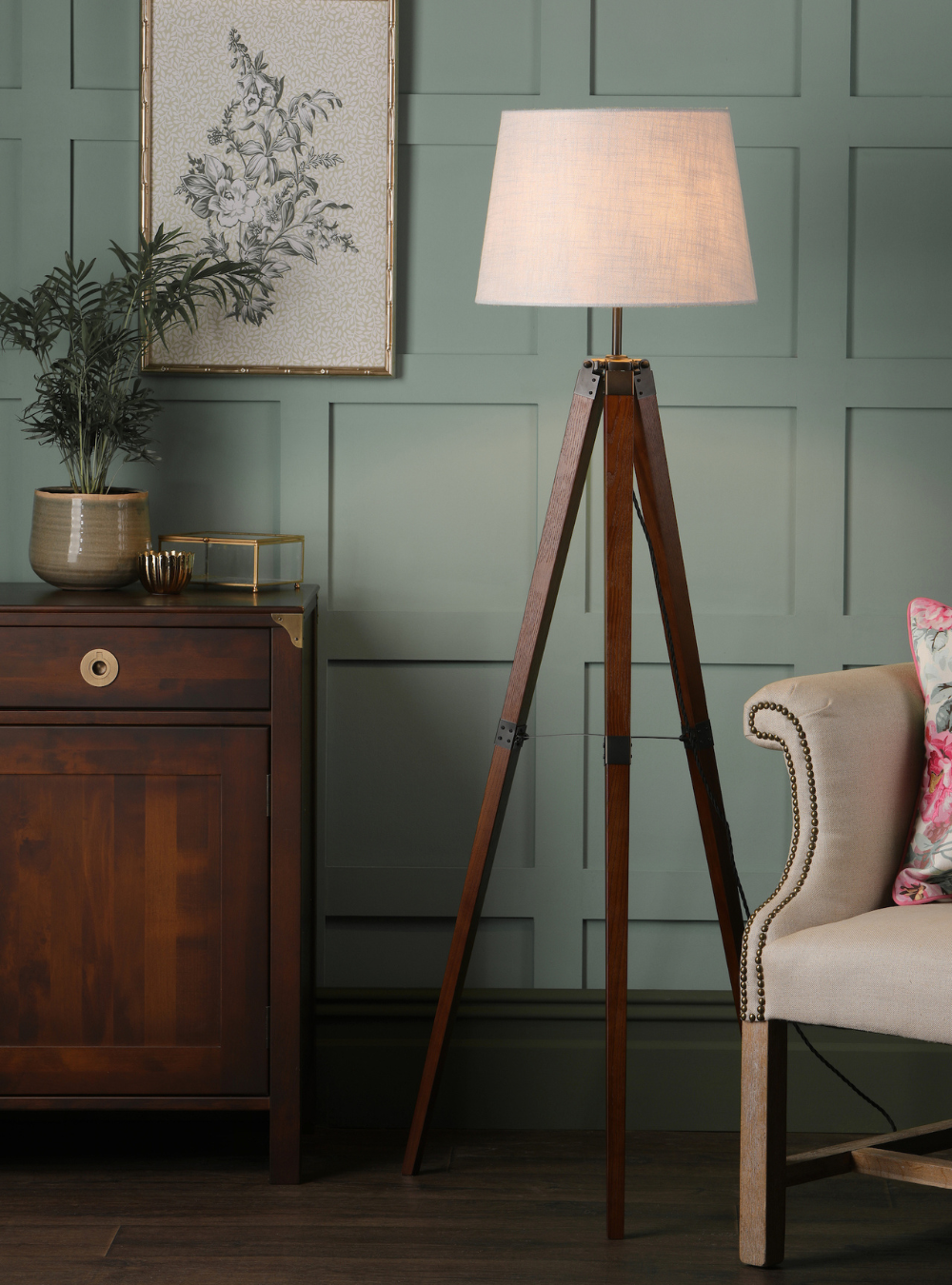
Lighting fixtures come in a variety of styles and contribute to the overall aesthetic of the space too. So what style or type of light you choose depends largely on what you want it to look like and the mood you want to evoke.

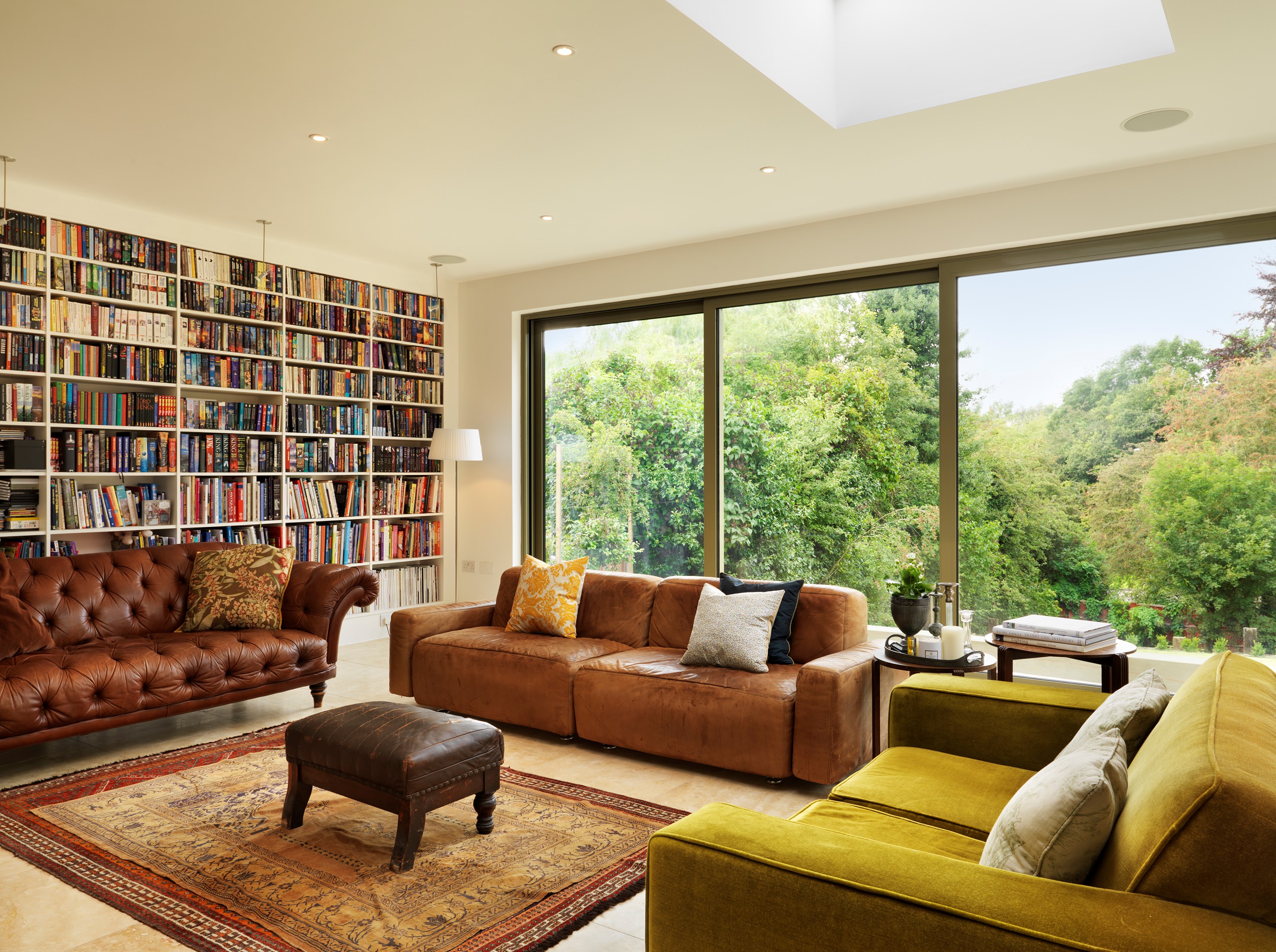
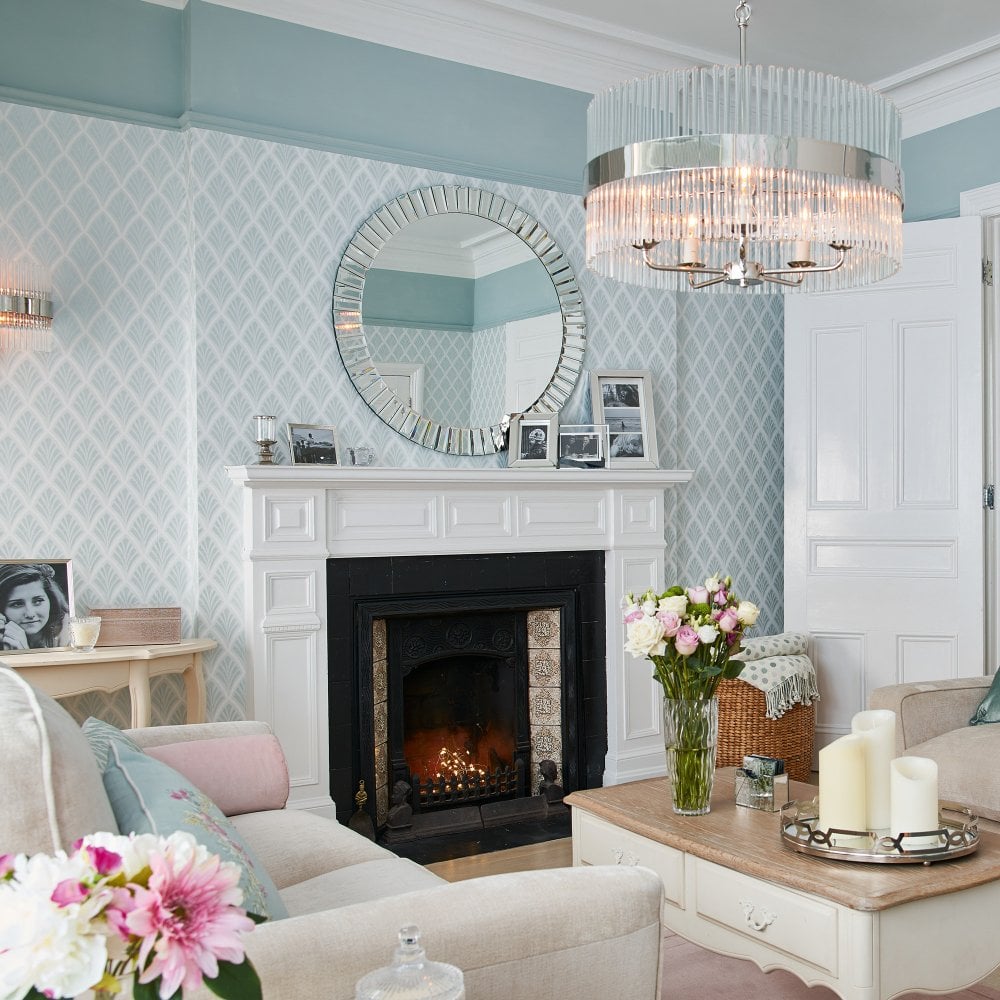
It’s important to consider the purpose of each room when choosing lighting, as well as the placement and type of fixtures. Adding layers of lighting, such as overhead lights, table lamps, and accent lighting, can also add depth and interest to a space.
The rules for lighting a room are simple to have 3 forms of lighting.
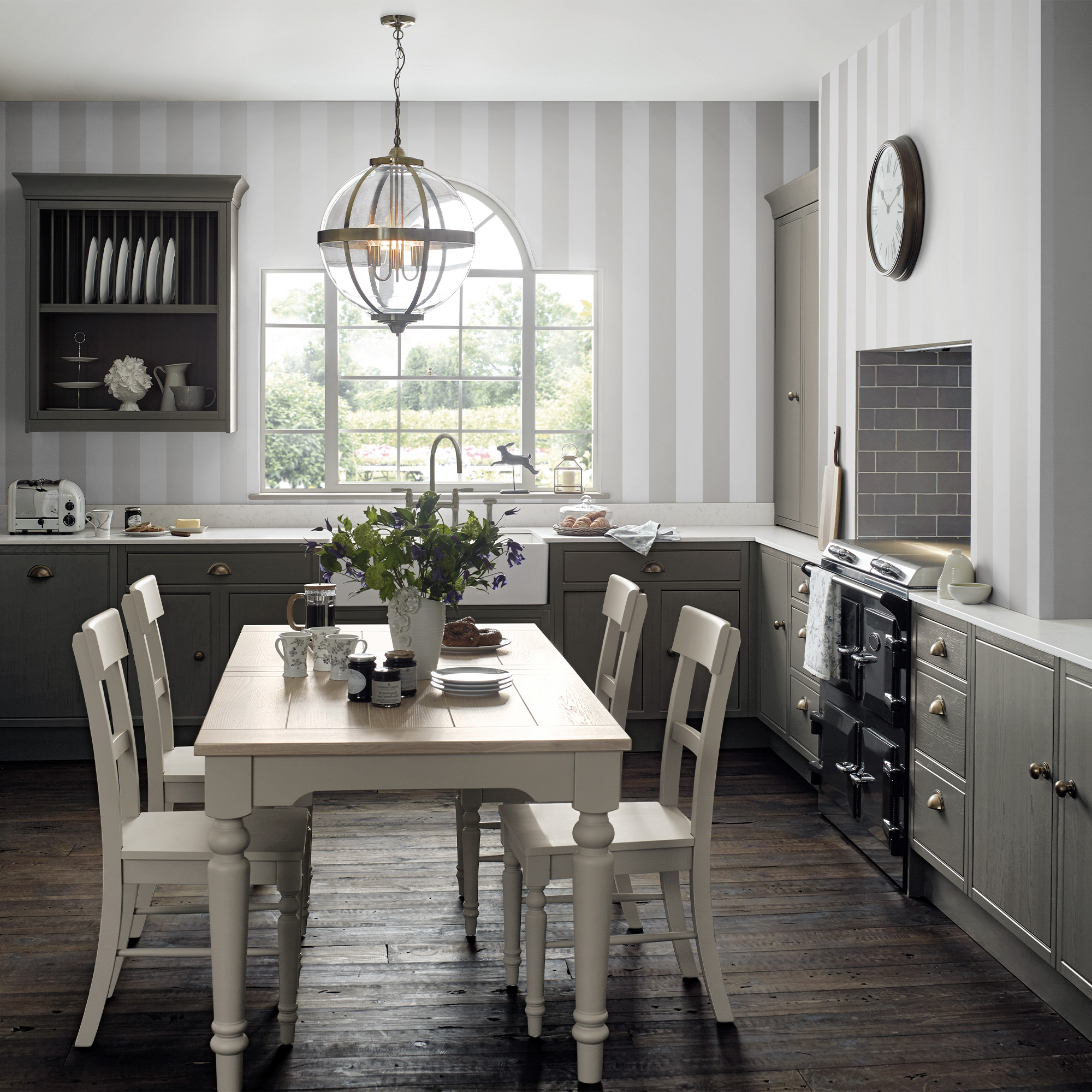

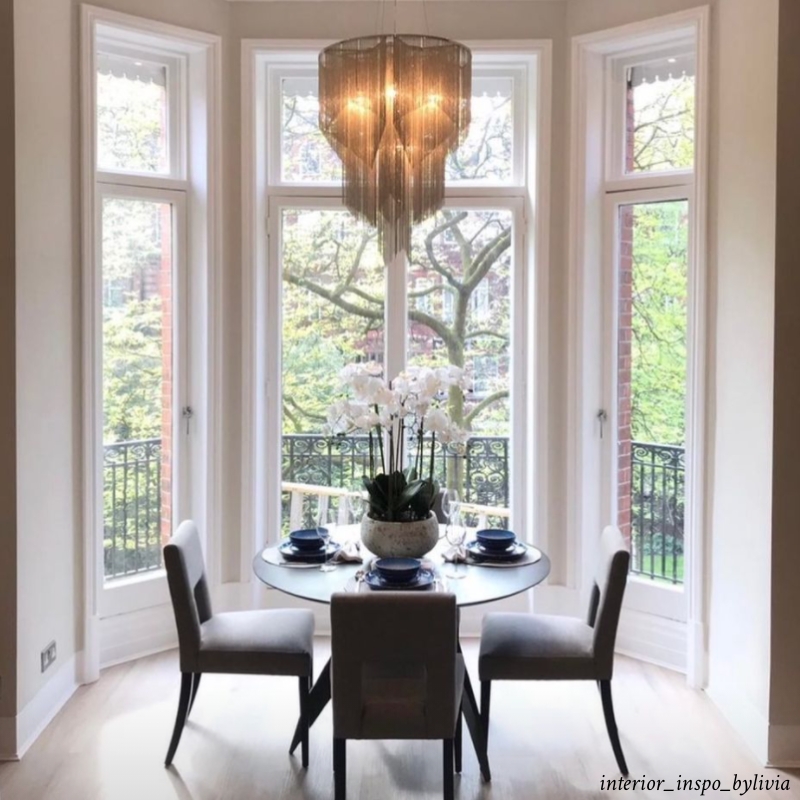
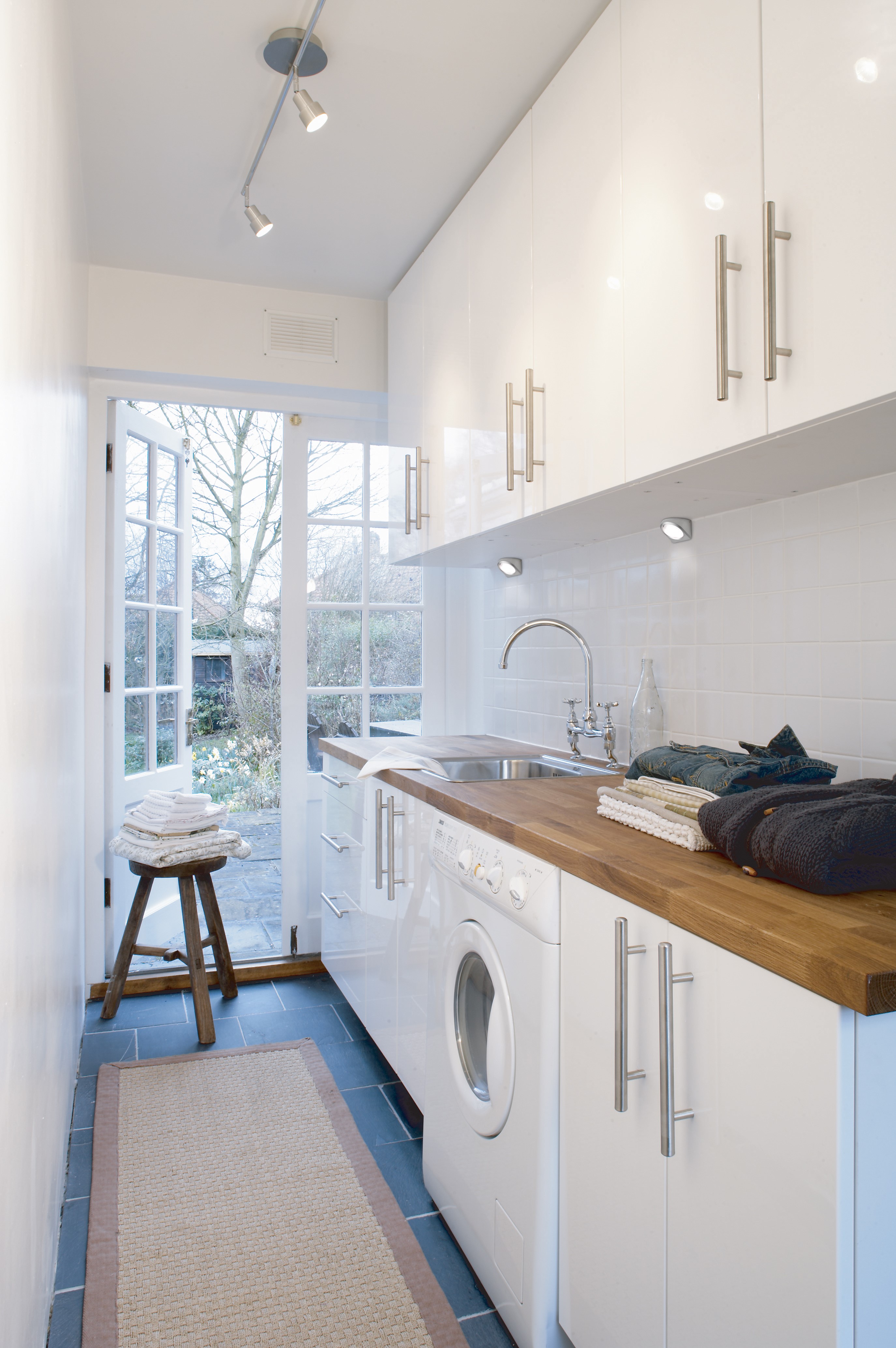


You can discover more tips for lighting homes in our comprehensive blogs and articles.
Colour and Texture in Interior Design.
Colour and texture are two of the most important components of interior design. Often underestimated but the softer elements within interiors do add considerably to the effect.
Colour can set the mood of a room and create a sense of harmony or contrast. But not all colours are created equal they have a bearing on the amount of lighting you’ll require. Darker colours absorb light and lighter colours reflect it.
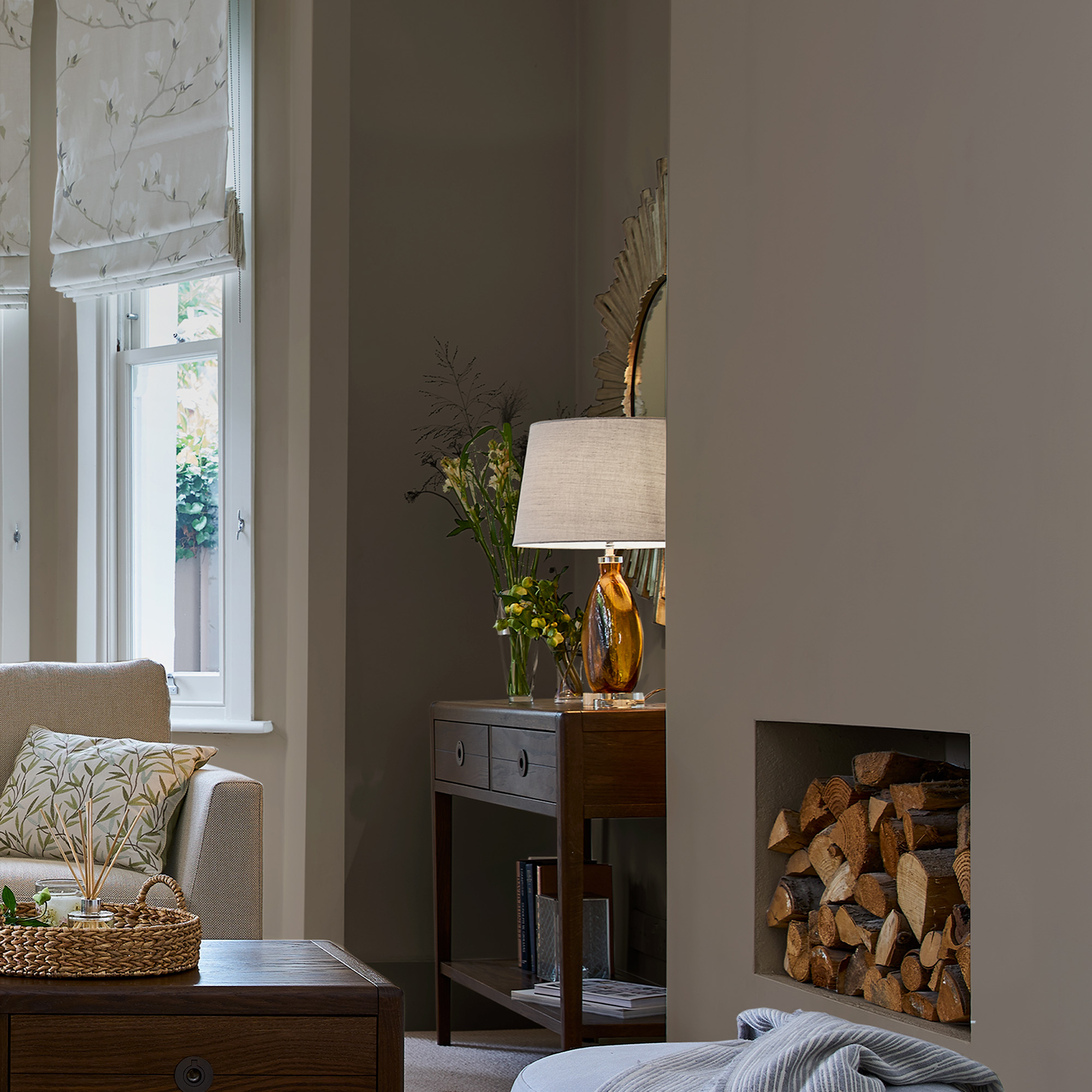
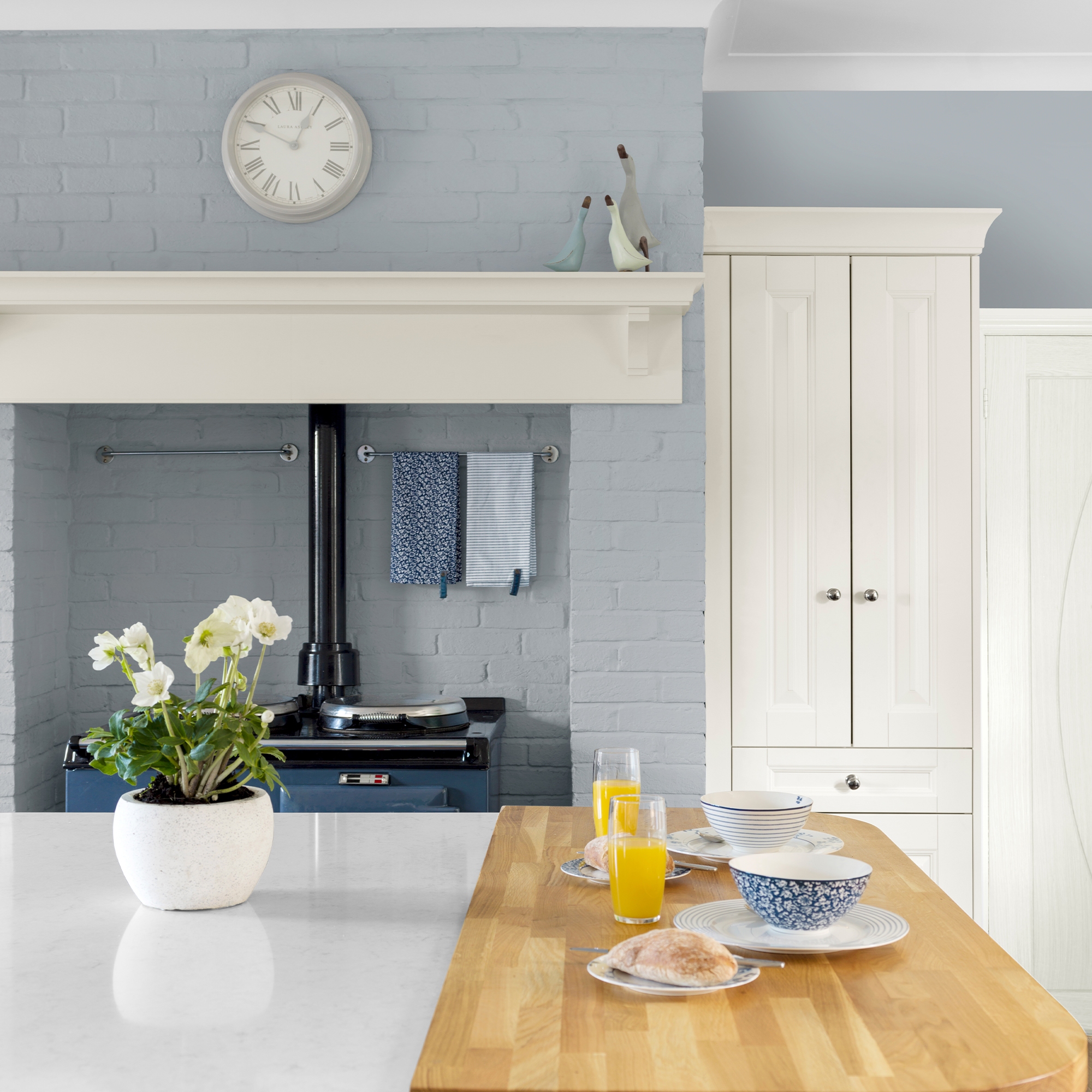
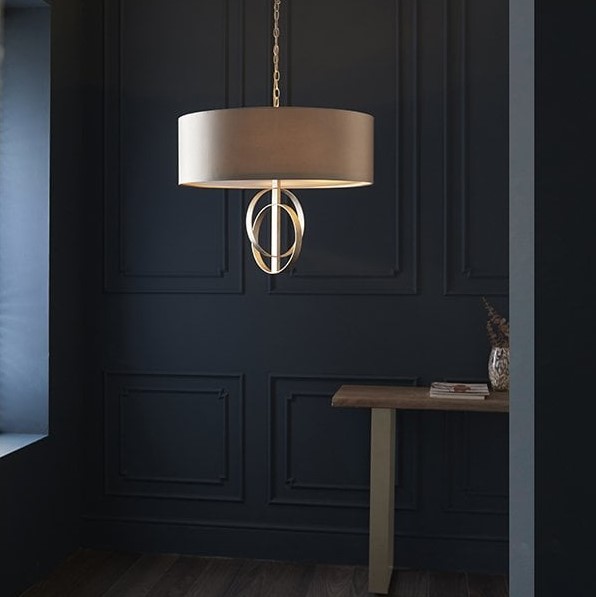
Darker colours are very popular for a moody ambience but do remember to include plenty of lamps not only to create interest but also to make the space function as you envisage. Texture, on the other hand, adds depth and dimension to a space. With texture and surface detail the look is flat and a little two-dimensional.
When choosing colours and textures for your home, consider the overall style and mood you want to create. Neutral colours and smooth textures can create a calming atmosphere, which can be pleasant but ensure you layer in some softness with throws and cushions to keep a cosy feel. While bold colours and rough textures can add energy and excitement.
Furniture and Layout.
Furniture and layout are key components of interior design that can greatly impact the functionality and aesthetic of a space. When choosing furniture, it’s important to consider the size and shape of the room, as well as the purpose of the space. For example, a living room may require comfortable seating for entertaining guests, while a home office may require a desk and ergonomic chair for productivity. The layout of furniture should also be carefully considered, taking into account traffic flow and creating a balanced and visually appealing arrangement. A room with limited furniture will always look more stylish than a room crammed full of furniture.

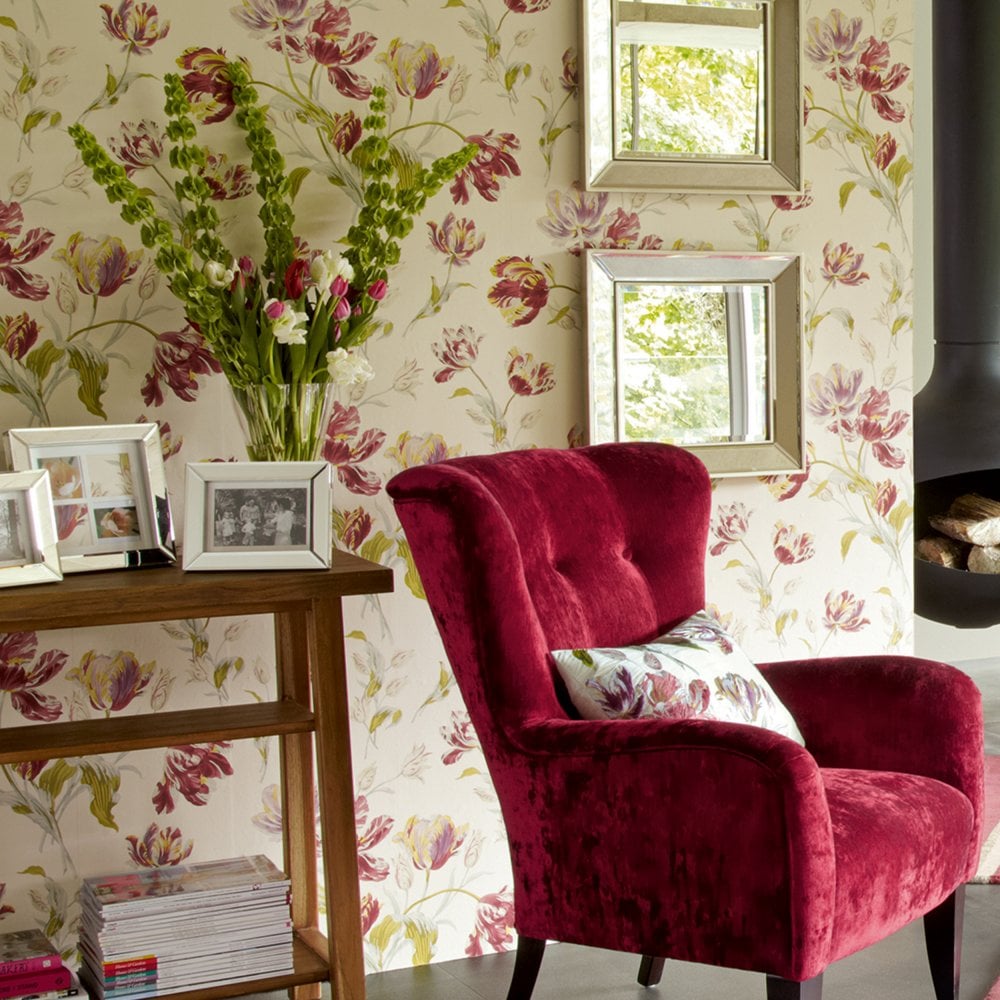

The top consideration is storage, only display things that are beautiful avoid clutter and stow away items that are not in everyday use, unless they are meaningful or beautiful.
Accessories and Decor.
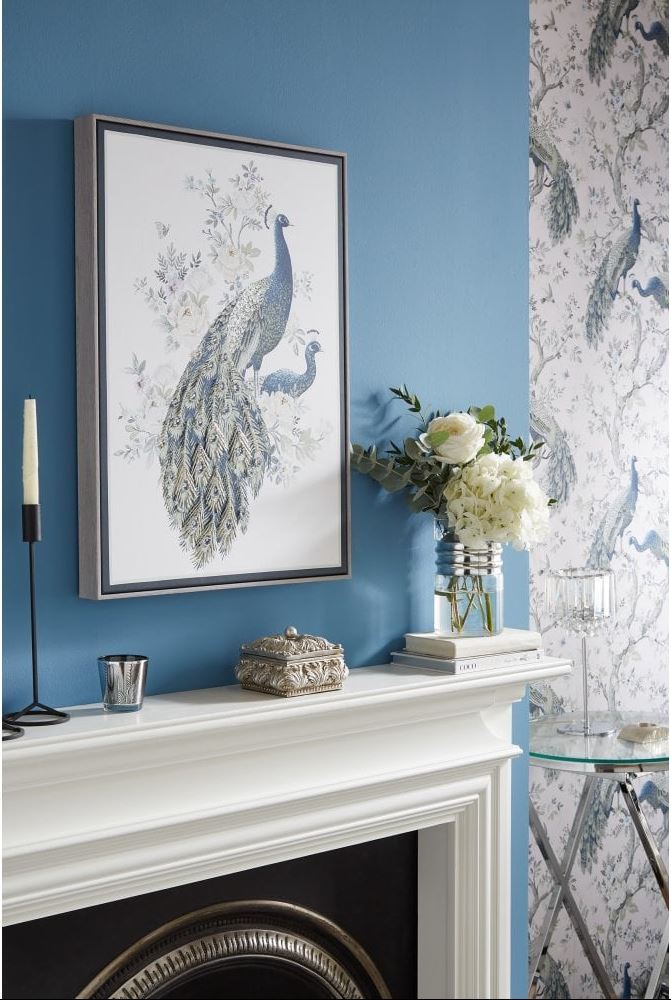
Accessories and decor are the finishing touches that can truly bring a space to life. These can include items such as artwork, rugs, pillows, and decorative objects. When choosing accessories, it’s important to consider the overall style and colour scheme of the room, as well as the scale and proportion of the items. Too many accessories can make a space feel cluttered, while too few can make it feel unfinished. The key is to strike a balance and choose items that add visual interest and personality to the space without overwhelming it.
Floral displays, plants and soft furnishings soften edges and make the space feel less utilitarian.
Utilise all of the senses, sight, sound, smell etc to make the moods memorable. You may want to explore articles on scent scapes. Scent scaping is when each zone of the home evokes a different scent, for example, a spa-like smell for the bathroom or a lander for the bedroom to help relax and calm you before sleep. It’s a whole big thing home scents are incredibly popular in the form of scent candles, pillow mists and reed diffusers.
Functionality and Flow.
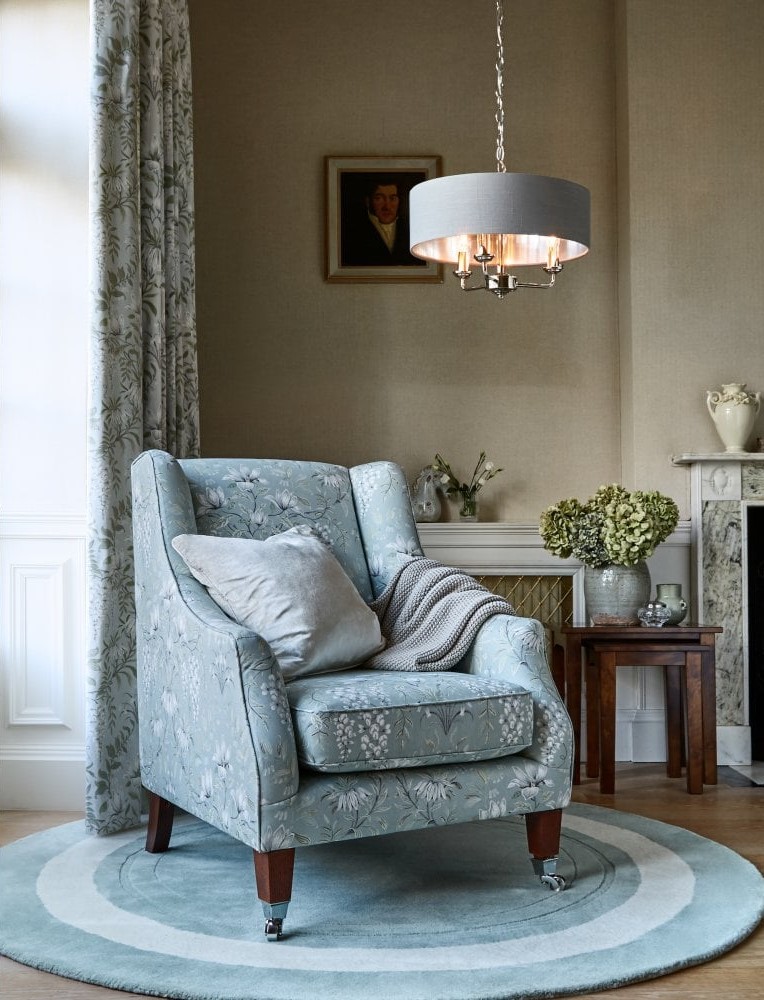
One of the most important components of interior design is functionality and flow. A well-designed space should not only look beautiful but should also be practical and easy to use.
Line of sight from one space to another can create a more open feel whilst screens and partial opening invite people to look beyond and feel a sense of anticipation.
What does flow actually mean? This means considering factors such as traffic flow, furniture placement, and storage solutions. For example, in a living room, the seating arrangement should be conducive to conversation and relaxation, while also allowing for easy movement throughout the space. So avoid pinch points where people need to squeeze through spaces at funny angles.
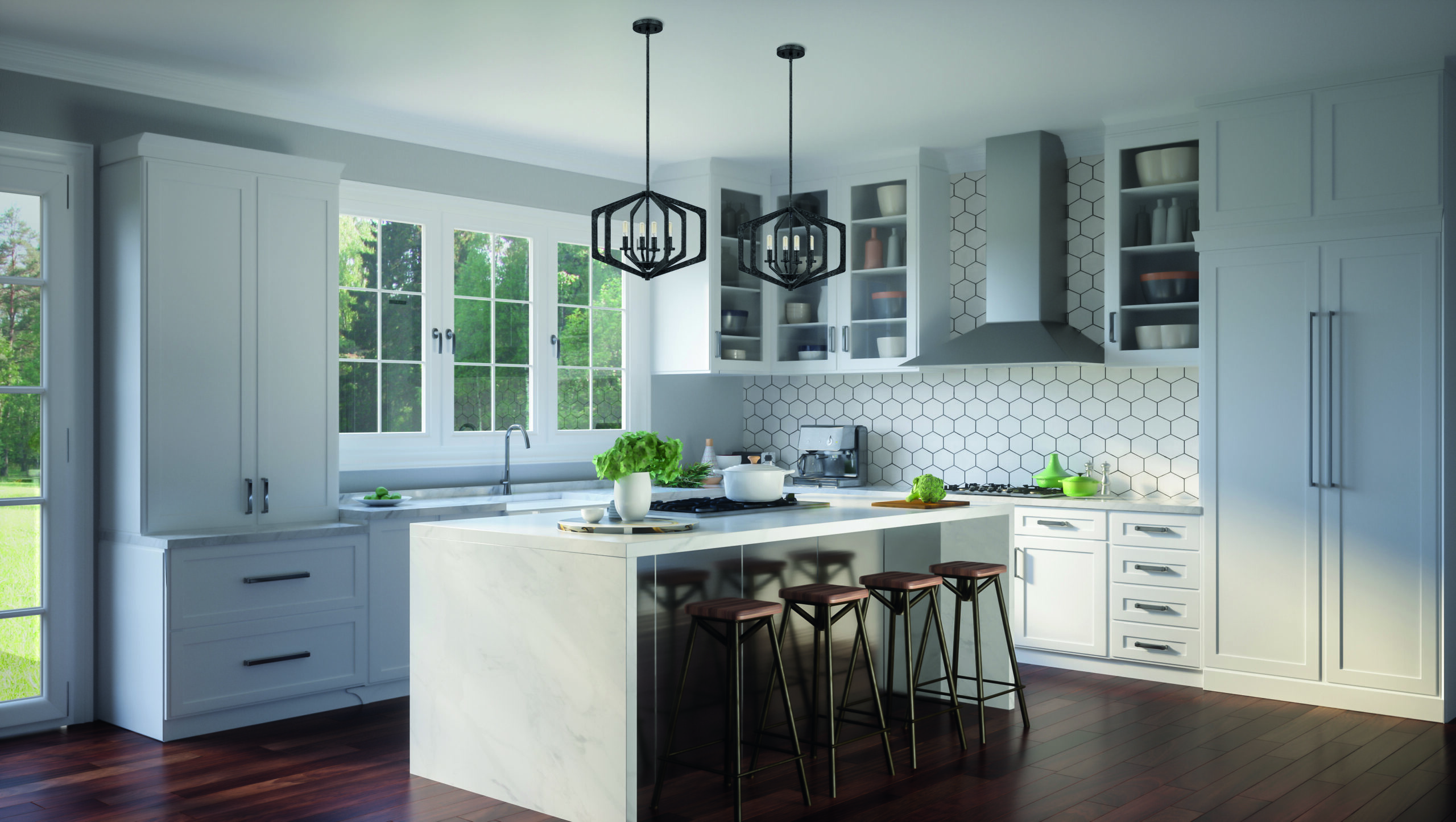
In a kitchen, the layout should be efficient and functional, with ample storage and counter space. By prioritising functionality and flow, you can create a space that not only looks great but also works for your lifestyle. Light the areas used for prep well. Perhaps a row of pendant lights above a kitchen island or moveable spotlights to direct the light where needed. The best place to mount a ceiling light in a kitchen is above an island as the light is directed downwards.
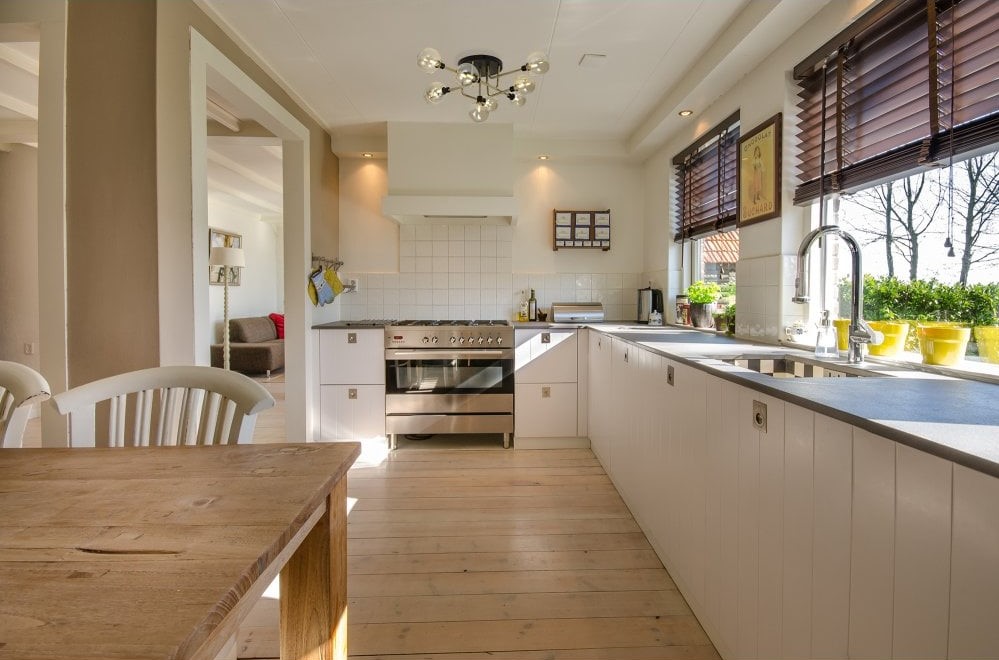
The look, feel and mood you create should have your personality rippling through it. Being a little bolder or braver than you first imagine will pay dividends. If you don’t know where to begin why not explore the latest trend for home interiors, which includes bedrooms, living rooms, kitchens and more?
Top Trends for 2024 and Beyond
Submerged:
Under the sea vibes with oyster shapes and scale patterns. A cosseted design with curved furniture – no sharp angles. Tall, straight houseplants that mimic seagrass. Nods to Art Deco with repeated curve patterns.
Metareality:
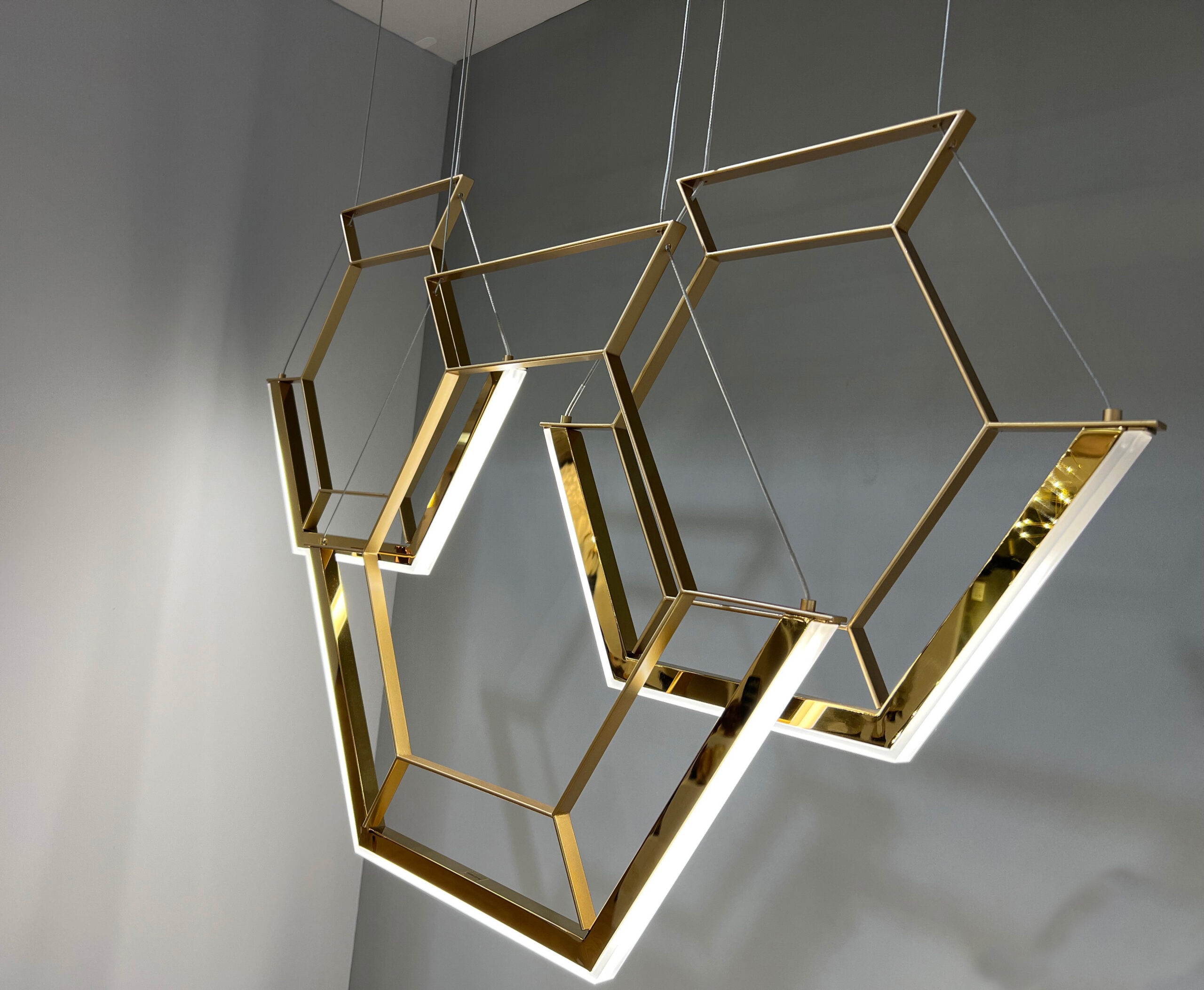
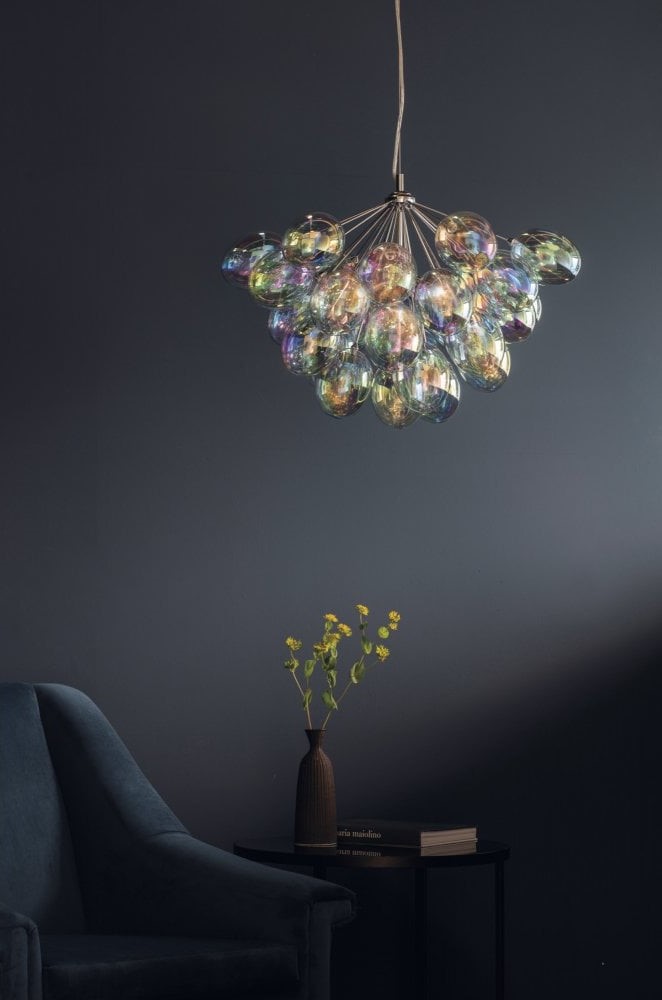
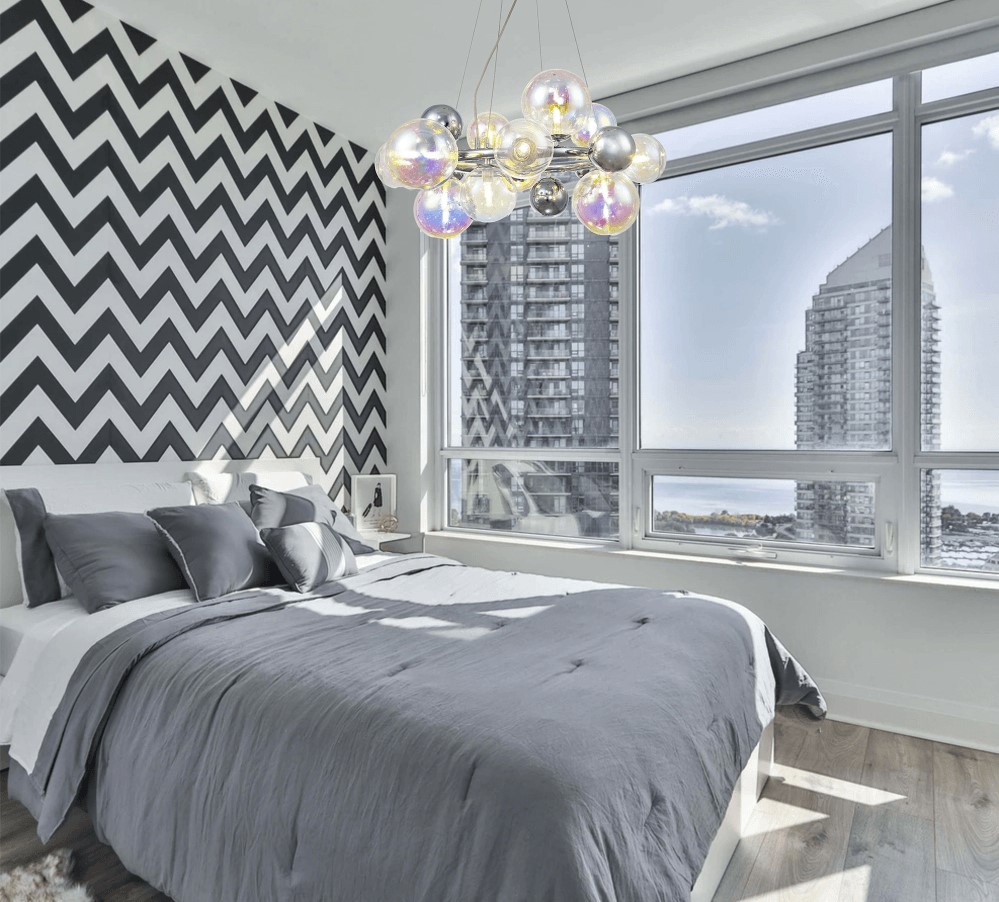
Shiny chromes are used in circles, globes and domed shapes juxtaposed with computer graphic-style mosaics. Pops of pastel tones and iridescent glass.

Clouds:
Bubble and cloud-like light fittings. Origami and simple materials.
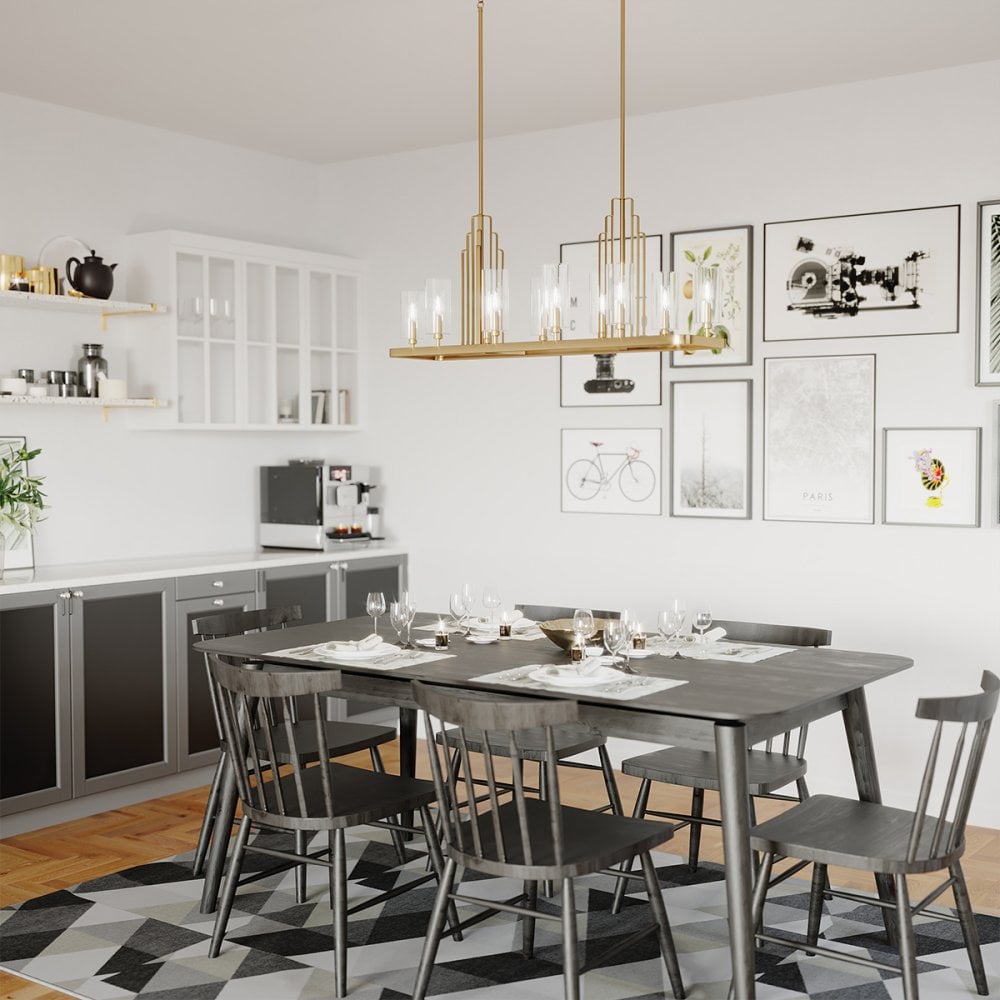
Gilded Monochromatic:
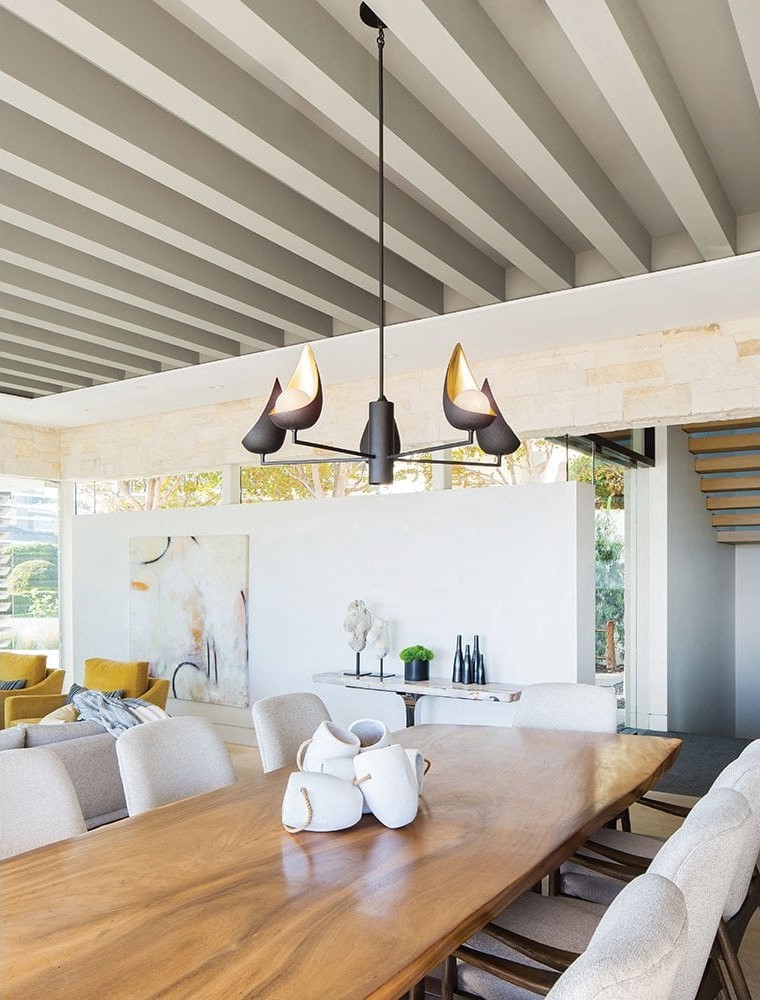
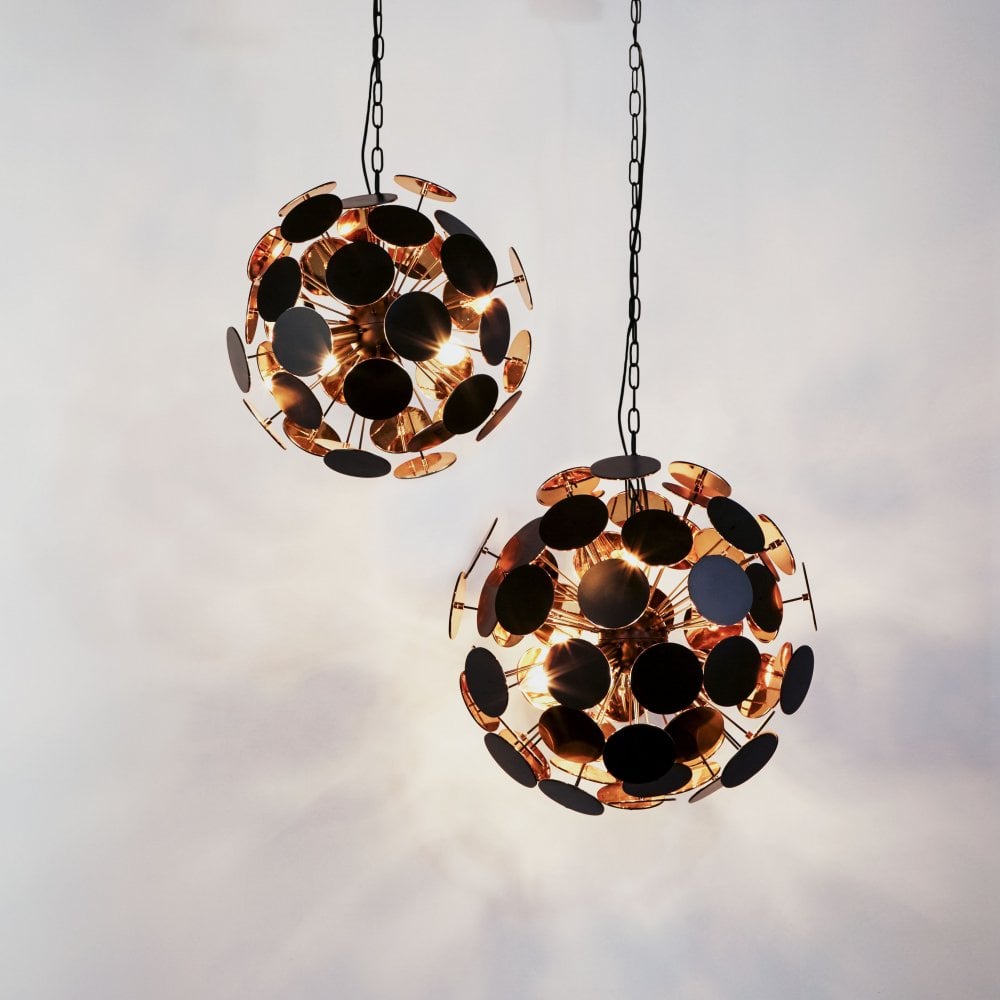
Predominantly white with accents of black and gold. Statement pieces in golds and brasses. Marble.
Savanna Excess:
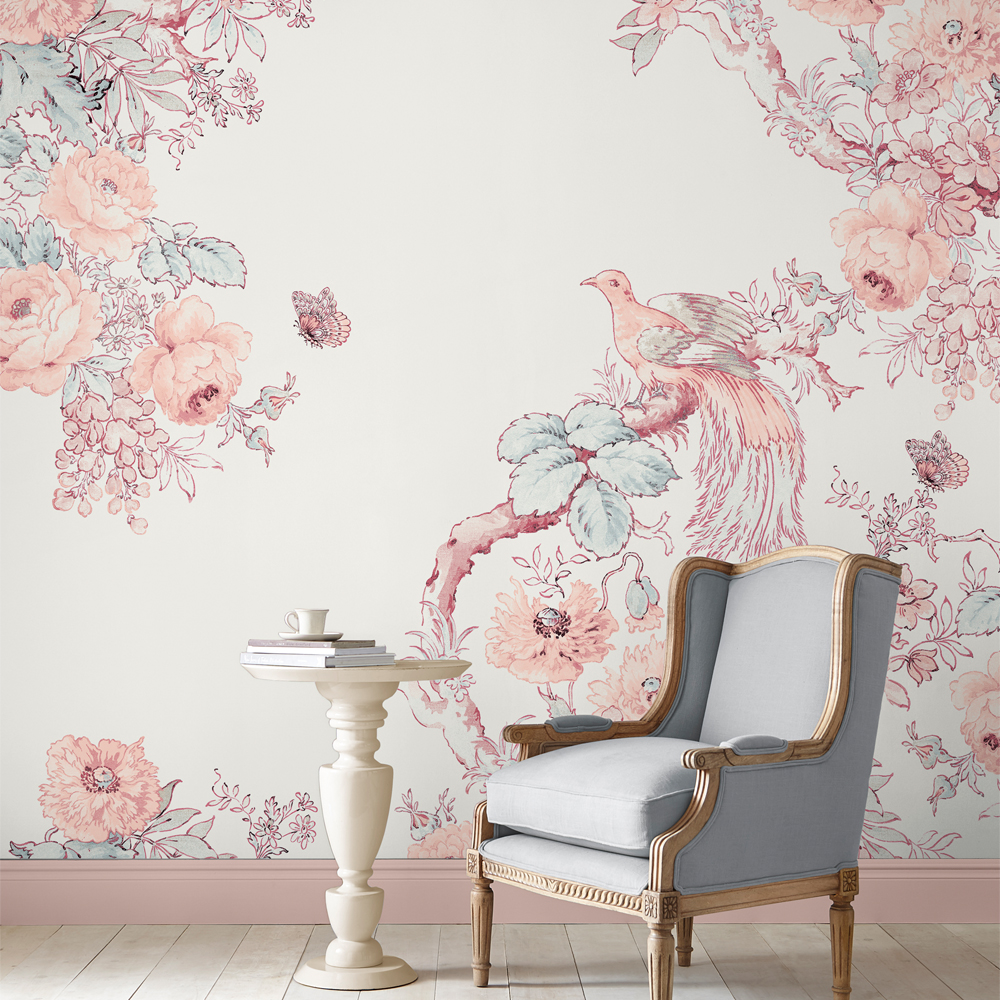
Bold animal prints. Organic shapes. Houseplants and dried grass decorations. Organic shapes. Bold murals and wall coverings.
Apricot Retro:
Peach, apricot terracotta tones with mid-century design.


Nature’s Bio:
Sustainable, organic.