
The art of lighting for a truly dark night sky
The ‘International Dark Skies Association’ designated Exmoor as the first ever Dark Sky Reserve throughout Europe in 2011 and as things became darker, there was a reported notable benefit to wildlife and our enjoyment of seeing the stars.

A buffer area of reaching approximately a mile and a half around the circumference surrounding the reserve required homes to also limit the light emitted from their properties.
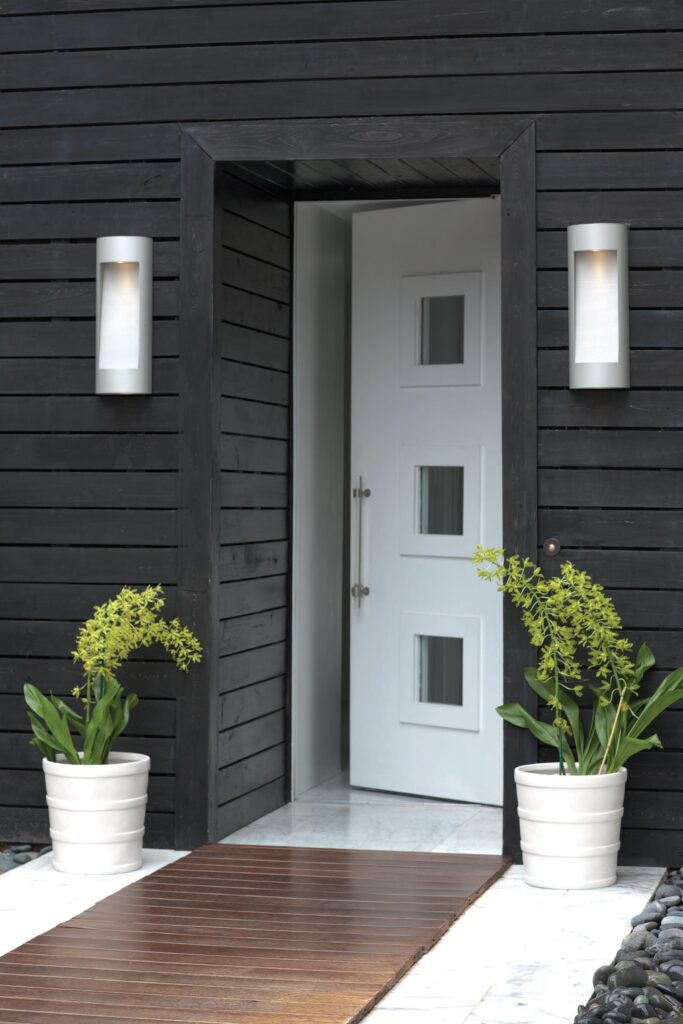
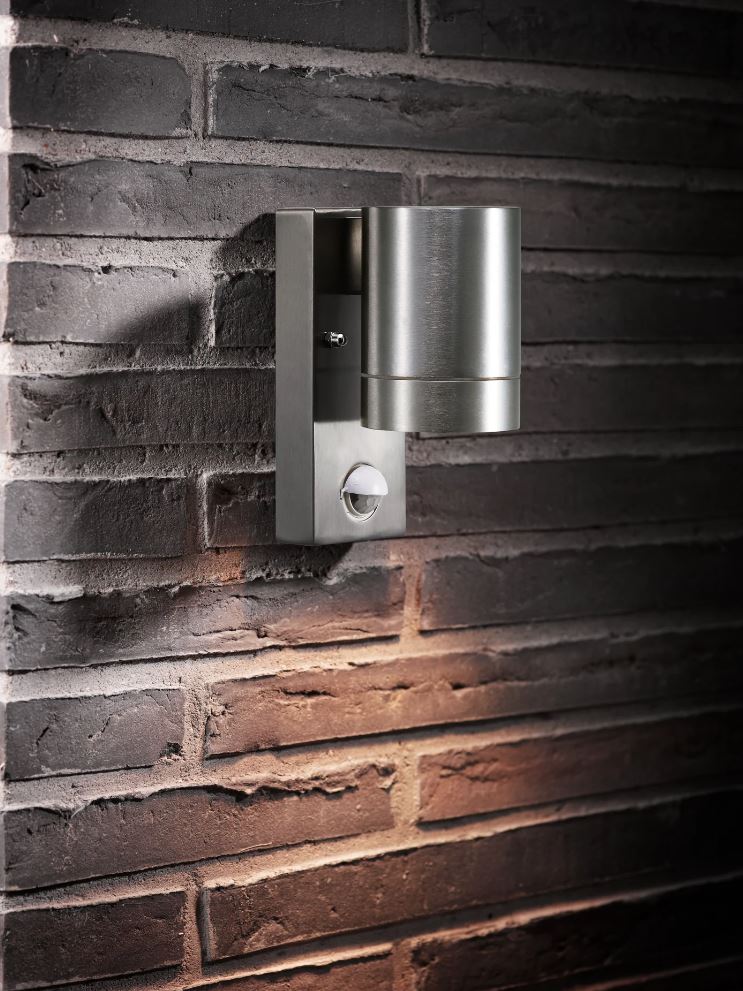
Homeowners and tenants in the locality looked for better exterior lighting; not to be brighter, but to be darker. We were able to use our expertise and knowledge of lighting to ensure that we could offer a plethora of lights that meets the needs of homes, nocturnal visitors and stargazers alike. The answer? External downlights.


Here at The Lighting Company, we’re living and working on the edge of Exmoor National Park, so are well aware of the challenges of working in a dark sky reserve. Even in the most rural locations, we still need to live and work and in winter months it can be really dark; much darker than in towns and cities. We generally see far fewer, or sometimes no street lamps in many areas and whilst this does have benefits, we still need some light surrounding our homes for practicality.
Our mission is to provide a large selection of exterior downlights that reduce light emitted in an upward direction began many moons ago, predominantly to avoid upsetting bats in line with supporting evidence from the Bat Conservation Trust. It highlighted the plight of nocturnal animals whilst being aware that the homeowners’ needs must also be considered. Lighting controls allowing lights to only come on when required, channeling the light downward below the roofline gave homeowners peace of mind.
Following lessons learnt from our experiences in the dark sky reserve, we have some simple advice for those wishing to help lower light pollution.
• Avoid using flood lights
• Use downward pointing lights that are shielded to prevent upward light
• Use PIR or timers to limit when the lights come on
• Allow your eyes to adjust to darker surroundings before reaching for a light switch
• Take a torch outside if you don’t need to light the entire garden
• Light trip hazards or steps with a low level of light, such as path lights
• Mount lights lower on the building to keep light localised at below 6ft -7ft
• Sitting in the garden in the evening, opt for table lights directed downward
• Consider using outside lights with a dimmer switch and dimmable bulbs or switch to a lower lumen output bulb


Lighting up the skies is generally deemed as detrimental and people largely agree we should do something about it. Or do we? What do we even call it; skyglow, light pollution, diffused luminance? It’s possibly widely agreed amongst scientists that the ‘joe public’ already understands, yet if we do truly comprehend, why haven’t we already acted? Perhaps most of us feel that light pollution can be solved easily; just turn off the lights! But we don’t. Is it habit, fear of the dark, or simply because we want to be able to use outside spaces safely and not trip over?
Let’s look at what light pollution is. We all know that you can’t see as many stars when the streets are brightly lit, but does that really pose a problem? After all, we just need to visit somewhere more rural, where the night sky twinkles into life. But that’s not the extent of the issue, which has a far-reaching impact on wider topics, for example, nocturnal animals, which are becoming confused by us turning night into day, disrupting the feeding and breeding patterns which is making many nocturnal animals rarer. Protecting our animals and insects keeps our world balanced, with a healthy eco system. Another consequence is wasting energy; lighting above the roof lines is not needed and with a limited resource of this valuable energy; why waste it?


So why don’t you challenge yourself to use light in a smarter way? Be one of the enlightened with our range of outside downlights.