
Transforming an orangery into a space that feels as inviting after dusk as it does in daylight begins with one key consideration: lighting. If you’ve ever wondered how to light an orangery, to achieve both elegance and functionality, you’re not alone.
This unique architectural space deserves more than standard fittings. It calls for thoughtfully chosen pendants, wall lights, table lamps, and décor to highlight its heritage charm, while enhancing comfort and style. In this guide, we explore ways to illuminate your orangery to create a room that glows with character and warmth.
What is an Orangery?
Originally emerging in 17th-century Europe, orangeries were elegant spaces attached to grand homes, designed to shelter exotic plants—particularly citrus trees—through the colder months. Unlike greenhouses, they combined glass with solid walls, offering practicality and style.
In modern times, orangeries are celebrated as versatile living spaces, somewhere between a conservatory and an extension. They typically feature a glazed lantern roof, generous windows, and brick or stone walls, making them light-filled yet cosy. Today, homeowners use them as dining areas, garden rooms, or stylish family hubs, blending indoor comfort with a strong connection to the outdoors. If you have an orangery, conservatory or garden room you’ll want to use daytime and evening.
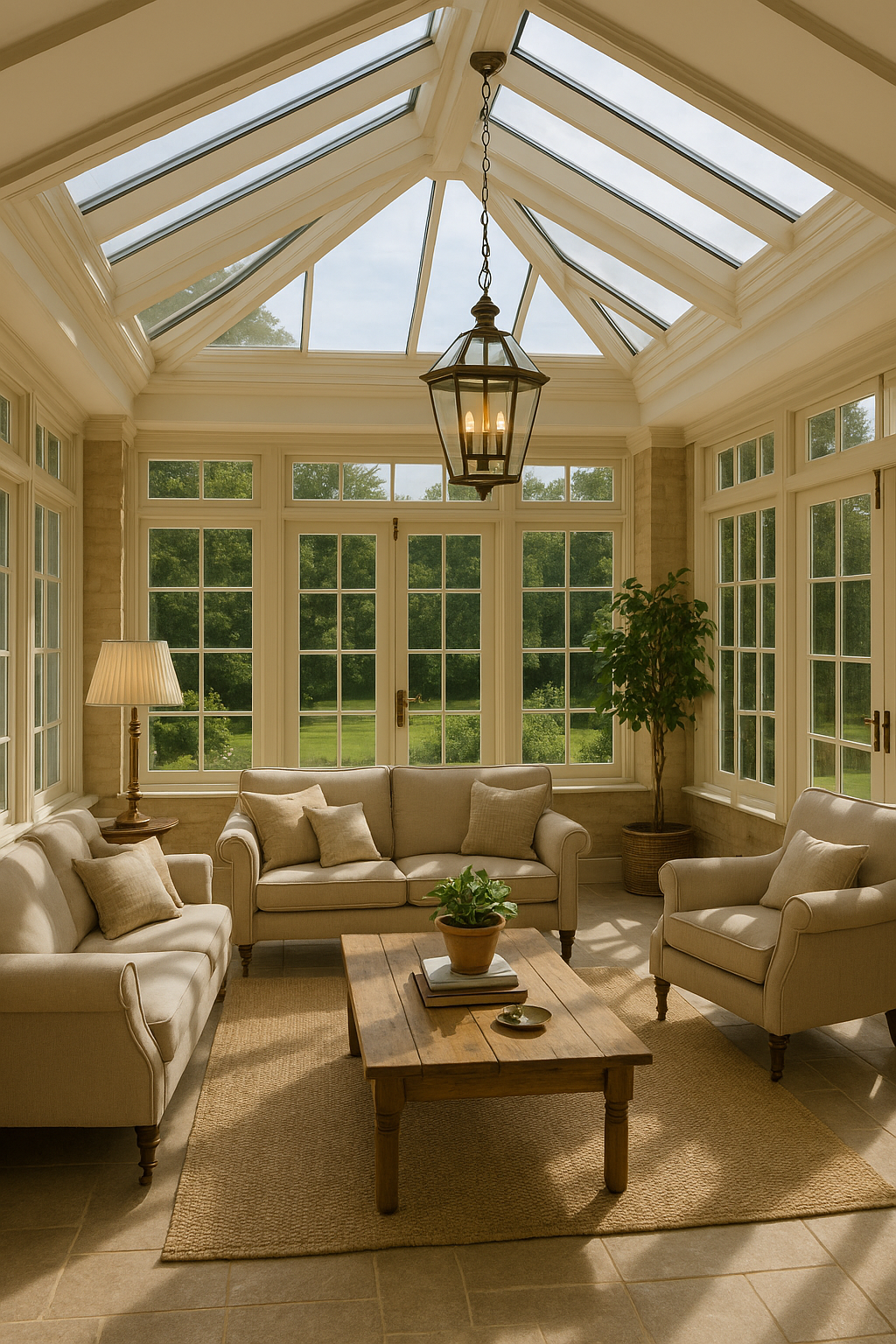
An orangery’s design is defined by a careful balance of architectural structure and natural light. Common features include lantern roofs to draw in daylight along with tall windows framed by brick or stone; neutral, soft colour palettes such as off-whites, greys, or sage greens, enhancing light and space; and coupled with luxury finishes such as timber flooring, elegant furniture, and layered textiles to create a light and open space perfect for lounging and being at one with nature from inside.
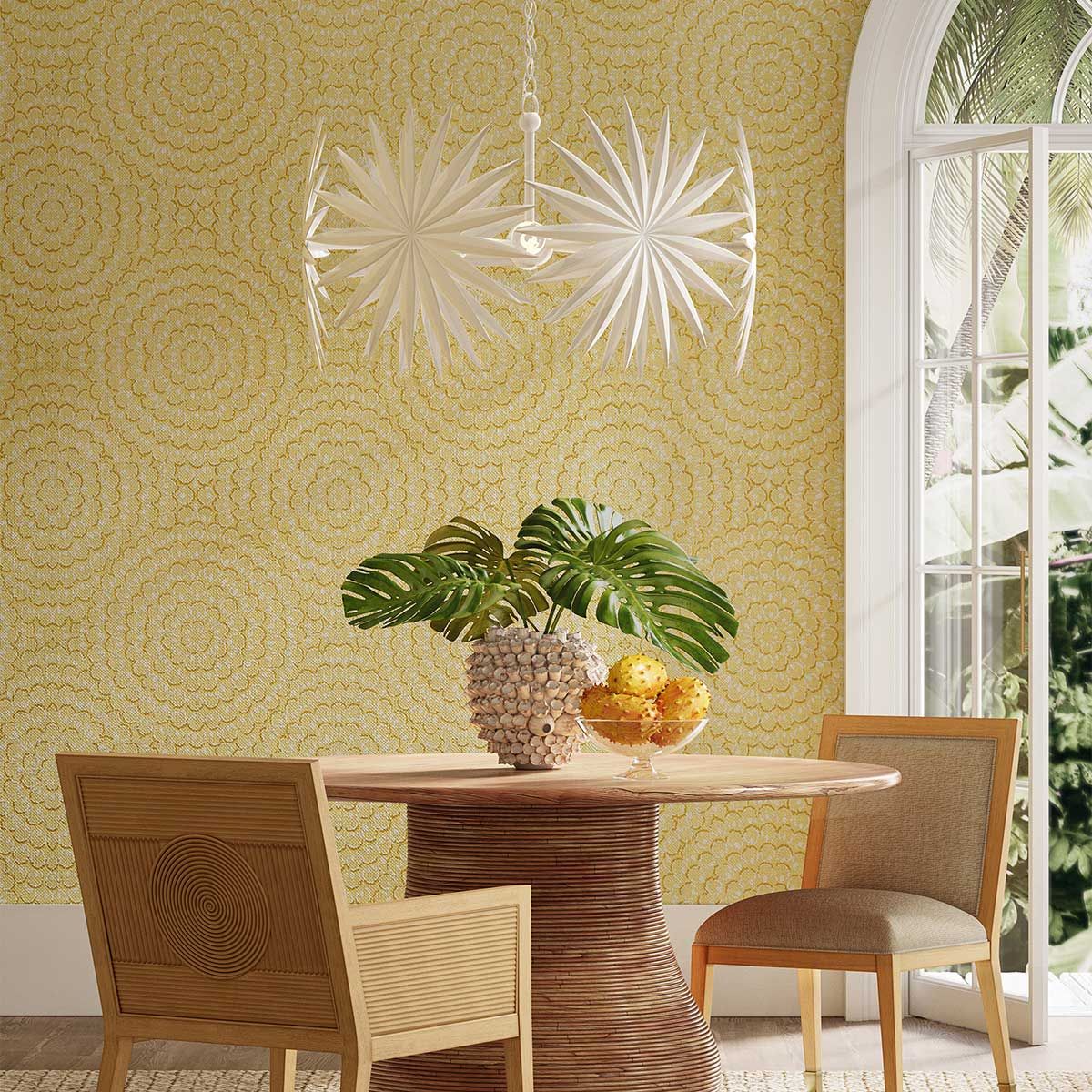
Styling often leans towards timeless elegance, with contemporary touches like biophilic design elements, houseplants, and clean-lined furnishings for a fresh and homely feel. Yet the space can easily be less formal with rattan, bamboo and fabrics to create a natural calming aesthetic.
Key Tips for How to Light an Orangery Effectively
When evening falls, the right lighting transforms an orangery from a bright daytime retreat into a beautifully atmospheric room, with a warming soft glow. Here’s how to light an orangery garden room effectively:
- Layered Lighting
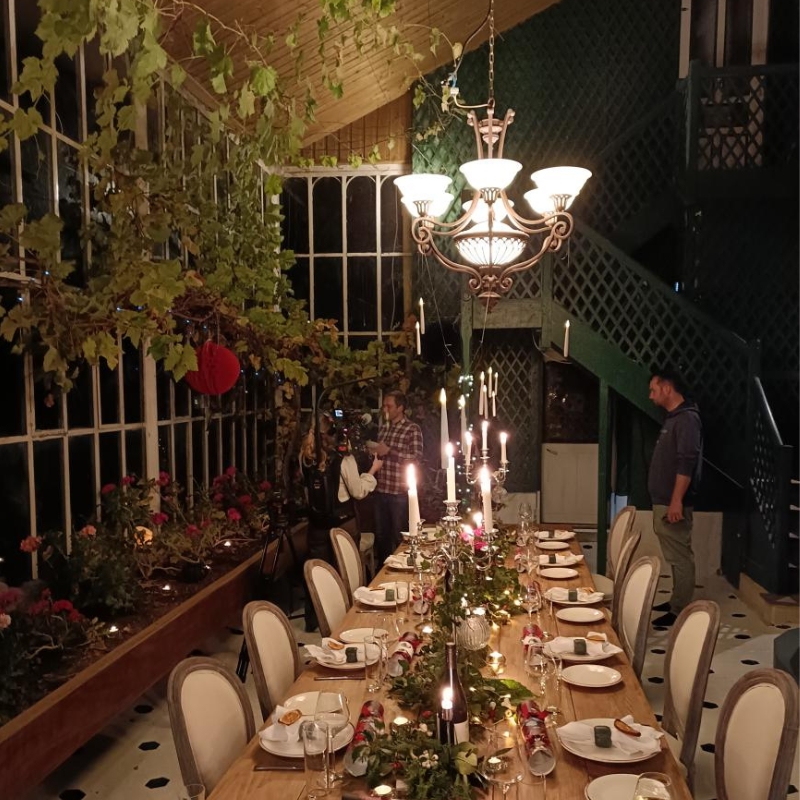
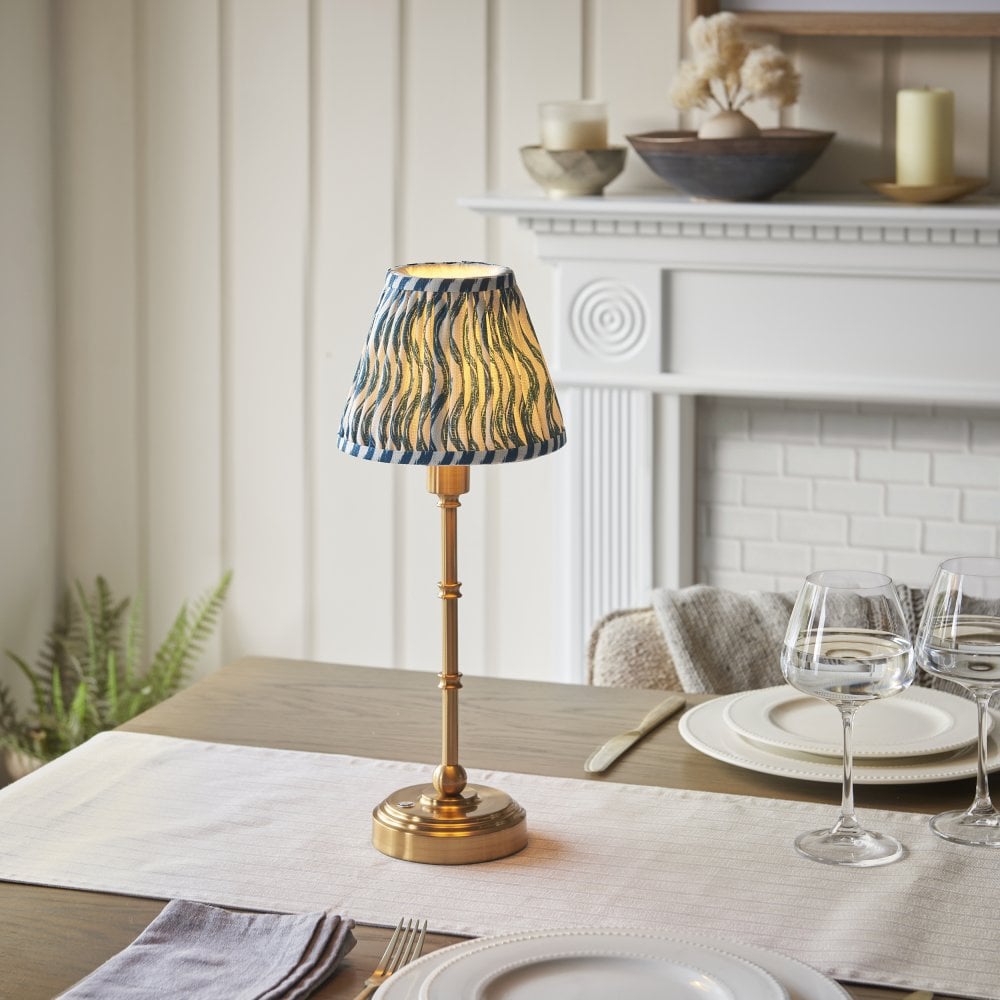
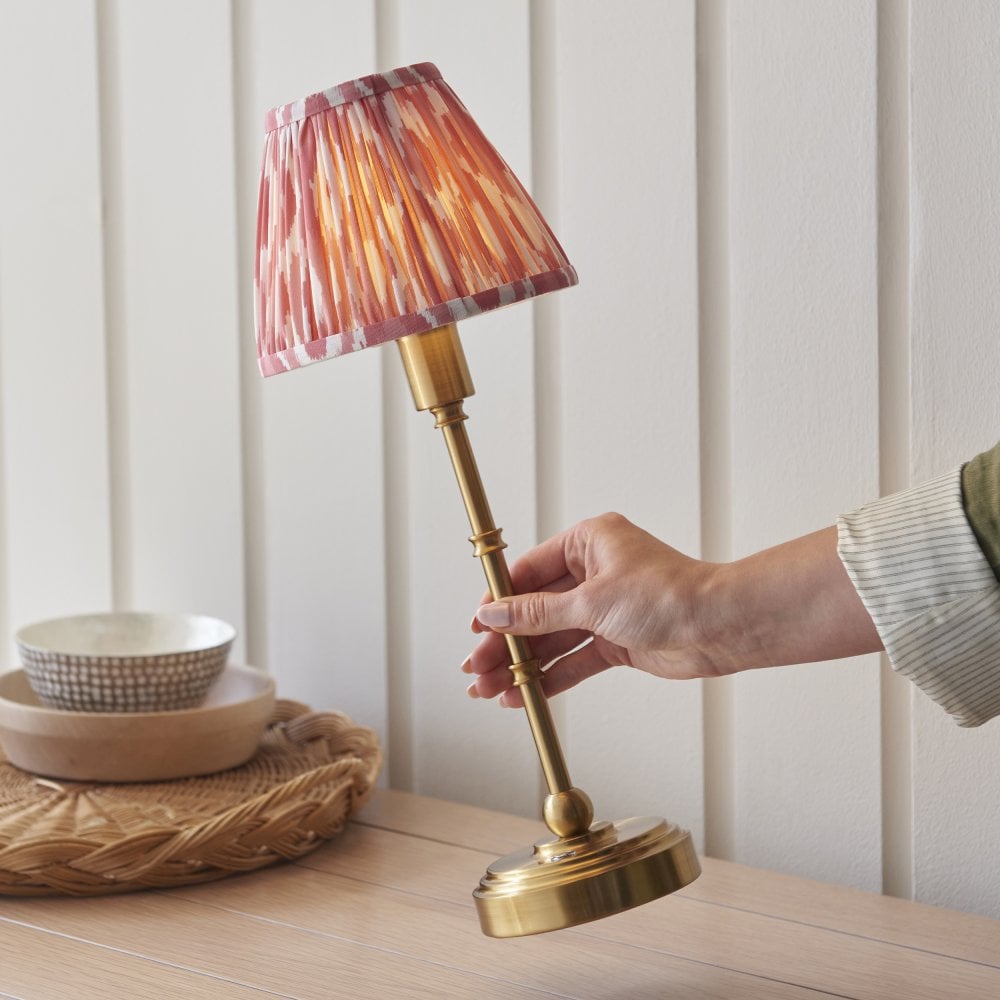
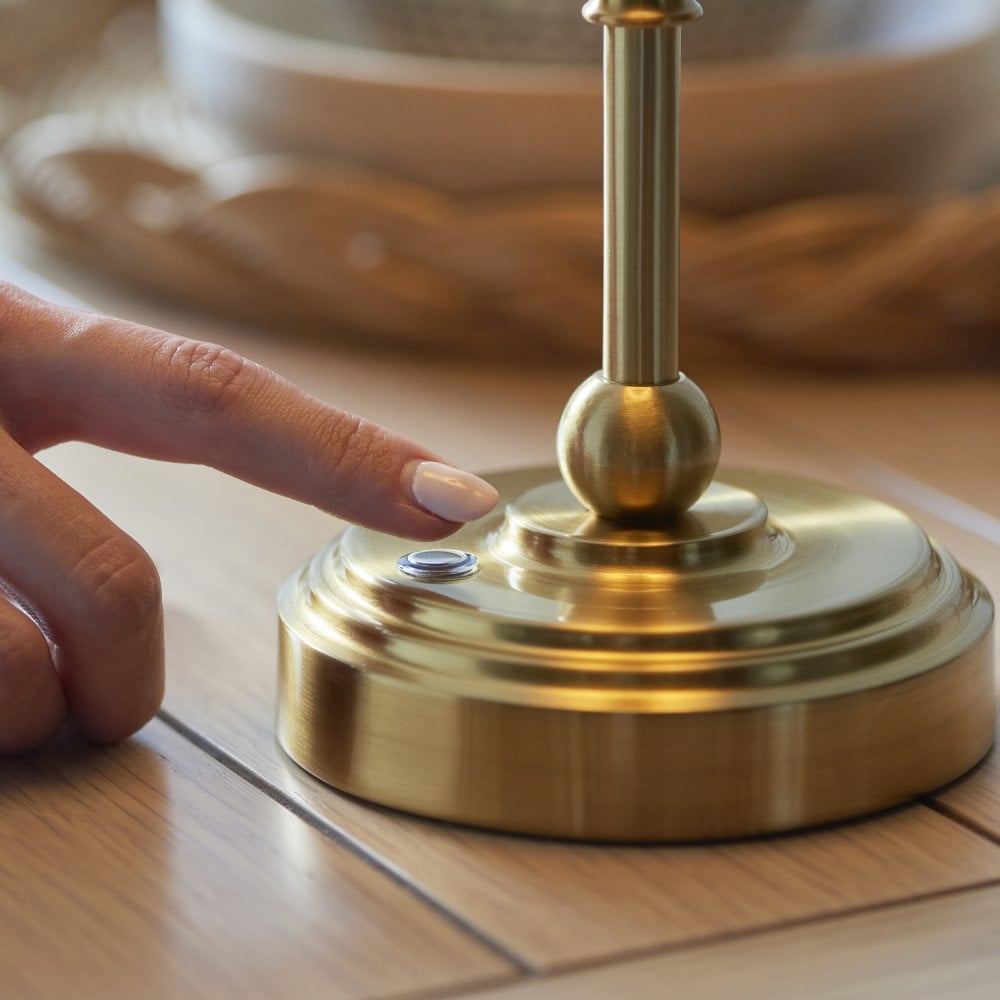
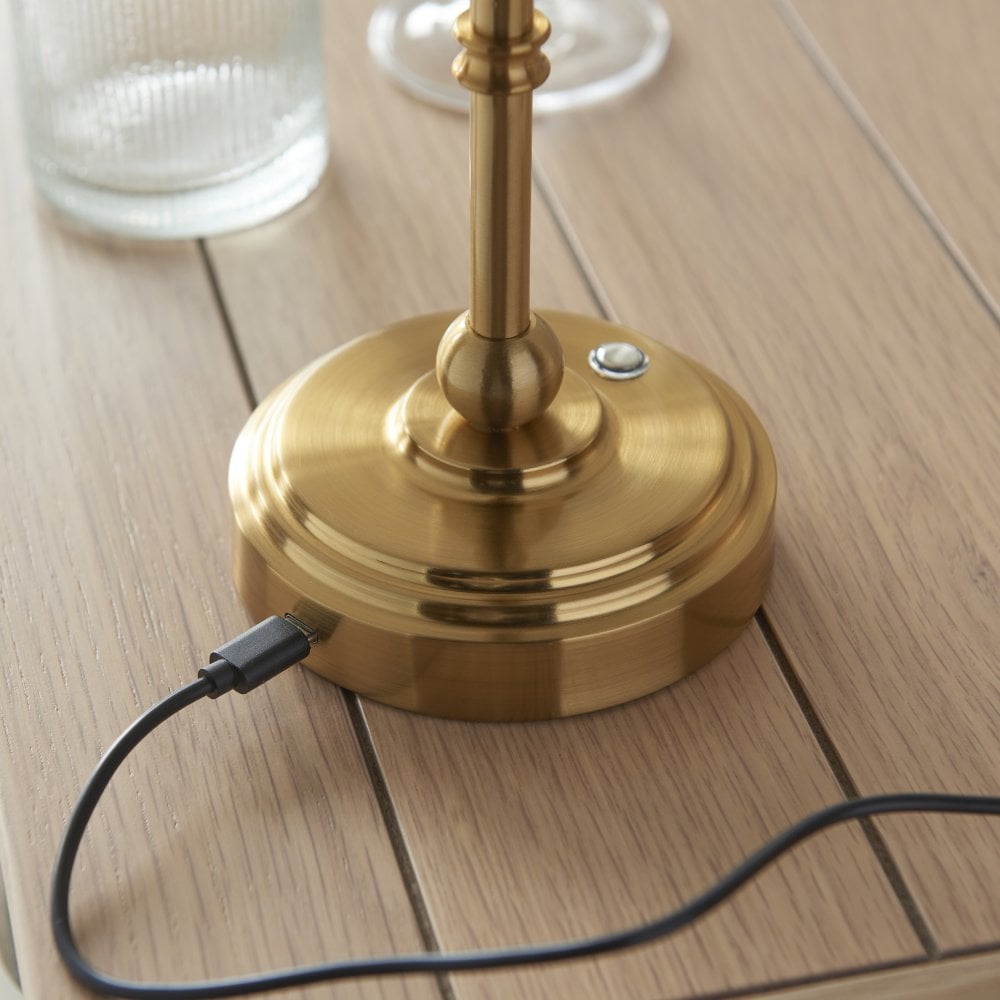
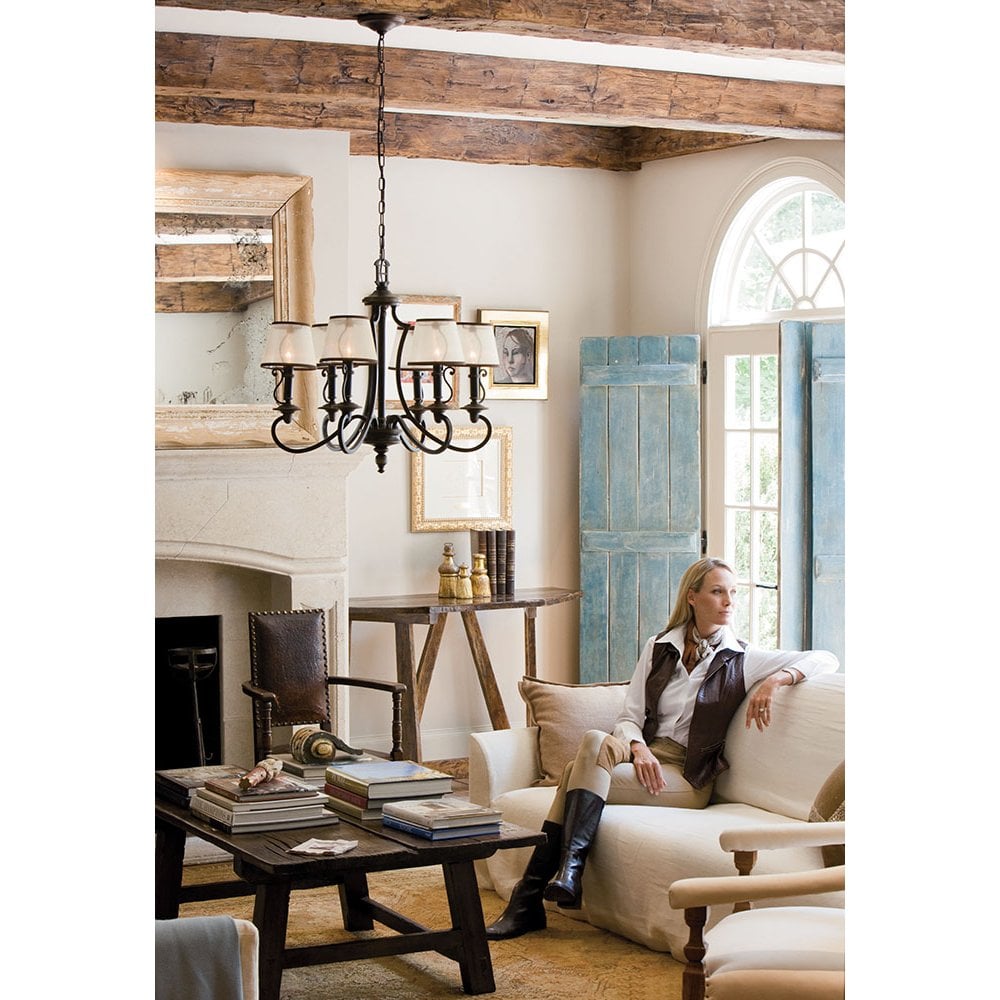
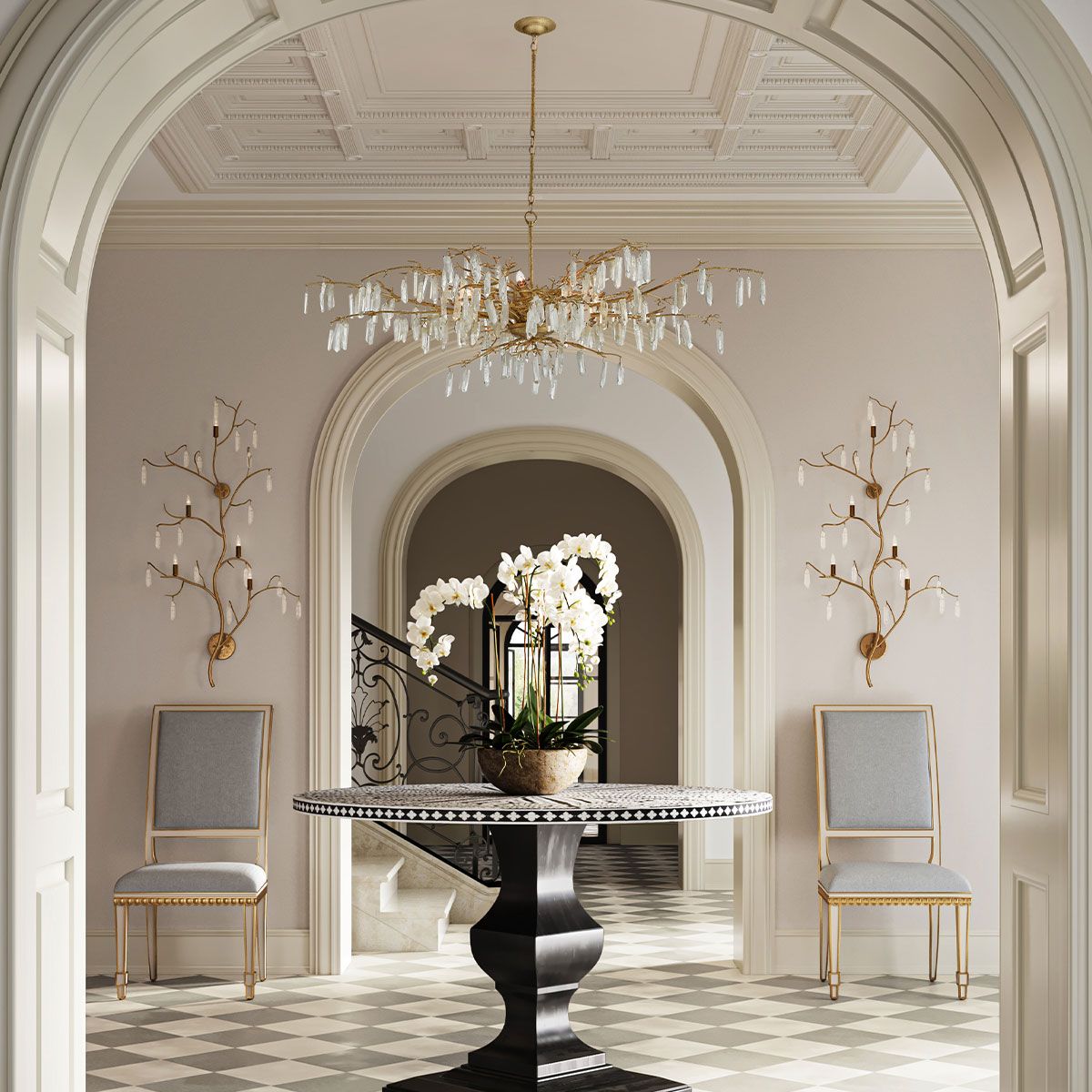
Combine ambient, task, and accent lighting to ensure your orangery feels welcoming and versatile. Ceiling pendants create general light for ambience and atmosphere, while table and floor lamps add practicality and intimacy. Great little additions are rechargeable lamps for table tops instead of candles, useful as no plugs are needed. - Highlight the Architecture
Position wall lights or uplighters to showcase brickwork, panelling, or period features. This not only enhances architectural detail, but creates a cosy evening glow for the ultimate relaxation space. If you have planters consider small spike lights to create a low glow. - Consider Colour and Tone
Warm white LEDs (2700K–3000K) are ideal, offering a soft, golden light that complements natural materials while remaining practical for evening use. Avoid harsh, cool lighting, which can feel clinical and not right for this relaxed setting. - Finish and Fittings
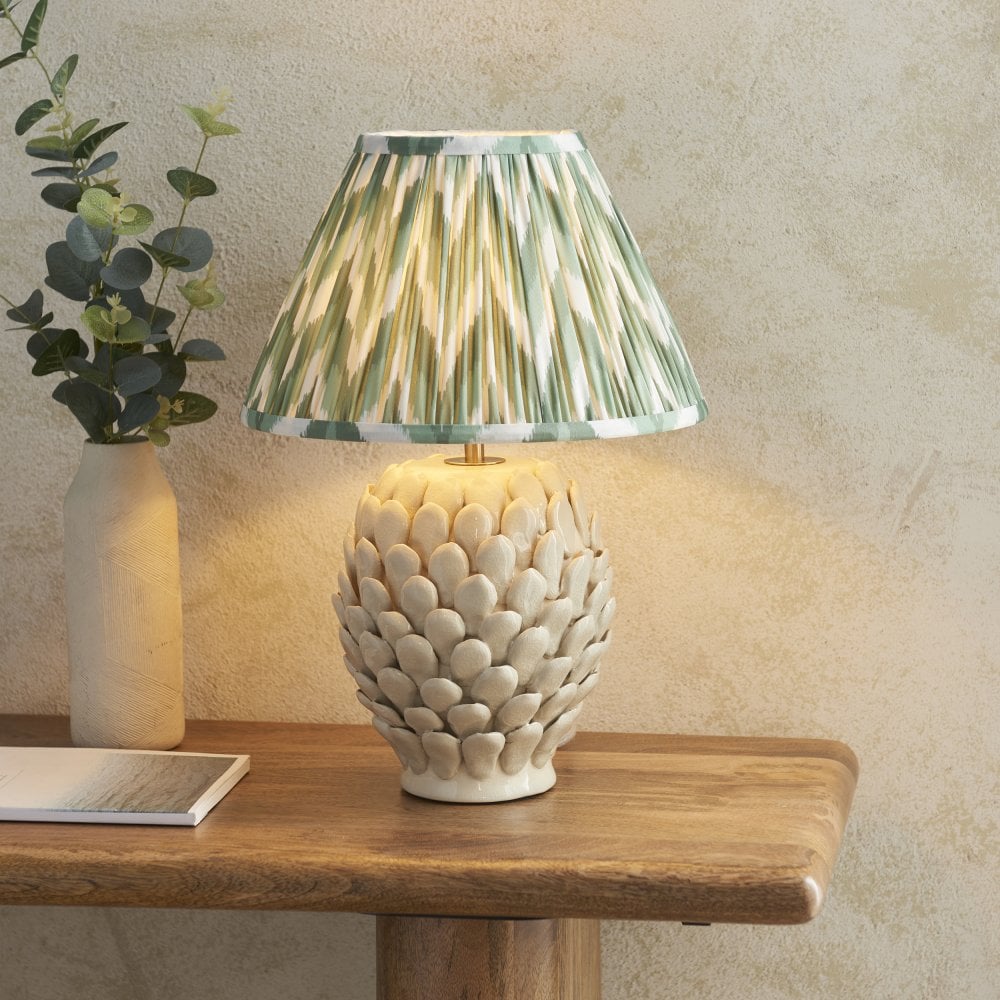
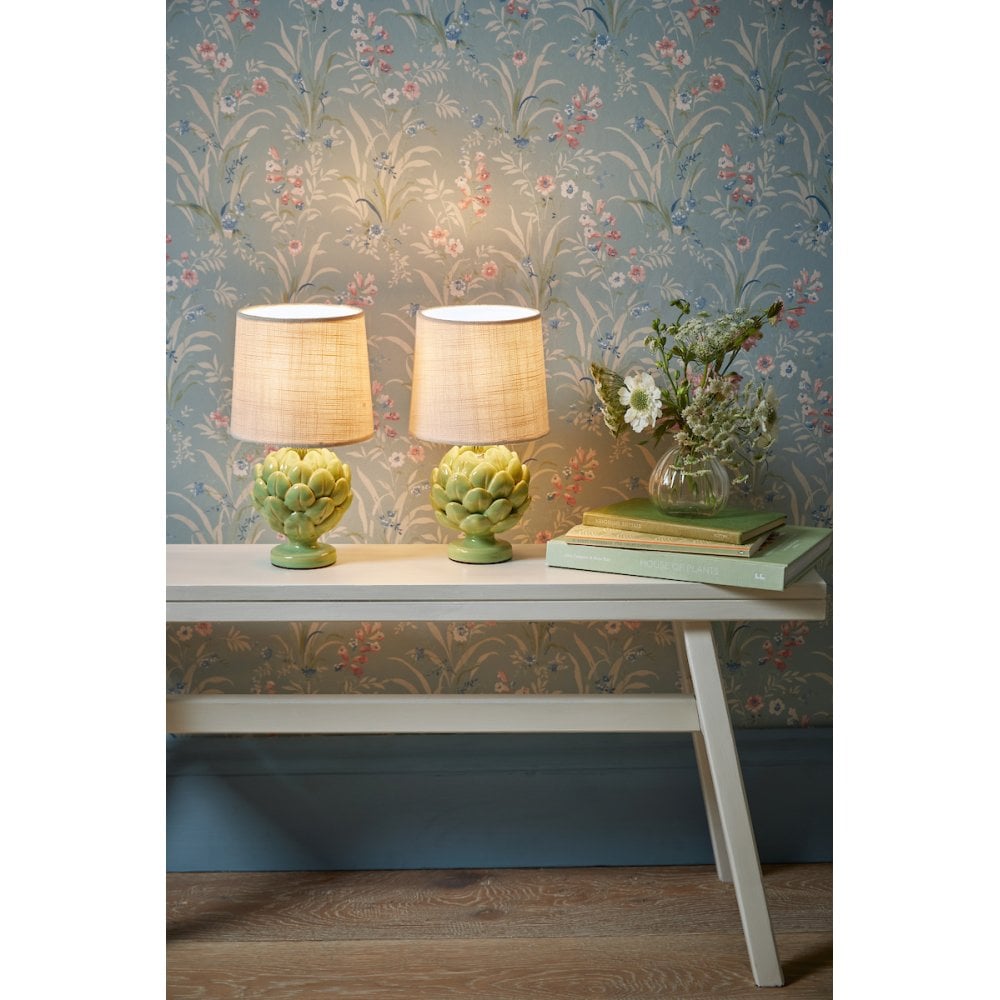
Brass, bronze, or matte black finishes work beautifully with traditional orangery styling, and compliment the warm ambient glow your desire to create. Opt for amber glass or consider coloured and patterned ceramic table lamps for a pop of colour. Brushed steel or clear glass fittings bring a contemporary feel, while natural sustainable materials, like bamboo, give a fresh take on a traditional look, mirroring the freshness of the outdoors. Ultimately, choose fittings that harmonise with your furniture and window frames for a balanced look. - Placement and Balance
Install dimmable fittings to adapt the mood throughout the day. Place lamps near seating areas for reading or conversation, and accent lights to frame focal points like dining tables or garden views.
Practical Challenges: Lighting Sloped or Glazed Orangery Ceilings
When it comes to lighting an orangery, you may come up against some challenges. Orangeries often have pitched, glazed, or limited-ceiling areas and installing conventional ceiling lights can be tricky. Here’s how to overcome those challenges:
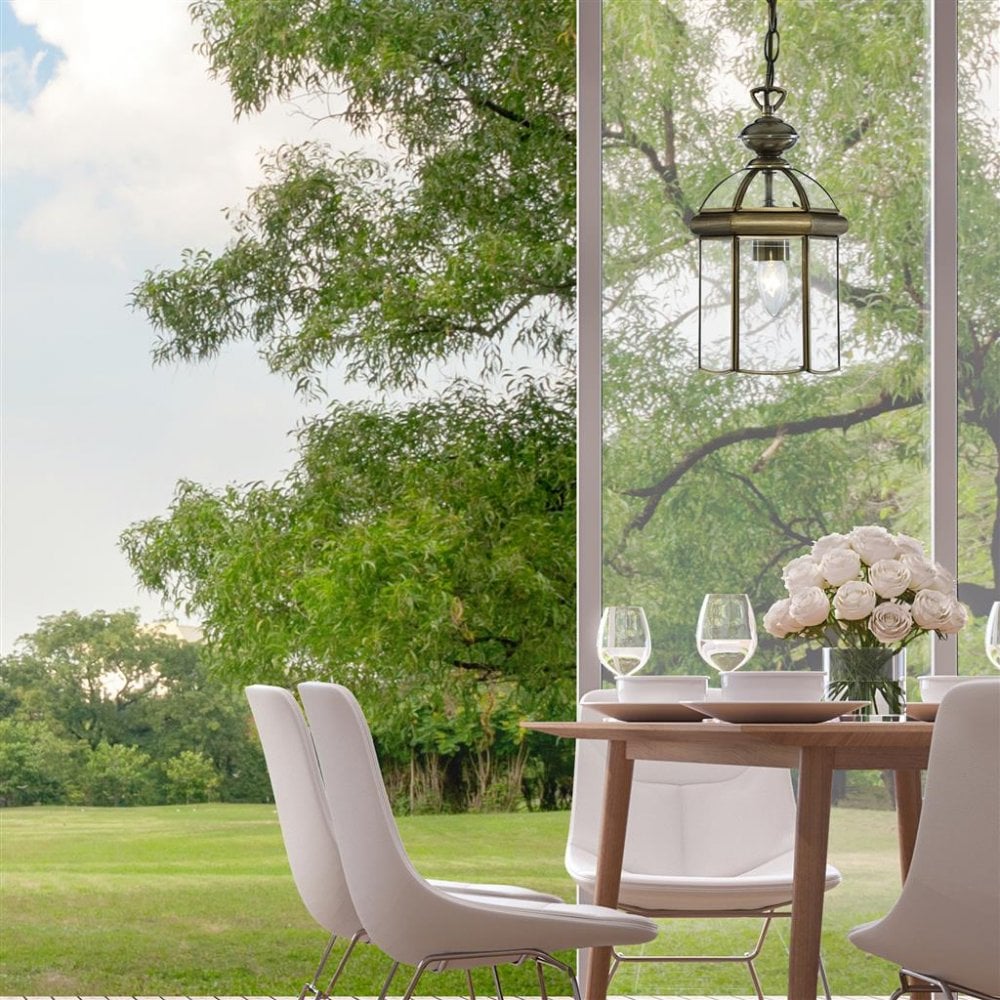
- Limited Mounting Space – if only a small area of solid ceiling is available (often the ridge or perimeter), use smaller ceiling roses or compact mounting plates. Decorative chain-hung lanterns can distribute weight neatly from one secure fixing point.
- Sloped Ceilings – Choose pendant fittings suited to sloped ceilings with swivel or angled canopies so pendants hang straight even on a slope. Alternatively, fix pendants to a vertical drop rod system (sometimes sold as “slope-adaptable” kits). Read our guide for more advice on lighting for sloped ceilings.
- Glazed Roofs – Where glass dominates, consider perimeter lighting on the solid framework: Heritage wall lights mounted along timber or stone piers, or even spot light bars work well. Uplighters or picture lights fixed to beams. For drama, a single central feature lantern at the ridge can work if there is a reinforced fixing point.
- Alternative Mounting Solutions – Use track lighting or linear LED systems fixed discreetly along rafters. These can wash light down walls and highlight plants without needing multiple ceiling penetrations. Plug-in floor uplighters hidden behind planters or furniture add glow without requiring complex installation.
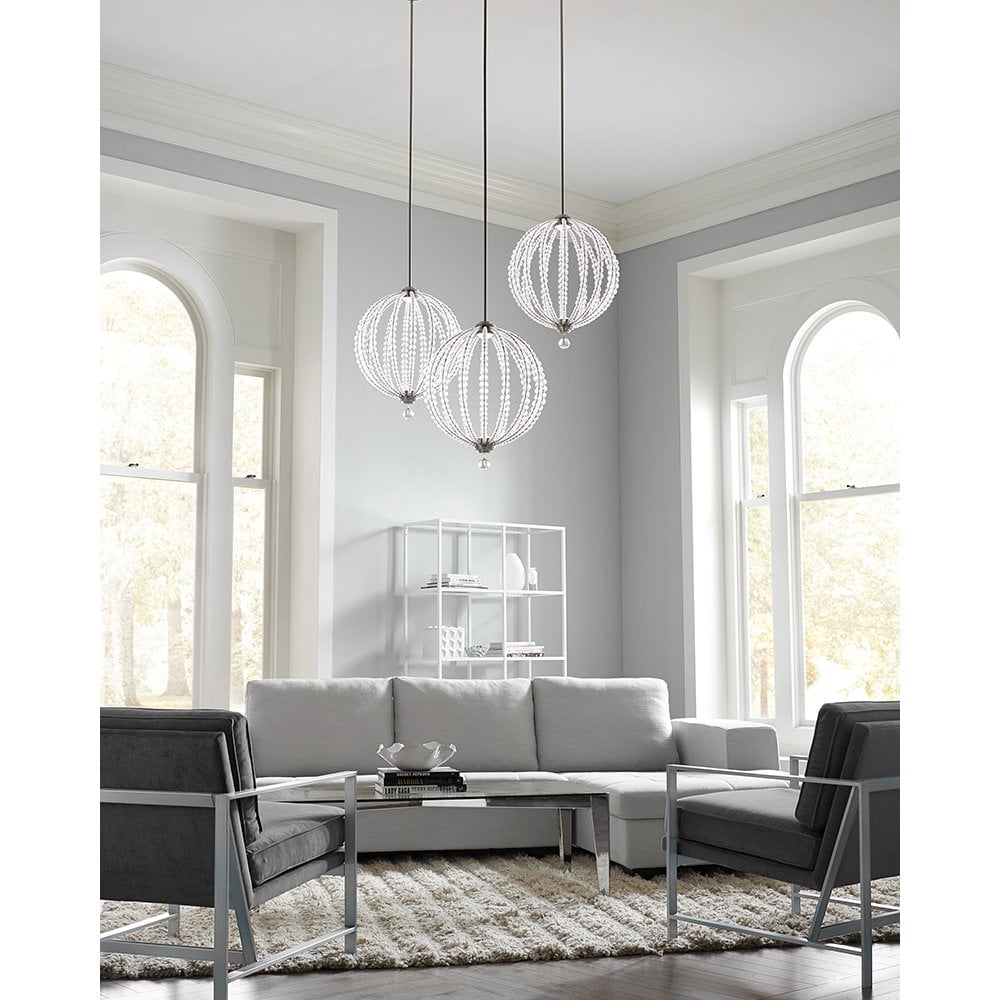
Styling & Décor Accents to Complete the Orangery Look
When considering how to light an orangery, you will also want to consider the interior design and finishing touches to complete your authentic orangery look. Drawing from interior design ideas—particularly for orangeries and conservatories—consider adding:
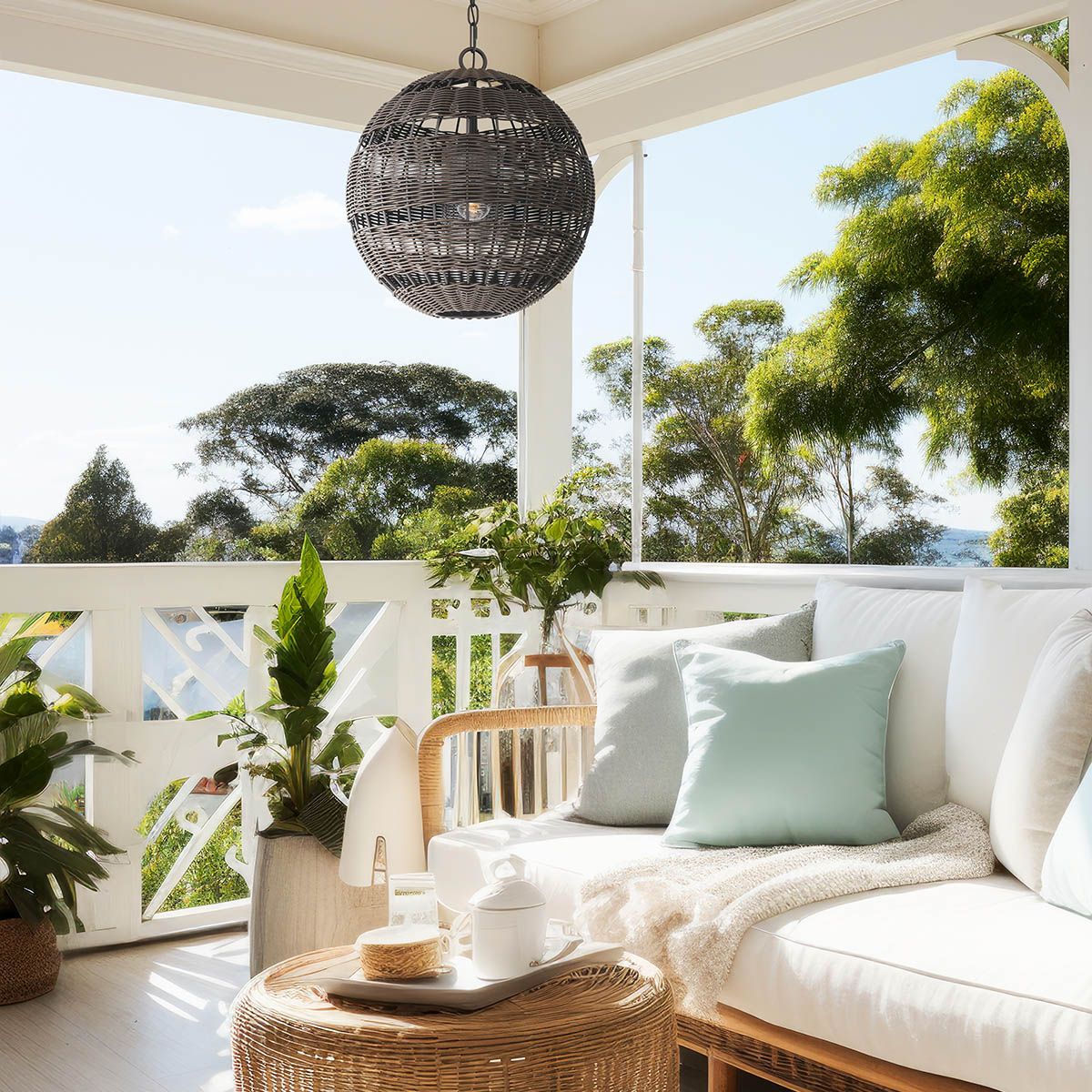
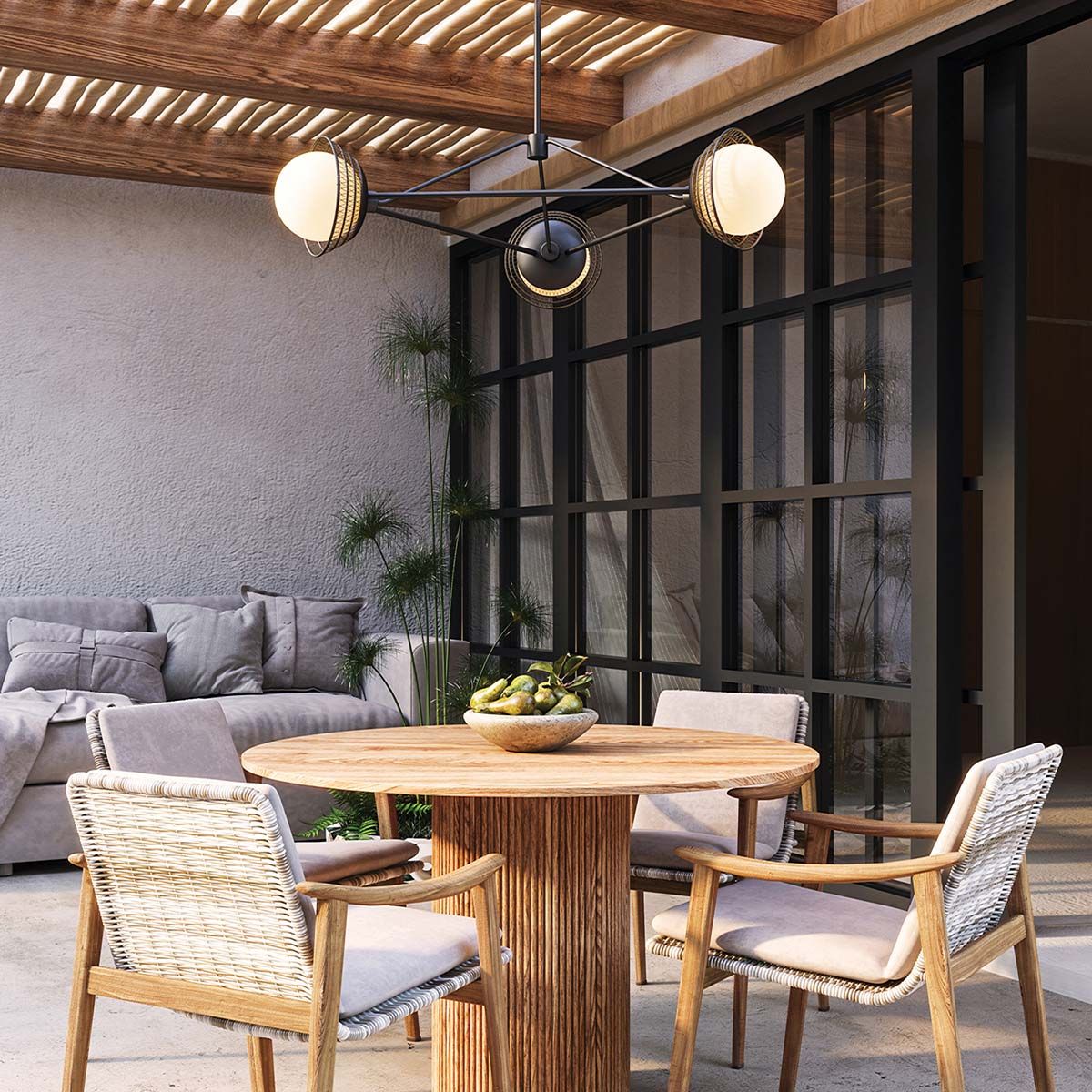
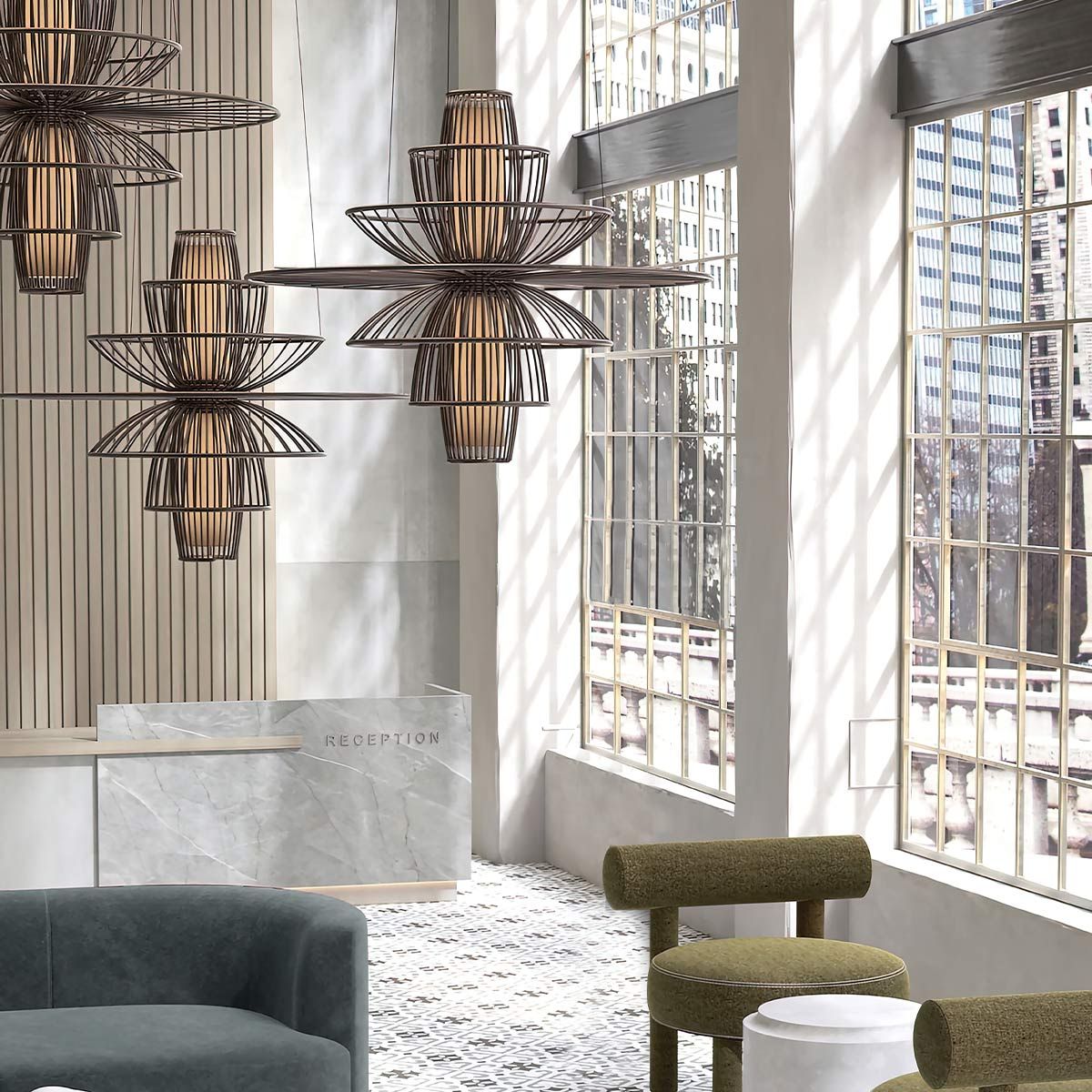
- Soft neutrals and naturals: Use fabrics like linen, in soft greys and creams to maintain brightness and let architectural features shine. These materials age gracefully in natural light and mirror mother nature alongside greens and brown tones. Bring these into your lighting through lamp base and shade choices.
- Texture-rich layers: Add depth, comfort and texture with cushions and throws in textured fabrics such as linen or velvet, and consider subtle patterned fabrics for creating cosy seating zones.
- Pattern and heritage accents: Incorporate classic motifs including botanical prints, subtle florals, or geometric rugs in muted tones to define spaces without distracting from the orangery’s character.
- Natural or reclaimed furniture: To preserve authenticity and timeless appeal, choose antique or reclaimed pieces, weathered wood textures, cane furniture or vintage storage trunks for rustic charm.
- Warm stone or tile floors: Such finishes are not only authentic, and enhance elegance, but they can help retain afternoon heat into the evening.
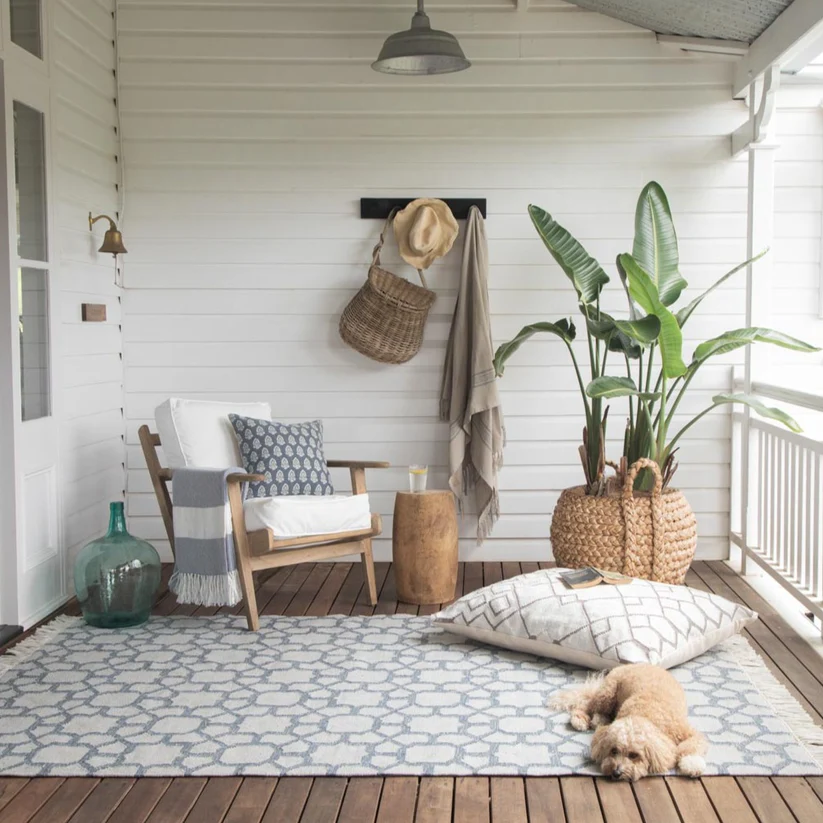
- Soft textile rugs: Place these over stone floors to define seating areas and add warmth, while also protecting heritage surfaces.
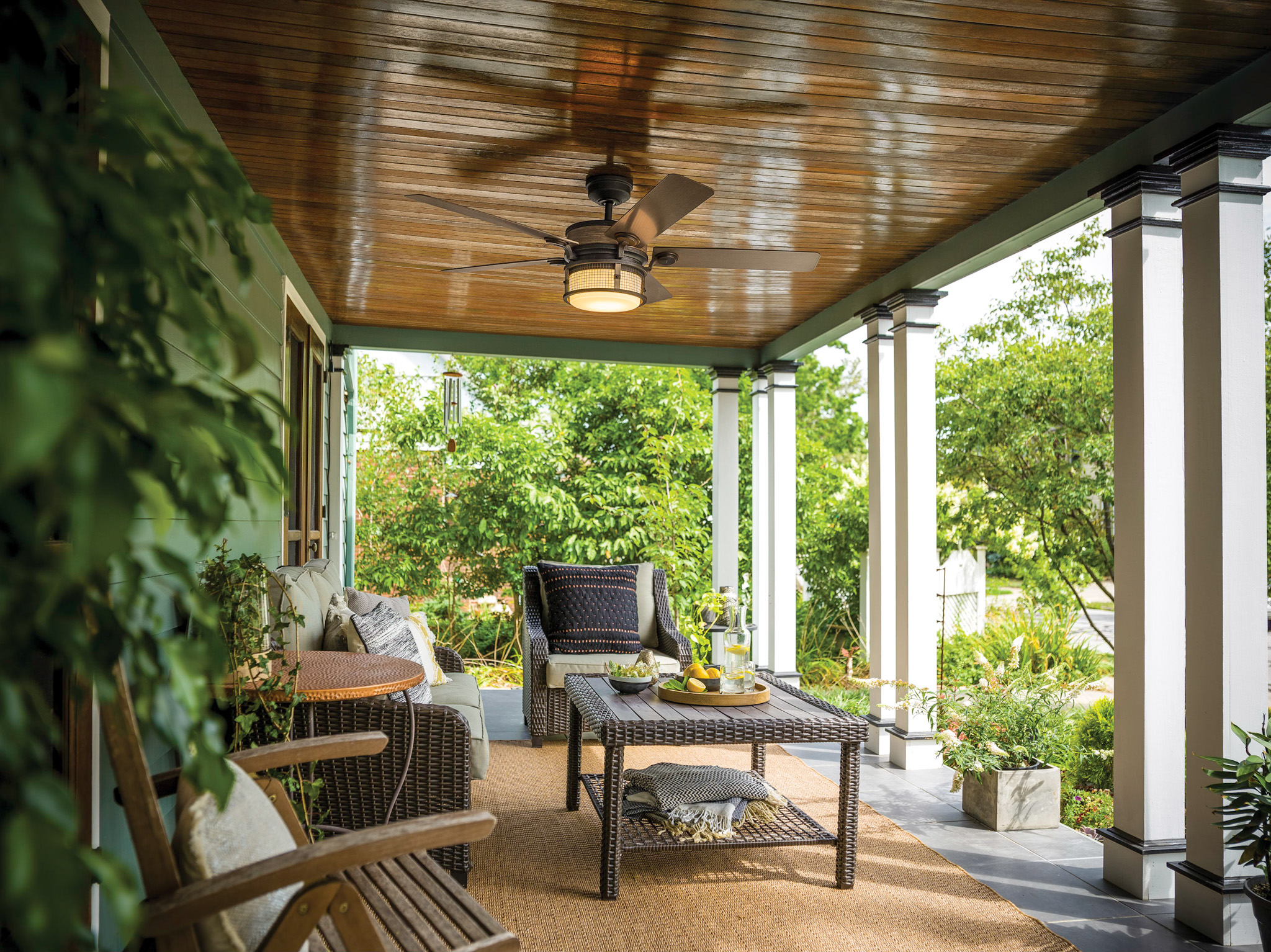
- Consider ventilation add a light or combined fan lights to create air flow during warmer months.
In Summary
The secret to lighting an orangery lies in blending heritage charm with layered practicality. By choosing fittings in warm antique finishes, such as lantern-style pendants and traditional wall or table lamps, you create a timeless glow that enhances both the architecture and atmosphere. Paired with natural textures, soft fabrics, and carefully placed accent pieces, the result is a space that feels elegant, welcoming, and versatile—whether you’re enjoying sunlit mornings or intimate evenings. With thoughtful lighting choices, your orangery becomes not just a room, but the radiant heart of your home.