
Techniques for Creating a Sense of Place

Genius loci is a Latin term that refers to the spirit or essence of a place. It’s an important concept in interior design, as it can help create a sense of connection between a space and its surroundings. This spirit of place is vitally important for hospitality sectors where venues wish to celebrate the spirit of the building and area.
In this guide, we’ll explore the art of genius loci and provide tips and techniques for incorporating it into your interior design concepts. With special attention to the glorious new lighting collection in partnership with English Heritage, which truly captures this spirit.

A brief example of this would be choosing whimsical colourful elements for an English country cottage, matching the essence of these wonderfully wonky buildings with lights that feel equally quaint and inviting.
Understand the history and culture of the location.
To truly capture the genius loci of a location, it’s important to understand its history and culture. Research the area’s past and present, including its architecture, art, and traditions. This will help you incorporate elements that are unique to the location and create a sense of authenticity in your design. Additionally, consider the natural surroundings and how they have influenced the culture and design of the area. By understanding the location, you can create a design that truly captures its essence.
This is integral to the new lighting collection designed in partnership with English Heritage. The dynamic collection explores the rich history and design codes of iconic English Country homes from Osborne House to Marble hill, taking inspiration from the wallpaper to the kitchens. This collection truly captures the essence of British design, eternalising it through a modern interpretation, resulting in pieces which truly reflect the genius loci of England.

Use colour and texture to evoke the environment.
Colour and texture are powerful tools for creating a sense of place in your interior design. Consider the natural surroundings of the location and incorporate colours and textures that reflect them. For example, if you’re designing a space in a coastal town, you may consider using shades of blue and green to evoke the ocean and surrounding landscape. That alone doesn’t bring depth or feel.
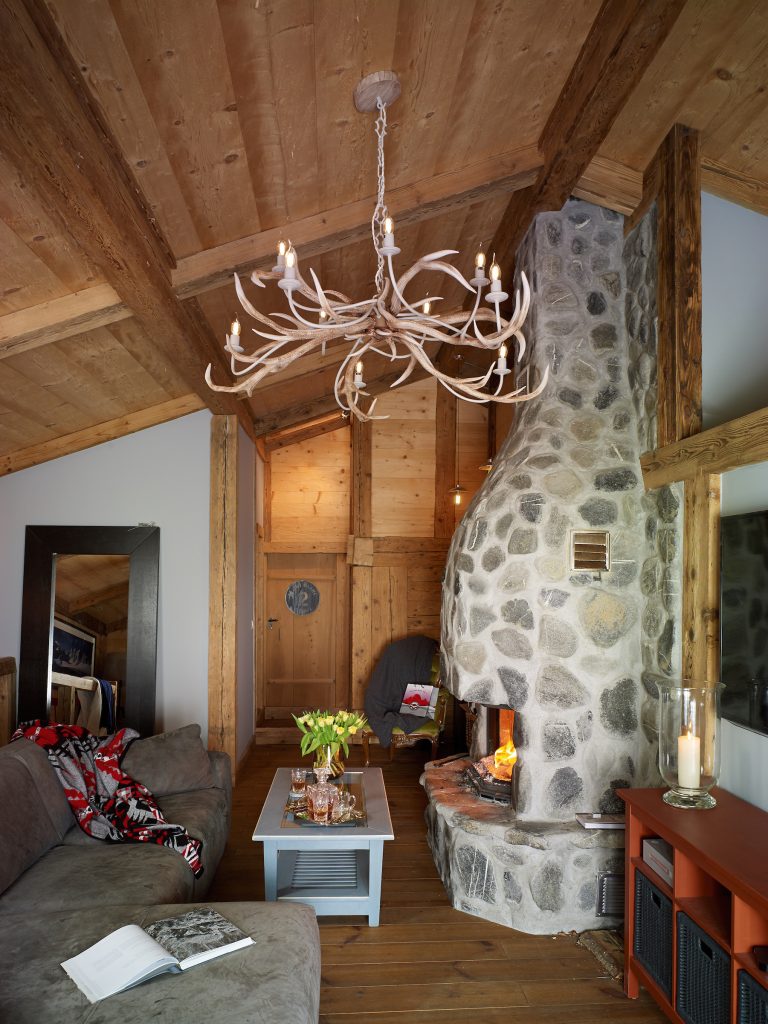
Use natural materials like wood, stone, and woven textiles to add texture and depth to your design it then begins to bring in the senses. By using colour and texture to evoke the environment, you can create a space that feels connected to its surroundings and captures the genius loci of the location. As seen in the above image, the essence of a Scottish hunting lodge is captured in the incredible David Hunt Chandelier, tying all the other elements in the space together and painting a clearer picture of the intention of the room.
Many designers have the ability to instantly connect with the spirit of a place, and some places enforce that spirit upon you. Take the Cotswolds, you can’t fail to feel the design dialogue between the stone used and the calm colours used within the interiors.
Pay attention to lighting.
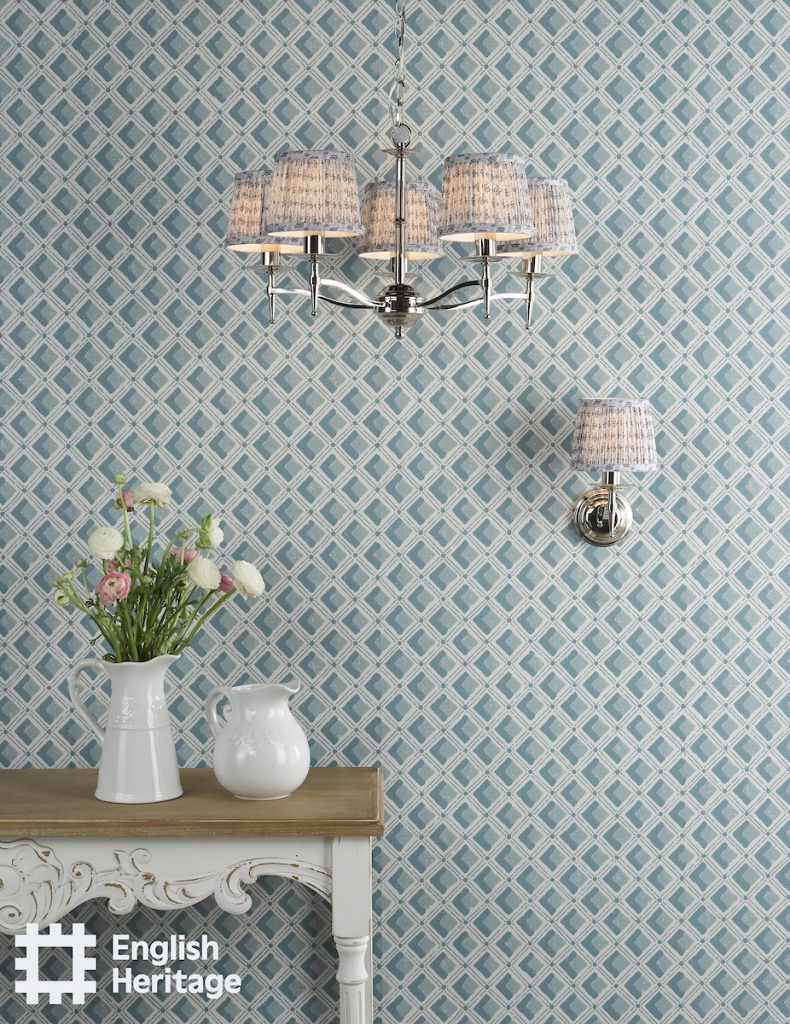
The way light enters a space can greatly impact the mood and atmosphere, so it’s important to consider the direction and intensity of natural light and balance this with the placement of artificial lighting to blend out the imbalances and eliminate shape contrasts.
Some light fixtures will be required for basic illumination these will be discrete and functional whilst others create a striking visual treat.
Whilst talking about lighting it should have a correlation to the interior design and echo the sense of place. By way of example, this range was inspired by the spirit of English Heritage.
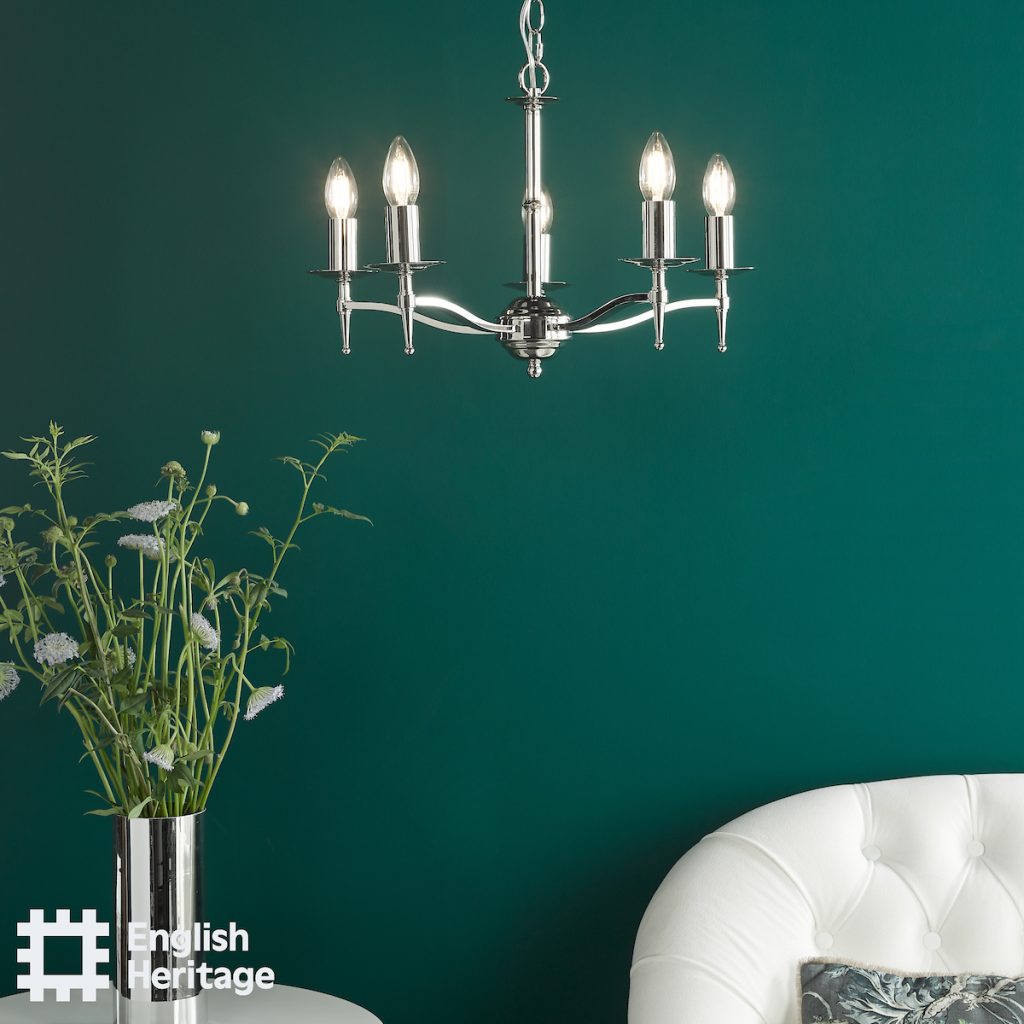
This embodies English Heritage but is not a pastiche of the old styles, it’s embued with a sense of place and whilst it speaks the same design language, it does so with a contemporary dialect. The look can be utilised in both modern and traditional spaces easily and adds energy and elegance to enhance both styles.
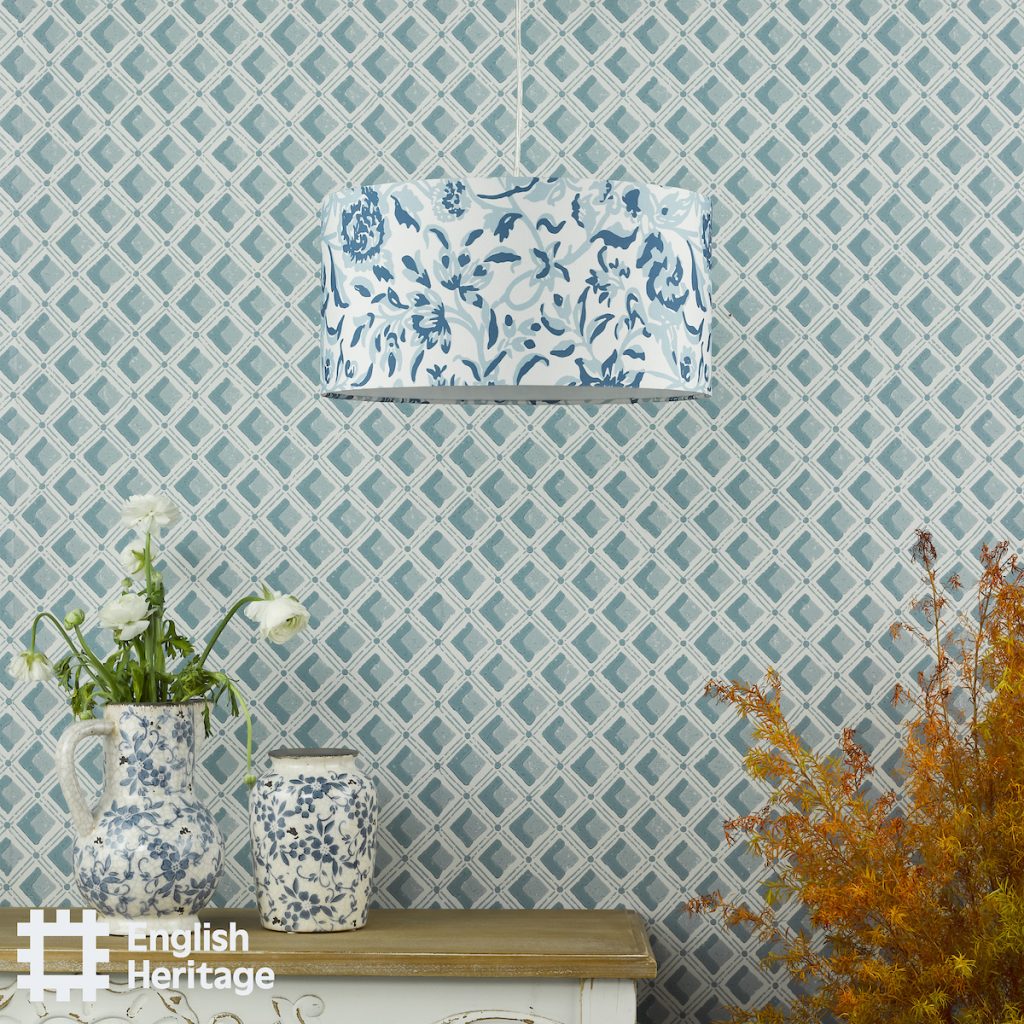
As a creative designer, you understand the premise of taking a design to new heights. It is much like a client’s brief it’s a starting place, evolving it into something greater through the depth of understanding of the creative process and reconceptualising it.
On occasions, some building and client briefs are so unique (or challenging) that a bespoke lighting option is required to capitalise on the opportunity of creating an award-winning design or a least one that satisfies the client’s ambitions for the space. In these cases partnering with a collaborative creative lighting supplier is useful. Understanding their capability and expertise allows your ideas for bespoke lighting to be realised.

Bespoke lighting is available at LightingCompany.co.uk
Spacial Arrangement
Additionally, the spatial arrangement of furniture and decor can create a sense of flow and connection to the surrounding environment. Consider the views from different angles and how the space will be used when arranging furniture and decor. By paying attention to these details, you can create a space that not only looks beautiful but also captures the spirit of its location.