A Guide to Home Lighting Ideas
The Lighting Company has a wealth of experience in home lighting. If you need help with home lighting or ideas for lighting your home or business the Lighting Company has loads of knowledge and expertise that they are happy to share with you.
The Lighting Company understand it can be a little daunting when you are lighting a room and even more scary when it’s a whole house.
The first thing to know is that there are no set rules. Everyone has a different idea about what type of lights they like and the level of light that is pleasing to them. Of course we have some pointers to help you find the best blend of styles and functionality.
Some people like pockets of light for a homely feel and others a bright and airy feel. Whatever you prefer it’s worth building a degree of flexibility into your design so you can change the feel and ambience of the room if, and when you want to.
Don’t be fooled into thinking that home lighting is difficult, it isn't! A few hints, tips and trade secrets will have your lighting design looking good.
Size Is Everything.....
Consider the size of the room before doing anything. This may sound silly, but lots of people just don’t. Perhaps because we all remember the days when you just had a light bulb hanging in the middle of the room and that was that.
We have a handy room size calculator to help you decide the size of the light within the room. Do measure carefully though, as you may want a smaller or larger light fitting depending on your style and taste.

Some say a bare hanging bulb seemed to do the job. The bulb was probably a much brighter bulb than we have today. It may have been as much as a 150 watt bulb (now banned). Did it really do the job anyway? We expect a little more from our lighting these days.
The light fitting has become part of the decoration in the room and is not there just there to give light. Having said that, it is part of a light fitting's job description to provide light - so what job do you want it to provide for you?
How much light is need in the room? Here is a little formula to give you a good starting point.
For example a room 4 meters by 3 meters will be 12 square meters
4 x 3 = 12 meters square
Times the metre squared area by 250. This will give you the total number of lumens required to light this space.
12 x 250 = 3000 lumens

Don't Lose your Head.....
Don’t forget to measure your ceiling height as not all ceiling heights are the same. You don’t want to fit a light that hangs too low or a light that is so high that you need to hire scaffolding, or you’ll need to buy a big ladder to change a bulb.
At The Lighting Company we have Lights for High Ceilings and Lights for Low Ceilings but it's worth working out the minimum and maximum height at which your light fitting can hang.
Separate zones is a good idea if you are wiring from scratch, but if not install dimmers, this give you the ability to create the right mood for the task you are performing be that an intricate tasks where you need brighter light or a mellow relaxing light level the choice and ability to switch thing up is essential.
Dare to be different!
Decide if you want a similar look to each room or if you want to change the look in each space. The choice is yours you don’t have to conform to anyone’s idea of what’s right. Having said that it can sometimes be tricky to consider to settle on a particular look when you feel there is so much at stake. As a guide if you have an open plan space do try to have some commonality between lights within the same space. It can be a colour of metal or the colour and shapes.
Transitional Lighting
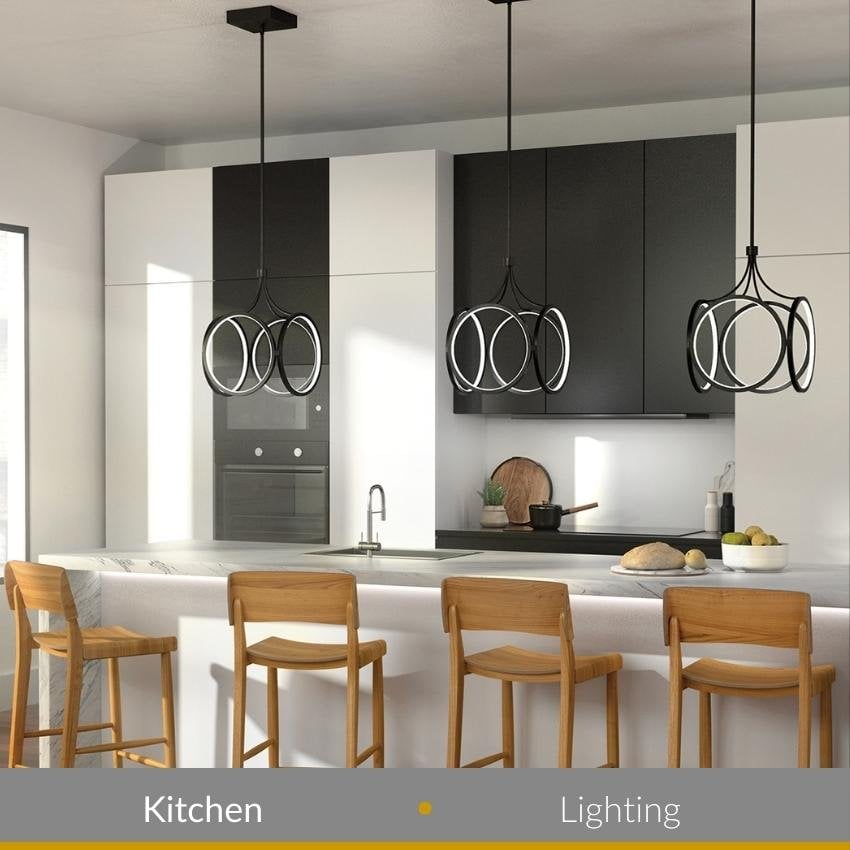
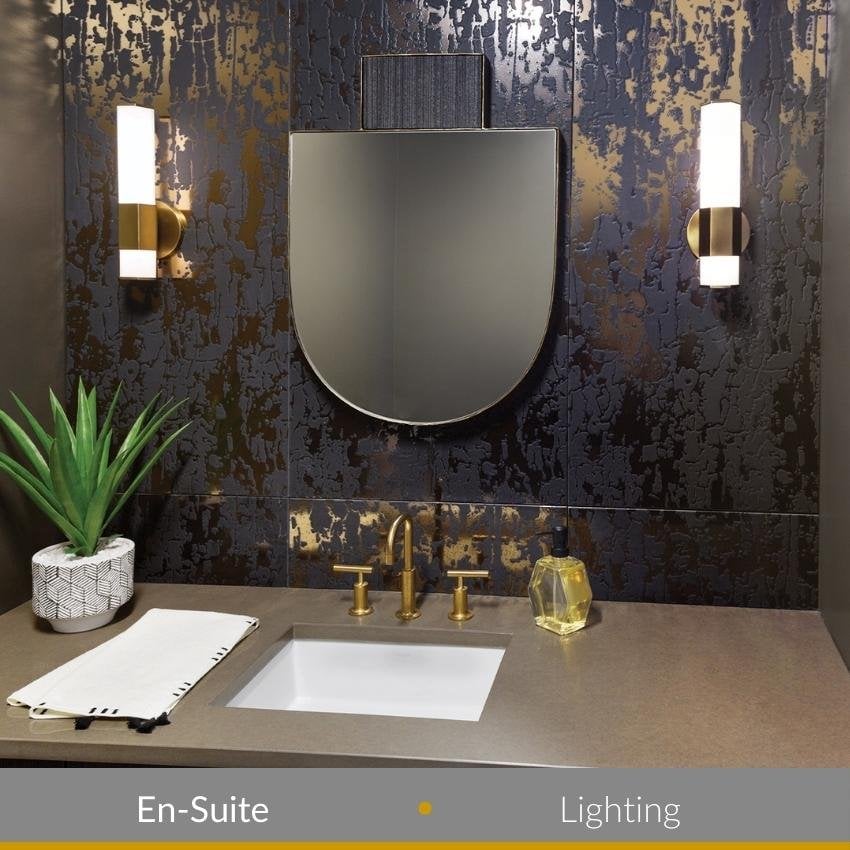
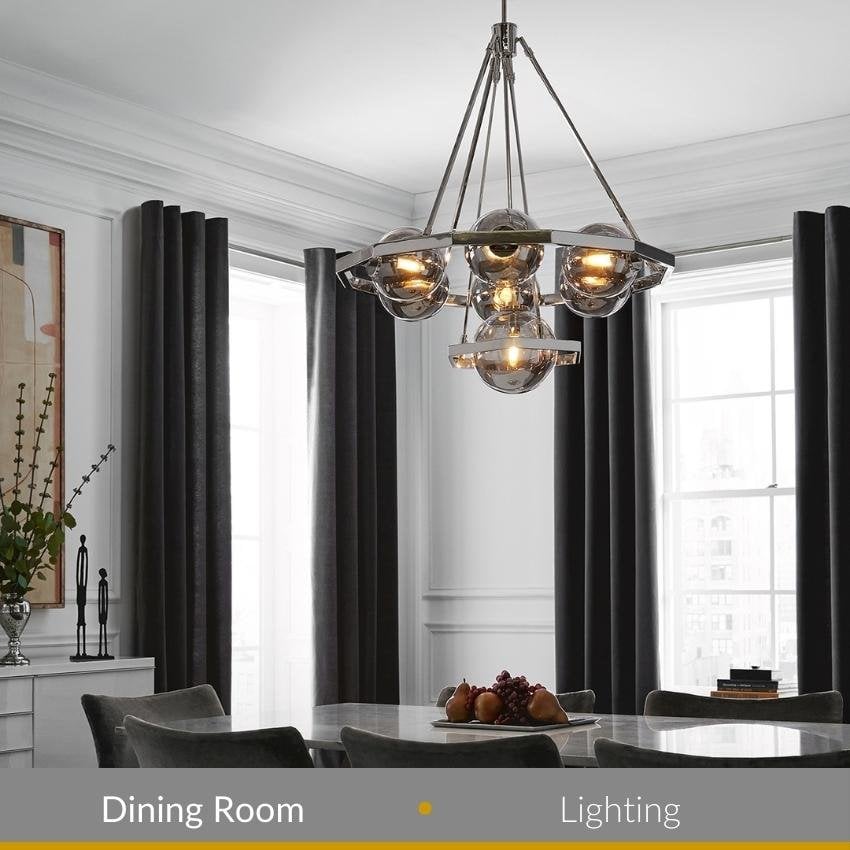
By transitional we mean lights that link either two different styles or colours together. For example if you have black lights in the kitchen and the dining room is off the kitchen you may want to consider a black and gold light in the dining room which keeps the black but enlivens and makes it a bit more glam with the additional of gold for the dining room.
Transition lights help to blend era’s together. For example if you have a very old cottage with beams and you’ve added an extension which is ultra modern, you could go for a transitional light. That is a more modern light but uses a dark wood in the detail. This little touch helps join up the look between one part of the property and the other newer part. Transitional lights are used a lot to bring a more modern look to older homes whilst keeping some of the spirit of the heritage of the building.
Matching everything isn’t always a good thing. Too many lights of one type can become a bit ‘same-y’ Here are some idea for co-ordinating styles whilst they have a similar look and feel they are a bit more interesting and dynamic.>> Explore co-ordinated lighting
Ceiling Heights
If the ceiling is very high consider increasing the light level. A light fitting with more bulbs or extra table lamps will help. If the room is to be painted in dark colours you will also need to increase your light level as dark colours absorb light, whilst lighter colours help to reflect light.
Consider how the room will be used and what function should each light perform?
Open plan living and multi functional rooms will need special consideration.
For example, you may need different types of light for specific functions. A kitchen/diner will need brighter lights, such as spotlights, for the food preparation area. You don’t want to be chopping the veg, in a dimly lit room, ouch!
On the other hand you may want to incorporate a dimmer for a more atmospheric light for that romantic dinner if you eat in the kitchen.
In all lighting designs it is recommended that you have layers of light. This will also provide you with the flexibility to control your light and create a different ambience and feel in the room.
Layers of light
So what is meant by layers of light? This is simply a good general light level plus mood lights for areas of interest and task lighting for reading, homework, cleaning and cooking where a good strong light is needed.
General light - sometimes described as ambient lighting. This is typically a central light but not always. Some period properties have mainly wall lights as their general light. A general light is the light that you switch on to give you enough light to see when you are in the room.
Mood lighting - this may be table lamps, wall lights or picture lights that give added interest and highlight interesting objects or features within the room. This level of light is the most creative and allows you to put some depth, charm and personality into the room. This is the bit that is the most fun and also the bit most people worry about. It may be worth wandering around the room with a lamp and trying it in different places. Hold it in close to the wall, at lower levels, next to your favourite object and feature in the room and if you like the effect try to replicate it with either fixed wall lights or table lamps. It may be worth talking to us if you are looking for a particular lighting effect as we may have other suggestions or know of new products that could help you achieve the look you want.
Finally task lights - this is a brighter light where you need it and when you need it. The most common use of task lighting is as a reading light. This could be a floor lamp next to the arm chair, a desk light or a bedside table lamp. And don’t forget the kitchen - maybe some under cupboard lighting to give lots of light on the worktops or a good strong light above the sink or cooker, so you are not working in shadows.
Lighting has improved so much and there is a lot to think about when lighting a room but we’ve a few of our favourite schemes for every room on our INSPO boards.