
An Energy Saving Masterclass
Fuel costs have increased over recent months and this is set to continiue. This will of course have an impact on all of our pockets. These price hikes and the fact the earths natural resources are being depleted, has naturally turned our attention to saving energy. What can we do to help reduce the cost to ourselves whilst keeping in mind natures requirements?
Let’s be honest, many of us understand saving energy is important, and we’ve been aware for a while, we may not have taken as much action as we intended to. Now, as the escalating costs start to hit our pockets hard, it is the perfect time to make some changes within our homes.
Some of the biggest costs within the home are heating, cooking and lighting.
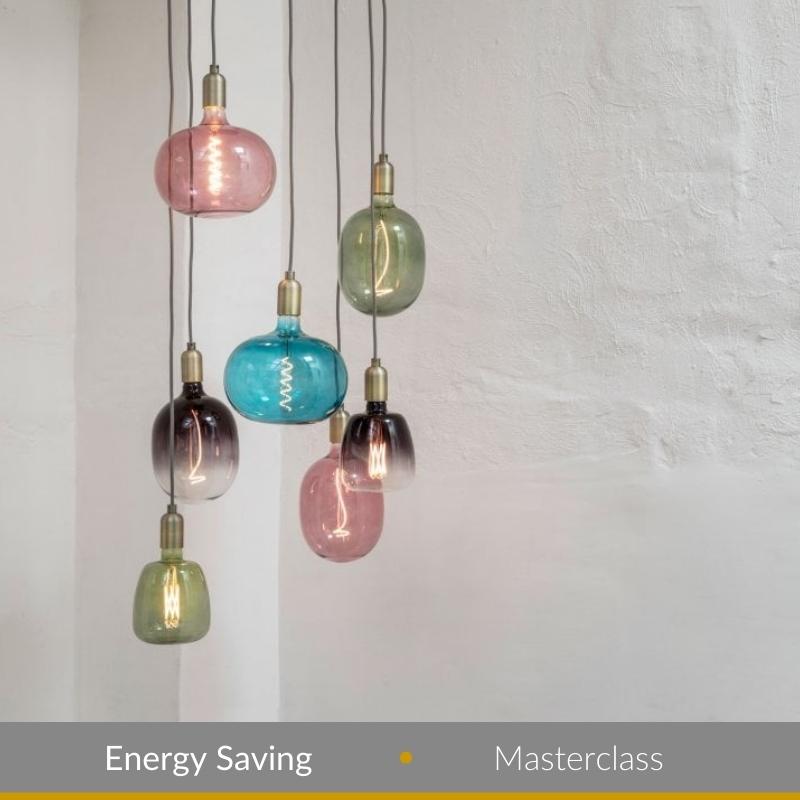
One of the easiest changes is to reduce the spend on running your lighting. If you haven’t yet switched out your old style bulbs, now is the time to be replacing them for LED. It doesn’t save money if you are using incandescent. You’ll be shocked to know the costs of running an incandescent bulb.
CFL’s (compact fluorescents) were once hailed as the savours of reduced energy costs, but they are now outdated technology. Only LED bulbs are classed as energy saving now. LED bulbs give more brightness for less energy usage. Swapping to LED bulbs from incandescent can save up to 90% of the energy used – that equates up to 90% less spend on lighting your home too.
It used to be a joke that we’d all be going back to using candles, but in all honesty, the costs over time to burn candles now is more expensive than running LED’s!
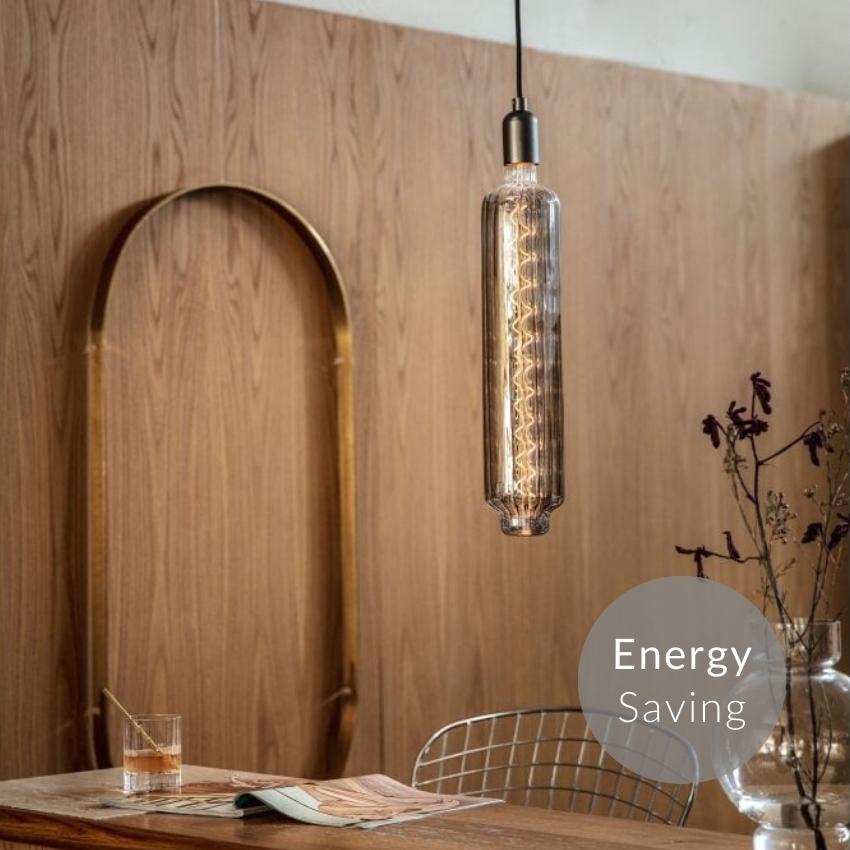
Shop the range of latest energy saving LED bulbs.
Harness the sun’s natural resources
Solar panels are a great idea and are potentially worth installing – if you have the funds for a large investment. They are worth considering if you can wait for the payback, as this will not be an instant saving.
Payback this is the phrase used when a large investment purchase starts reaping the rewards. Where the saving on the energy has paid you back the cost of the investment. We use this term payback with any investment you make to save energy. The costs to buying an LED light bulbs are obviously much less than the investment in roof top solar panels meaning payback is much sooner.
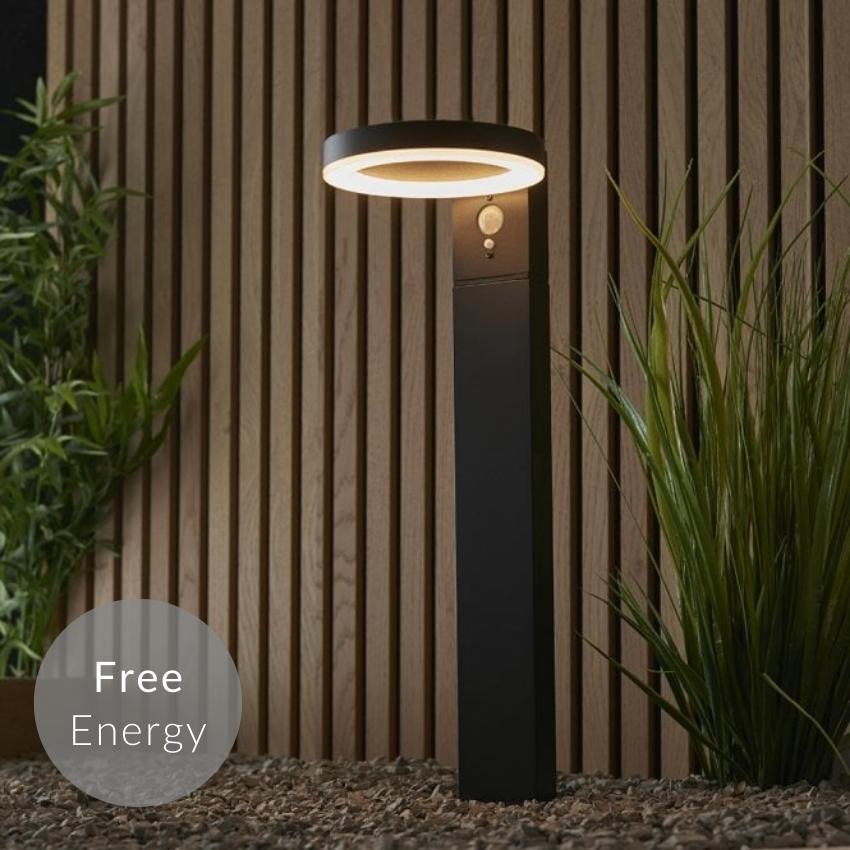
If solar seems like a pipe dream at the moment it’s not. Exterior lights can be solar, the latest versions have LED lights with built in solar panels which start harnessing the suns power and converting it to light straight way. Talking of saving energy these little beauties only take a couple of fixings into the exterior wall, so your energy will be conserved too! I know that doesn’t count as saving energy per say as your energy is free, but to be fair somedays it’s just nice to get a good job done quickly and easily and that sure is an energy saving win!
Does dimming a light bulb save energy?
The answer to this is in two parts. If you are dimming an LED bulb, it will save you money as you are using less electrical power to light to that level.
Interestingly, incandescent light bulbs actually become less efficient at anything other than 100% on, so if you like to dim your lights, swap to LEDs.
How much does it cost to run an LED bulb?
You can do this calculation yourself with ease. Simply follow the below rule:
- Take the wattage of the LED bulb and divide by 1000
- Multiply this with the number of hours a day that your light will be on (approximately)
- Times this number by the kWh cost on your tarriff
- This will give you the cost for that length of time.
For example, if you had a 6 watt LED bulb, to be used for around 4 hours a day at a kWh rate 49.4 you’d work it out as per the below:
- 6 watts / 1000 = 0.006
- 0.006 x 4 = 0.024
- 0.024 x 49.4 = £1.19 for 4 hours of light
Working out the same for an old fashioned 40 watt bulb, would be:
- 40 watts / 1000 = 0.04
- 0.04 x 4 = 0.16
- 0.16 x 49.4 = £7.90 for 4 hours of light
Are LED bulbs the cheapest form of lighting?
Short answer – yes.
Whilst they may cost you a little more to buy initially, they will last much longer and save you considerable running costs. Some benefits of swapping to LED bulbs:
- Incandescent bulbs and compact florescent bulbs are antiquated technolgy and are no longer being produced
- LED light bulbs come straight on – no more waiting for the bulb to ‘warm up’
- A very long lifespan of up to 30,000 hours of use
- Very little heat creation
- Don’t need changing regularly
- At the end of their lifespan, they will generally dim over time, giving you notice that they need to be replaced
Spending Less on Cooking
Batch cooking makes use of the oven whilst it’s on. It will save you both money and time do as much as possible to prep ahead of time for meals. A proper home cooked meal can be reheated in the microwave at a fraction of the cost of cooking separately every evening. Utilise your freezer for any leftovers and you’ll always have quick and nutritious meals ready for those challenging days.
For family mealtimes, you can follow the same rules as above. Plate up a meal for each person arriving home after dinner is served ready for a quick blast in the microwave.
Did you know, that there are some kitchen appliances that can help save on running costs? Microwaves are one, but slow cookers, air fryers and steamers will all cost less to cook the family meal than the oven.
One pot meals are perfect – saving heating lots of hot water to wash multiple pans. There’s loads of meals that only use one pot, including risotto’s and pasta dishes. It also saves money to use only the one hob.
The other thing which is key, is to plan when you shop. All of us are guilty about buying something we like the look of at the time, then we either forget about it, or have nothing that goes with it. Having a list ensures that we only buy what we need and don’t end up wasting our money.
Equally, when you’ve finished cooking, plate up a small portion. You can always get more, but if you overload, you’ll end up scraping money and effort in the bin.
Other ideas to be shopping savvy.
- Tinned food is great value and has a long shelf life
- Pre-chopped vegetables and fruit will cost you more money per KG
- Rice is one of the cheapest sources of food energy and is very versatile
- Consider your shopping habits – is another shop worth trying for some items?
- Shop online. The guide price makes it much easier to stick to your budget and swap out items if you go over
- Check out loyalty schemes as these can save money
- Take your own bags! If you’re forgetful, keep a stash in your boot
- Take advantage of offers, such as wonky fruit and veg, or reduced items
- Buy seasonal fruit and vegetables as it will generally cost less than those that are imported
- Become clear on best before (quality of the food) and use-by-dates (about the safety of the food and likely bacteria)
- Buy frozen. It will last for ages in your freezer and takes less cooking time
- Keep your fridge at 1-5 degrees to keep your food as fresh as possible
- Full freezers cost less to run, so get filling!
Lowering Heating Costs
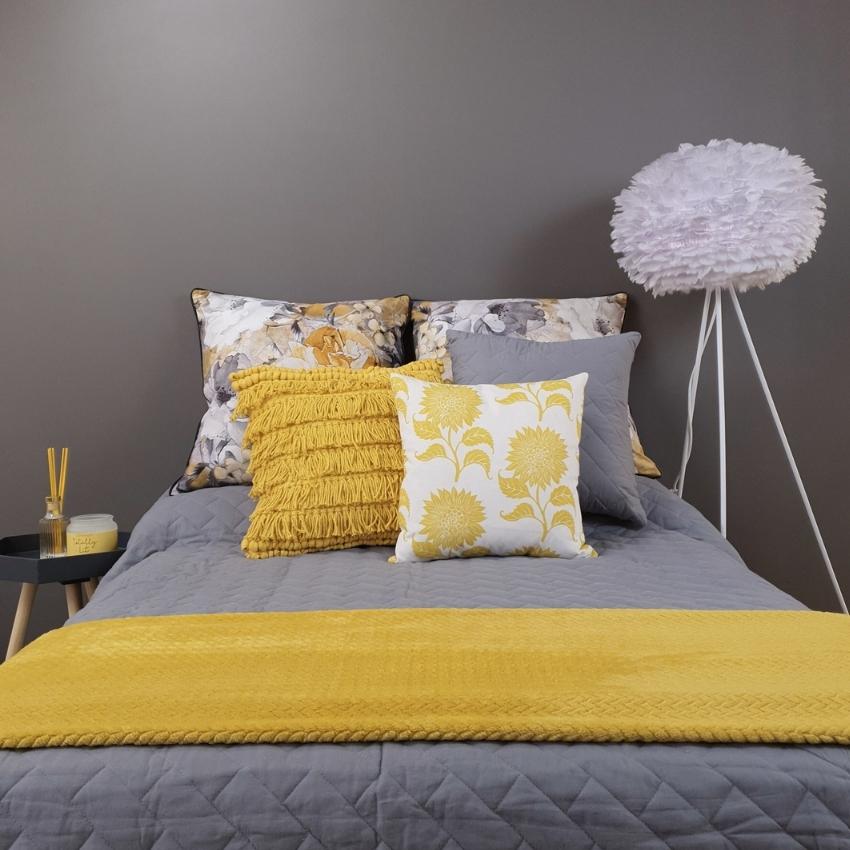
New builds now have plenty of energy saving built in as standard, but those of us that have older properties may need to look for efficiencies elsewhere.
Grants can be available to some, to help make your home more energy efficient. This is useful for larger investment purchases and well worth doing if you are able.
If you can’t stretch to taking a chunk of money out of the kitty for this type of energy saving investment, you may be looking at simply reducing your monthly usage.
Fuel poverty is real and we need to look at sensible ways to help keep ourselves warm without spending additional money.
There are a few ways. Some have me thinking of the times in the 70’s where power was off throughout the UK. As a child it was no hardship but the older you get you feel the cold more. We as a family had cosy throws in the living room and snuggled together laughing and staying warm.
The fire would go on for a burst of heat in the morning and doors and windows were monitored by my Dad who only had to say ‘door’ and we closed the door behind us. Not with too a big swoosh though, to avoid drafts! In fact we only opened doors wide enough to slither through. The living room was kept moderately cosy but all of other rooms were cold. Makes sense to heat the room you are in most of the time and turn down thermostats elsewhere if you can.
At bedtime we took hot water bottles and stacked up blankets on top of the bed. Layers of blankets.
Hot drinks are a win, as you can walm your hands at the same time as having a comforting drink.
Turning down the thermostat saves energy. If you have a thermostatic radiator valve in each room, turn them down to frost setting for rooms you don’t use and shut the doors so as the heat stays where you need it.
If you have timers to put heating on and off perhaps cut the time it’s on down a bit.
Draft excluding is something that’s well worth doing. If you have drafty windows, you can get tape to stop the drafts. Alternatively, you could invest in thermal curtain liners, or thicker curtains for the winter months.
Draft excluding tape is also available for doors and it’s worth doing this for internal doors too.
Creating a cosy home helps keep you warm too. Layering your sofas with thick throws and sumptious cushions looks great and they’re at hand to keep you warm in an instant.
Wash clothes at lower temperatures and always do a full load – no half loads. Don’t tumble dry if you can possibly hang the clothes outside. If you have to dry clothes in doors you’ll need ventilation to avoid condensation – an open window will let heat out. On those wet days where you have no hope of hanging the washing outside, choose a spare room, or even the bathroom to dry your washing. Don’t heat the room and leave the window open for air. You can then finish the clothes off by placing near a radiator when they’re nearly dry.
You’ll find that adopting a few of these ideas will really help with managing your energy bills. The more you try, the more you’ll save!