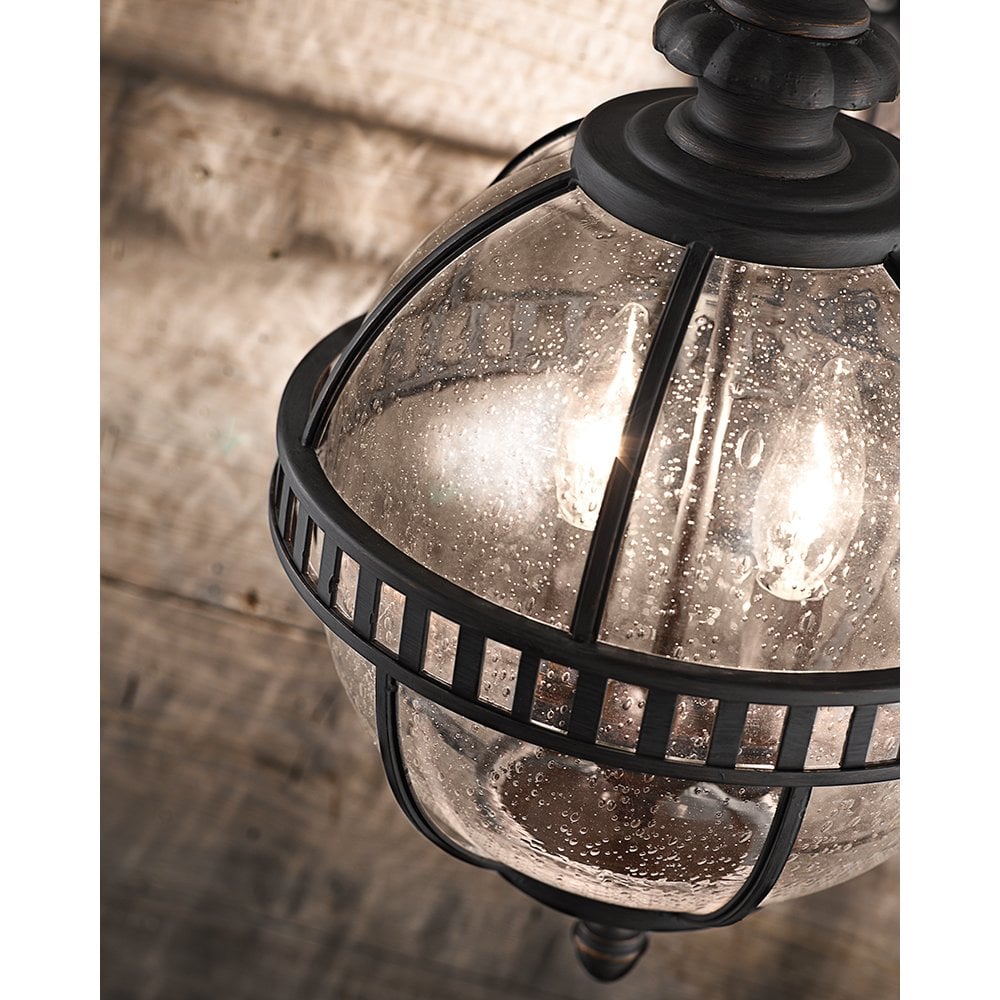
When considering how to light a bathroom in a medieval house, it is easy to forget that Medieval homes were never designed for bathrooms. And yet today, across the UK, these cherished heritage buildings are being sensitively updated to accommodate 21st-century living, including bright, functional, and even spa-like bathrooms. The key to success lies in thoughtful lighting design that respects the building’s age while meeting modern needs.
When planning lighting for a medieval property, start by assessing how much natural light the room receives and where the dark corners fall. Then, build layers of light that combine ceiling fittings for general illumination, wall lights for soft ambient glow, and mirror or vanity lighting for everyday tasks like shaving or makeup. Look for designs with traditional metalwork, aged brass finishes, or hand-blown glass to echo the character of the original architecture while keeping the scheme fresh and practical.
So, how do you light a bathroom in a medieval house without compromising its authenticity?
Lighting a Bathroom in a Medieval House
For lighting a medieval-style bathroom you need to take in account additional complications that a period property may bring and ensure your lighting choices are:
- Compliant with UK safety regulations
- Sensitive to listed building restrictions
- Authentic in mood and materials
You’re not just designing — you’re stewarding history
If your home is Grade I or Grade II listed, special rules apply. Many fixtures and finishes, including plaster walls, exposed beams, and even existing light fittings may be protected. This can influence where you run cables, whether fixtures can be recessed or surface-mounted and what kind of holes can be drilled into masonry, plaster or timber.
Always consult your Conservation Officer before modifying walls, ceilings or adding recessed fittings when lighting a bathroom in a gothic style house.
What Would Have Lit the Medieval Home?
Pre-electricity, homes were lit with candles or oil lamps. Even with modern fittings, it is possible to recreate this rustic feel with carefully chosen materials, colours and bulbs to create the warm and glowing effect of candle light.
When considering how to light a bathroom in a medieval house, authentic finishes include:
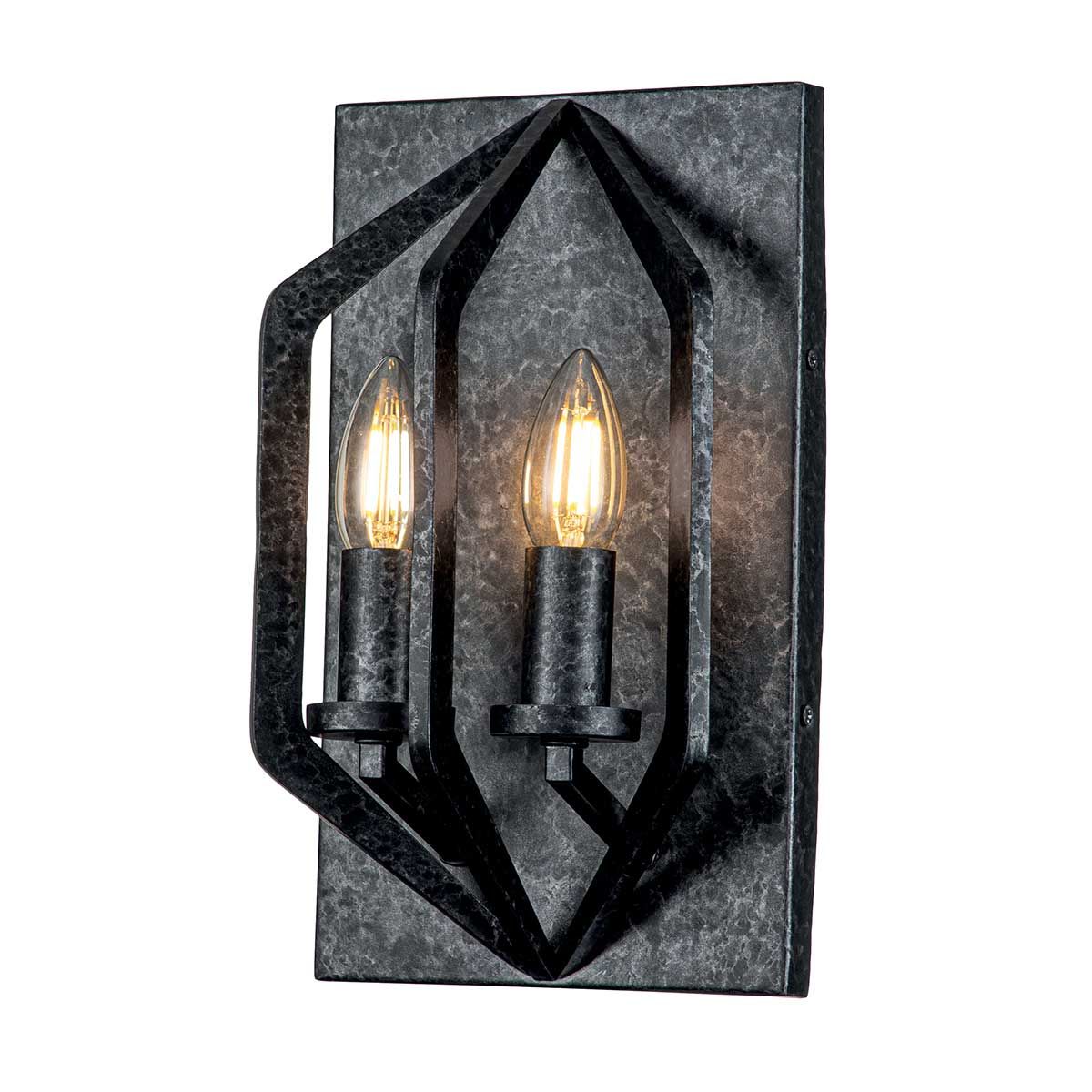
- Wrought iron candle sconces
- Hearth light, tallow lamps, or rushlights
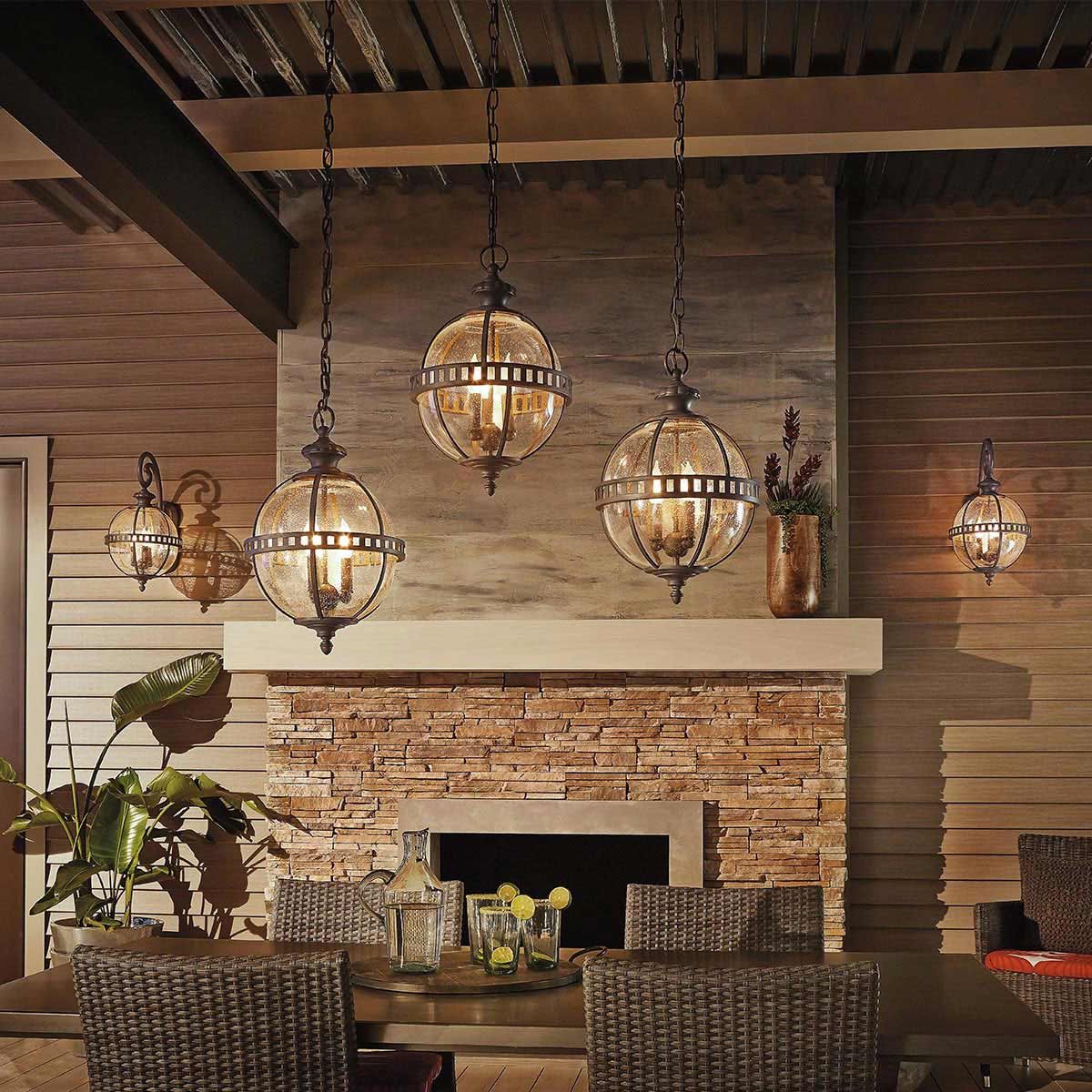
- Lantern style lights with shuttered windows that can open
These choices will echo the low, warm, layered glow, while retaining a level of authenticity.
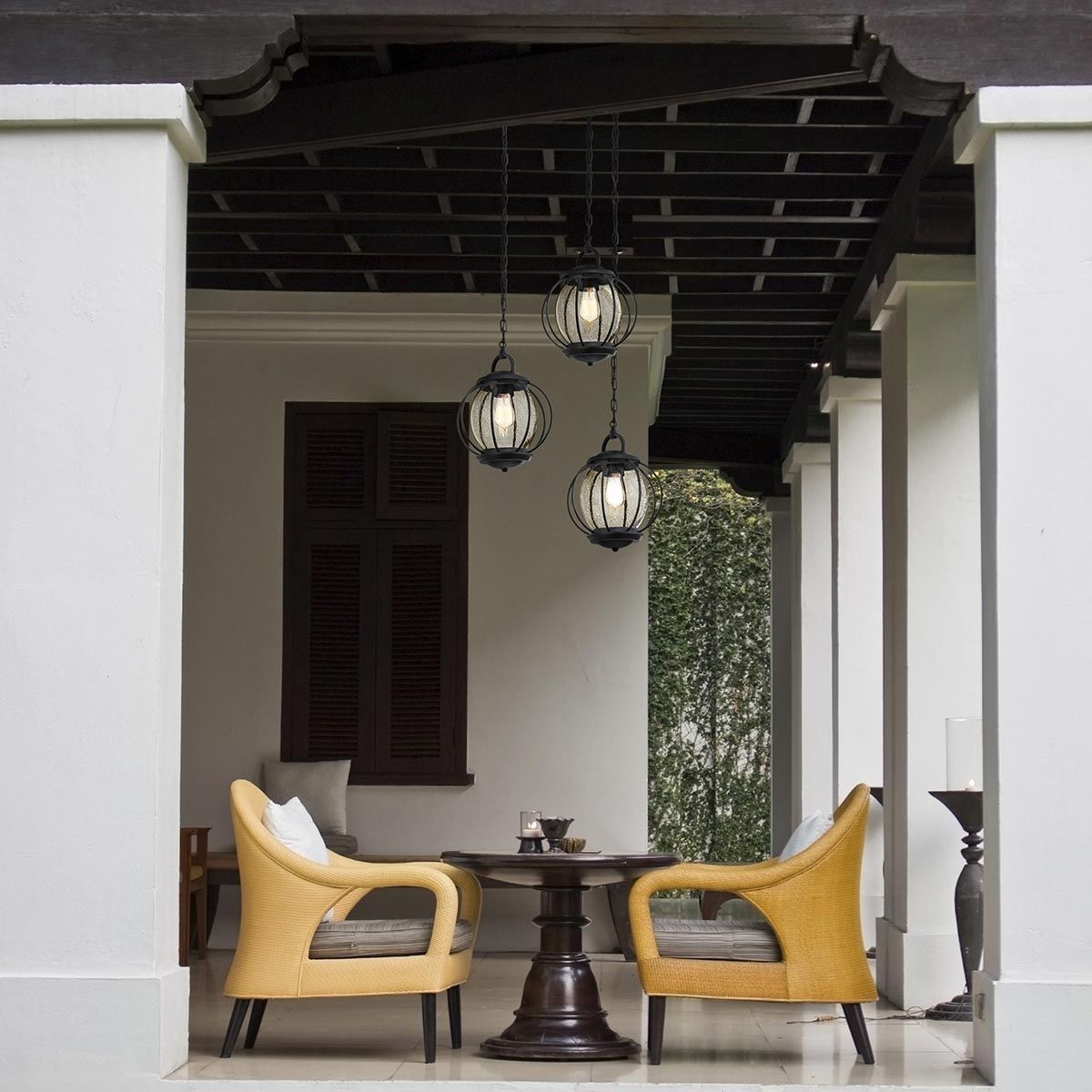
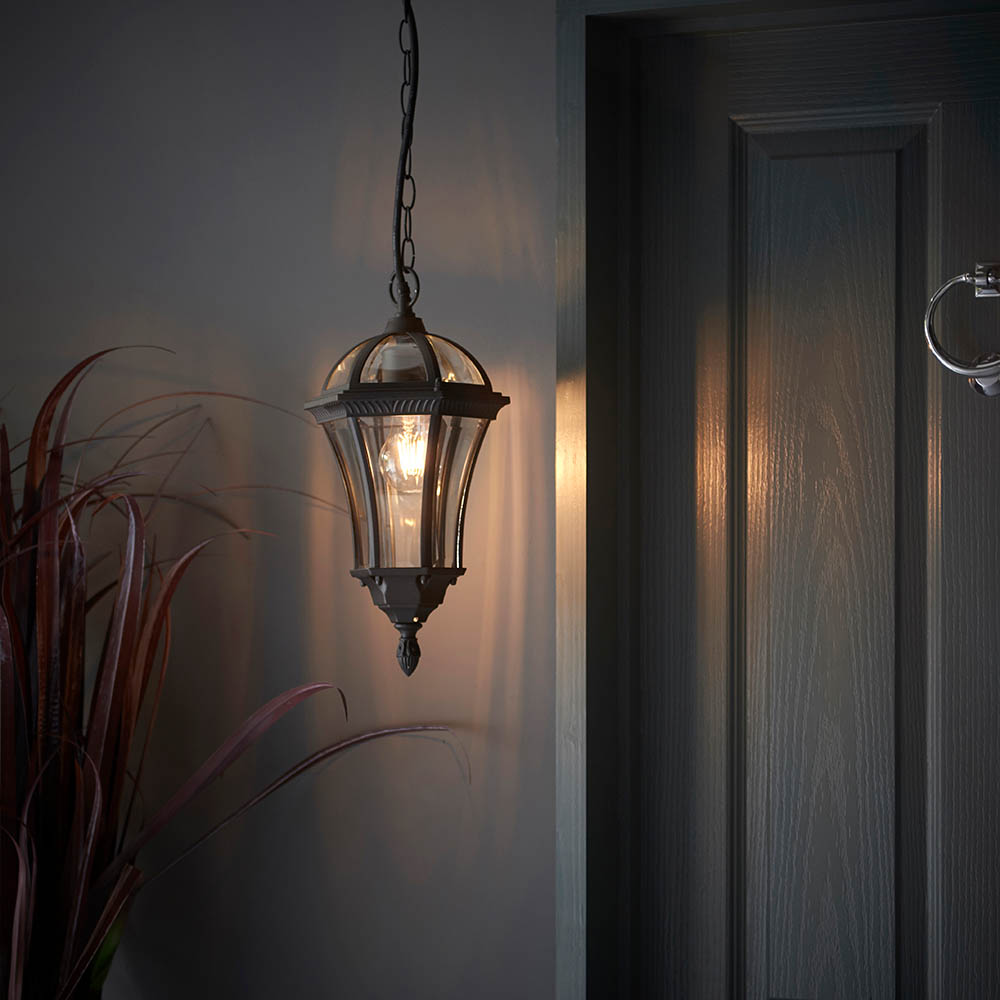
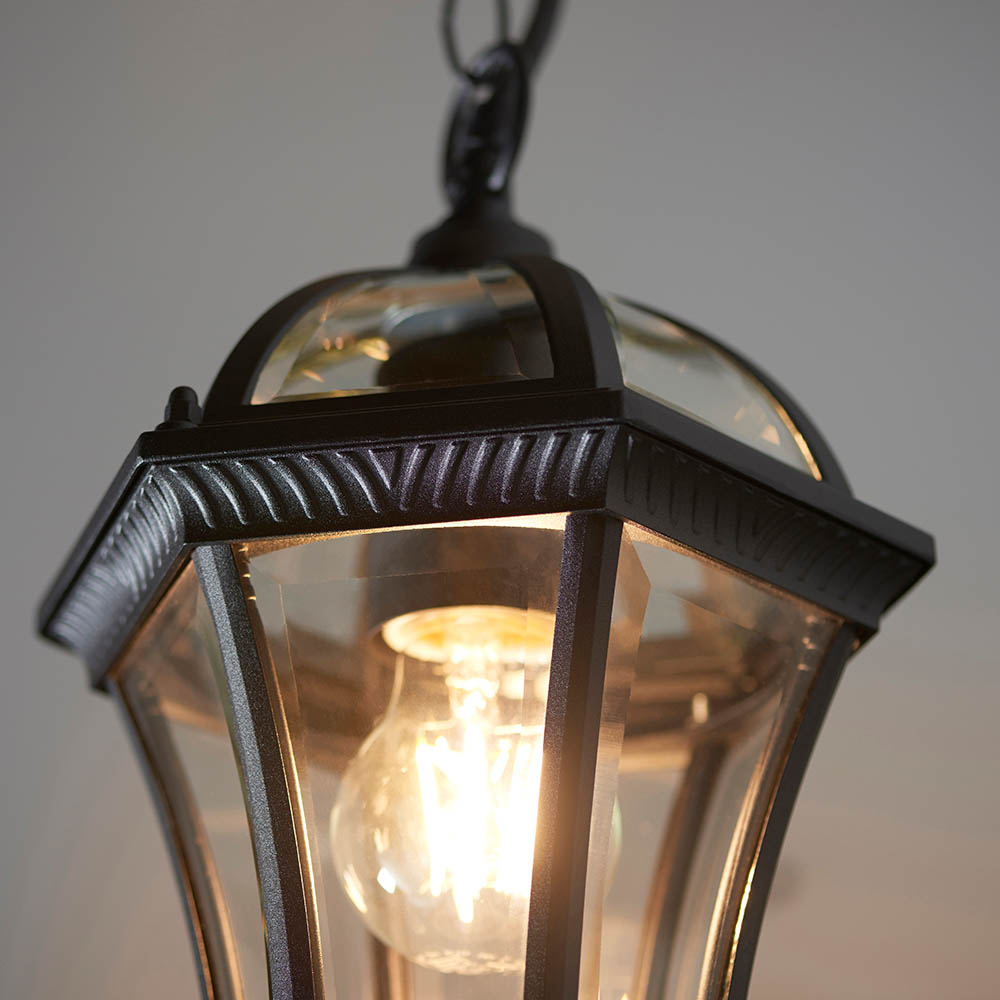
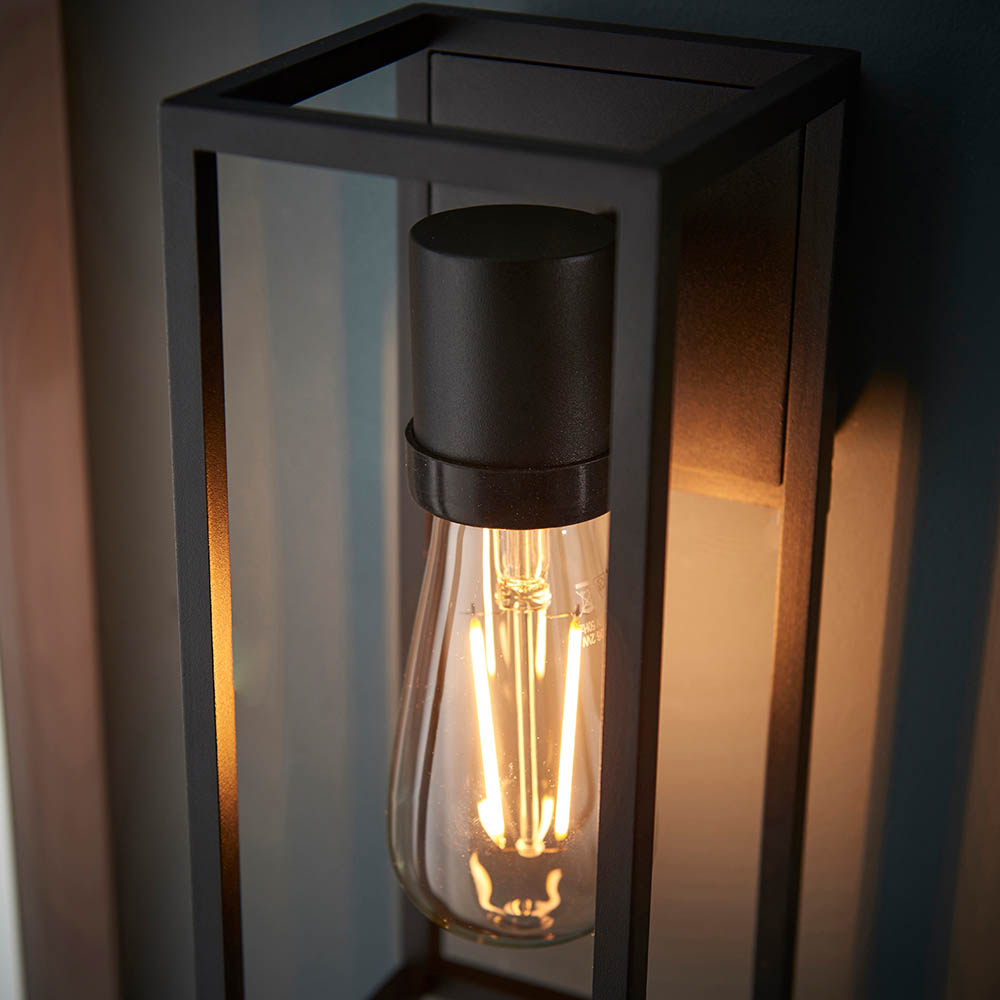
The difficulty you face as the owner of a period home of such an age, is there are fewer heritage style lights suitable for bathrooms. To light your bathroom whilst retaining that olde world charm, consider opting for black bathroom lights to retain colour synergy or the spirit of the dark ages.
Safety First: Lighting Zones in Bathrooms
Even in a Grade II property, UK law still applies. Any bathroom installation must follow these IP rating zone requirements:
Outside these high risk zones, standard lights can be used, but damp-resistant lights are still ideal. For further reading explore Definitive Guide to Bathroom Lighting from lightingcompany.co.uk for more information.
| Zone | Where | Minimum IP Rating |
|---|---|---|
| Zone 0 | Inside bath or shower | IP67 |
| Zone 1 | Directly above bath/shower (to 2.25m) | IP65 (IP44 minimum) |
| Zone 2 | 0.6m perimeter around water zone | IP44 |
How to Light a Bathroom in a Medieval or Gothic House Beautifully (and Legally)
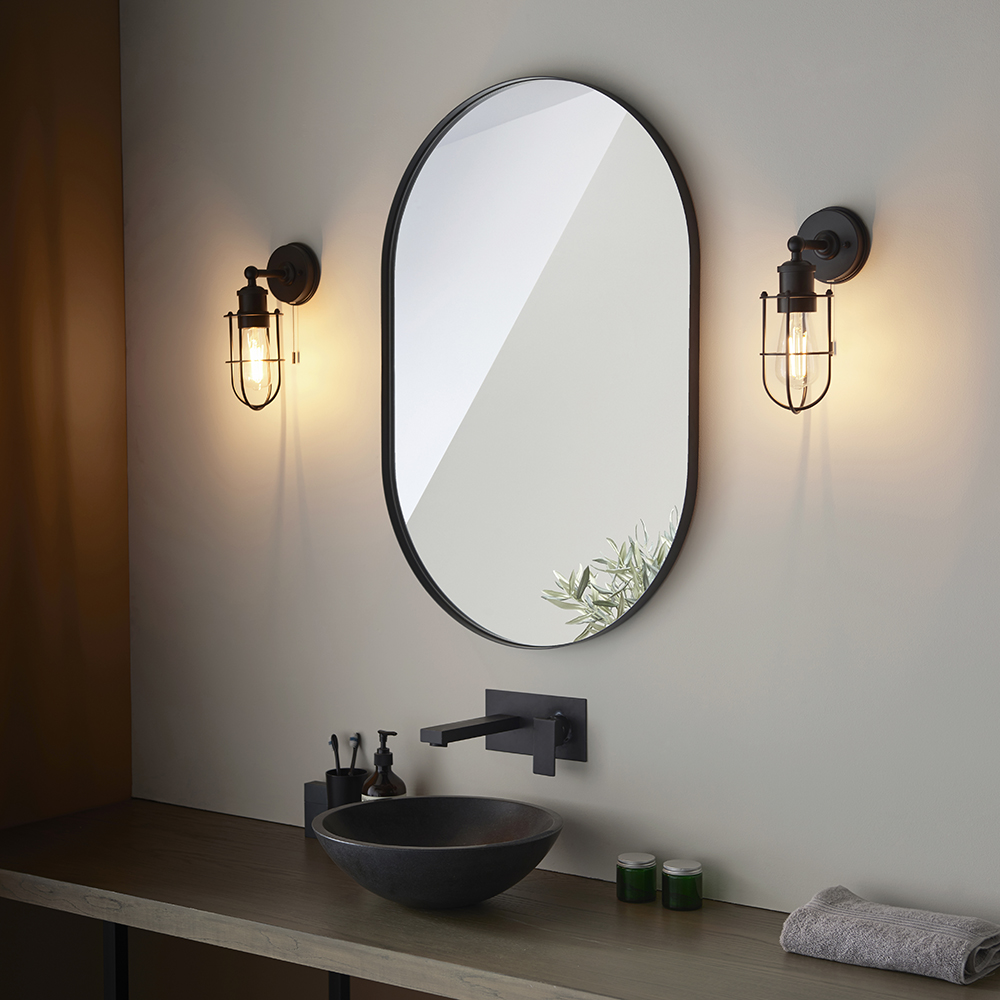
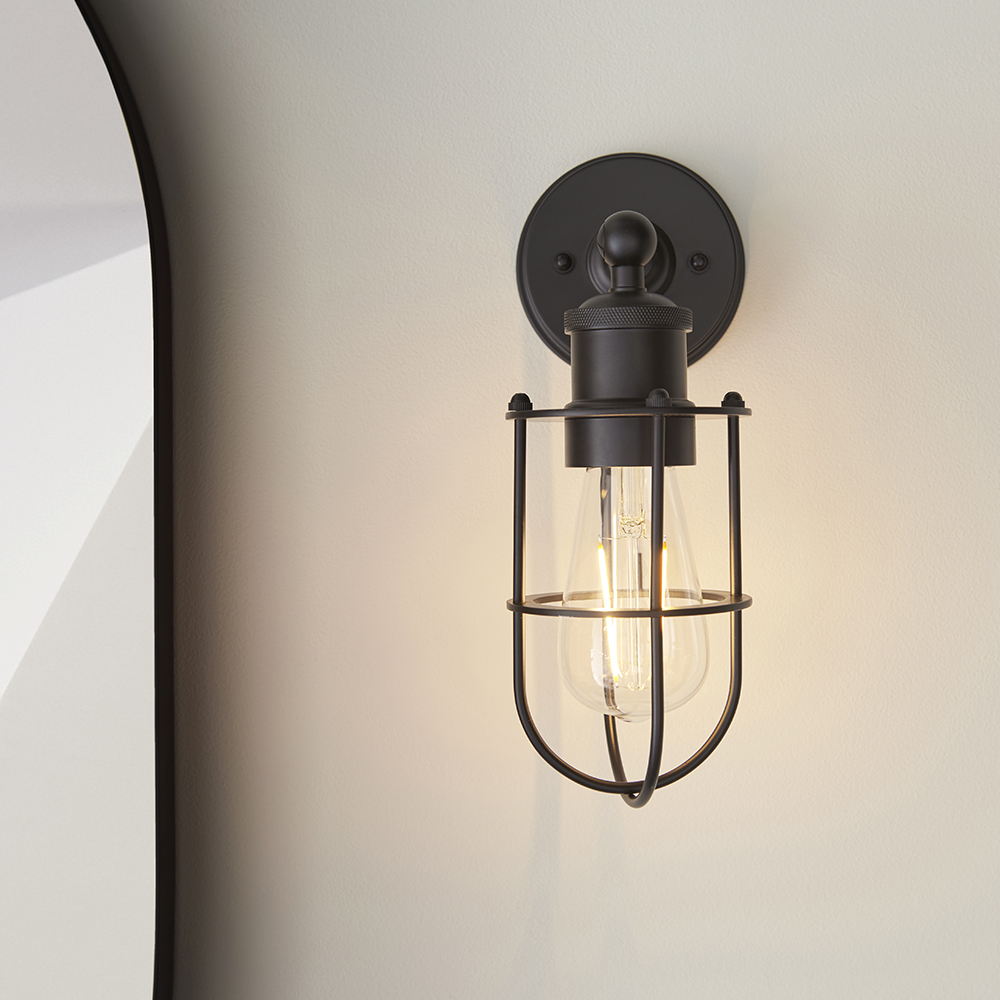
1. Use Wrought Iron, Verdigris, and Hand-Forged Finishes
Embrace finishes that look aged by time:
- Antique iron and bronze
- Verdigris (aged copper)
- Hammered, riveted or distressed textures
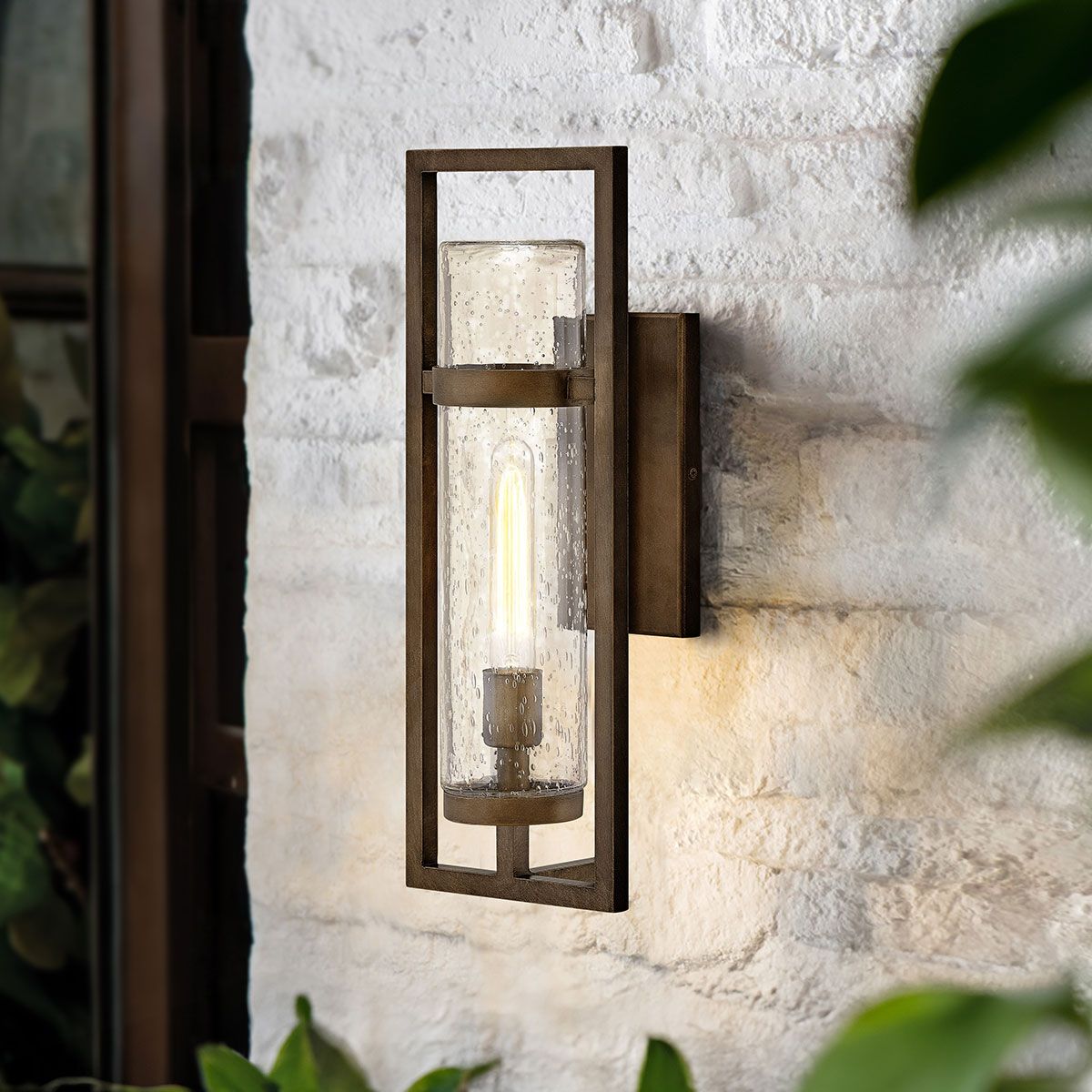
Top Tip:
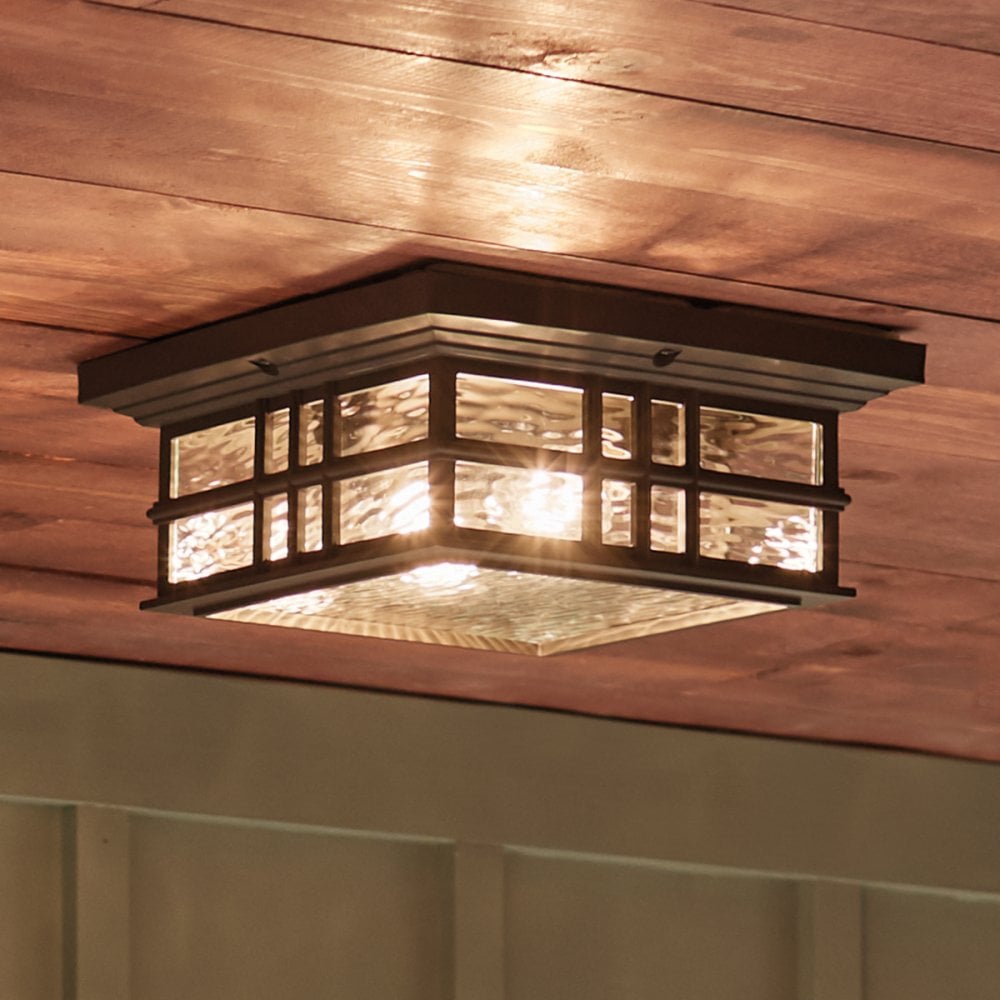
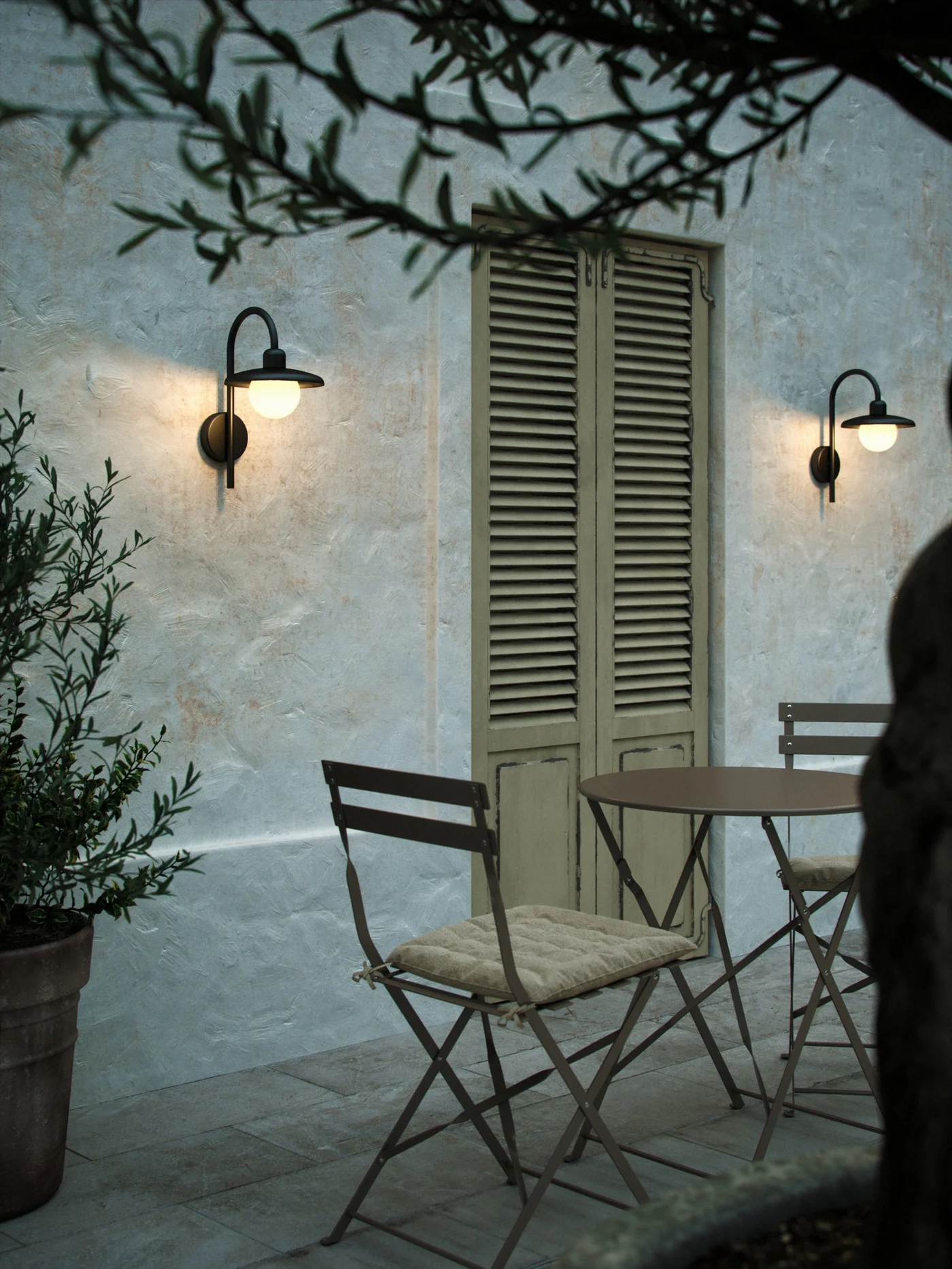
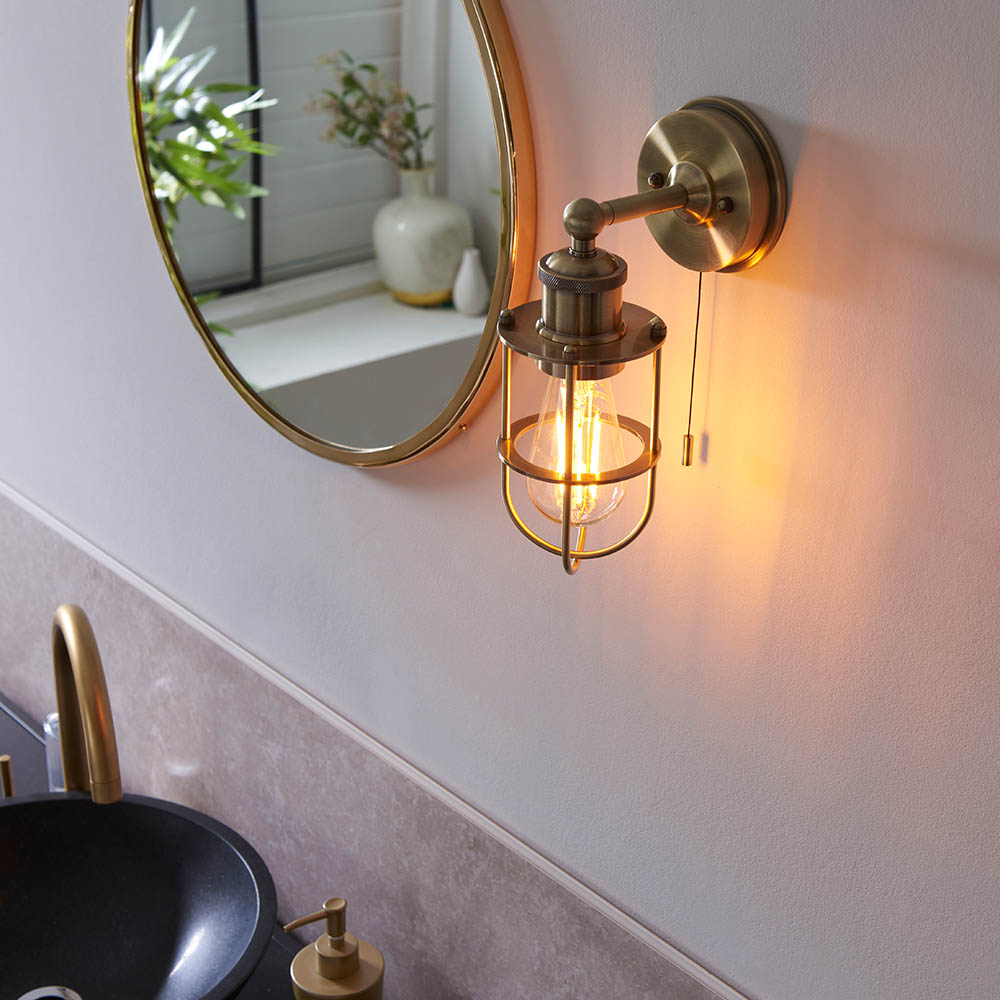
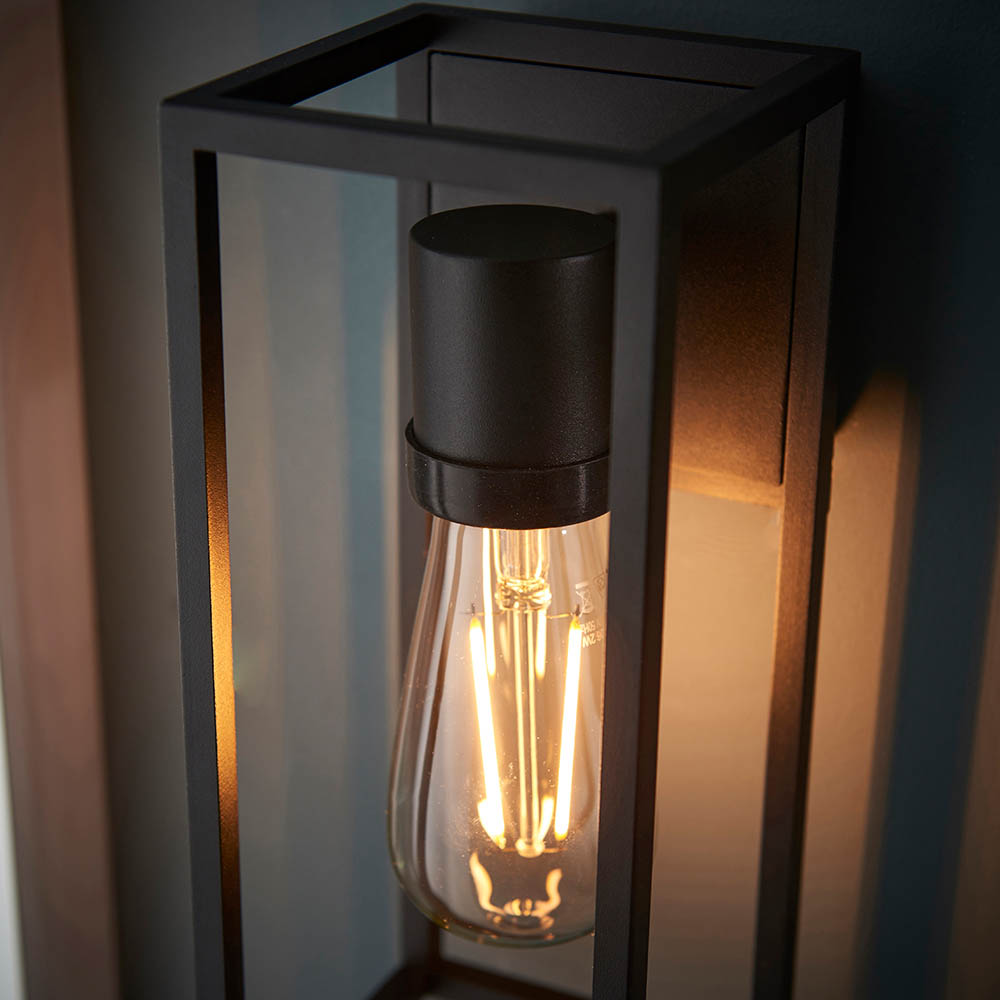
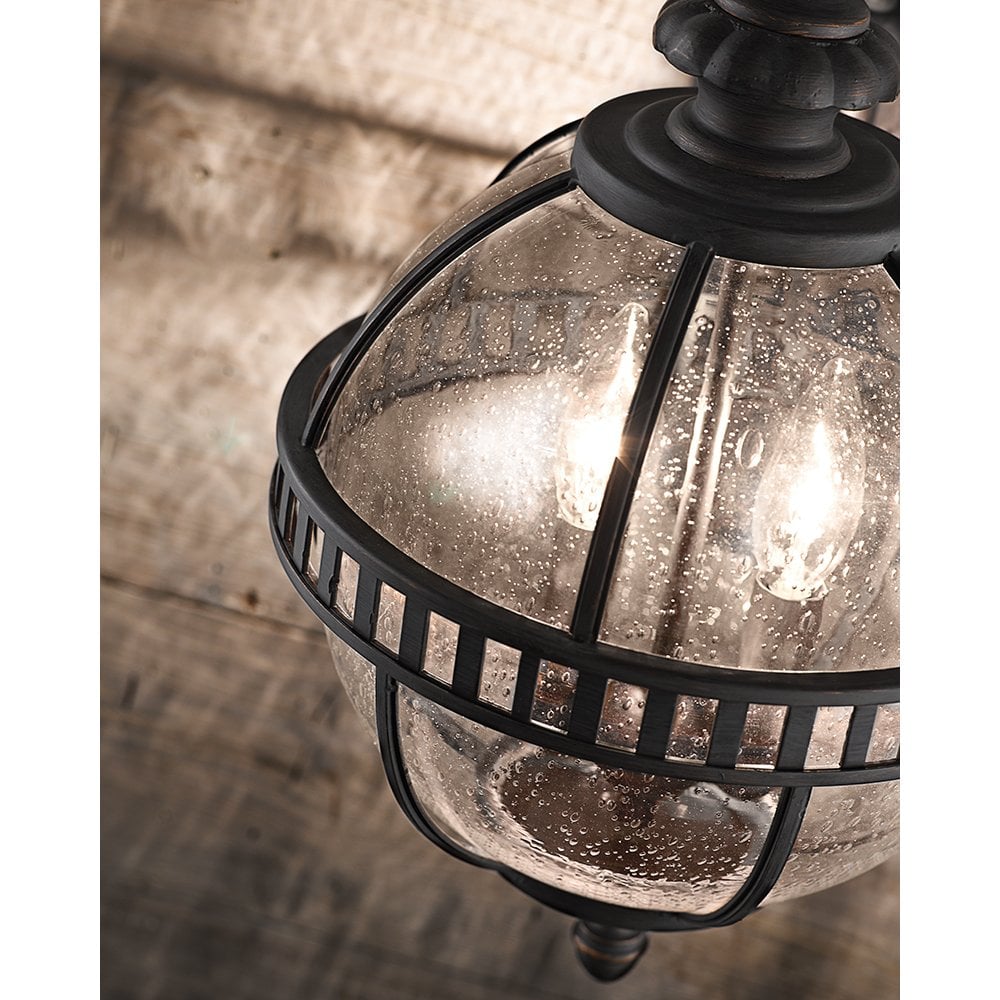
If it is designed for outdoor use, e.g. rain proof and has IP rating of IP44 it can work safely in a bathroom. Often exterior lights being black and slightly more rustic, may be perfect to bring old world charm to a bathroom, too.
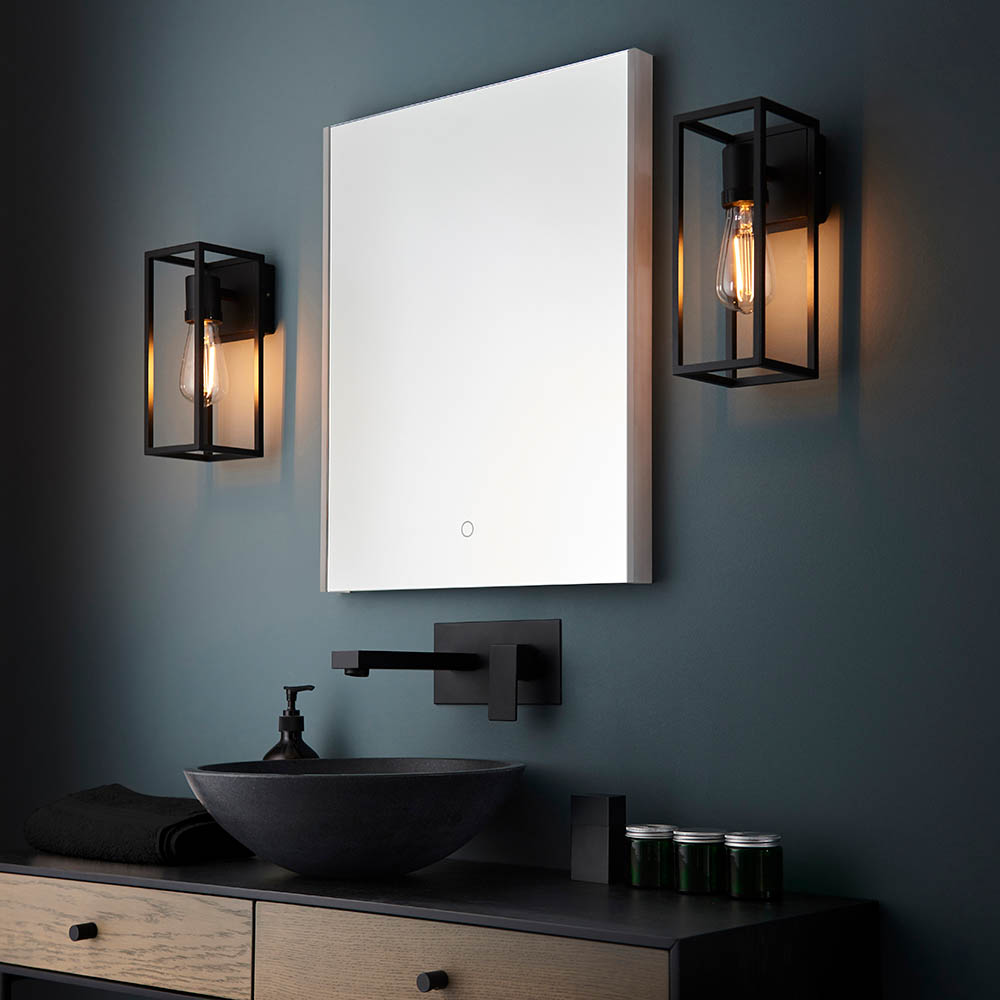
2. Use Wall Sconces Where Beams or Vaults Prevent Overhead Lights
Overhead lighting is tricky in beam-heavy spaces. Use:
- IP44 wall lights designed in torch or scrolled sconce styles
- Pair mirror lights with frosted or opal glass for softness
3. Create Mood with Low, Layered Light
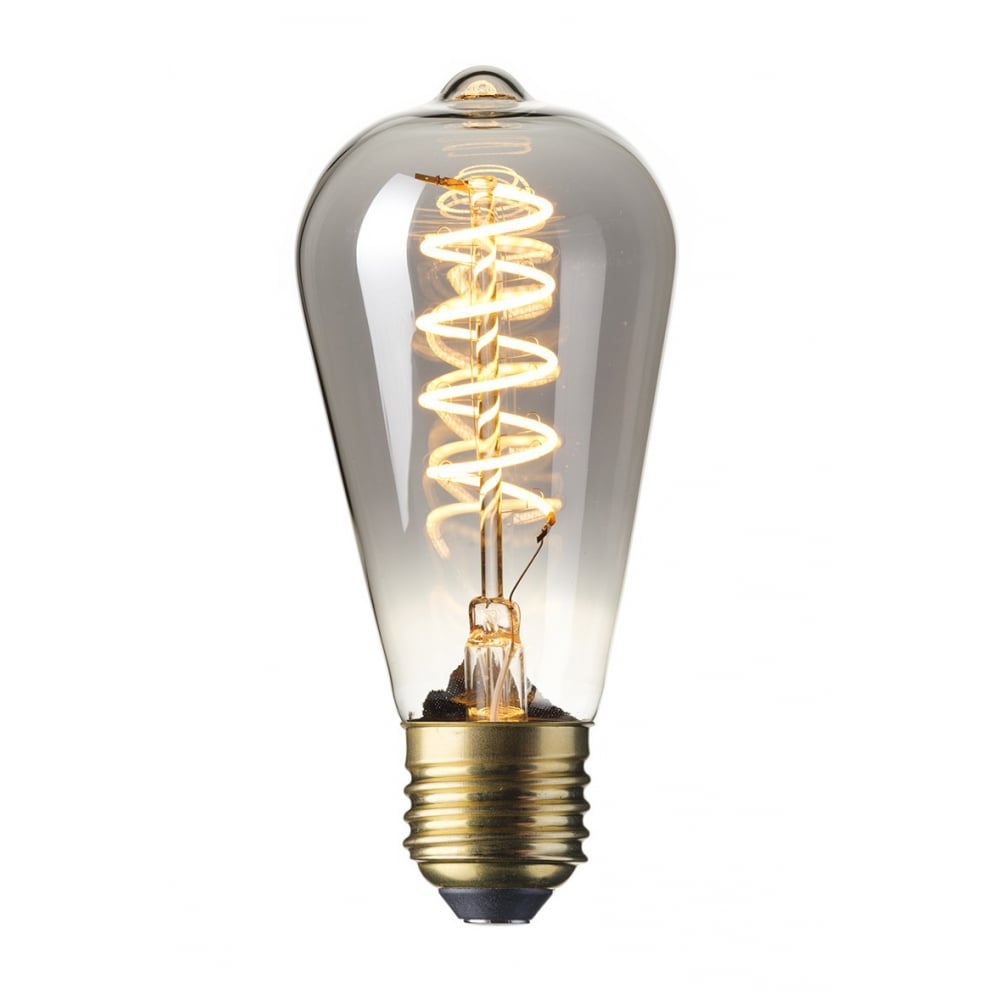
- Choose 2700K warm white bulbs for candlelike ambience
- Use dimmable fixtures where possible
- Consider uplights into stone or plasterwork for drama
4. Recessed or Hidden Fixtures? Only with Consent
Installing recessed downlights or cabling into historic plaster or beams may require Listed Building Consent. This applies even if:
- You’re working on an interior room
- The materials being modified aren’t visible from outside
- You’re adding fittings to ceilings or floors, not just walls
Extensions or new-build additions often allow more flexibility. In these zones, consider:
- IP65 recessed downlights for sleek ceiling integration
- Hidden mirror strip lights or under-bath LEDs for spa-style layering
Special Considerations for Lighting a Medieval Home
Always confirm:
- Which materials or fittings are protected
- Whether changes to ceiling joists or plaster surfaces need consent
- That you use sympathetic materials — not just in fittings, but in fixings and finishes too
You may be asked to retain:
- Visible historic timber
- Original plaster finishes
- Legacy wall light locations
Tip: Speak with your local Conservation Officer early — and keep product spec sheets ready for review.
In Summary: A Bathroom That Belongs to Medieval Times and Yours
Lighting a bathroom in a medieval or listed home means listening to the building, respecting the regulations, and designing with character. With the right IP-rated lights, specialist guidance, and an eye for heritage finishes, you can create something timeless.
Need guidance? LightingCompany.co.uk has supported period homeowners since 1988— with lighting, product knowledge and design expertise to match.
LightingCompany.co.uk
Further Inspiration
For more lighting inspiration and advice, read our Definitive Guide to Lighting through the Eras and How to Light a Medieval Home. Share your lighting story with us via our social media platforms. Search for us on Instagram or Pintrest and use the #mylightstory on your posts.