
Knowing how to light a medieval home is a delicate art, one that balances practicality with historical integrity. For owners of listed buildings, especially those dating from the 12th to 16th centuries, the choice of lighting must respect the architectural character of the property, while providing comfort for modern living.
In this guide, we explore how to light a medieval home using historically sympathetic materials, colours, and fittings, without compromising authenticity.
Understand the Limitations: Listed Building Restrictions
If your home is a Grade I or Grade II listed property, any changes to the structure – internal or external – require Listed Building Consent. This can include:
- Installing new wiring
- Adding light fittings to original beams or stonework
- Replacing existing fixtures
Tip: Always consult your local Conservation Officer before making changes, especially in visible areas like beams, ceilings, and original plaster walls.
In most cases, you cannot chase wires into stone walls or ceilings, so surface-mounted or sympathetic retrofitting is essential. The main key is not to sacrifice the heritage or fabric of the building whilst installing modern lighting.
Lighting During the Dark Ages & Medieval times
It goes without saying there were no electric lights during the dark ages. Illumination came from candles or reeds soaked in, or made from, animal fats and bees wax.
If you want to honour the period of your property, then consider paying homage to its history and explore candle style light fixtures to echo the candle light of the era.
Embrace the Darkness – and Layer Softly
Medieval interiors were naturally dark. Think thick stone walls, small mullioned windows, and timber-framed rooms, creating deep shadows and dramatic contrasts. The goal isn’t to over-light the space but to enhance its mood using:
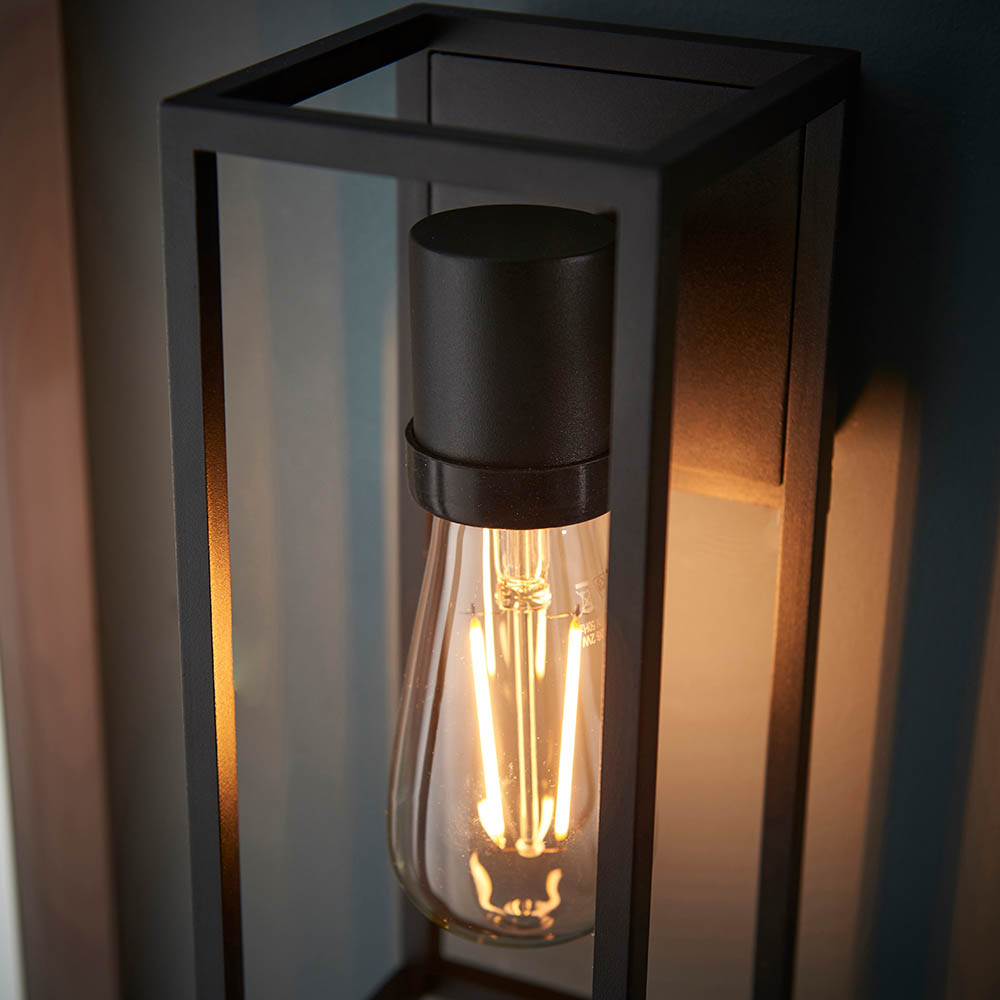
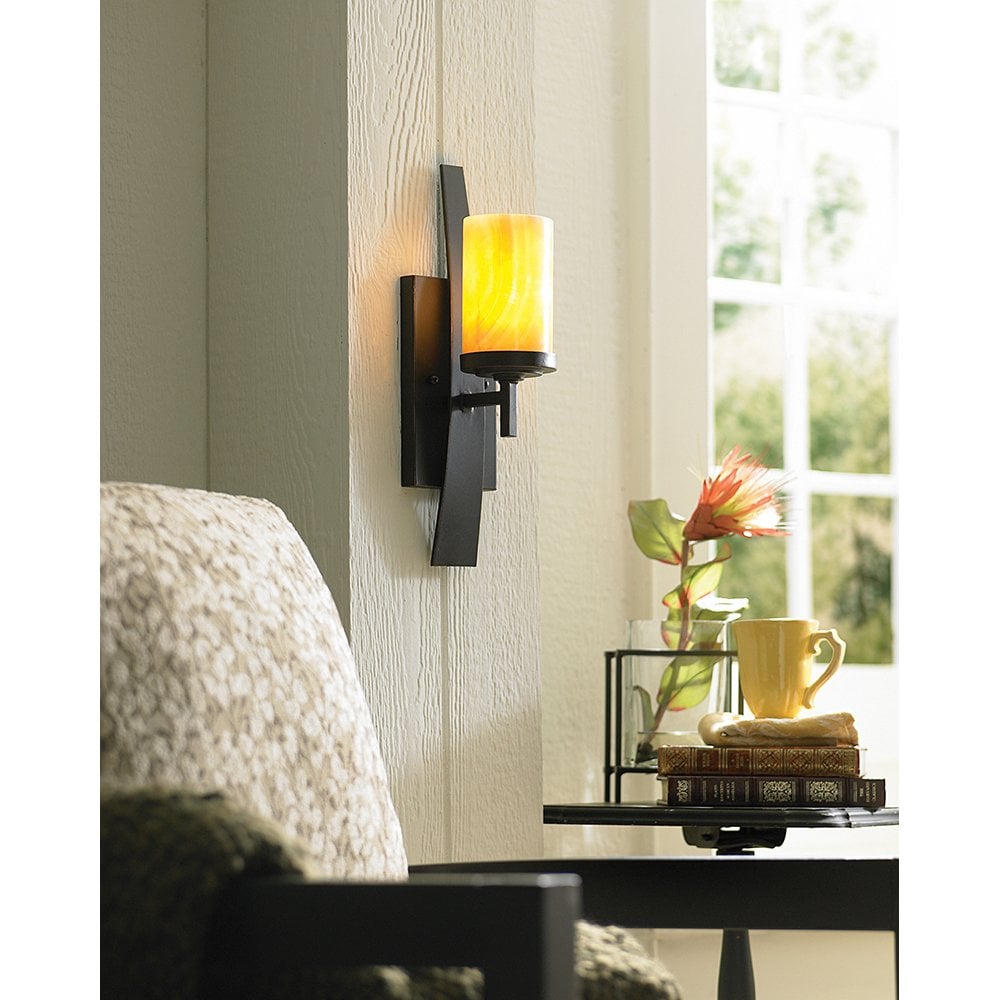
- Candlelight-style wall sconces
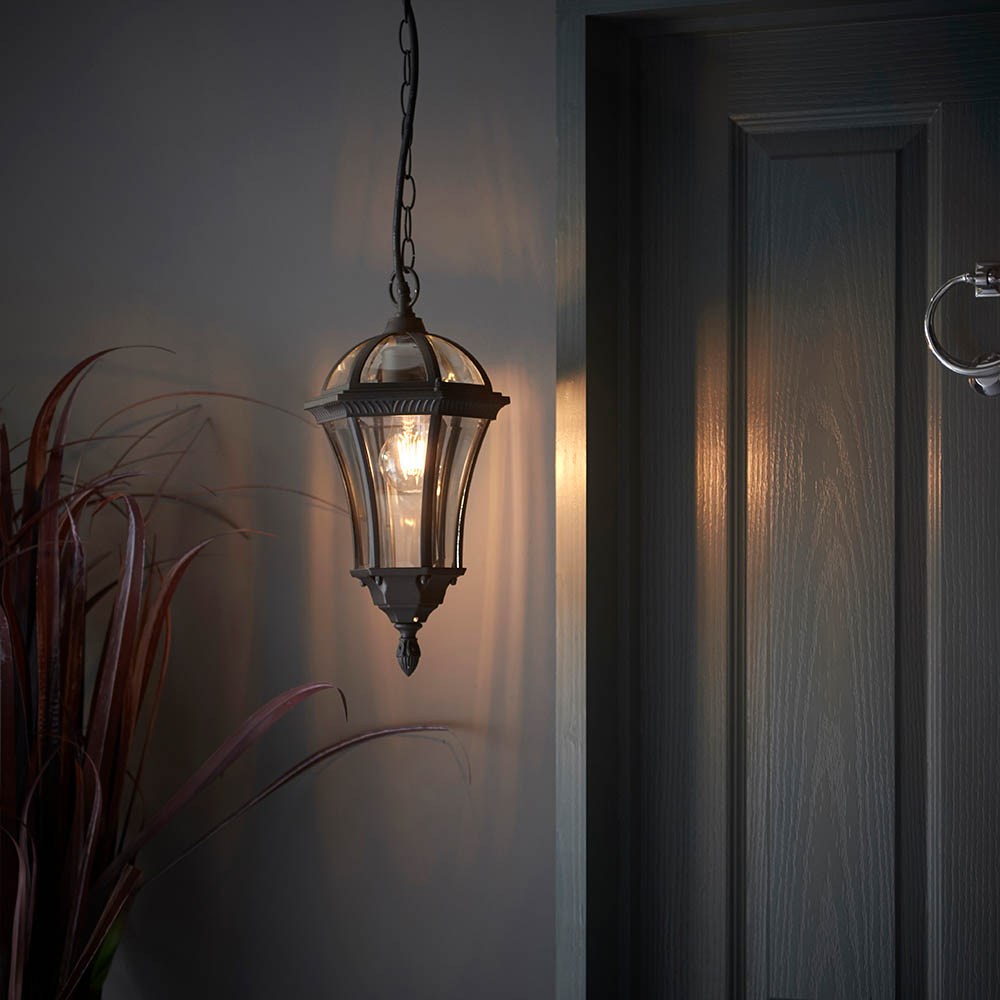
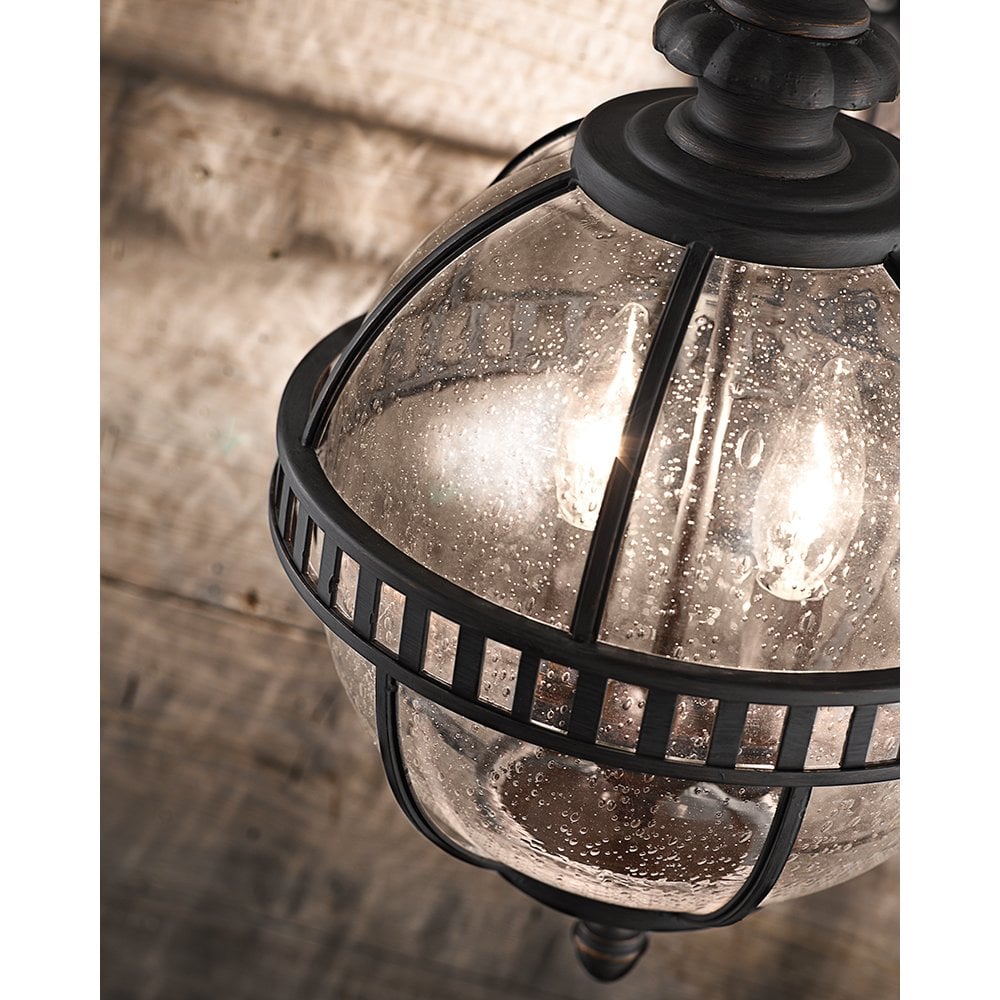
- Lanterns with amber or warm glass
- Low, indirect lighting from niche fixtures
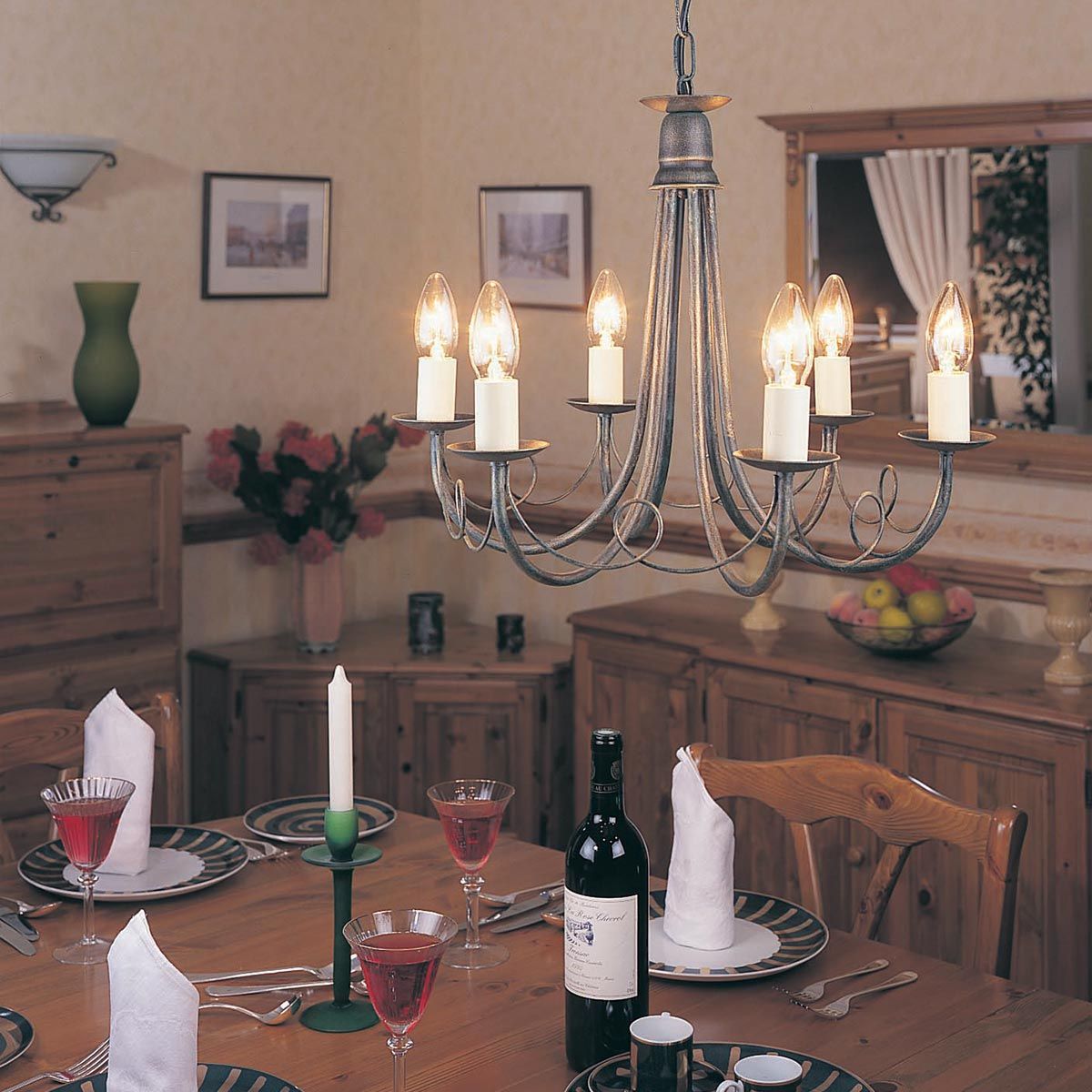
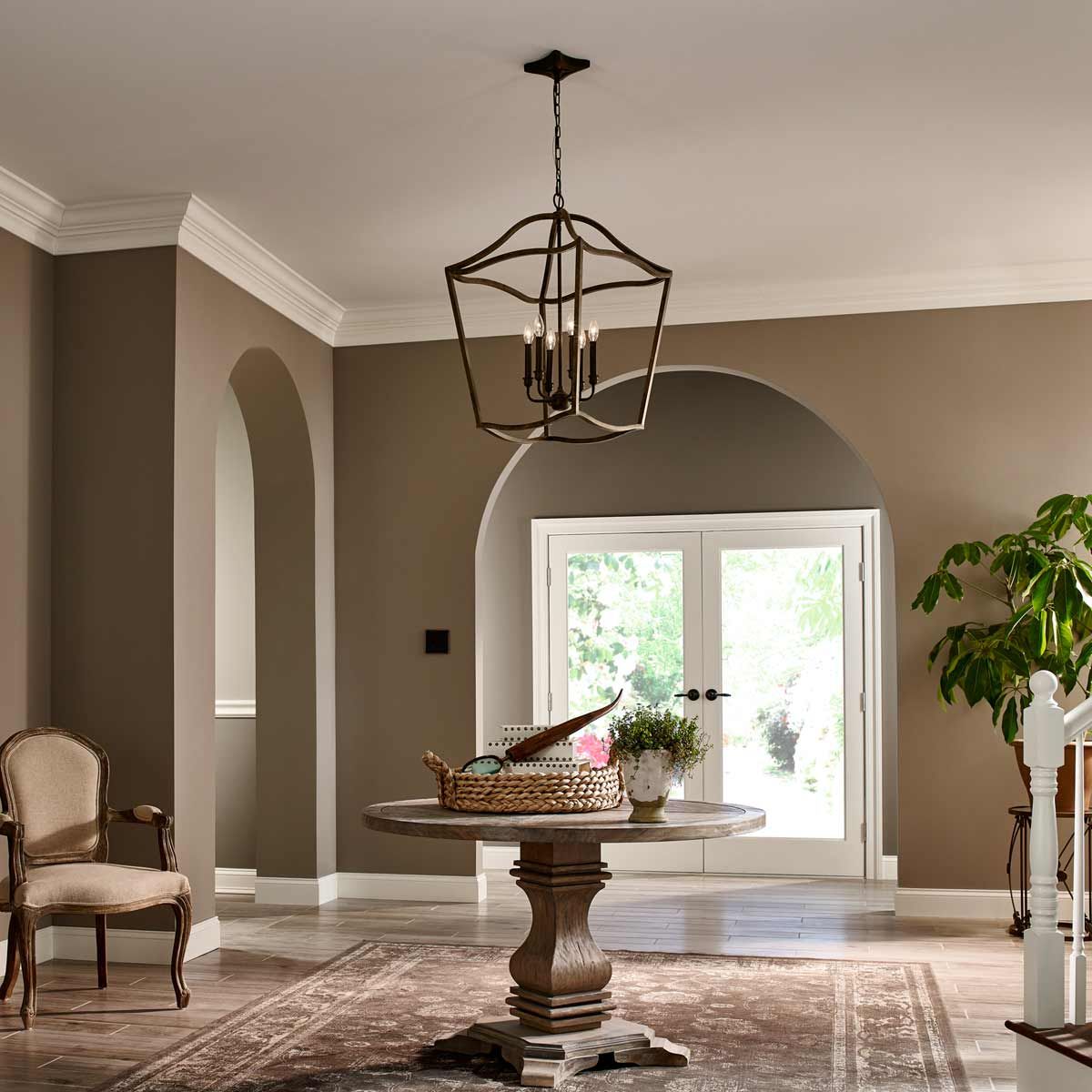
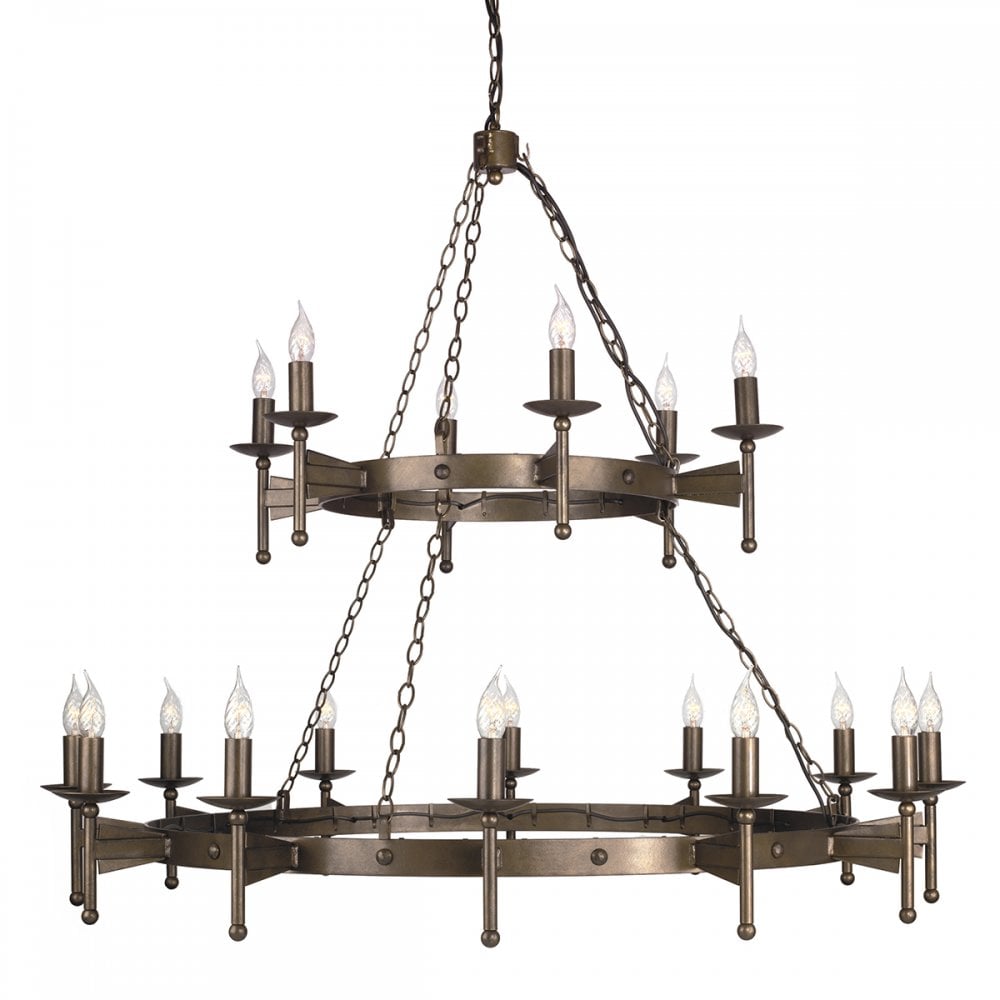
- Forged iron chandeliers
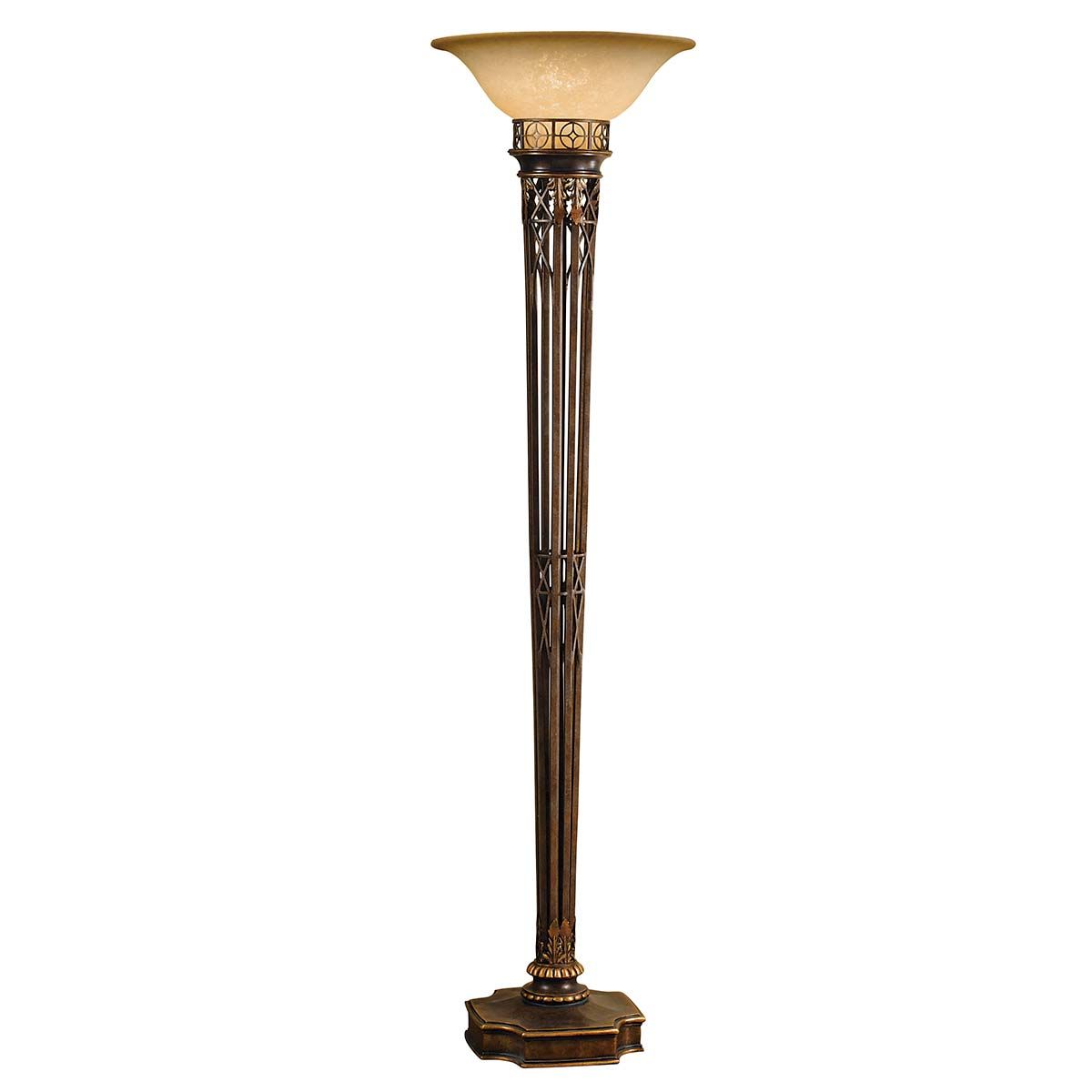
- Table and floor lamps in black or rustic ceramic can be utilised for task lighting
The Highs and The Lows of Ceiling heights
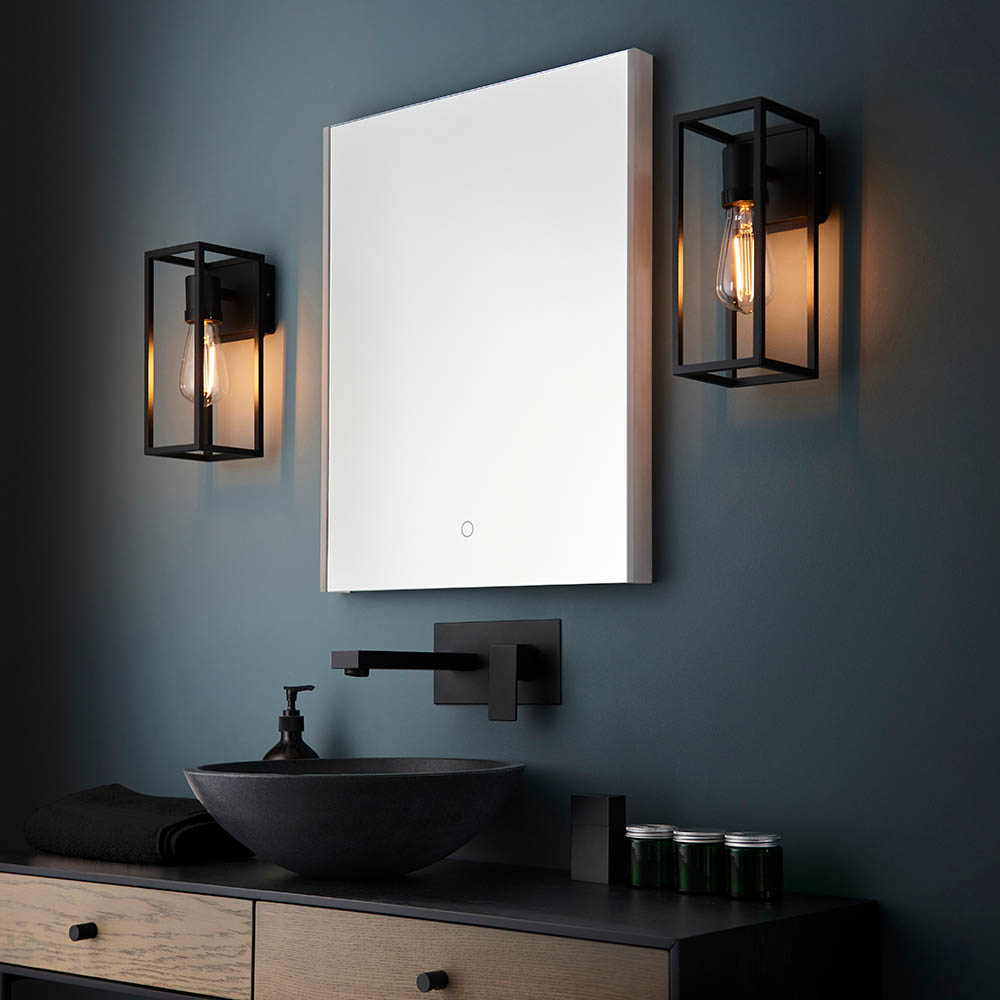
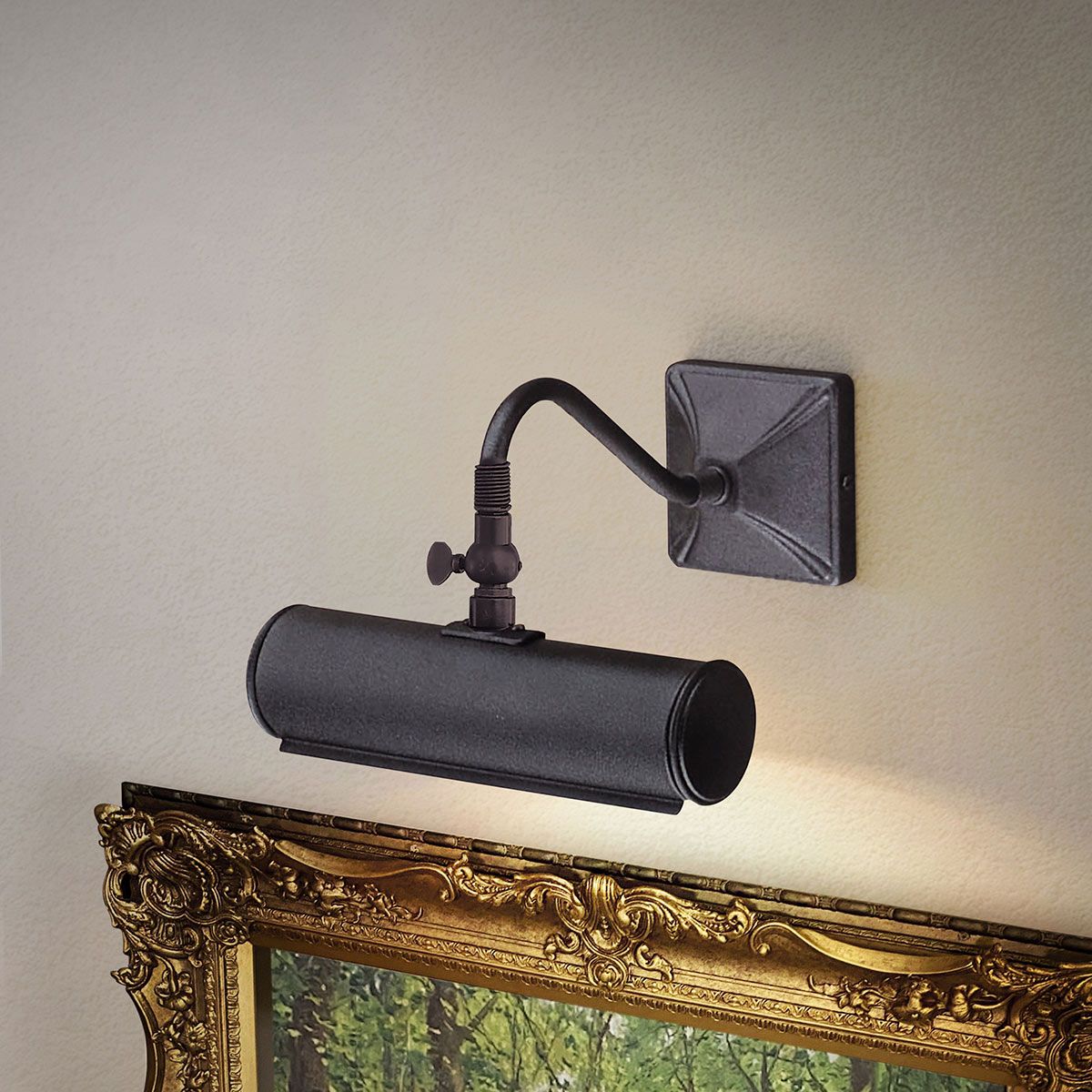
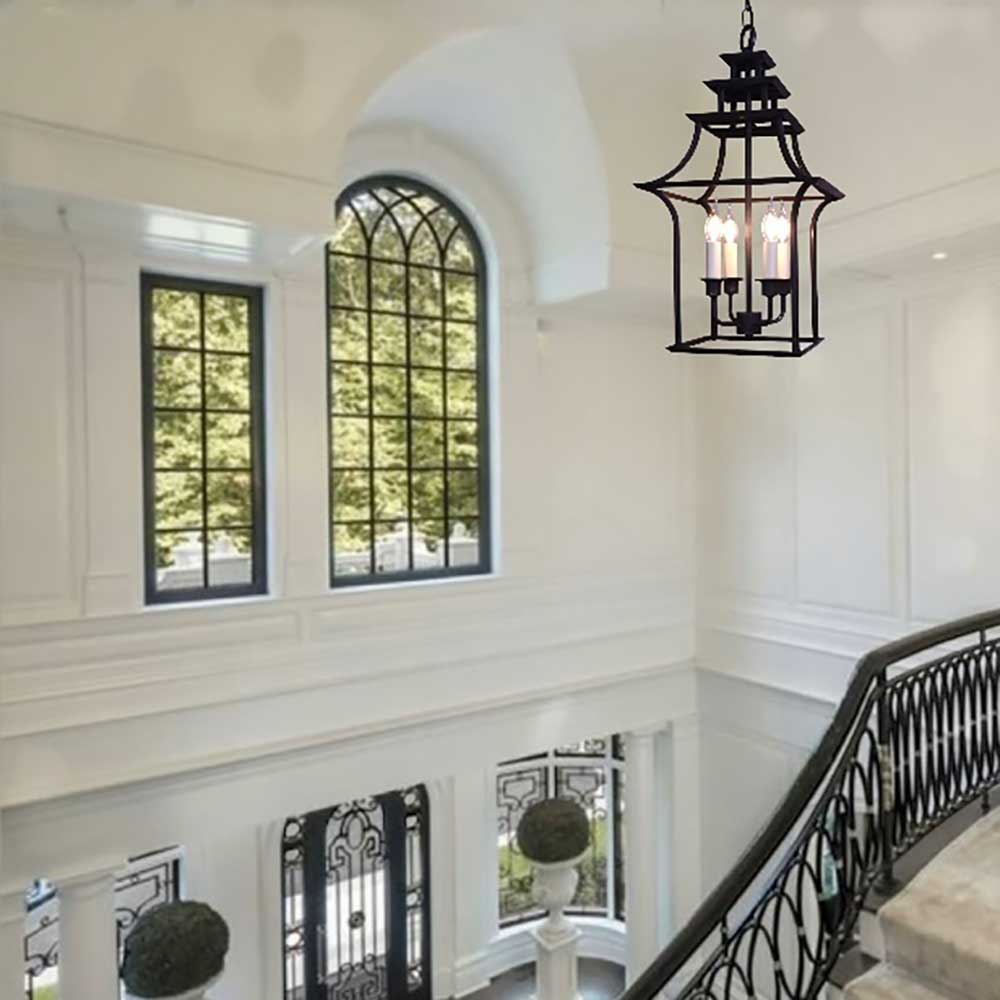
The Medieval home may be a low ceiling dwelling or a manor house with vast high vaulted ceiling in the Great Hall. Getting the correct ceiling light for the space can be a quest. Choose flush ceiling fittings for tight spaces or opt for grander statement pieces for larger spaces.
Lighting Fixtures That Suit the Era
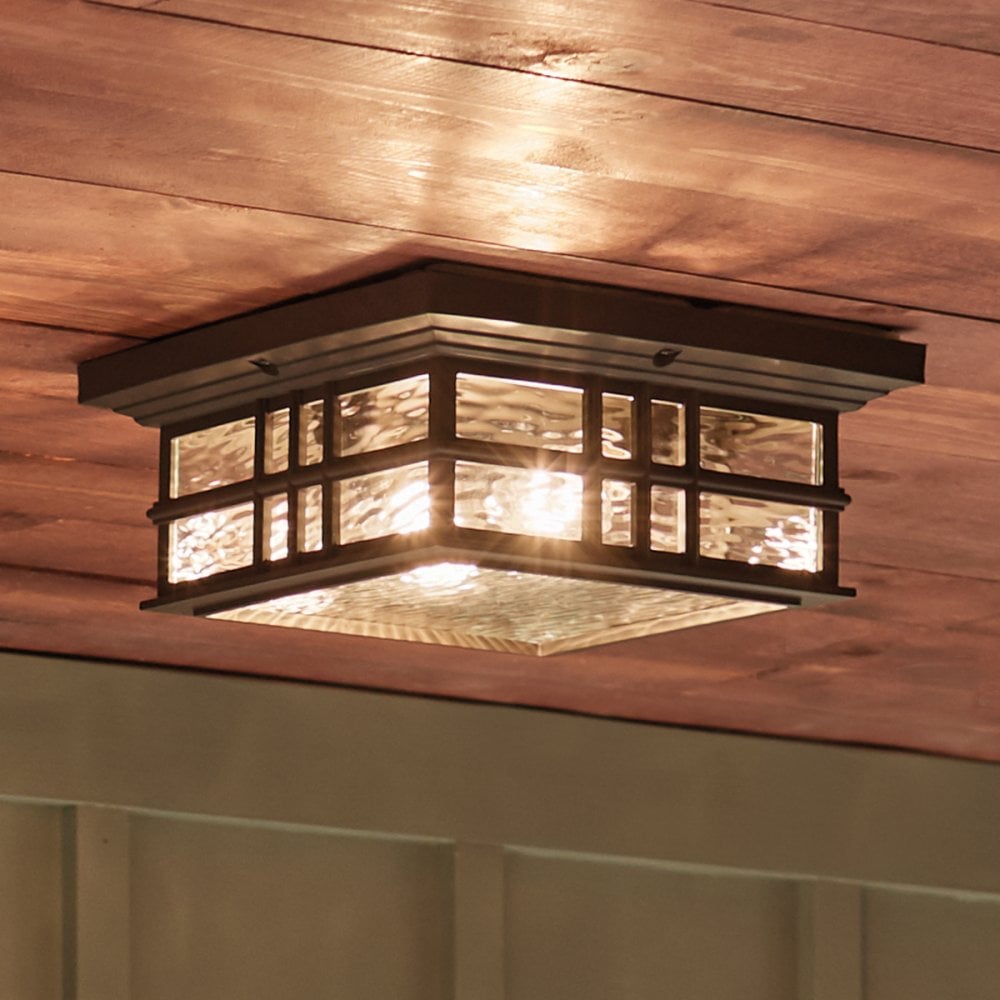
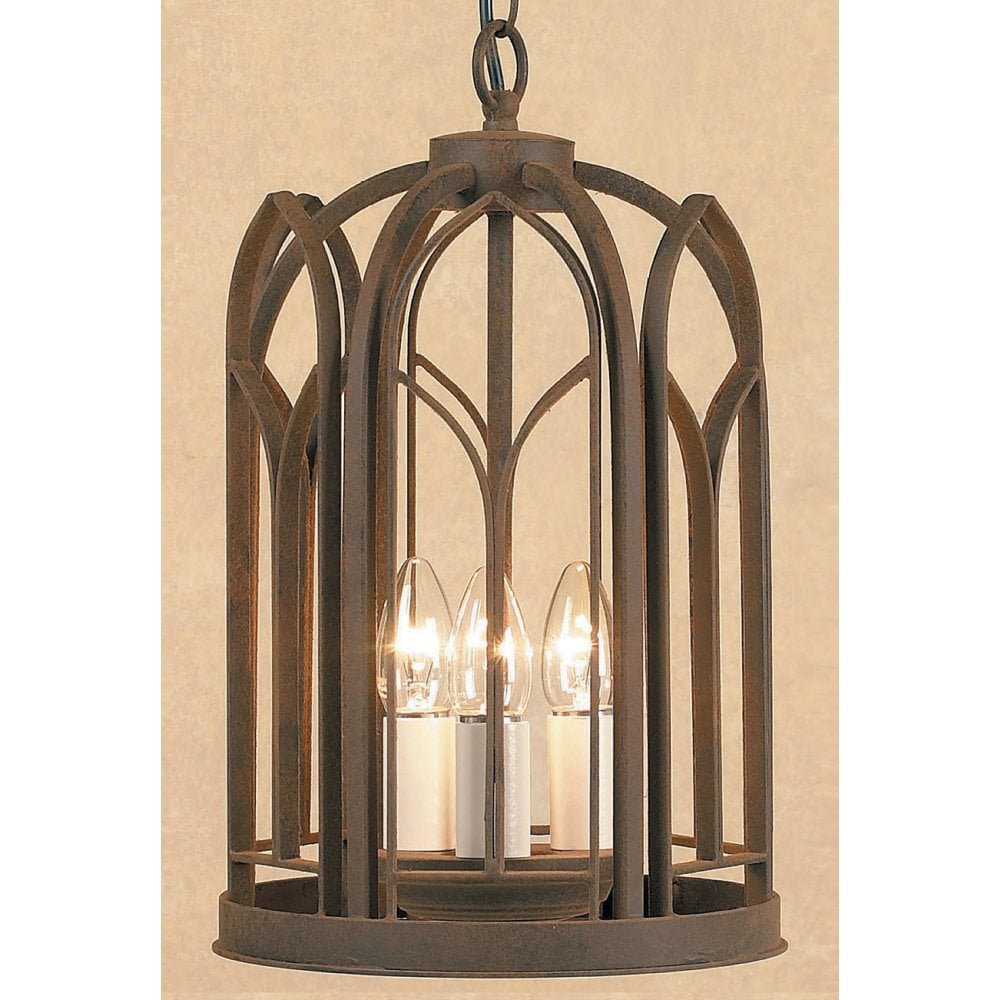
Understanding the materials available during medieval times will help you decide what to look for when considering how to light your medieval home.
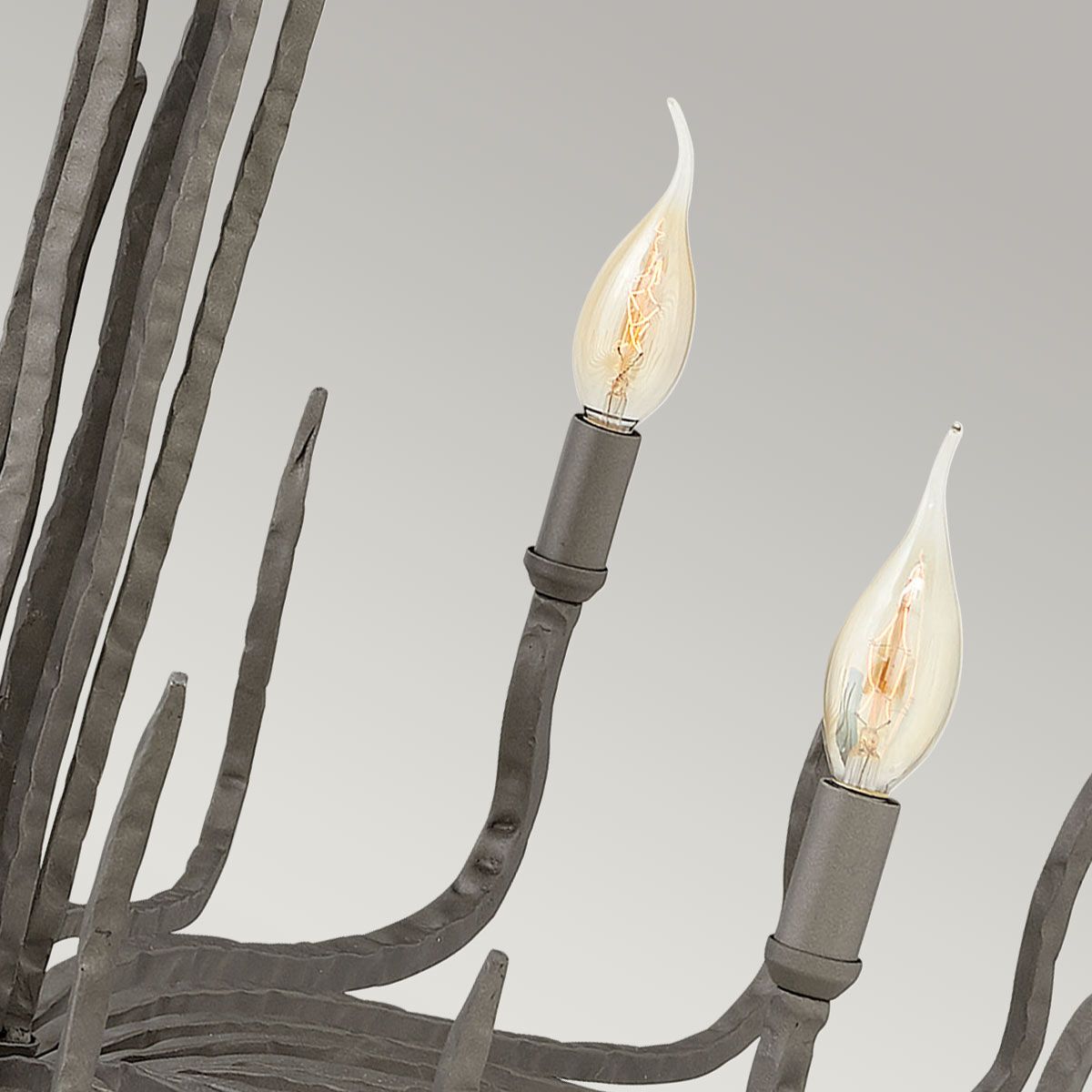
Medieval lighting was based on fire: candles, oil lamps, torches, and later lanterns made from horn or mica. While we now use electricity, the materials and forms of those fixtures can be echoed today. Understand what materials were available at that time – iron and wood are possible choices, chrome plating, maybe not! Getting an authentic style befitting a home of such an age requires research, great care and consideration of material choices.

Authentic Materials for Lighting a Medieval Home:
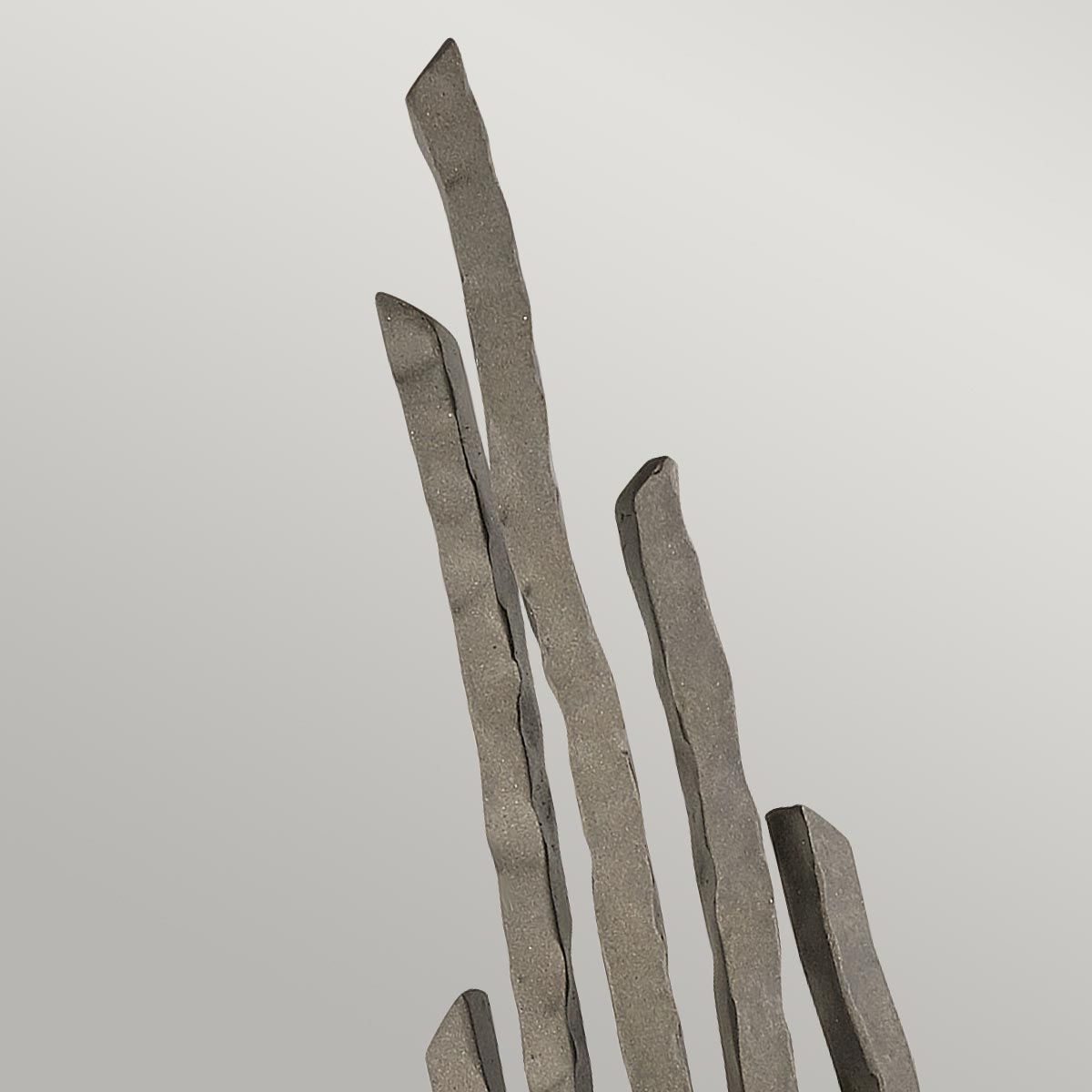
- Hand-forged wrought iron
- Aged or distressed blackened steel
- Oxidised bronze or pewter
- Natural wood backplates or beam-mounted fittings
- Glass shades in amber, warm opal, or medieval-style horn.
Avoid:
- Polished chrome, satin nickel, or mirror finishes
- LED panels, recessed spotlights, or track systems
- Anything minimalist, geometric, or overtly modern
Fixing to Beams and Stone Walls
Historic beams often can’t bear modern loads. Instead:
- Use chain-hung chandeliers from existing hooks or original anchor points
- Choose lightweight wrought iron sconces that can be fixed into mortar joints (not the stone itself)
- Plug in Wall Lights or USB rechargeable lights to avoid chasing out for electric cables.
- Consider floor-standing candlelight lamps where wall mounting isn’t possible.
Colours and Tones for Medieval Rooms
To maintain atmosphere:
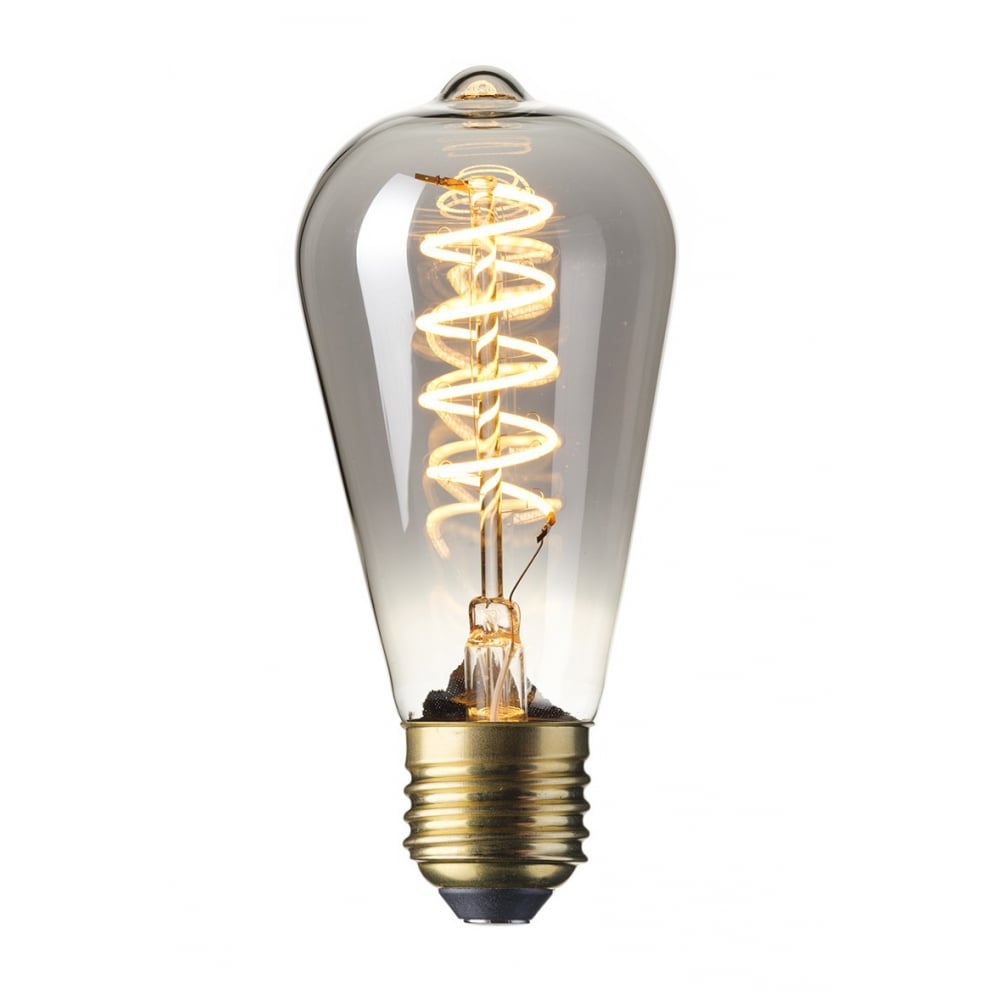
- Choose warm white or amber LED bulbs (2000–2700K range)
- Opt for fittings in dark brown, matte black, or rusted iron
- Avoid cool light or exposed LED strips
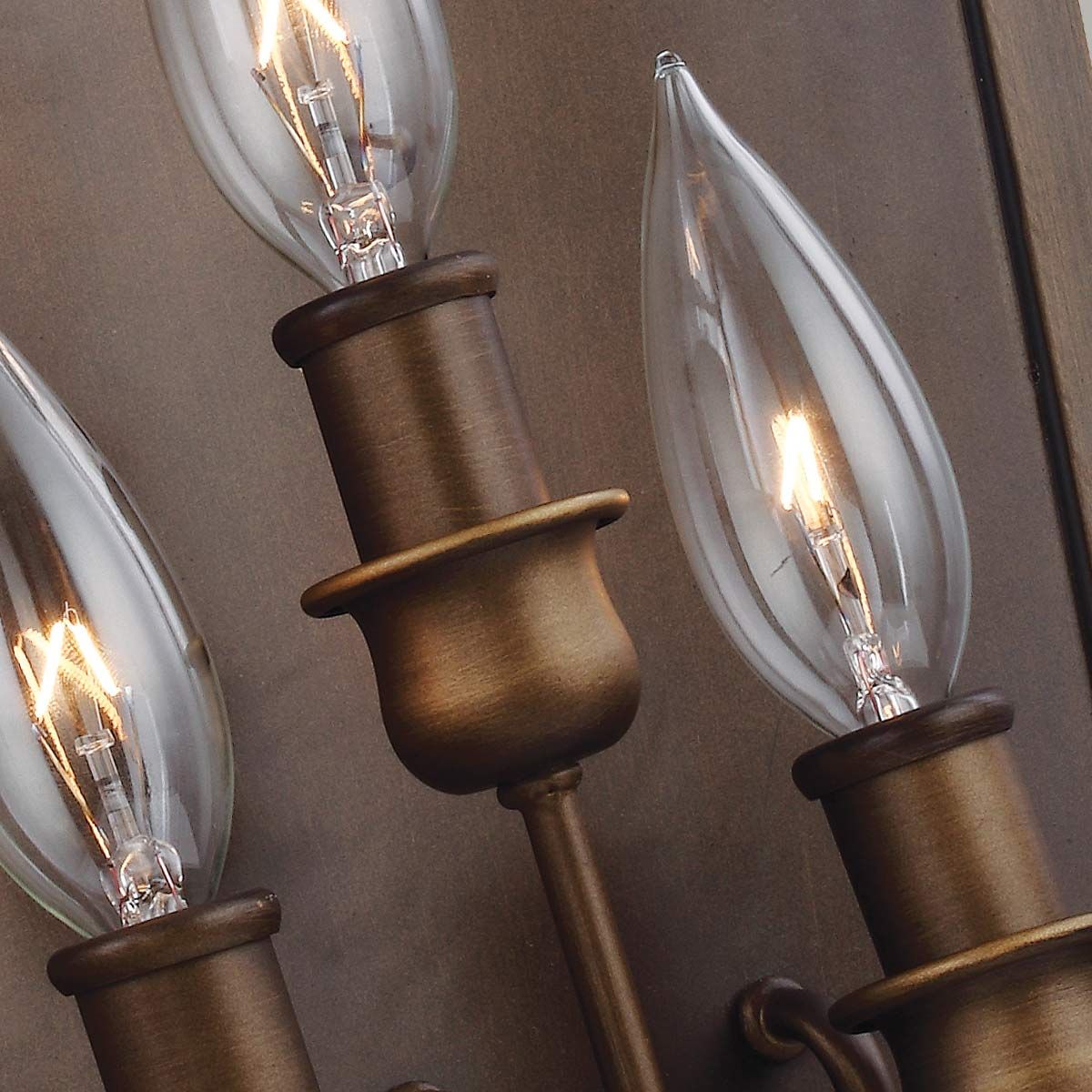
- Use candle bulbs in chandeliers and sconces for added authenticity.
How to Light a Medieval Home: Room-by-Room Tips
Great Hall / Main Reception
These larger spaces often had very high ceilings, you may need to consider lights that hang very low in the space. Explore Lights for Barns and High Ceilings as many lights have longer heights and the rustic nature of the lights works well with the style need for a great hall.
- Feature a large iron or wood chandelier (double tier for higher ceilings)
- Supplement with wall-mounted torches, sconces or uplight floor lamps.
Kitchen
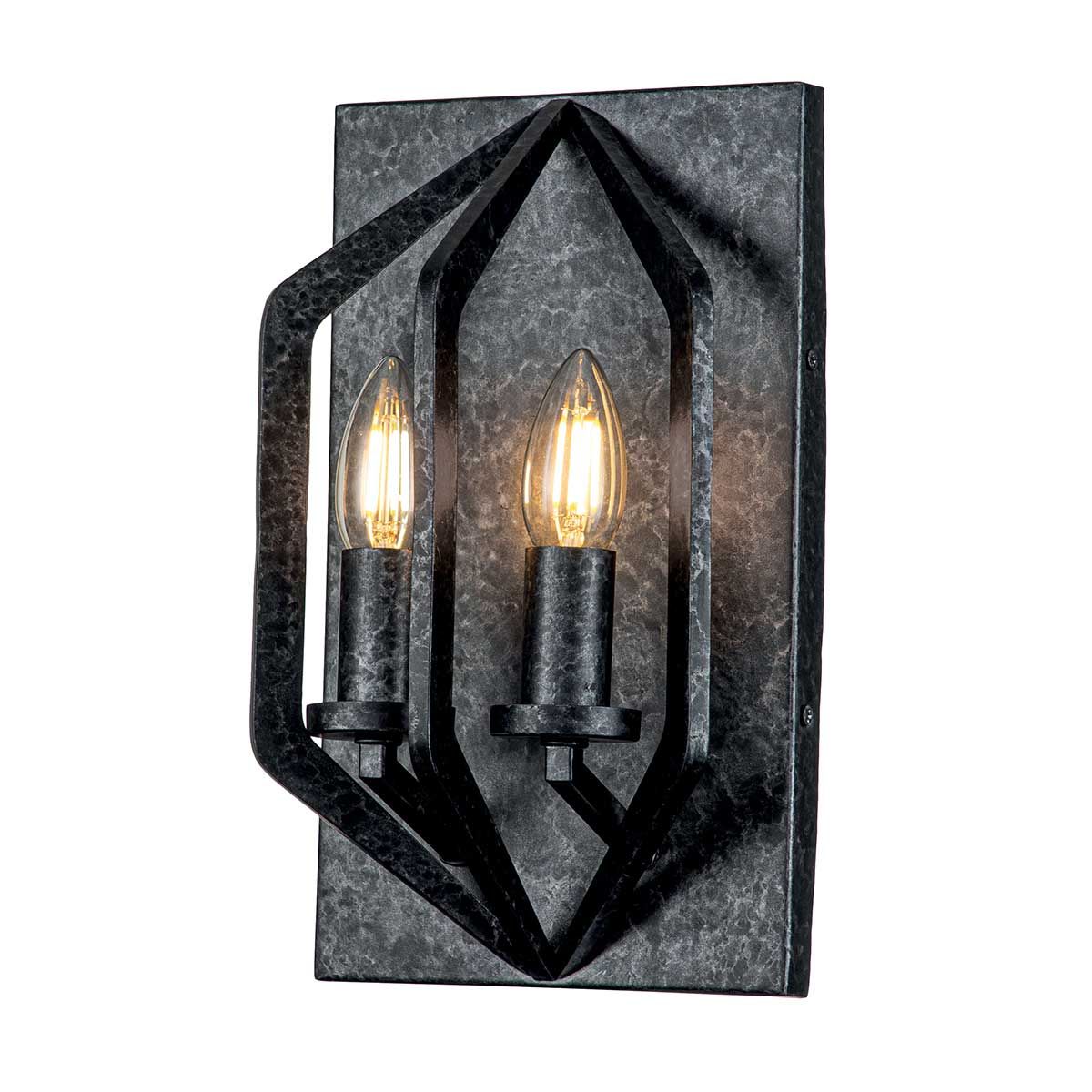
- Use open sconces with rustic backplates
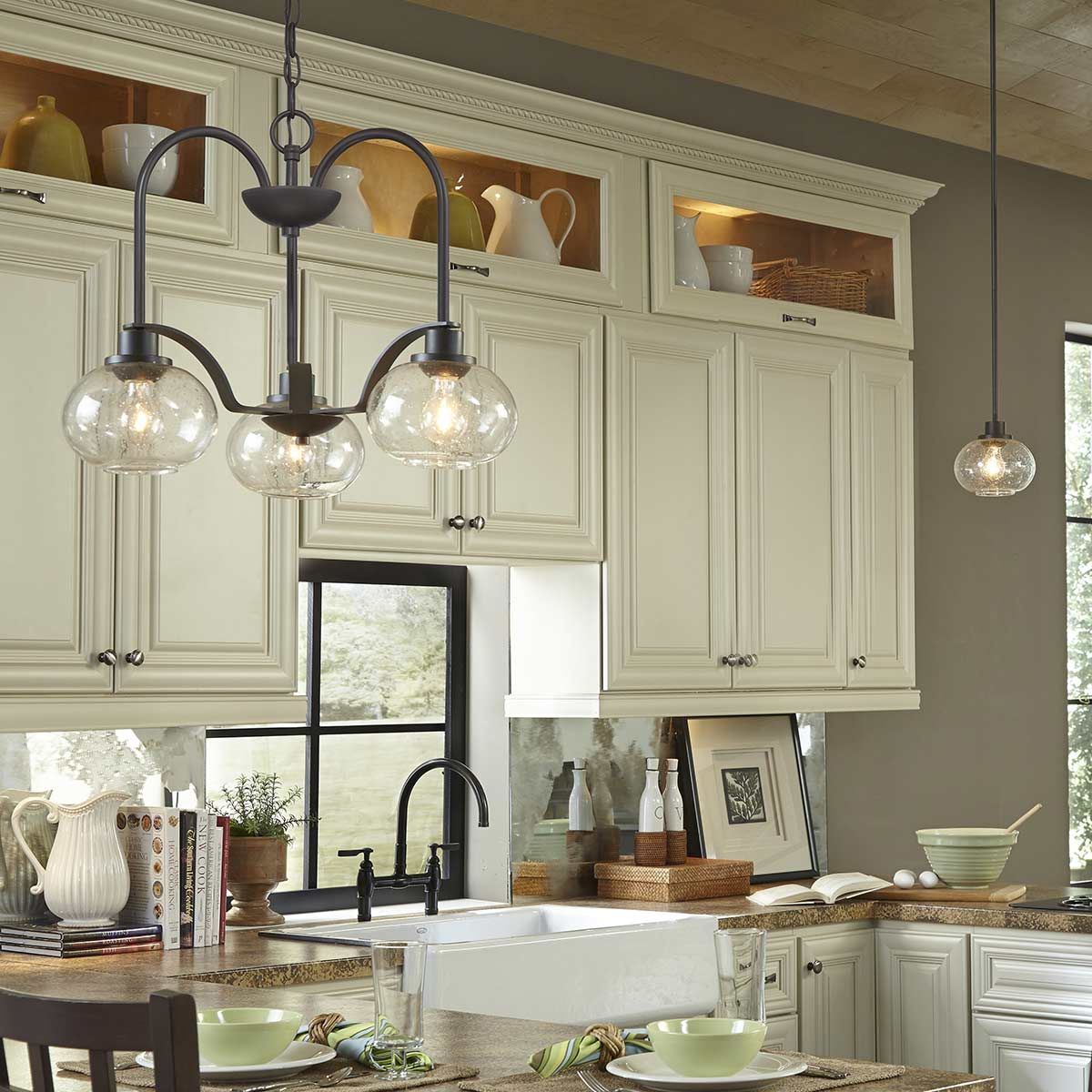
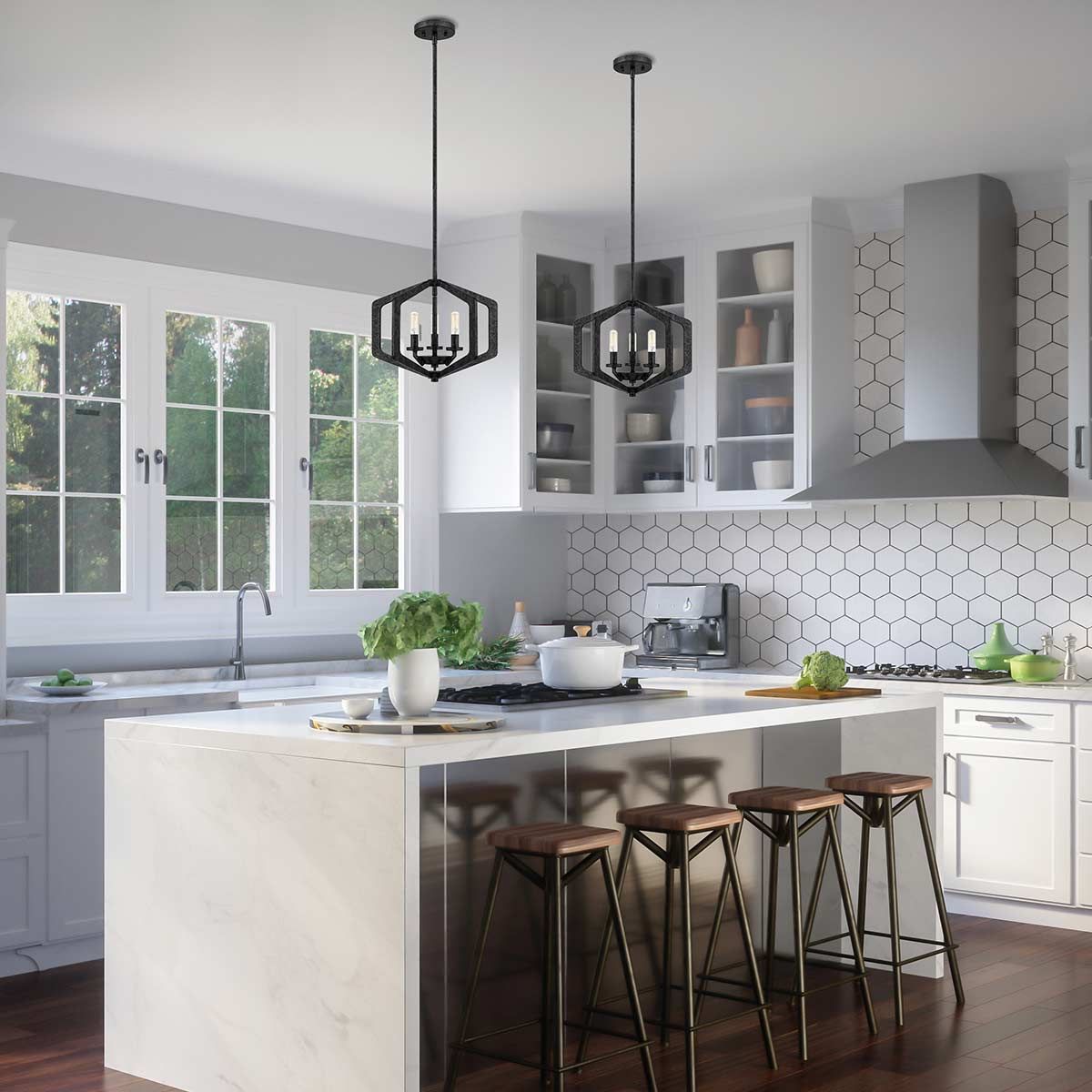
- Consider vintage style pendants over refectory tables, such as English Heritage Pendants Lights.
Bedrooms
- Bedside candle-style wall lights or table lanterns
- Avoid overhead recessed lights particularly in thatched properties—use soft, low-height lighting instead
- Hang a black chandelier if the ceiling is vaulted.

Hallways / Passages
- Wall lanterns spaced evenly with flickering LED candles
- Hanging Lanterns in black, rusty antique colours work well.
- Floor-level lighting hidden behind furniture if wiring is restricted
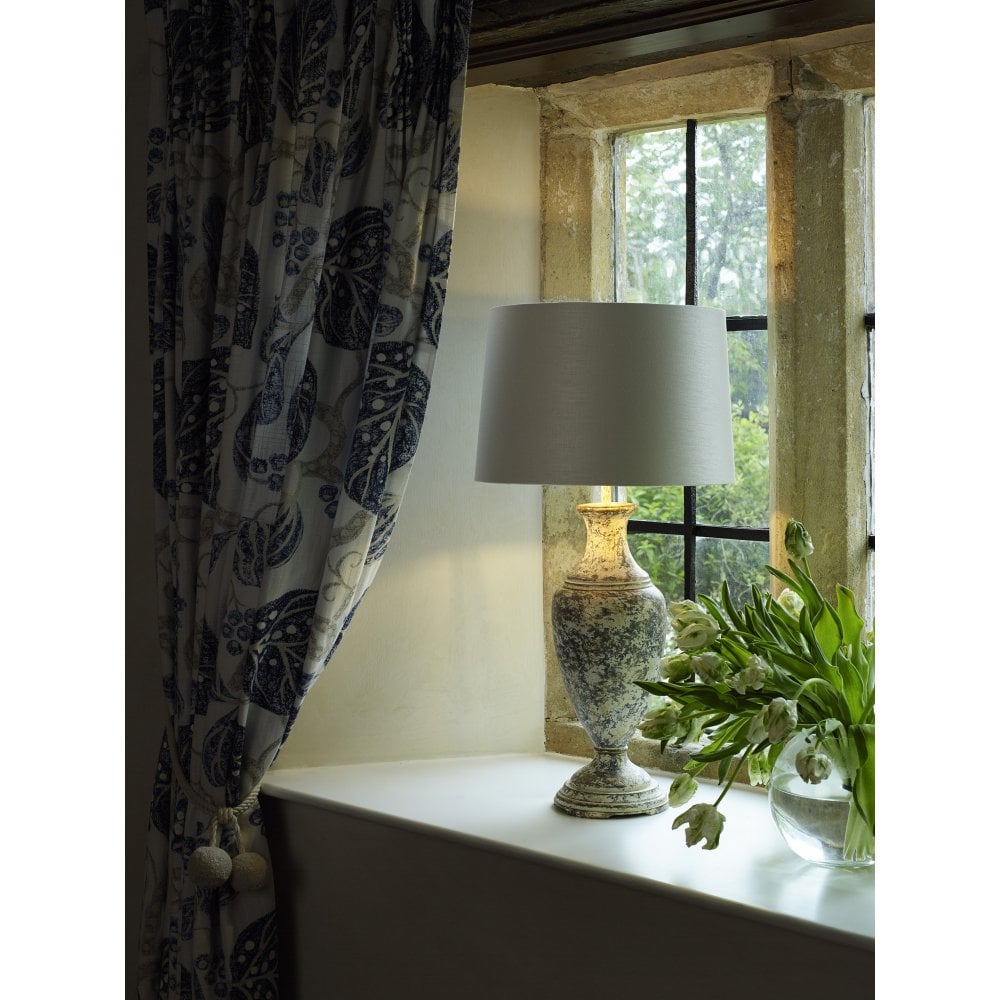
- Put lamps in windows to create a welcome glow.
Bathroom
The bathroom, a room that would not have been present at the time, needs to comply with modern safety regulations. Definitive Guide to Bathroom Lighting, will provide insight and guidance. Consider looking at wrought iron style outdoor pendant lights with an ingress protection of IP44 or above.
Product Matching: Medieval Lighting Collection
Explore fixtures inspired by authentic medieval forms:
- Wrought Iron Double Wall Sconce
- Forged Chandelier with Aged Candle Sleeves
- Amber Glass Medieval Lantern Pendant
Final Thoughts: Respect the Era, Live Comfortably
When it comes to knowing how to light a medieval home, it is all about creating a sense of historic continuity, not disguising its age, but celebrating it.
With the right fixtures, colours, and installation techniques, you can honour the building’s story while living in comfort. Whether you’re renovating a 15th-century stone manor, or a timber-framed cottage, stick to authentic forms and avoid over-modernisation.
And above all—consult before you drill! Listed building restrictions exist to preserve the soul of these remarkable homes.
Explore more
For further lighting inspiration for period homes read our article on Scottish castle inspired lighting ideas and tips and advice on lighting period properties with beams and high ceilings.
Share your lighting ideas and inspiration on our social media platforms. Search for us on Instagram and Pintrest for more inspiration and ideas.