
Transforming your attic into a bright, welcoming space comes with one common challenge, how to light a sloped or pitched ceiling effectively. Whether you’re creating a cosy bedroom, a stylish home office, or an airy living space, choosing the right lighting for a loft conversion with sloped ceilings can make all the difference.
In this article, we’ll explore practical lighting ideas for attic conversions, expert installation advice, and the best ceiling lights for pitched roof rooms to help you achieve lighting success in your loft conversion.
Understanding Your Sloped Ceiling
Attic conversions often feature unique ceiling shapes, from gentle pitches to dramatic vaulted designs. The angle of the roof affects both light direction and how fixtures sit in the space. A flat-mounted fitting can look awkward or throw uneven light, so selecting adjustable or directional lights designed for sloping ceilings is key.
When looking at lighting options for a sloped ceiling loft conversion, begin by assessing your ceiling angles, natural light sources, and the function of your room. This helps you plan the right combination of ambient, task and accent lighting and will help you decide the best fittings for the job.

How to Choose Lighting for Loft Conversions
When lighting a loft conversion, balance function with aesthetics:
- Purpose of the room: Task lighting for offices, softer ambient light for bedrooms.
- Ceiling height: Steep vaulted spaces can handle statement pendants; lower slopes may suit surface mounted spotlights.
- Ease of maintenance: Consider bulb access — once your attic is furnished, reaching high fixtures may be tricky.
- Colour temperature: Warm white (2700–3000K) creates cosiness, while cool white (4000K+) feels crisp and modern.
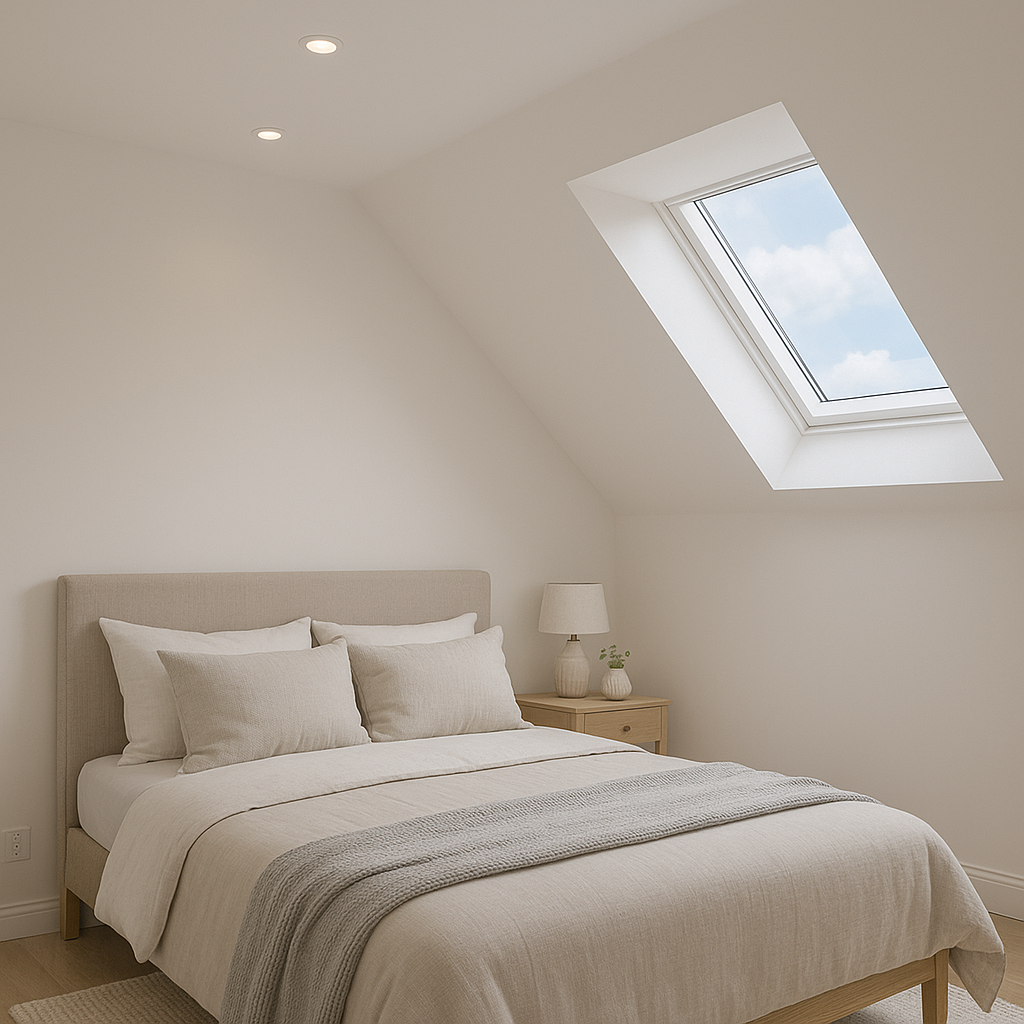

Planning Your Lighting Layout
Before choosing fittings, think about how each part of your attic will be used. Zoning your lighting helps create a layered effect: ambient lighting for general brightness, task lighting for practical areas like desks or dressing tables, and accent lighting to highlight beams or architectural details. Using this approach ensures every part of your loft conversion is functional and atmospheric.
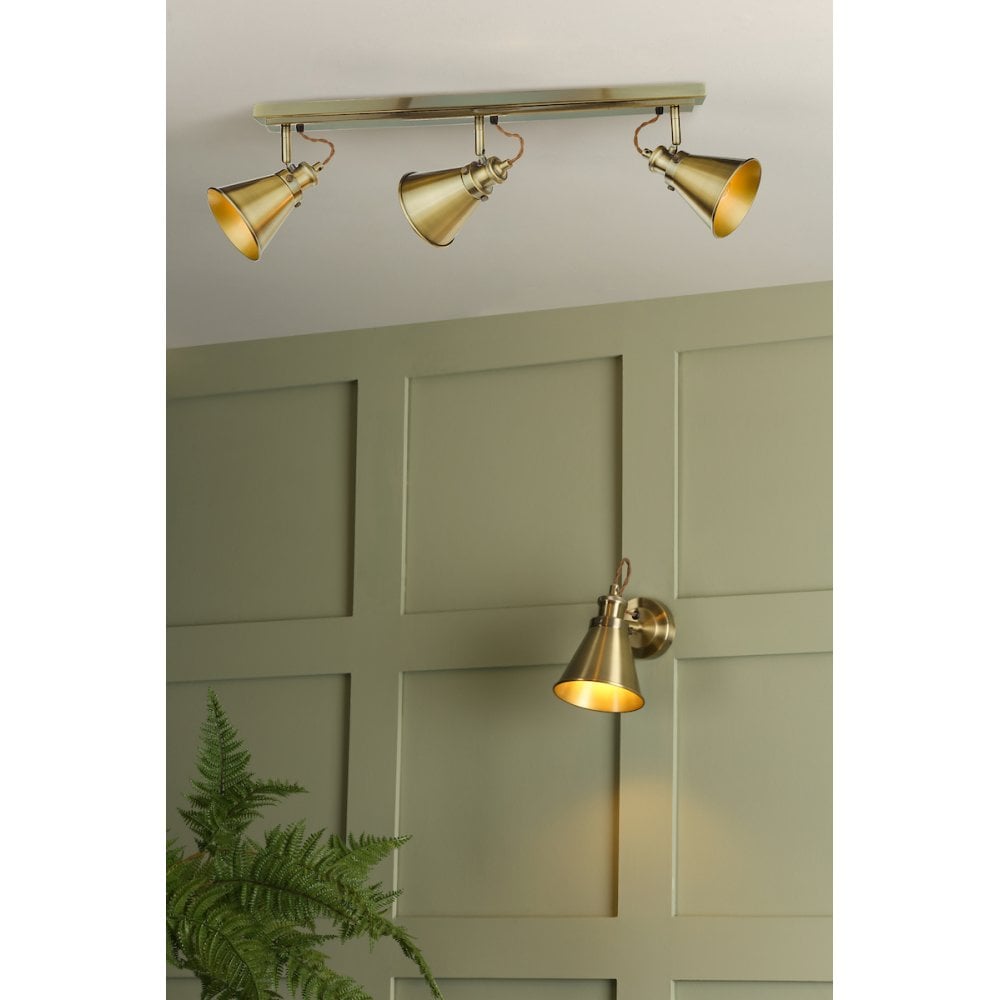
adding directional light
How Much Light Do You Need?
A quick rule of thumb for sloped or angled rooms:
Room area (in m²) × 100 = total lumens needed. For example, a 5m × 6.5m space = 32.5m² → 3,250 lumens total.
Spread this across fittings — ceiling pendants, wall lights, and accent lighting — to ensure balanced illumination across the slope and eaves.
Recessed Lights for Attic Conversions
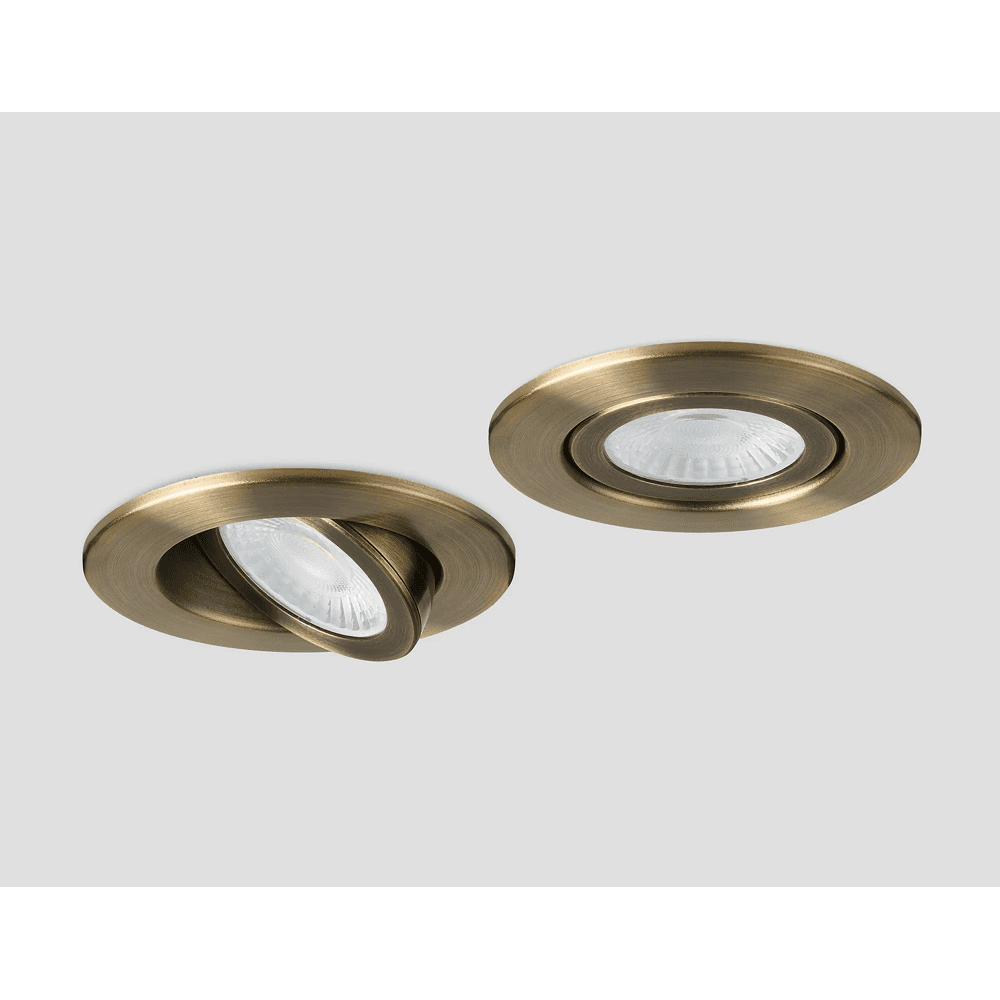
One of the most popular solutions for lighting attics and loft spaces is recessed lights. These low-profile fixtures blend neatly into surfaces, providing even illumination without cluttering the ceiling line.
Choose adjustable recessed downlights that can be tilted allowing you to direct light exactly where it’s needed and to ensure the light is angled correctly, such as onto reading areas, wardrobes, or feature walls.
Installation advice:
Note that using recessed lights is an attic conversion is not cut and dry. They should be installed correctly and attention should be paid to loft insulation and airflow.
- Use a qualified electrician to ensure fittings are rated for your ceiling type (especially if it’s insulated).
- Plan lighting zones before plastering — recessed fixtures require precise placement and wiring access.
- Use recessed lights on flat planes. On sloped or pitched roofs, they throw light straight down instead of outwards, leaving shadows along the slope and dark corners where you need brightness most.


Lighting Ideas for Attic Conversions with Vaulted Ceilings
If your attic features exposed beams or a dramatic pitch, vaulted ceiling lighting can enhance its architectural character. If there is considerable head height and roof space then there is the opportunity to add drama and create a statement with your lighting choices.
Pendant Lighting for Sloped Ceilings
Pendants are ideal for lighting sloped ceilings because gravity keeps them perfectly straight, even when the ceiling isn’t.
Consider a mix of pendant lighting and wall sconces to balance brightness throughout the room.
If your fixing point sits on a pitch, choose fittings with swivel-jointed or angled canopies. These adjustable canopies ensure the pendant drops cleanly from any incline.
Tip: When installing any ceiling light, always check that mounts and fixing plates are suitable for angled surfaces, and if you’re attaching a fitting directly to a beam, measure the beam’s width first to ensure the fixing plate will sit securely and level.
Design ideas:
- Suspended pendants: Adjustable cable pendants add character and can be hung lower to provide ambient light over beds or seating areas.
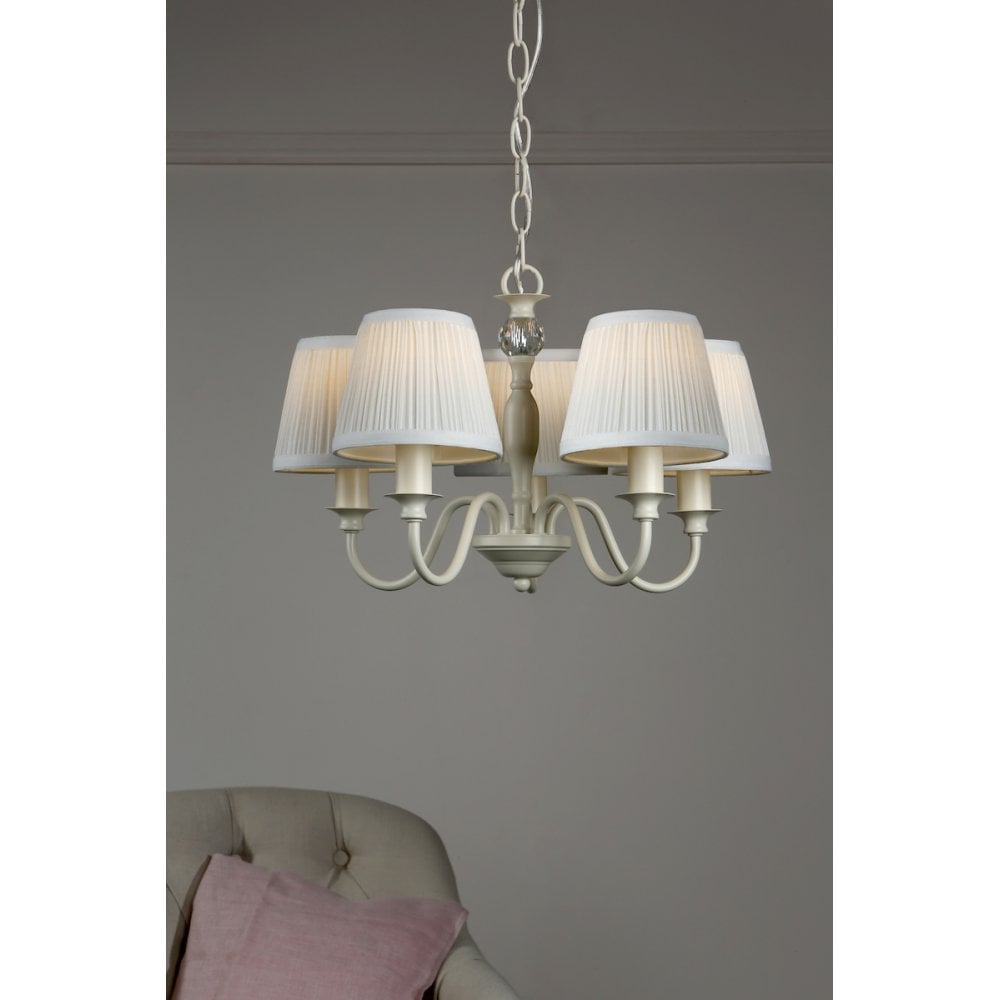
- Chandeliers on chains — timeless and practical; you can fine-tune the drop for balance or symmetry.
- Extra-wide fittings — such as multi-arm pendants or bars — create drama in open-plan spaces but must hang low enough that their width doesn’t clash with the slope.
- For steeper or high-pitched roofs, choose customised cable lengths or bespoke long drops from the outset. Not all lights can have extra cable safely added later, so select fittings designed for adjustable suspension.
Use the Architecture — Beams, Angles, and Soft Forms
If your sloped ceiling features exposed beams, trusses, or joists, use them as design anchors. Lighting fixed to or hung from the structure highlights craftsmanship and celebrates the architecture.
Layering lighting with a mix of ambient, accent and task lighting can really enhance your space, highlighting features, creating mood while keeping practical.
Design ideas:
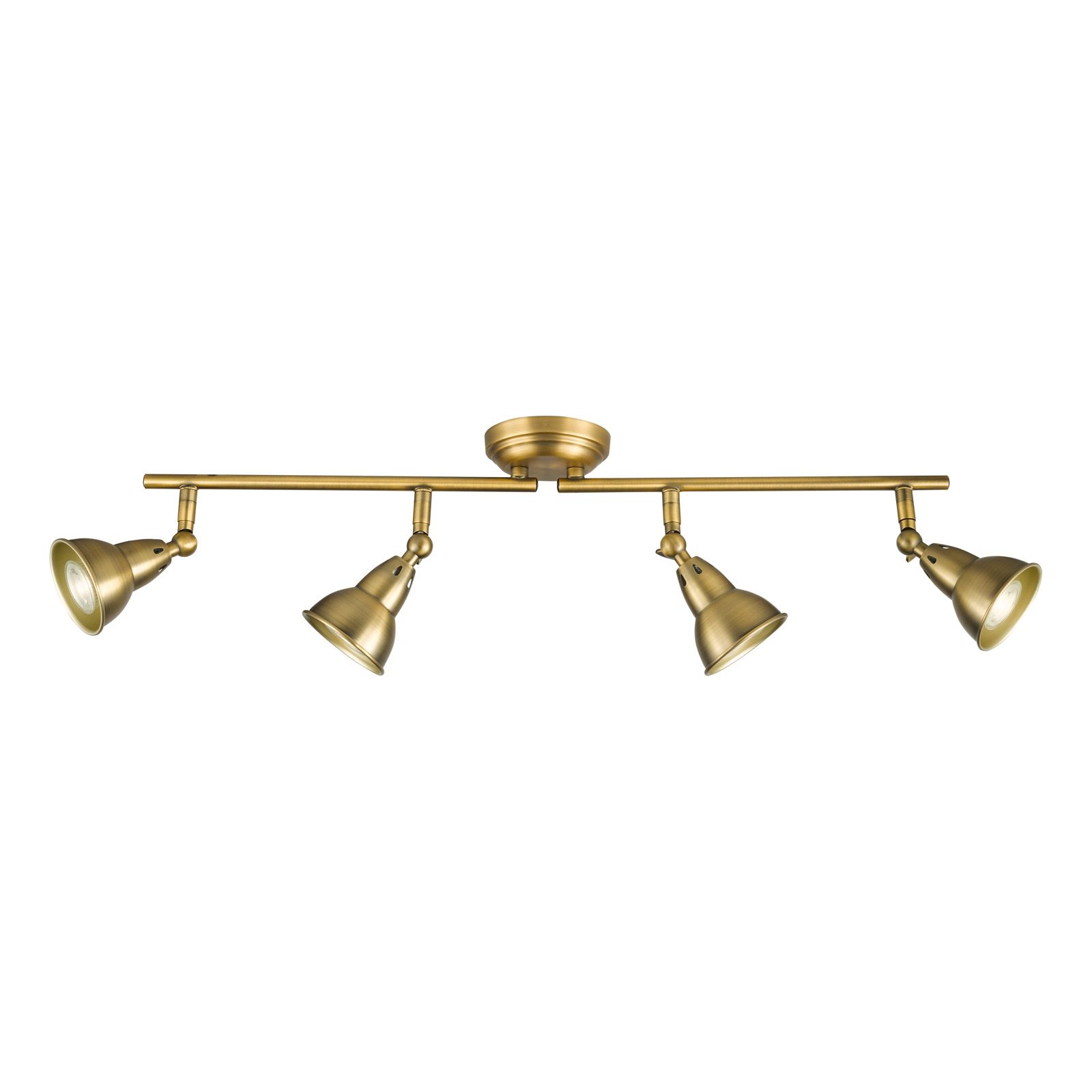
- Track lighting or Spotlight Bars: Flexible and practical, spotlight bars and track systems follow the roofline and allow you to reposition light heads which are ideal for highlighting artwork or beams.
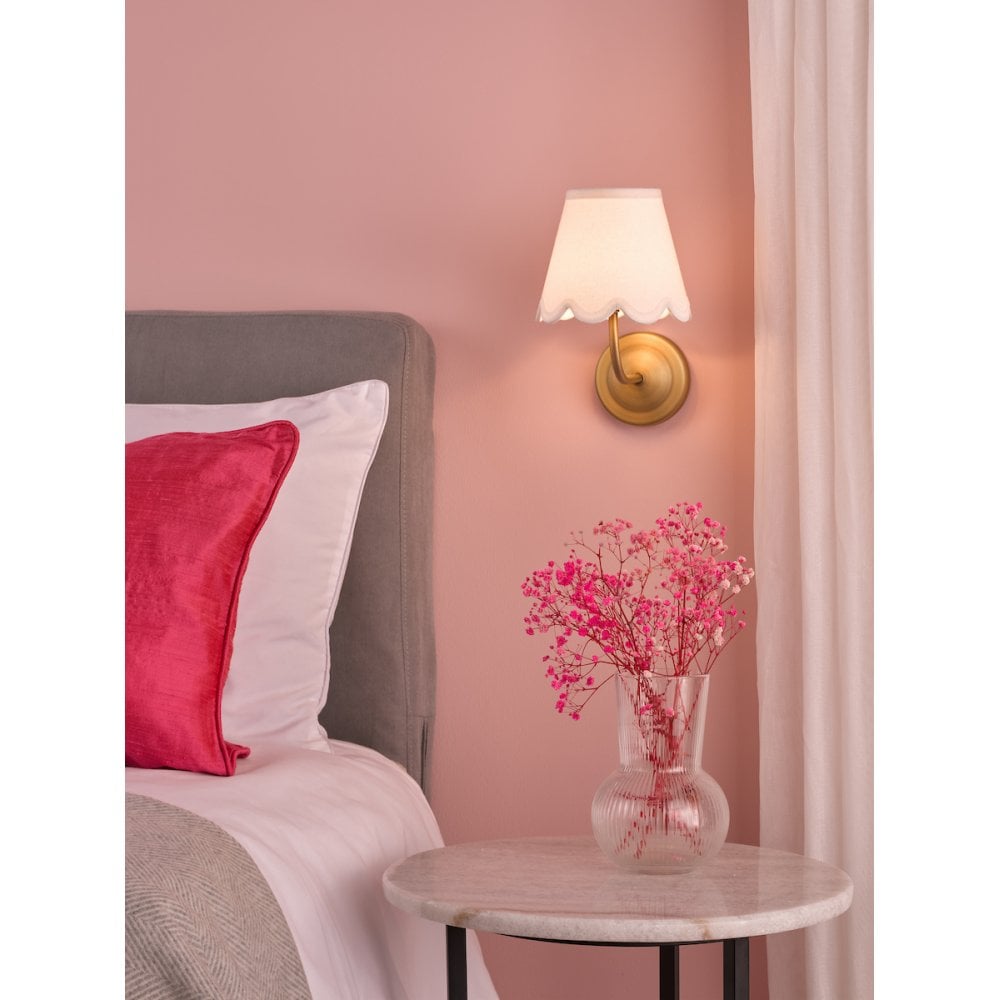
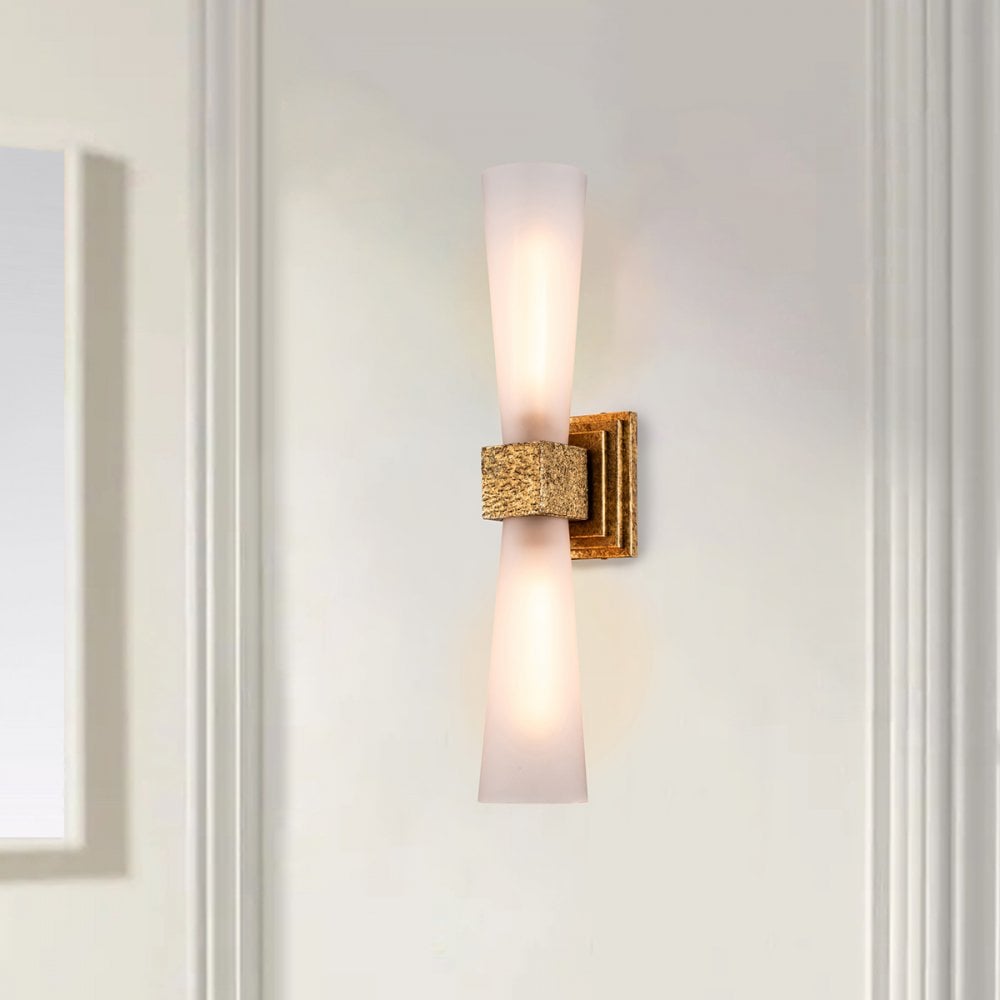
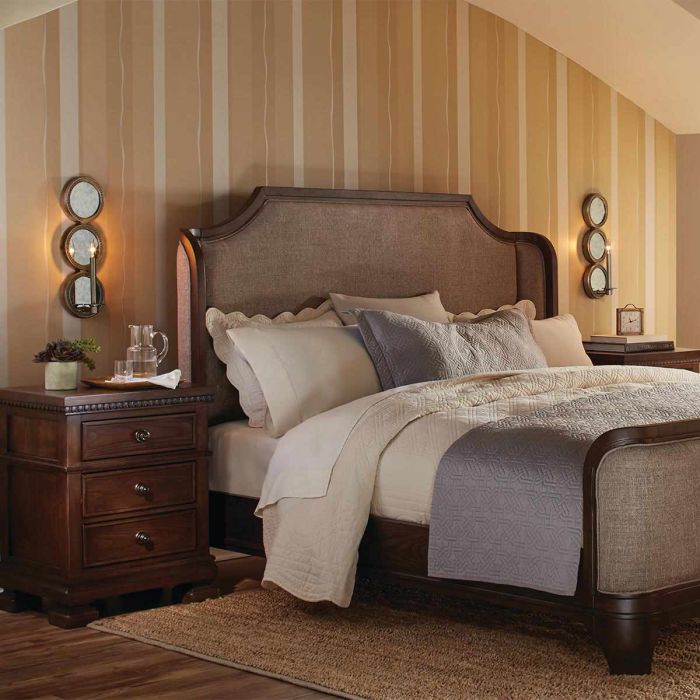
- Wall lights: Wall lights provide soft, indirect lighting and reduce reliance on ceiling fixtures, especially in steep-angled spaces.
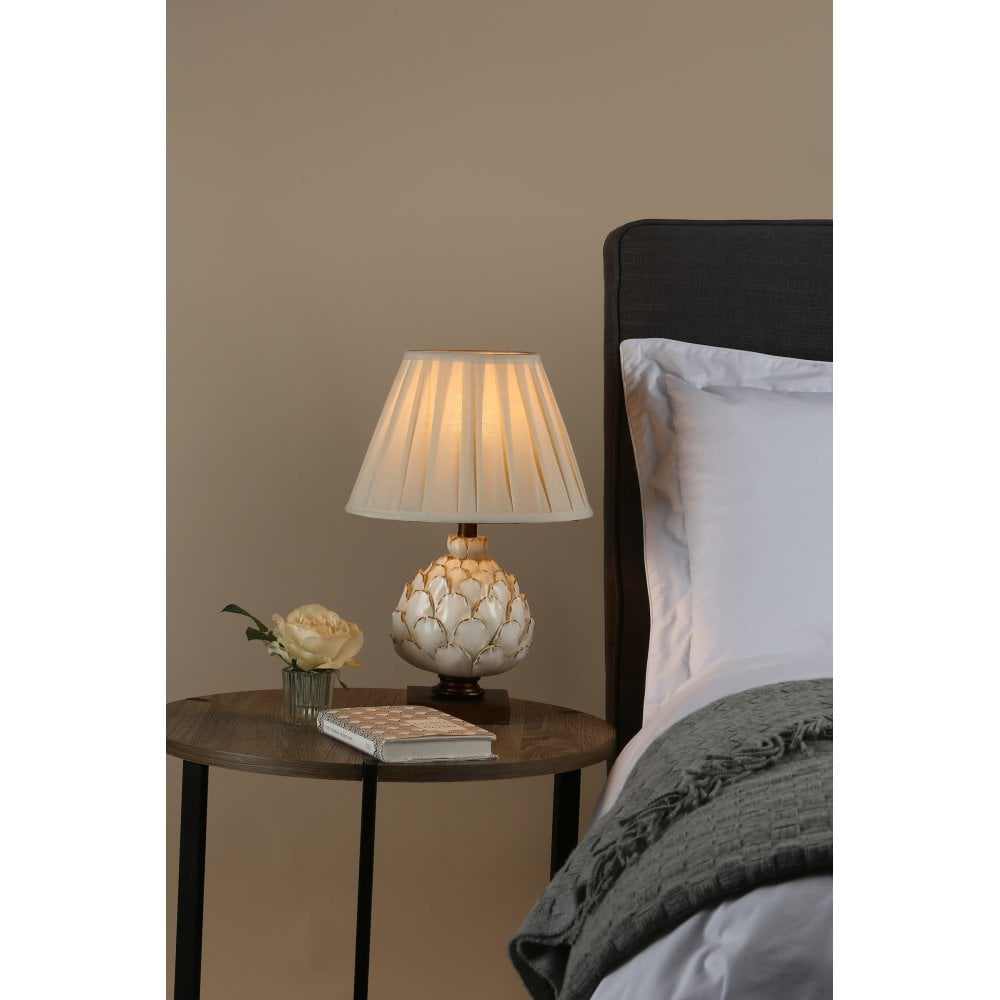
- Lamps: Bedside lamps or desk lamps add additional layers of lighting for a warm and cosy feel or for extra task lighting when needed.
Finishes, Shapes and Forms
Considering finishes, shapes and forms when choosing your lighting can complete your look and help compliment the harsh angles of your space.
For rustic attics, warm-toned LEDs and textured shades add charm, while minimalist designs suit contemporary conversions.
- Rustic charm: aged-brass fittings and visible twisted flex looped over timber beams.
- Industrial edge: matte-black cage pendants on sturdy chains that echo the structure.
- Modern luxury: smoked glass or metallic finishes to contrast with pale plaster or timber.
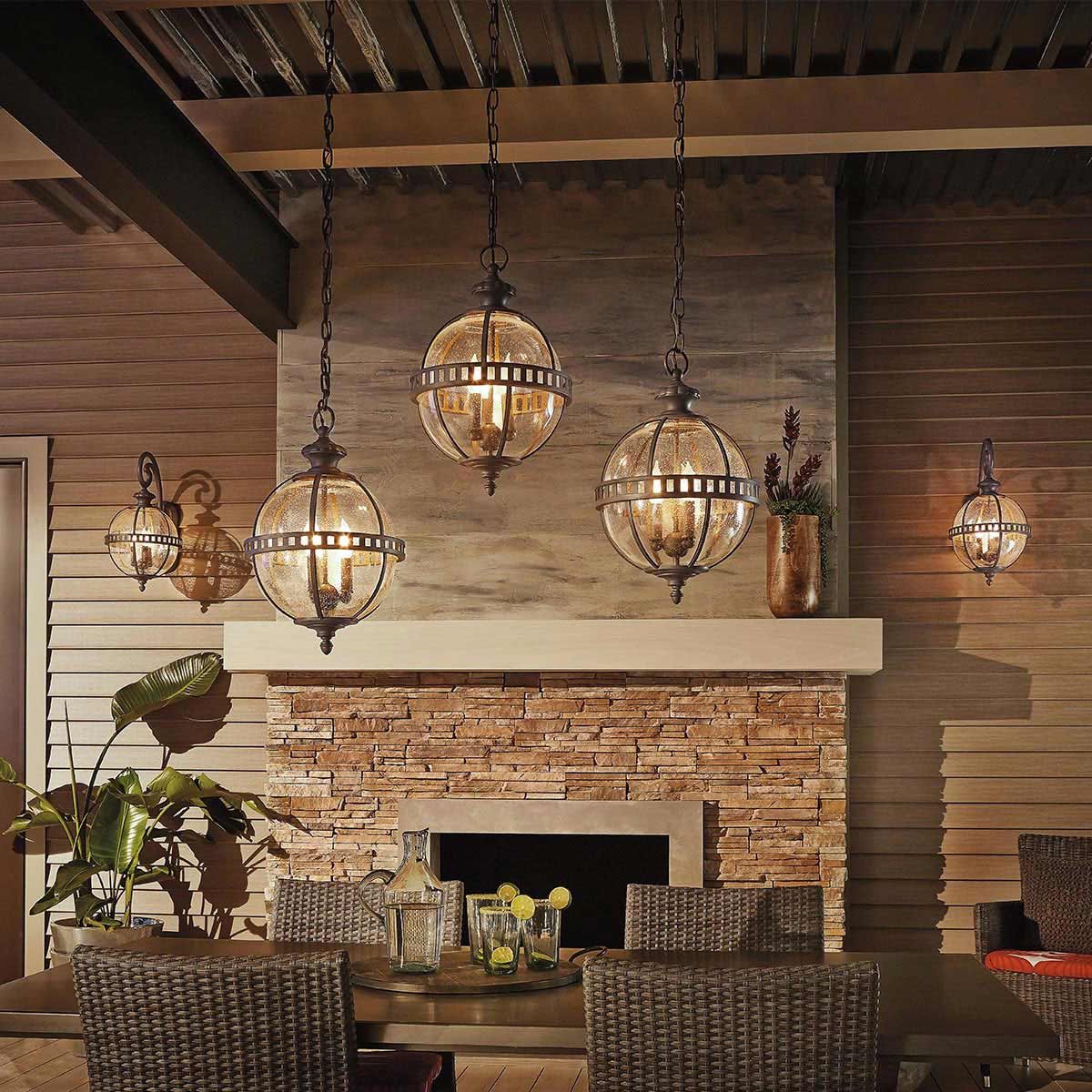
Globe and drum-shaped lights are particularly effective in angled or stepped interiors. Their rounded forms soften hard geometry and provide calm visual balance. A large globe pendant or fabric drum shade diffuses light evenly across the slope, juxtaposing beautifully with sharp rooflines and creating harmony in otherwise angular spaces.


Quick Fixes and Cost Effective solutions
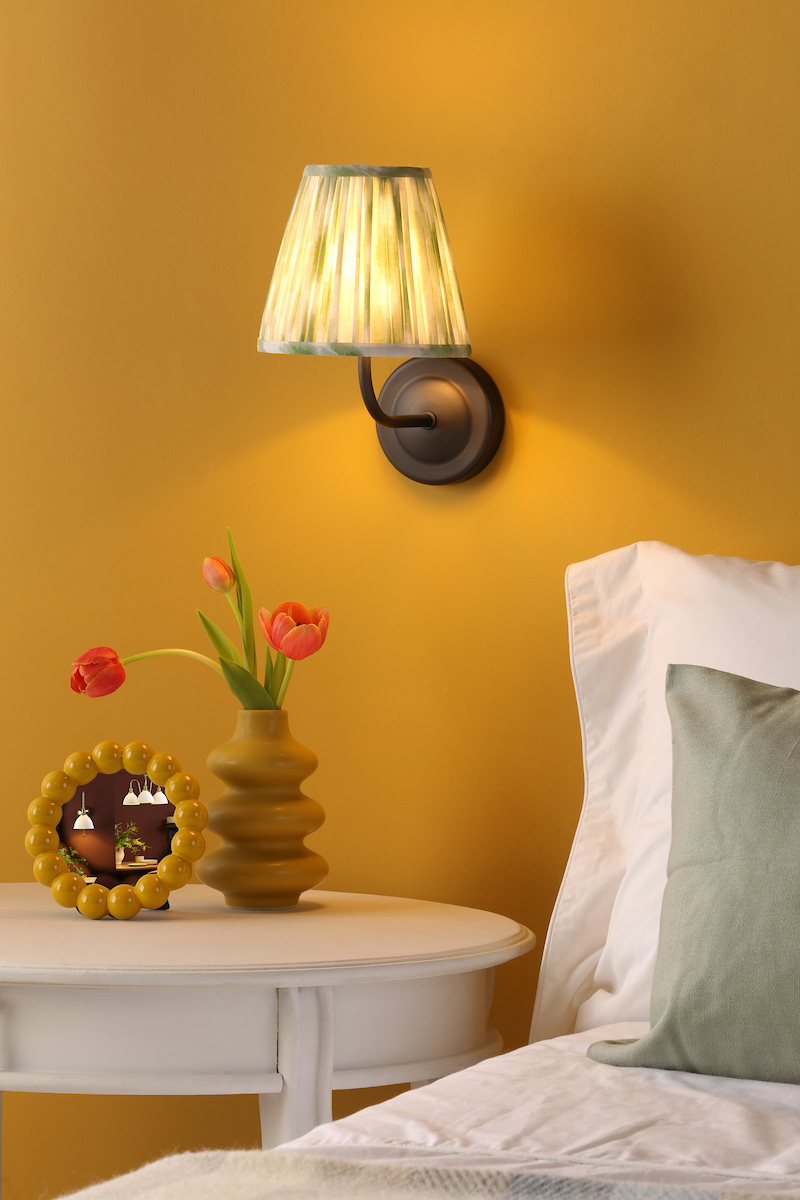
If wired fittings are not an option, or space is limited, a cost effective solution is using modern rechargeable light fittings. These do not require electrical installation and can easily add additional lighting or help you update your look cost effectively.
Highlight the Height
If you have a large open space with a pitched or sloped ceiling, celebrate the height. Height draws the eye upward so make the most of the height in your space and make that movement part of your design.
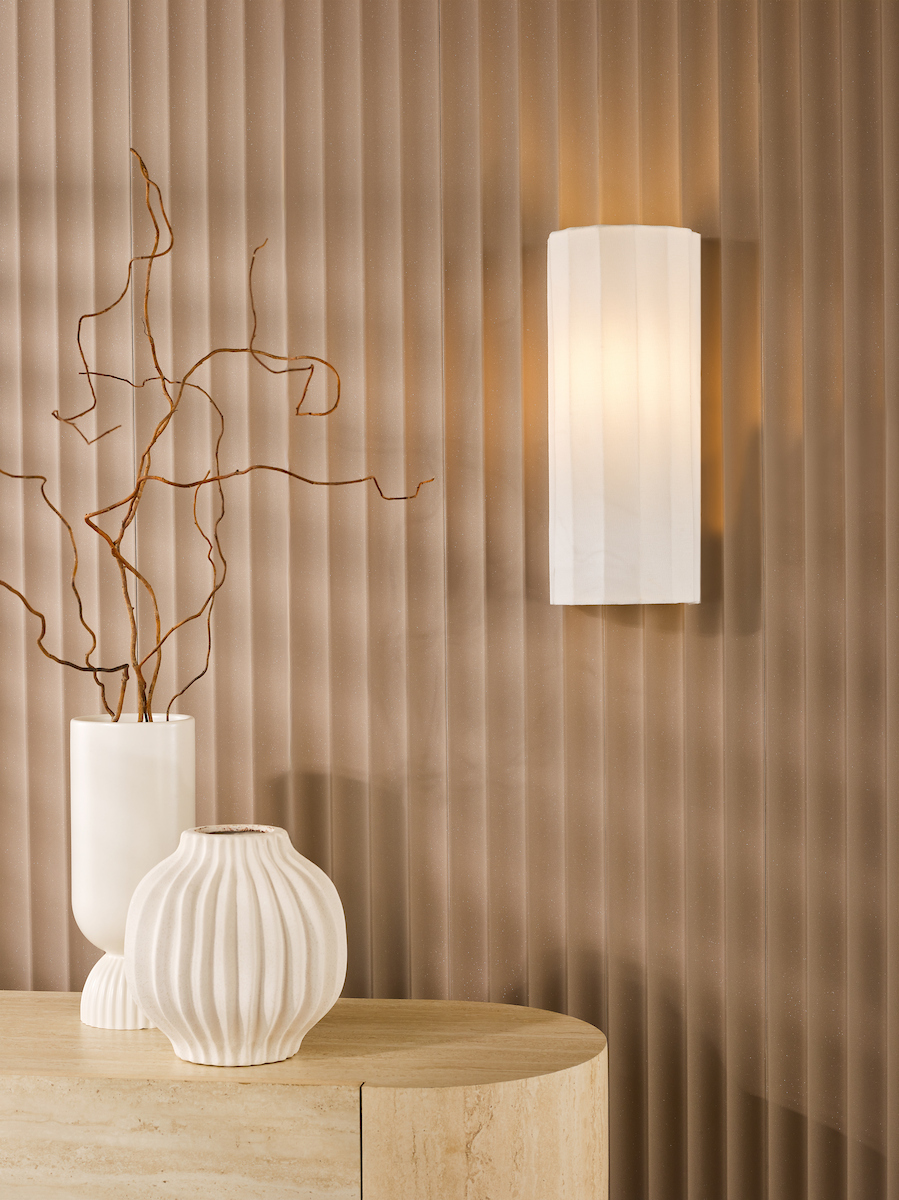
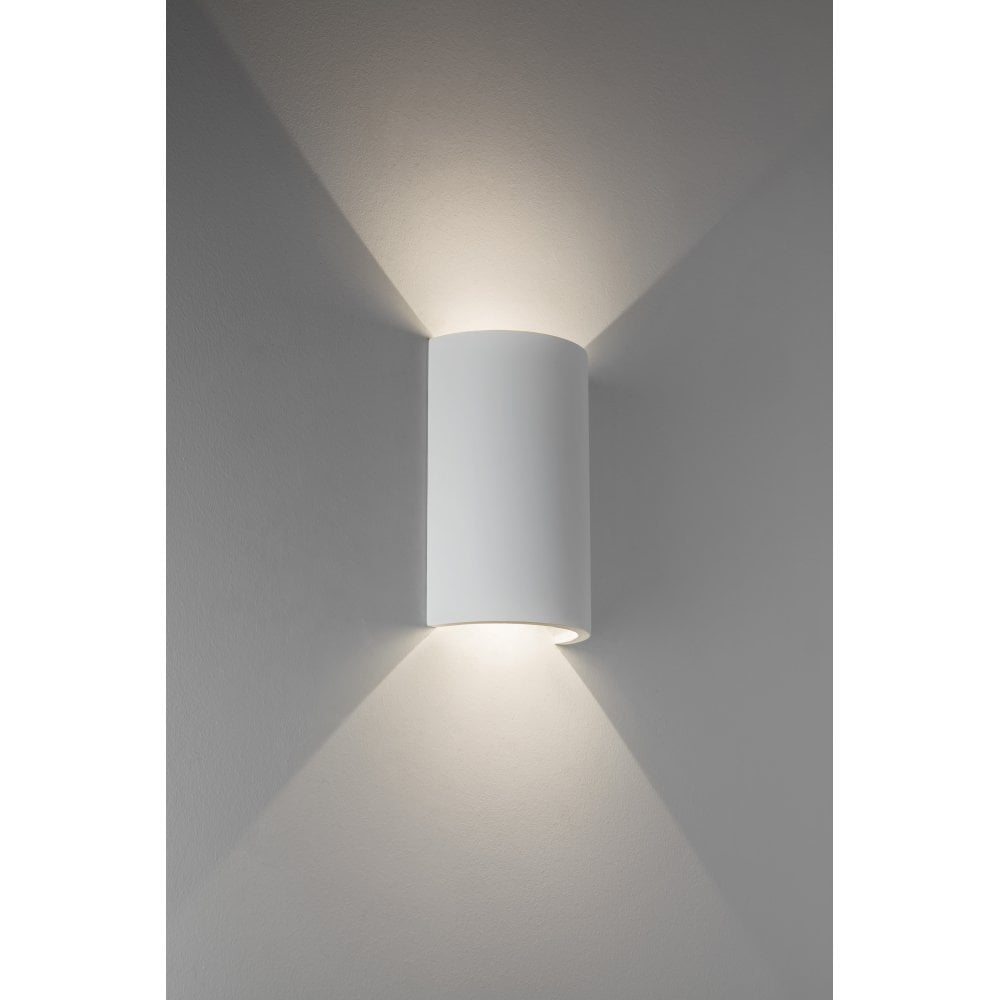
Mount wall washers or uplighters along tall gables to reveal height. Use picture lights or accent beams to spotlight architectural details. Combine globe pendants with up lighting for depth and atmosphere.
The aim is to celebrate the height, angle, and openness that sloped ceilings create, rather than flattening them with uniform light.
Sloped Ceiling Lighting Tips and Installation Advice
Installing lighting on an angled ceiling requires thoughtful planning. Here are key sloped ceiling lighting tips to ensure a flawless finish:
- Plan for wiring early: Sloped ceilings often limit access after insulation and plastering, so get your lighting design finalised before construction finishes.
- Use dimmers: Attic rooms benefit from adjustable lighting levels, especially where natural daylight varies.
- Mind the scale: Oversized fixtures can dominate smaller loft rooms so opt for slimline, proportionate designs that add illumination where needed but without comprising head space. Opt for statement pieces in conversions with high ceiling space.
- Highlight features: Use directional spotlights or uplighters to accentuate beams or sloped architectural details.
- Safety first: Always check fixture suitability for low-ceiling areas to avoid head height issues and heat damage.

Summary: The Best Ceiling Lights for Rooms with Pitched Roofs
When selecting the best ceiling lights for other rooms with pitched roofs, as well as attic spaces, look for fixtures that complement both the slope and your interior style.
Consider adjustable pendants for stairwells or central spaces; choose surface-mounted spotlights as a less invasive alternative to recessed lights; try LED strip lights for adding subtle illumination along rafters or shelving; and add track lighting systems for flexible, directional light across angled ceilings.
Combine these with layered lighting — ambient, task and accent — for a space that feels both practical and inviting.
If height and space is there, then celebrate it! And is space is a minimum that choose fittings wisely. Combining a few carefully chosen fittings can make all the difference in the space.
More Lighting Inspiration
For more inspiration and to find the perfect lighting for sloped ceilings, explore our full collection of ceiling lights, wall lights, and recessed fittings at http://www.lightingcompany.co.uk.
Read more on how to light high ceilings with our helpful Guide to Lighting Vaulted Ceilings and How to Light Beamed and Timbered Ceilings.