
HOW SHOULD I CLEAN MY LIGHT FITTINGS?
Tips For Cleaning Your Light Fixtures By Design And Room Type
It may sound obvious but please ensure that the light is switched off and the bulb has cooled down before doing any cleaning. The brass, metal or painted frames of light fittings should only need a dusting from time to time with a feather duster or soft brush.
Brass fittings are often coated with a lacquer to stop tarnishing, so please do not use abrasive cleaning products on your fittings.
If your brass lights are not coated, they will over time, develop an attractive rich natural antique patina.
The best way to clean crystal is by using a small amount of mild washing-up liquid, diluted in water.
Use a cotton glove to rub over each crystal with the soapy water and then use a drey glove to dry them.
If you are able to remove the crystals for cleaning, you can immerse them in the soapy water, rinse with clear water and leave them to dry naturally before refitting.,
Please ensure you make a note of where the crystals go before removing them, otherwise you could end up in real trouble.
If you are lucky enough to have a large crystal chandelier, it may be worth buying some special crystal or chandelier cleaner.
You can then spray the crystal decorations with the cleaner and leave them to drip dry - Place a suitable cloth underneath the light to catch and stray drips.
Cleaning Light Bulbs
Aside from decorative light bulbs, which are now popular in the interior design world, many lighting designs do not include the light bulb directly on display.
Having said that, a nice, clean light bulb is the ideal base for any light.
Not only do filthy light bulbs seem unappealing, but they can also contribute to energy waste!

Cleaning your bulb involves a few basic steps:
Check that the light is turned off.
Allow the light bulb to cool down.
Remove the light fixture
Simply wipe the bulb with a dry microfiber cloth.
If a damp cloth is required to remove excess dirt, avoid getting the metal part wet.
Sudden temperature swings can cause light bulbs to break quickly, therefore keep this in mind when cleaning the light bulb and avoid using hot water on a cooled down light bulb.
Cleaning light bulbs will help you get the most out of each bulb's lifespan and boost its brightness!

Lounge Lights
When it comes to cleaning lounge lighting, dusting non-fabric lampshades using an extended duster is an excellent place to start before removing the shade for a full deep clean.
A damp cloth, for example, may be more effective at wiping away dust and dirt from lounge lights such as metal pendant lights in copper or polished chrome.
A quick polishing will restore the sheen to the lounge light flawlessly!
If you have a chandelier-style light in your living room or hallway, it's worth noting that cleaning products for crystal chandeliers are available, though certain specialised cleaners can actually degrade the gloss of the metal components, so proceed with caution.
Recessed ceiling lights are an excellent lounge lighting choice that will assist in keeping the lights in your lounge clean.
Spotlights and downlights lack the exterior accessories of a lampshade that gather dust, making them an excellent lighting solution for kitchens and bathrooms where cleanliness is essential.
Kitchen Lighting
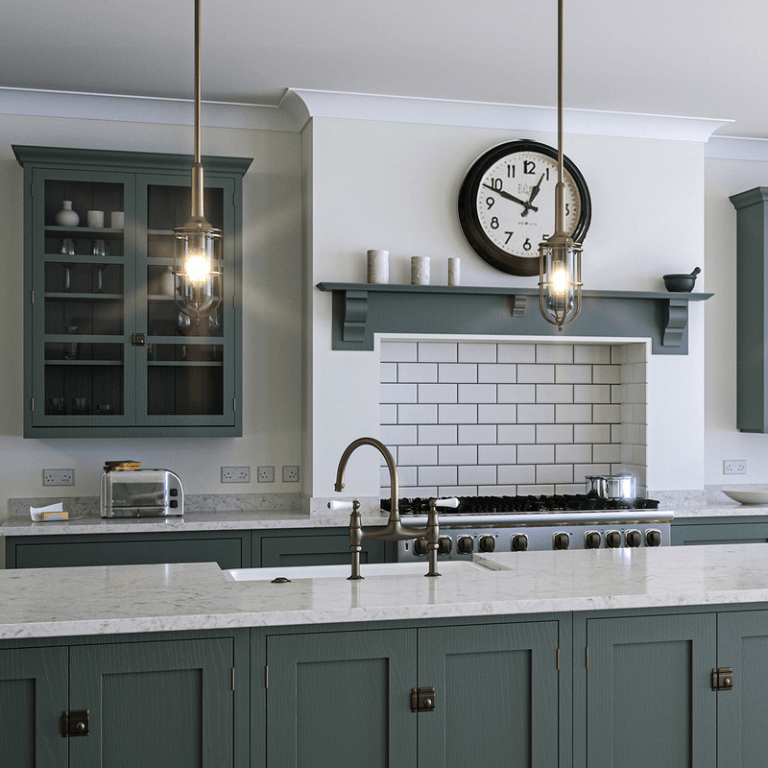
It's not uncommon for grease and filth to cling to kitchen lights as a result of constant cooking, and the kitchen is surely a spot in your home where you'd like to have maximum light output.
Steam from cooking activities will also coat kitchen lighting and eventually create a residue, requiring cleaning more regularly than other lighting in your home.
Again, a soapy water solution can be used to clean the dirt that has accumulated on the glass and metal lamp shades in the kitchen, and a dry cloth can be cleaned up to the ceiling fixture to easily remove any dust from that region.
Concentrate on the tops of pendant lights because that is where the majority of dust will naturally settle.

Bedroom Lighting
When it comes to bedroom illumination, we are most likely to use fabric lampshades. Fabric, like the previously stated glass and metallic lampshades, can readily attract a dust accumulation; the dust is frequently simply hidden better!
To remove dust from your fabric lampshade, use a damp sponge, or if it requires a more thorough cleaning, fill a basin with warm water and swish it around before leaving it to dry naturally.
To remove the top layer of dust from bedroom lights with fabric lamp shades, use a lint roller or vacuum cleaner with an upholstery brush.