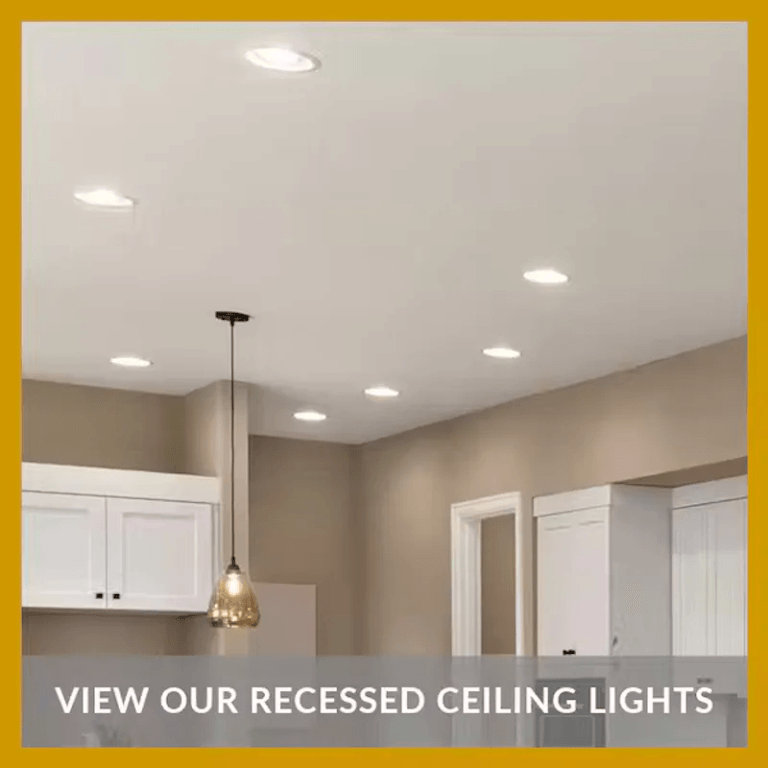
I LIKE THE IDEA OF RECESSED DOWN LIGHTS - WHAT SHOULD I CONSIDER?
Downlights are becoming very popular and when installed in a room can help to create an uncluttered look with a feeling of space.
The fitting is largely out of sight as it is hidden in or above the ceiling, the only part on show is the decorative rim with the bulb in the middle.
They are especially popular in kitchens and bathrooms as they give a modern sleek appearance to a room.
The current trend is to put recessed downlights in other rooms as well - contemporary sitting rooms, bedrooms and hallways all look good with recessed downlights.
When selected carefully and in the correct numbers they give an even shadow-free light.
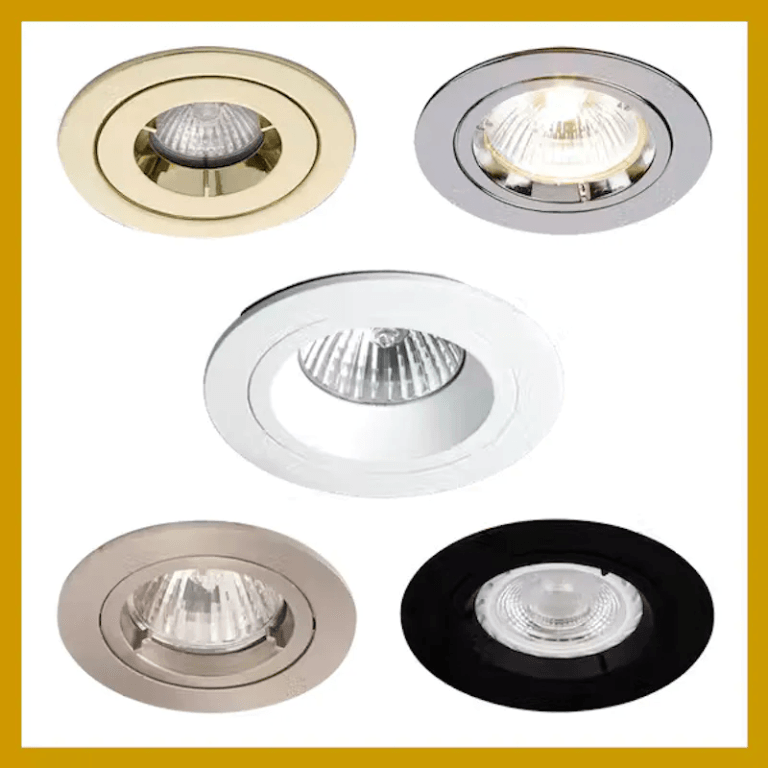
They come in many finishes including white, chrome, satin chrome, satin nickel, polished brass, antique brass and satin brass.
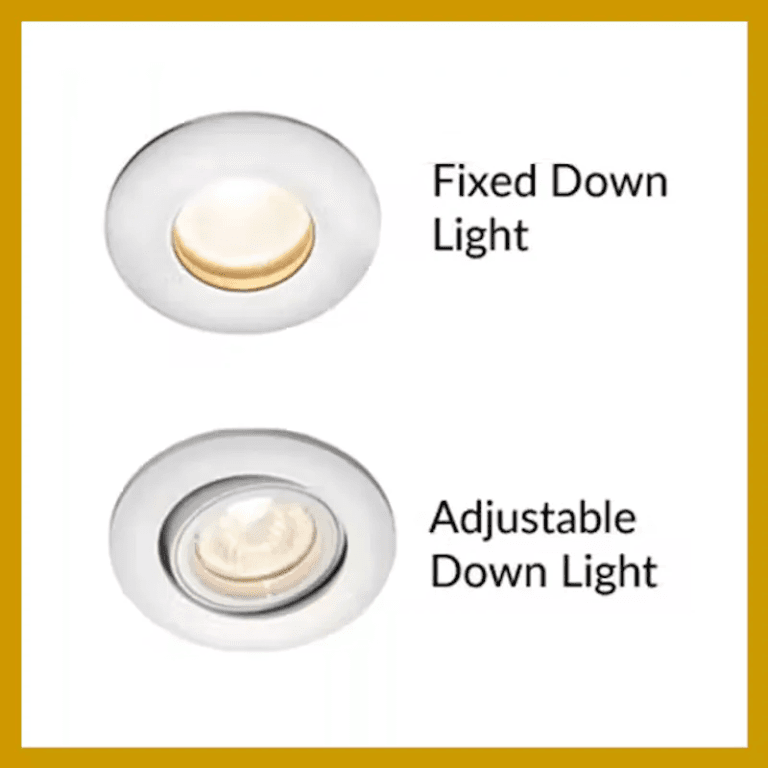
Usually, downlights have a pressed steel or cast aluminium lamp holder with a decorative rim that is held into the ceiling using spring clips or compression clips. There are 2 basic downlights available - fixed or adjustable.
These are the basic downlights which have a fixed centre. The bulb is fixed into the lamp holder and held in place by a spring clip or a twist and lock mechanism.
The twist lock mechanism is normally used in higher quality cast aluminium fittings where the front has a removable section that twisted and locks holding the bulb in place.
These are constructed in the same way as the fixed downlights but the main difference is that the centre of the fitting can be tilted allowing some adjustment of the spotlight beam.
These can be useful if you want to direct the light at an angle towards a kitchen worktop or sink.
If you are building a new property or renovating an existing one there will be various rules and regulations that you must comply with. Regulations cover all manner of things from sound insulation (how far sound travels through a downlight), draft proofing, fire rating (How long they will prevent a fire from spreading to the room above), how much space is needed around and above the fitting in the void or ceiling above, as well as how efficient they are ( how much light is produced from the power used). Your local council will be able to advise you on the regulations that apply in your area.
Although it is probably stating the obvious, you will need to cut holes into your ceiling in order to instal downlights, so you need to be sure this is the way you want to go.
If you decide you do not like them afterwards, you will be left with lots of holes in your ceiling which will be difficult to disguise.