Are chandeliers fashionable?
Yes! Chandeliers have been a mainstay of lighting design for Centuries. Did you know that they are also sometimes referred to as a girandole (a French word, derived from Latin) or candelabra?

The basic meaning for this is a branched ornate support for candles. This would have been what they were referred to from the 5th to the mid-18th Century when the word Chandelier made its way into the English Language in 1736.
Chandeliers are synonymous with luxury and status and were popular in palaces and homes of nobility from the 15th Century. Originally used with lit animal fats, these gave way to candles over time which allowed for a finer, more decorative silhouette.
Medieval Chandeliers
During this time, they would have been based on cartwheel rings or crown designs. Made in wood or wrought iron, they epitomise the era.

Gothic Chandeliers
As techniques were honed and advanced, chandeliers became more ornate throughout the era, with the introduction of Gothic elements in chandelier designs.
18th Century Crystal Chandeliers
The next major change in chandelier design was when glass-making took an important advancement with the introduction of lead. This led the way to the crystal chandeliers that many of us instantly think of when we imagine a chandelier.
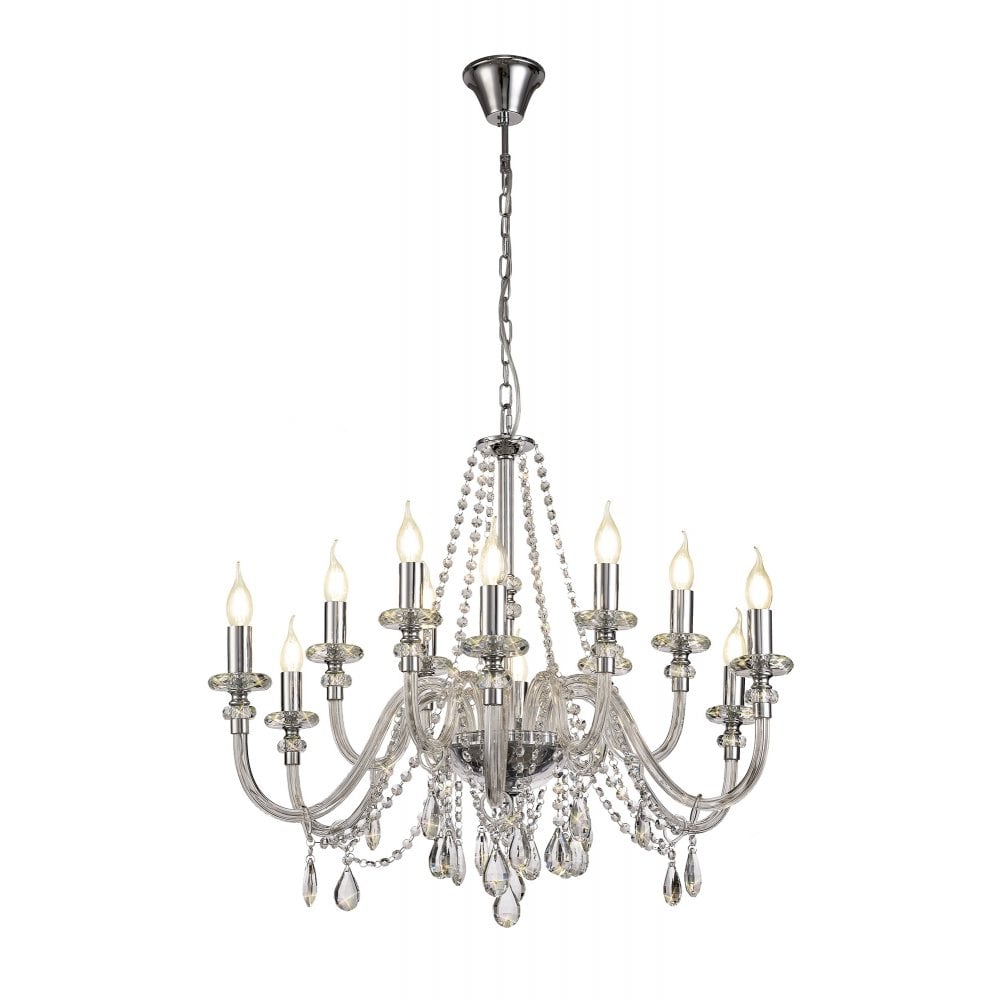
More ornate cast ormolu (gilded) chandeliers were created to add further decadence to the sparkling designs. Faceted glass with lead content created prisms of light that added colour that had not been experienced before.

Victorian Chandeliers
Throughout the evolution of chandeliers to this point, we see them getting increasingly ornate. In the Victorian era, however, gas lighting became an option for wealthy homes which was welcomed to save messy candle wax drips.
Gas lighting worked by heating a ‘mantle’ with a gas flame. Due to this technique, globes were often used which made the design of a gas-lit Victorian Chandelier far less decorative. These were often referred to as ‘gasoliers’; a portmanteau of gas and chandelier.
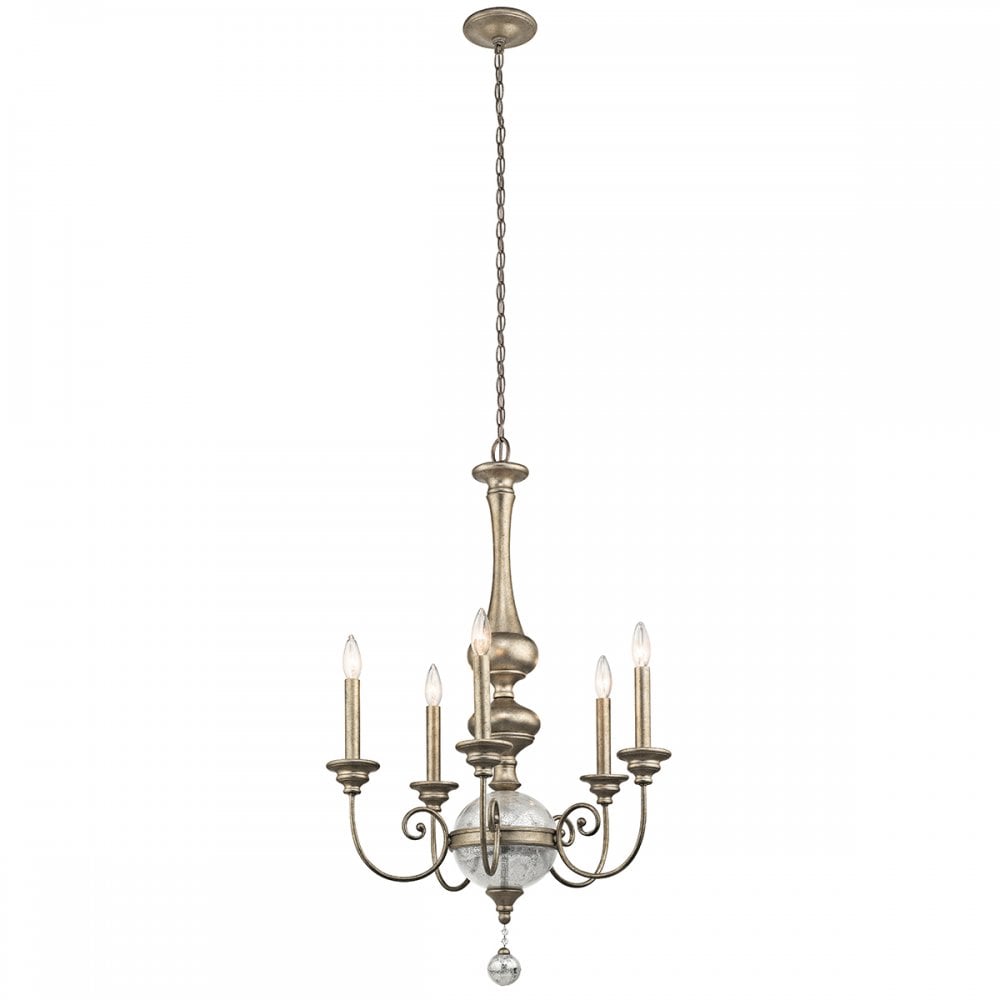
It was therefore the choice for many grand homes to keep traditional candle chandeliers in socialising rooms.
Traditional Chandeliers
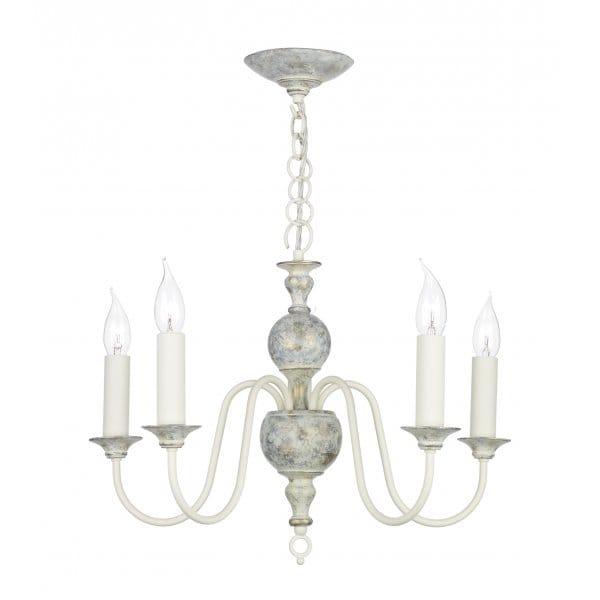
When electricity became a mainstay in people’s homes, the chandelier was reinvented to utilise candle bulbs. Embracing the historical grandeur of chandeliers, they were used in the ‘best’ rooms in the home that were saved for guests, such as the dining room.
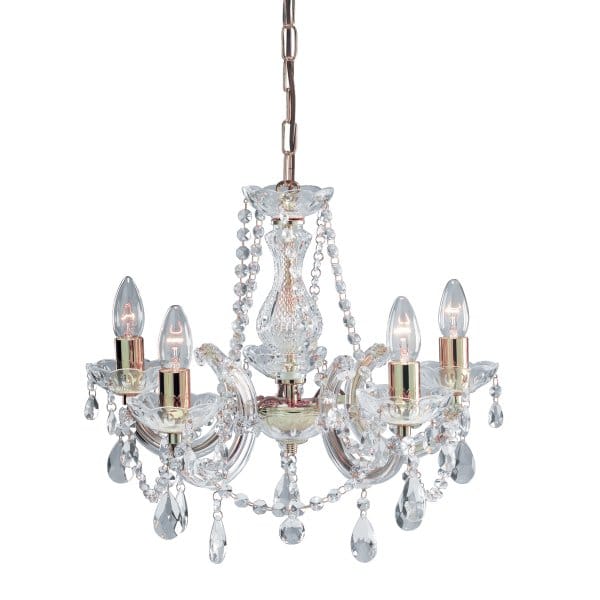
Whilst crystal was still popular in the designs, turbulent economics saw more simple chandelier designs being created. Still large in scale, they maintained an impressive stature whilst minimising elaborations, offering a more statuesque look that saw them being used in banks and gentlemen’s rooms.

Modern Chandeliers
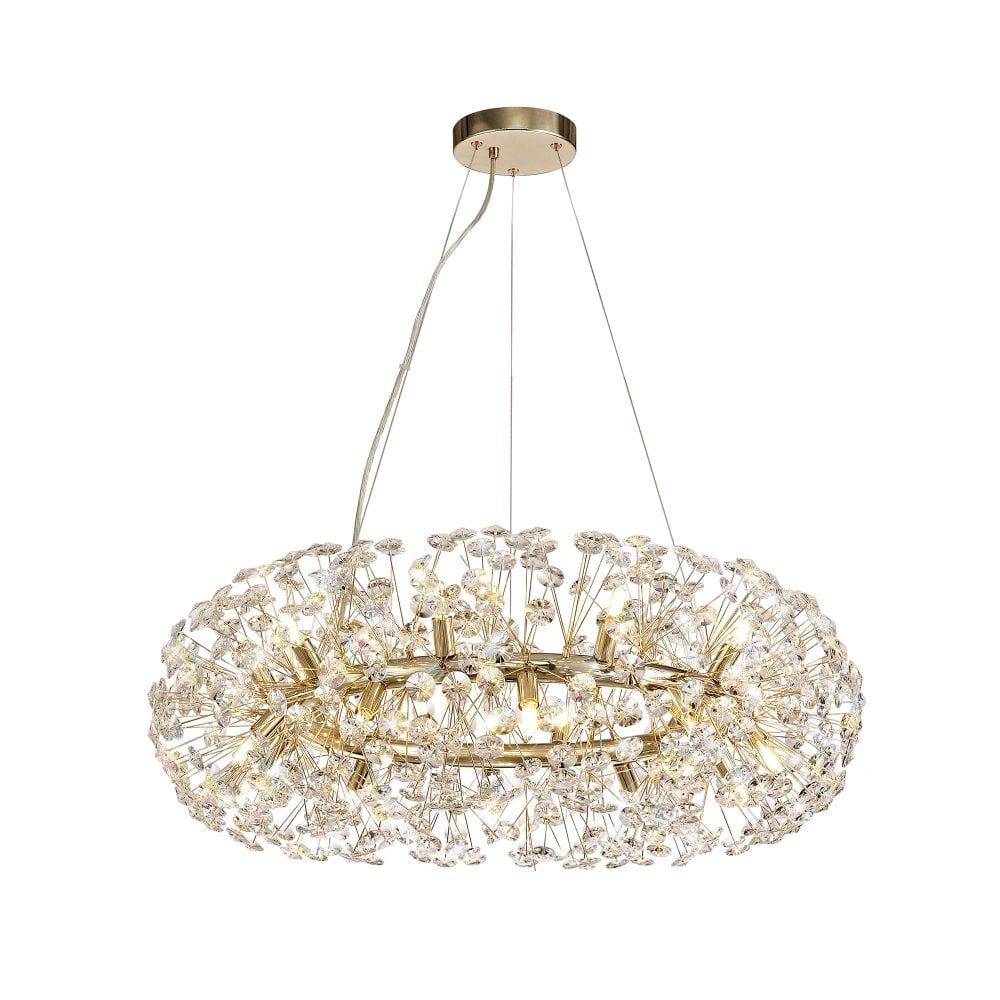
Chandeliers have maintained their popularity through to modern times. As the passing of time often allows, more interpretations of chandeliers have crept into our homes.
For some, it may be the scale of the light that makes it a chandelier.
Extra large chandeliers:

For others, it may simply be the dazzling effect of crystal.
Crystal chandeliers and ceiling lights:
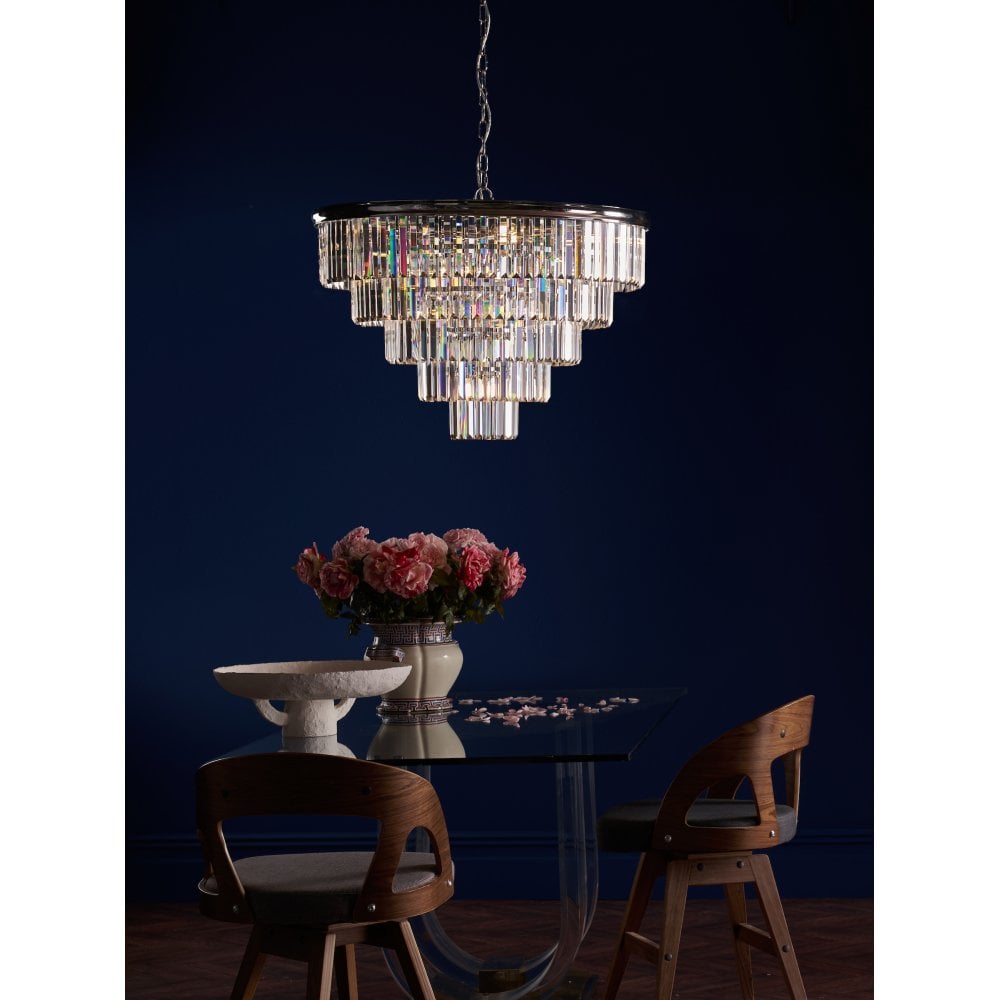
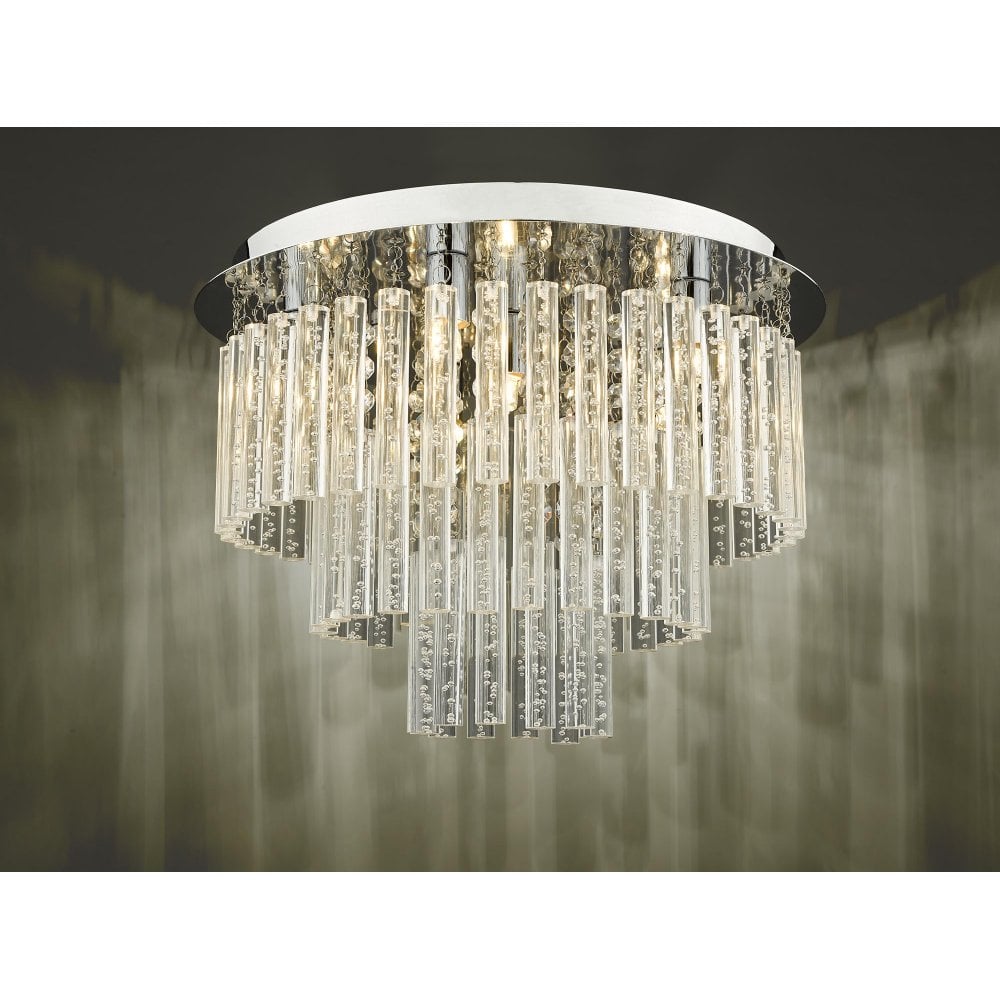
For many, ornate ceiling pendants and crystal lighting are now referred to as chandeliers. Whilst many crave the traditional look, others may be swayed by the need for a modern feature in their homes.
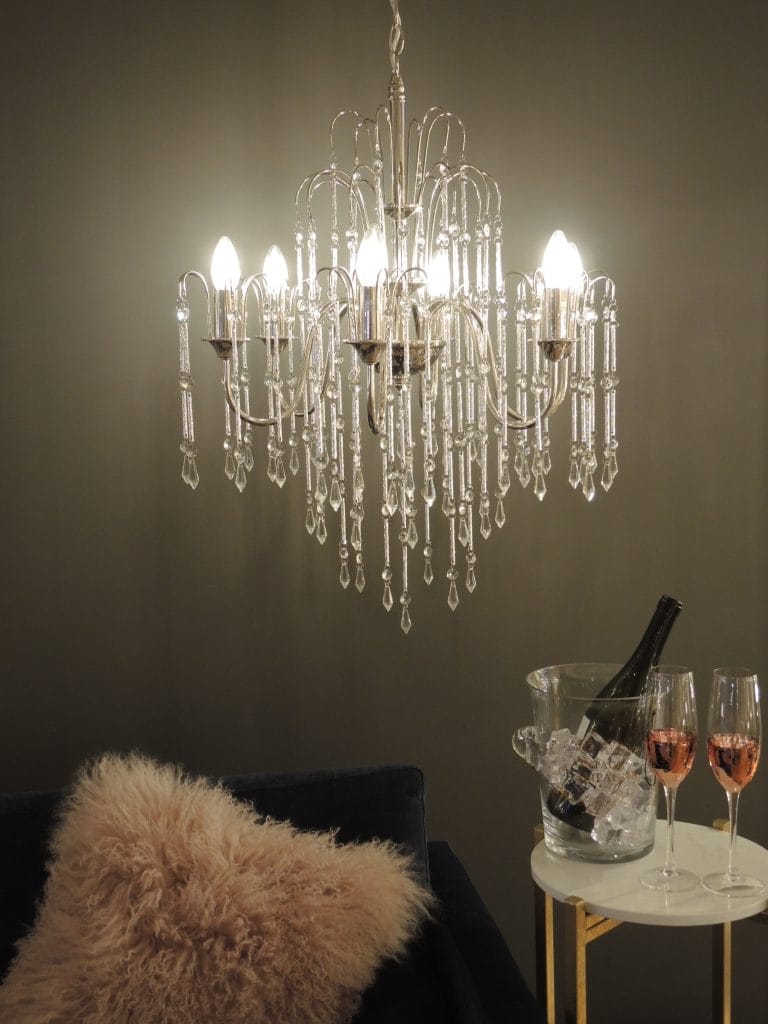
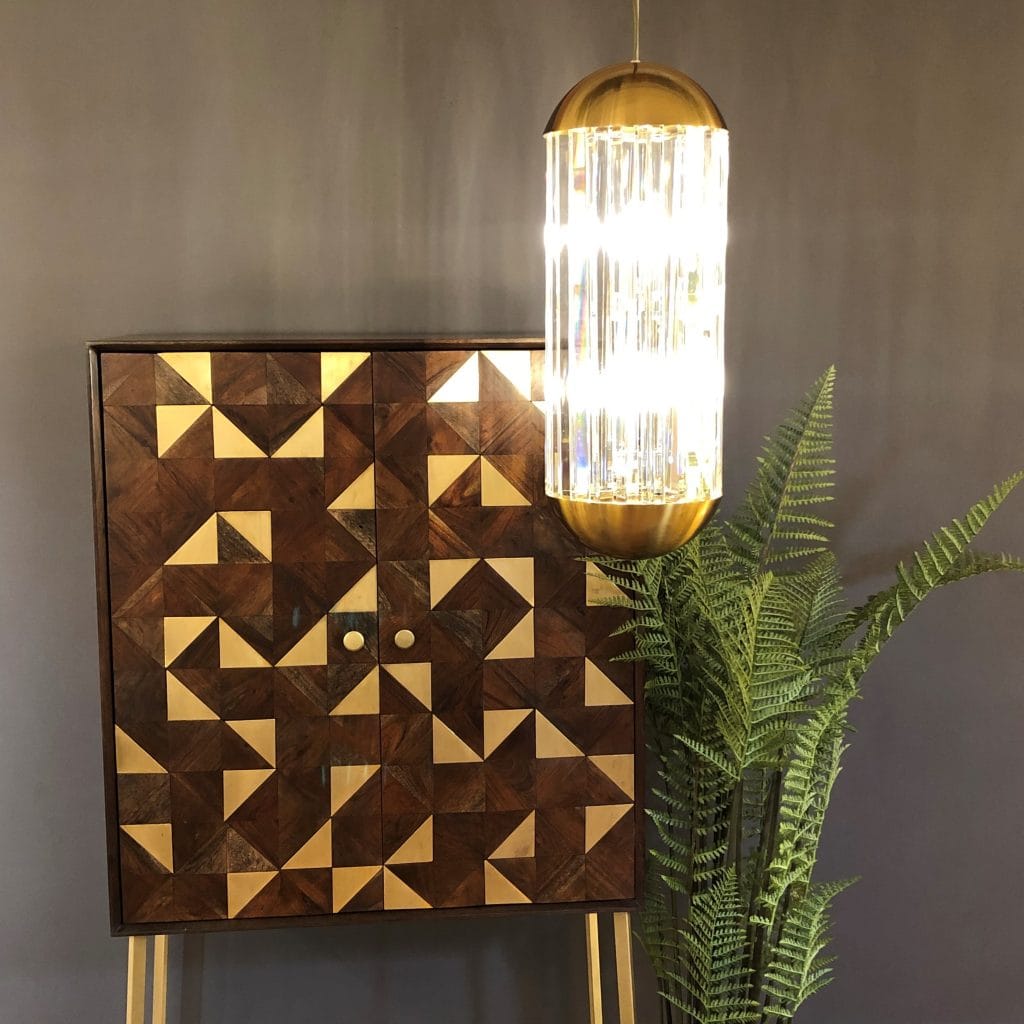
Contemporary LED Chandeliers
Mirroring the fluidity of chandelier design throughout history, we now see statement LED ceiling lights that are a perfect representation of chandeliers for modern settings.
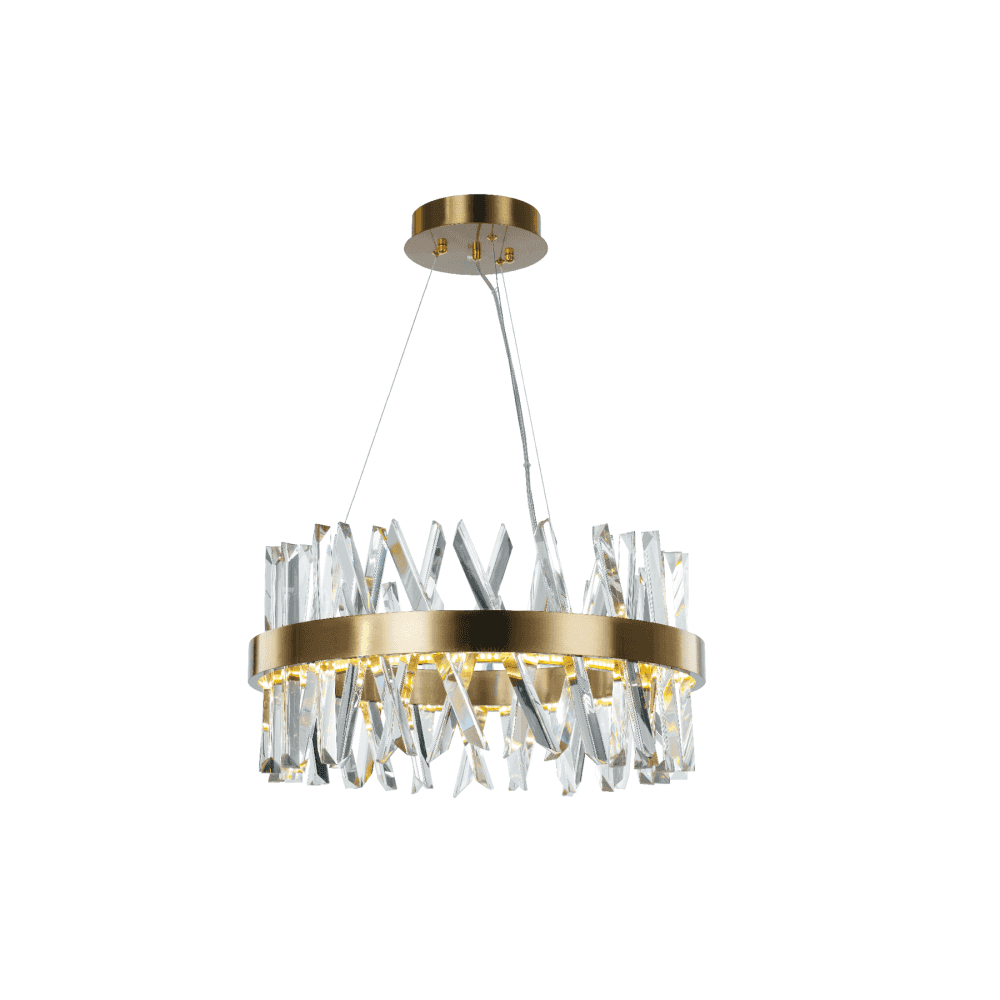
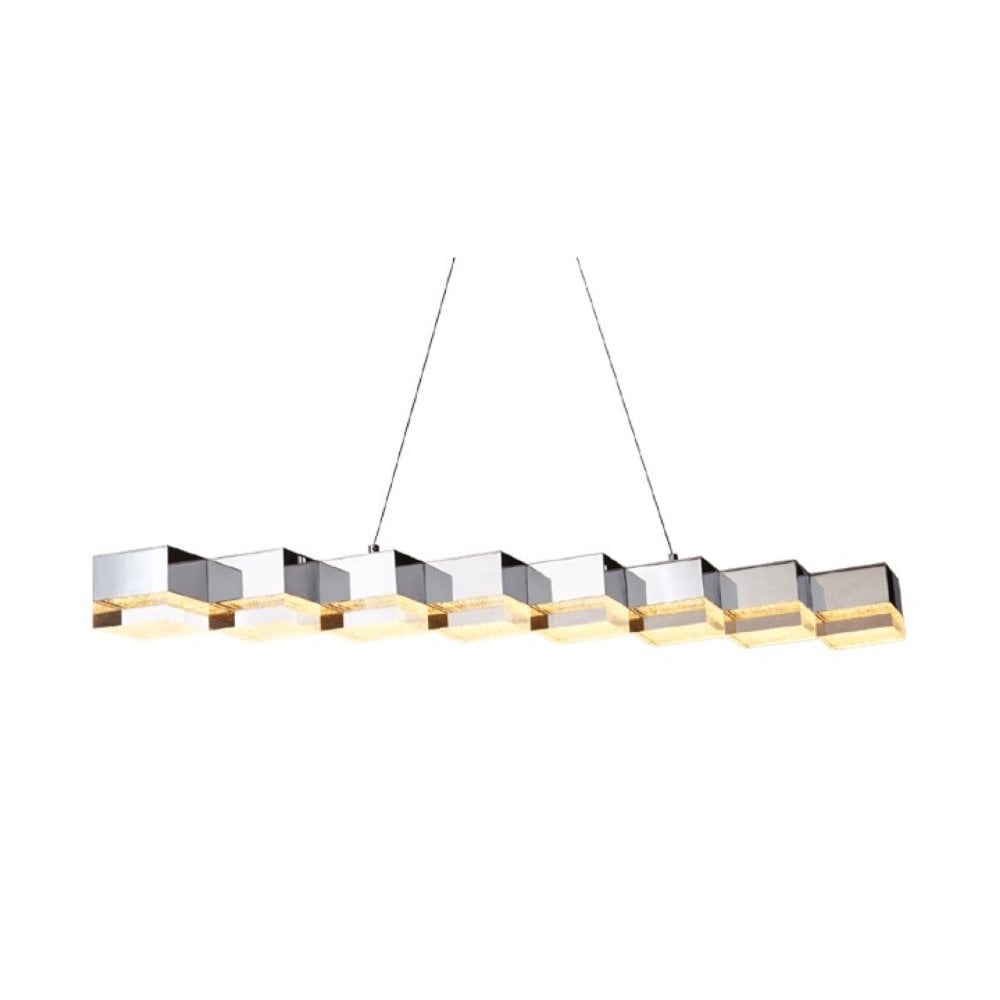
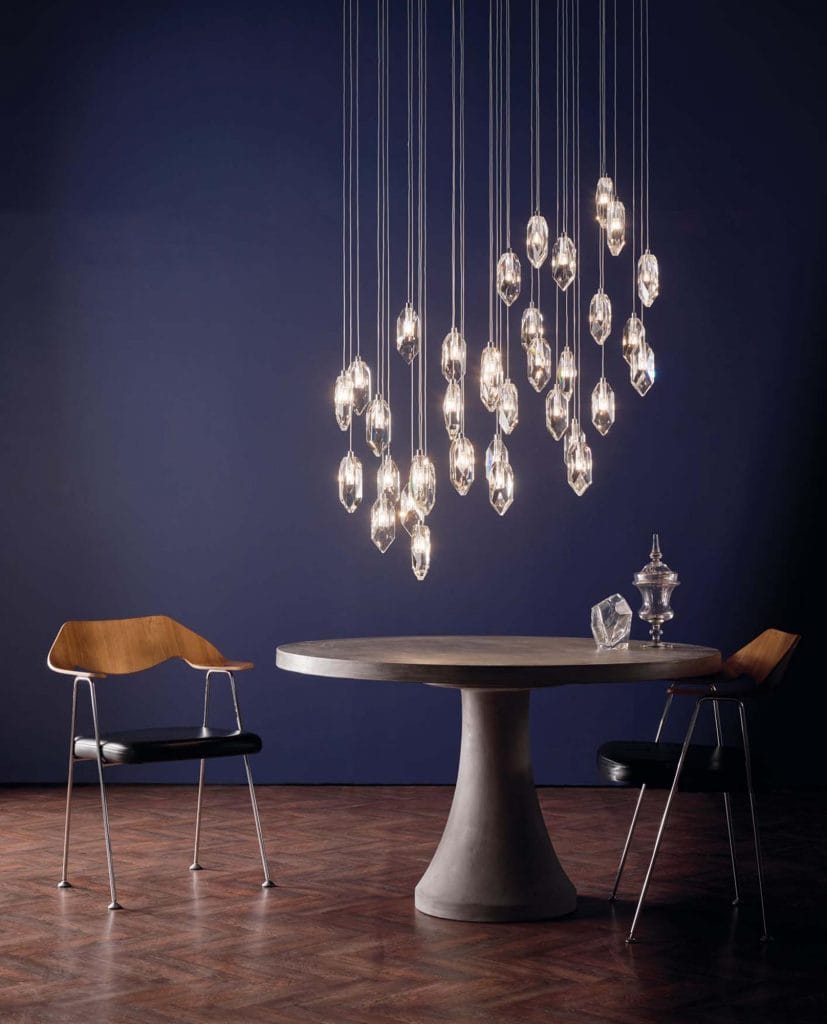
We now also see chandeliers as being a great look in every room of the home!
Chandeliers for every room
Lounge & Living Room Chandeliers
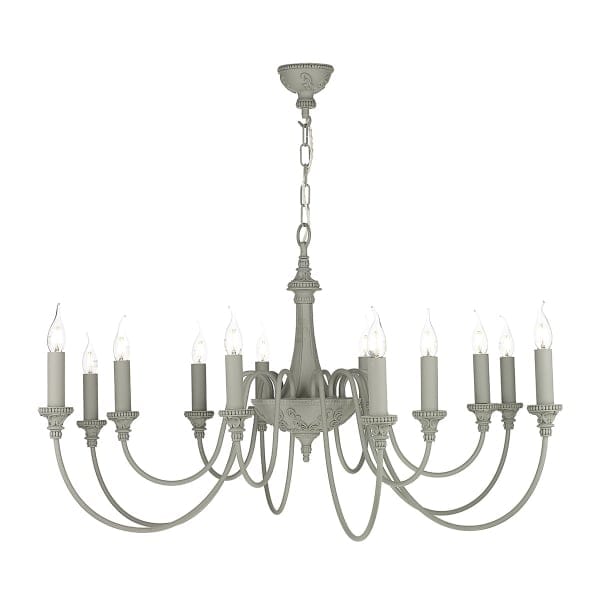
Chandeliers For Dining Rooms
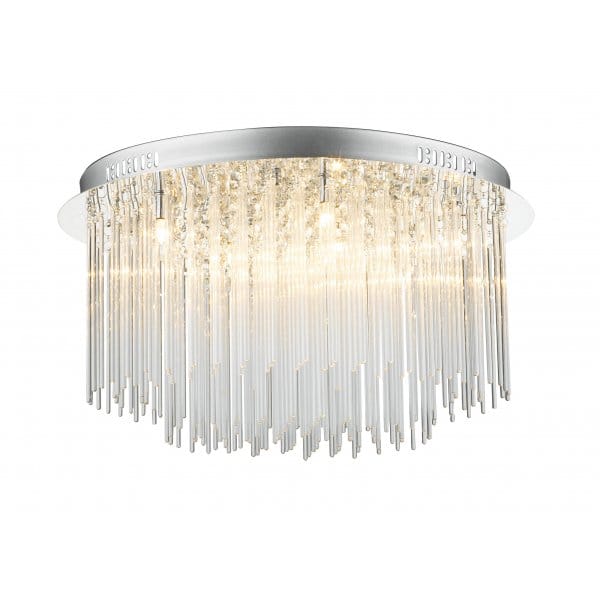
Hallway Chandeliers
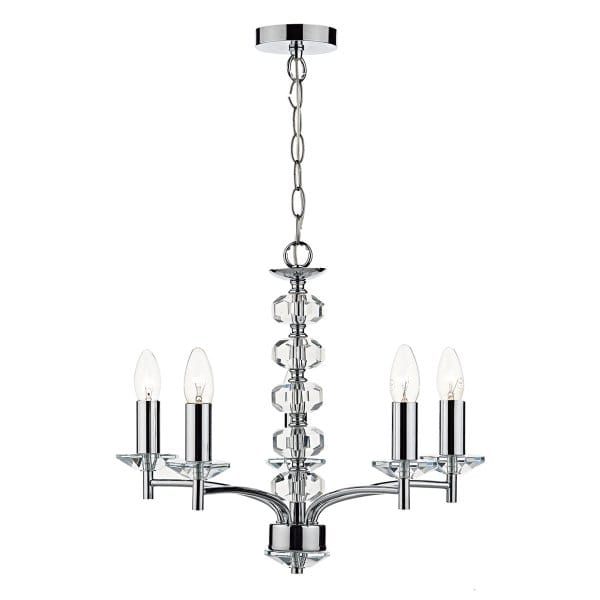
Master Bedroom Chandeliers
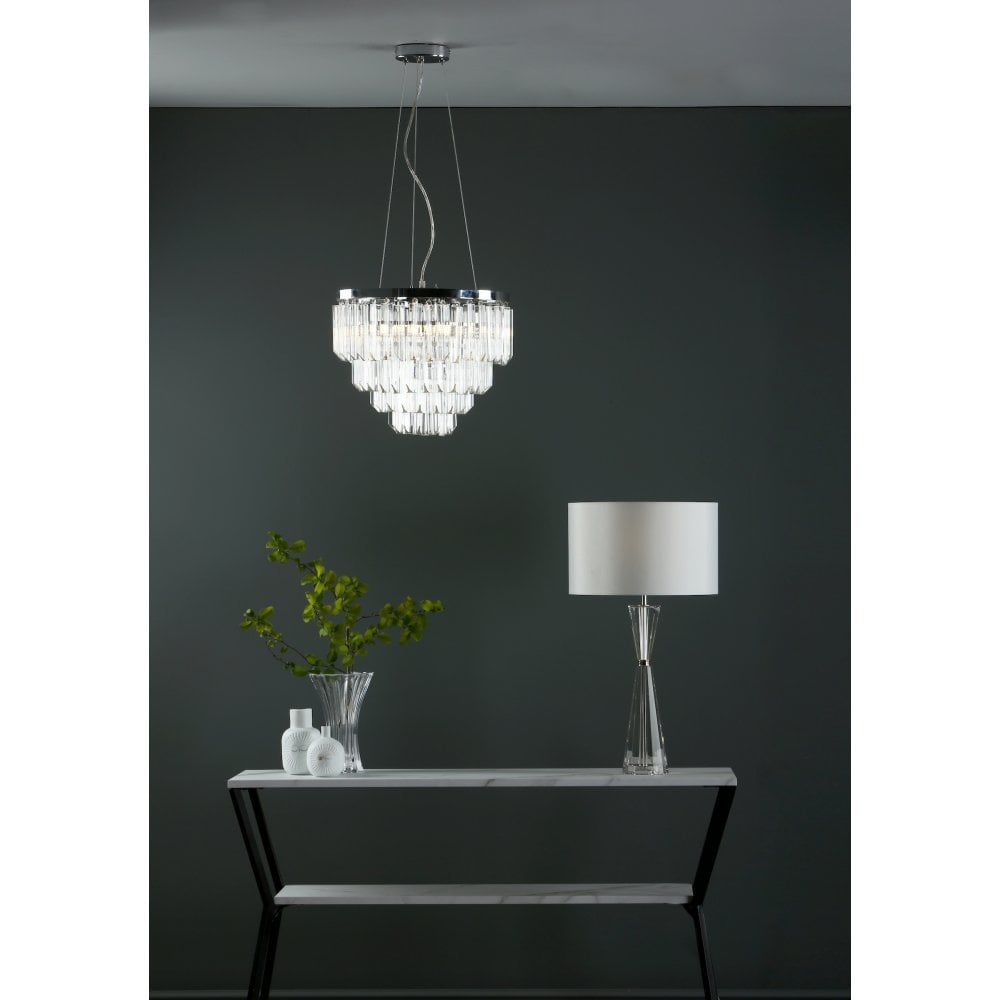
Bathroom Chandeliers
For more hints and tips on caring for and choosing your chandelier, why not take a look at our definitive guide on chandeliers?