

In the ever-evolving world of interior design, few elements are as transformative and captivating as lighting. The way we choose to light our living spaces influences our mood, productivity and overall well-being. Entering an era of innovation and a heightened environmental awareness, it’s the perfect time to explore emerging lighting trends. Future lighting trends that promise to redefine the way we see and experience the world around us.
In this blog, we take a journey into the future as we unveil lighting trends that are set to captivate our senses. From the interplay of technology to embracing sustainable solutions we’ll shed light on guiding concepts for the years ahead. So let’s ignite our curiosity and spark our imagination as we uncover the radiant future lighting holds for us all.
Sustainability and Eco-Friendly Design
LED Technology
There is a growing emphasis on sustainable and eco-friendly lighting options and this trend will continue to expand. Sustainability is likely to have a significant impact on future lighting trends in several ways. Recent years have seen a shift towards energy efficient lighting solutions such as LED technology. LED bulbs consume significantly less energy than traditional incandescent bulbs resulting in lower energy bills and reduced carbon emissions. They also have a much longer lifespan than traditional bulbs meaning fewer replacements and reduced maintenance costs. They provide instant and directional lighting making them highly efficient for task lighting and will minimise light pollution and glare. Many LED light fixtures are dimmable allowing you to adjust the light output. This will contribute to energy savings and create a comfortable ambience.
Waste Reduction
A growing emphasis on waste reduction is evident, with manufacturers investing in durable fixtures to reduce replacement frequency and waste. Manufacturers are also taking into consideration the entire life cycle of lighting fixtures, including their end of life disposal. Look for lights made from materials that can be easily recycled when they come to the end of their lives.
Eco-Friendly Materials
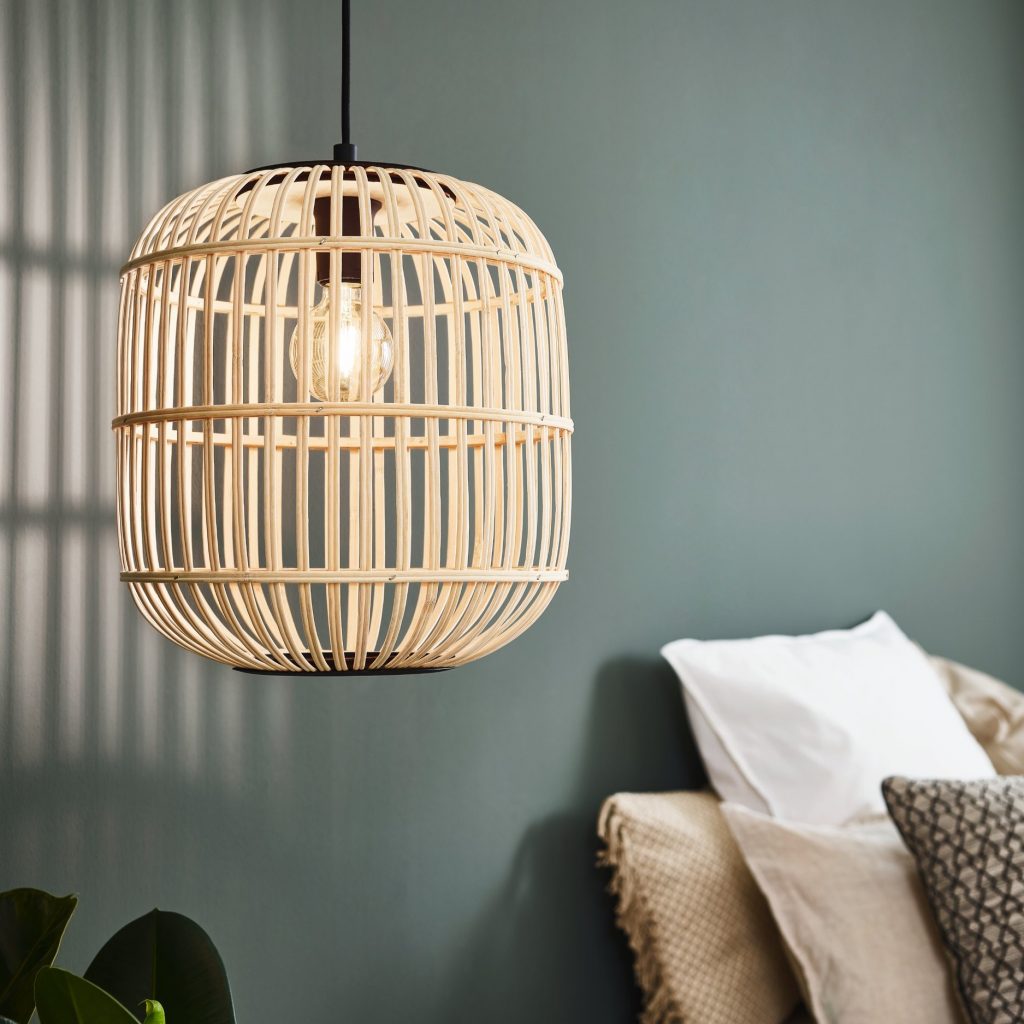
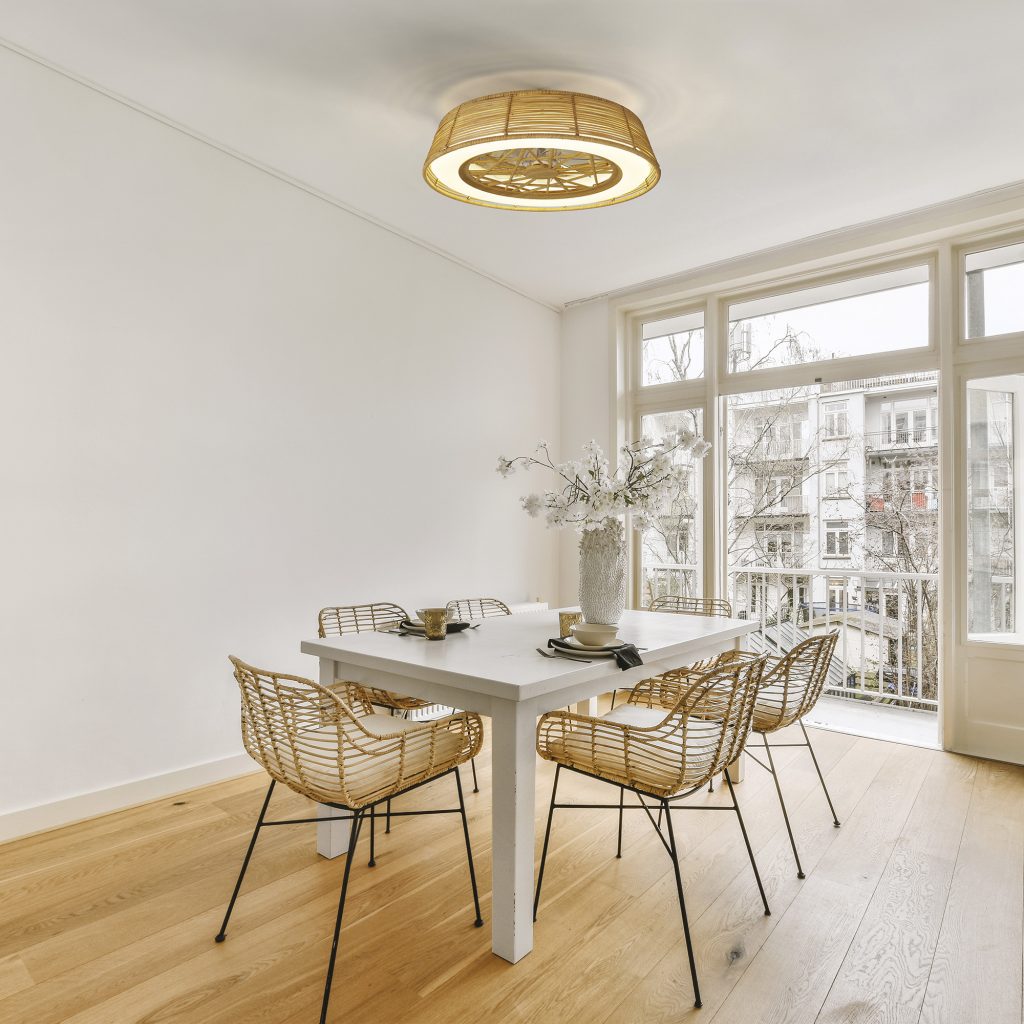
Sustainable lighting involves using eco-friendly materials in construction. This includes reducing the use of harmful substances in production and increasing the use of biodegradable components. We are already seeing a rise in popularity of light fixtures made from bamboo, rattan, wood and recycled glass.
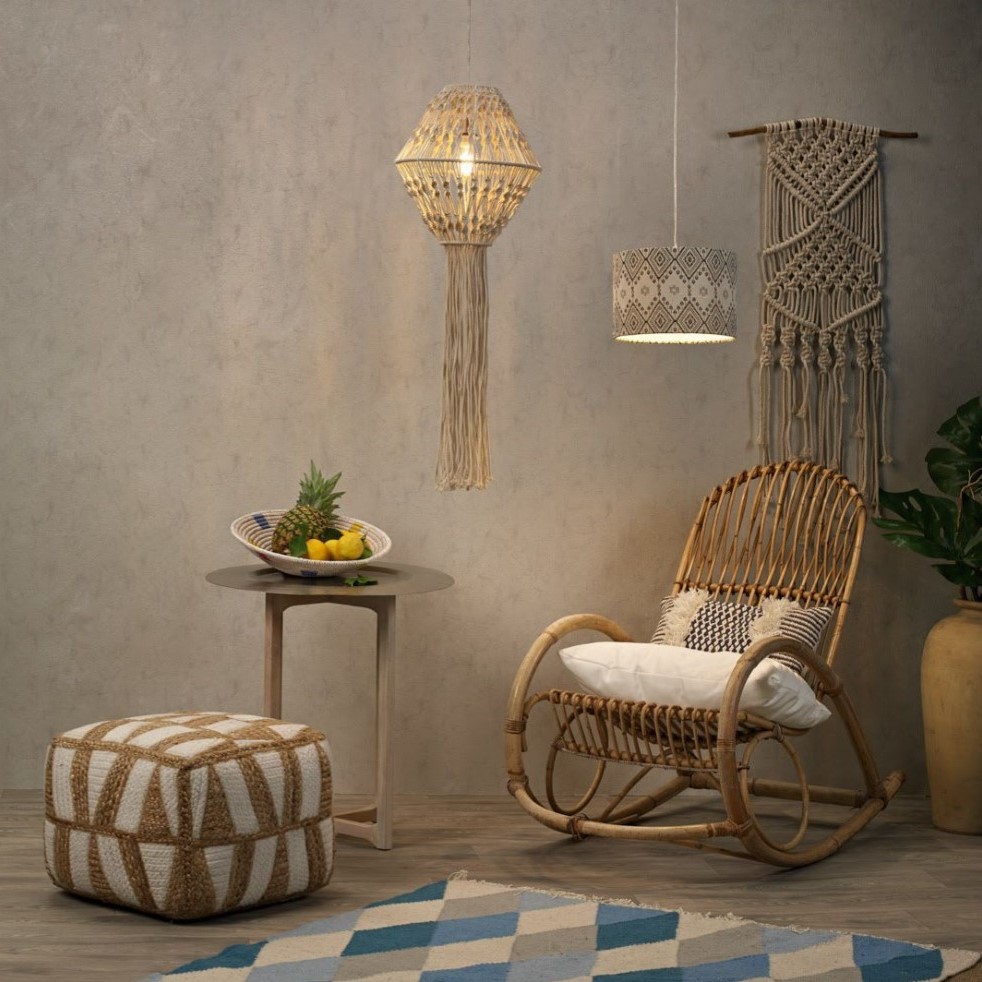
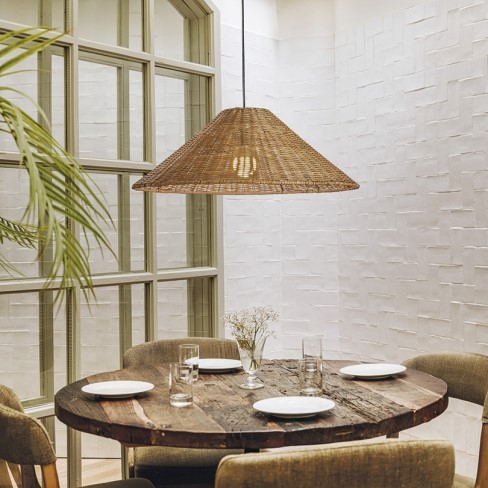
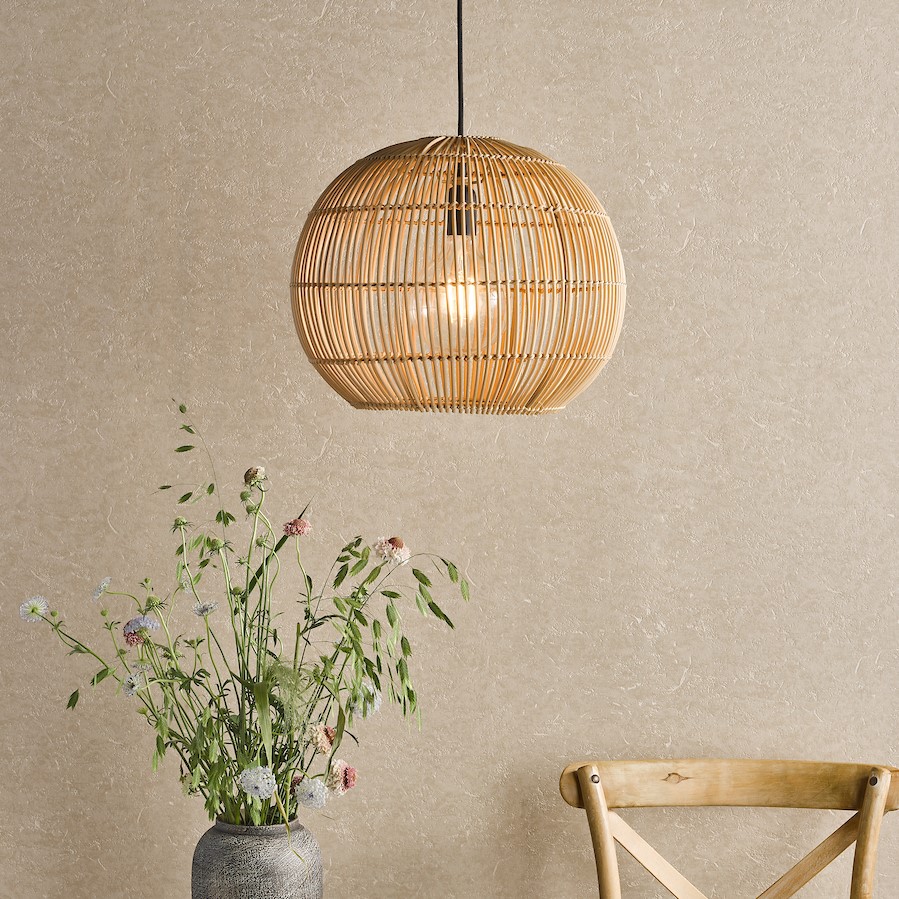
To curb carbon emissions, upcoming lighting designs may rely more on local materials and artisan collaborations, benefitting both the environment and the community. Look out for our British lights made in the UK in future lighting trends.
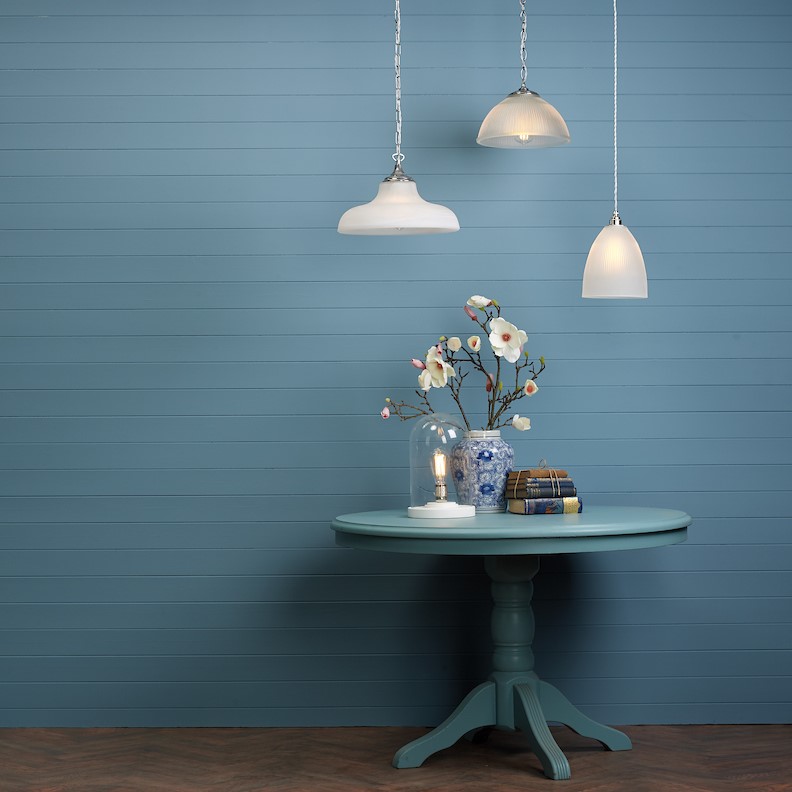
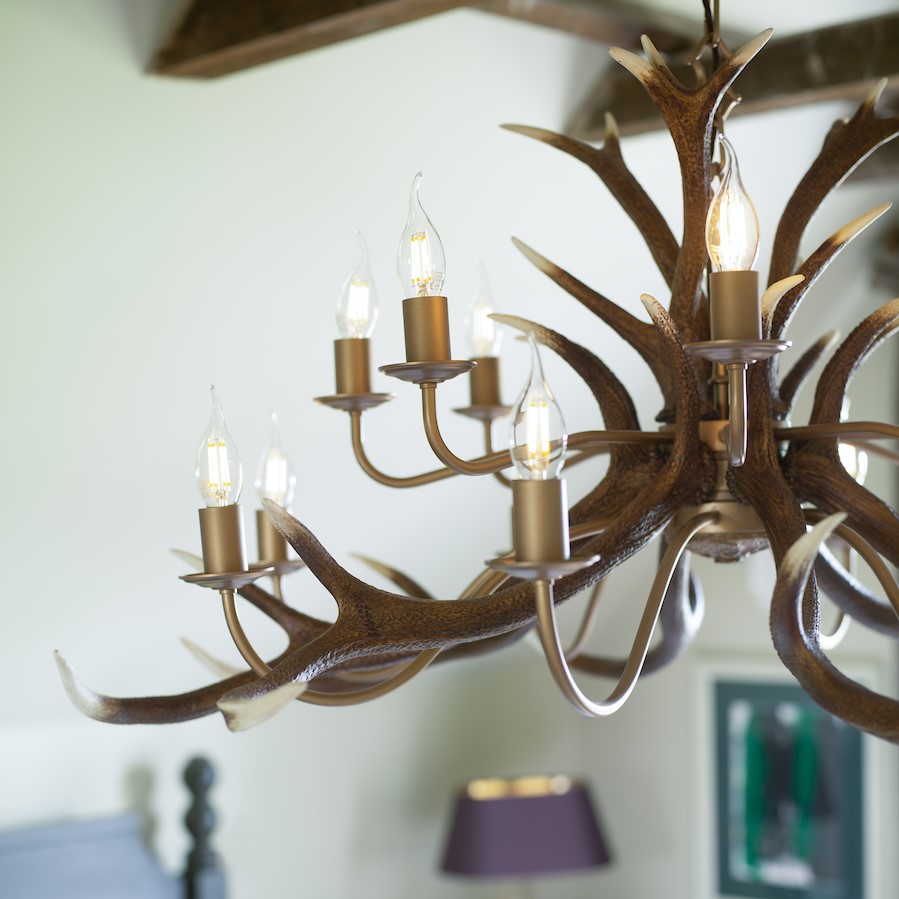
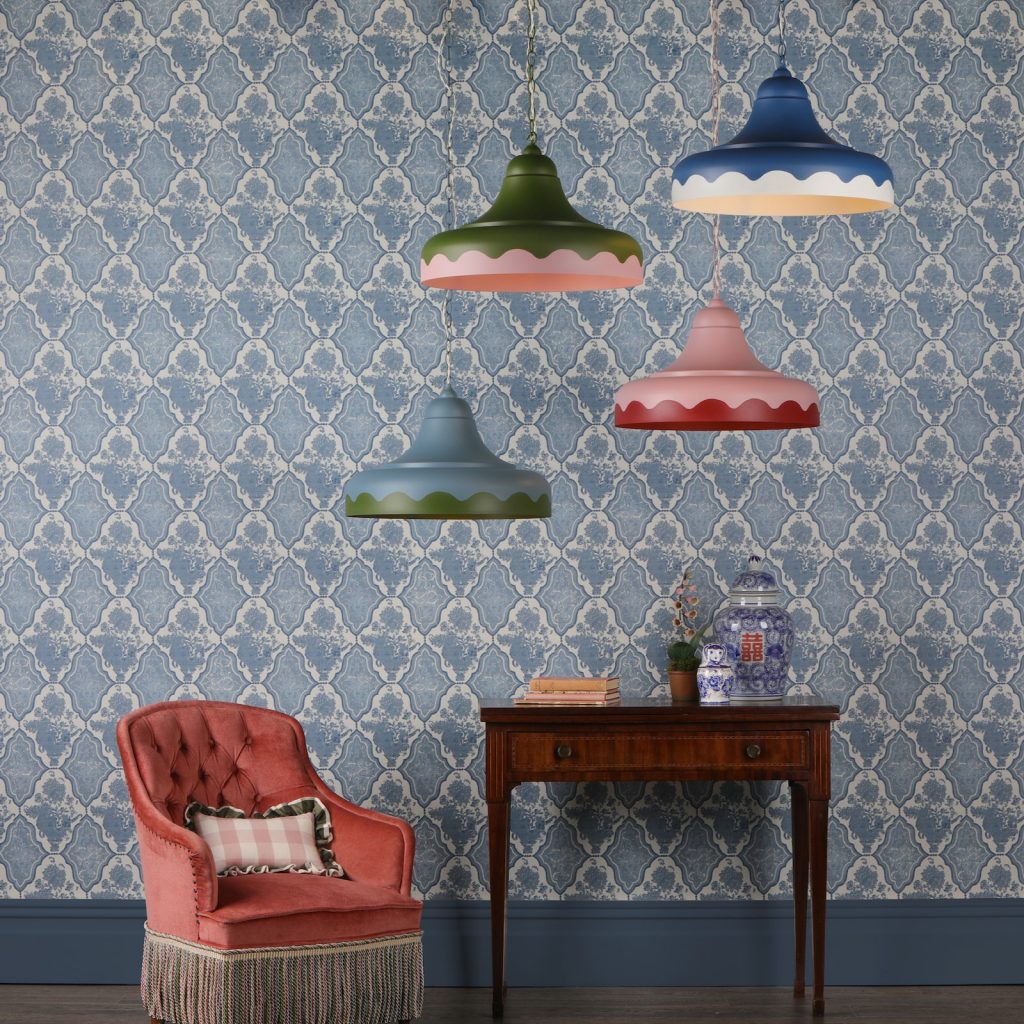
Sustainable materials often have a unique and natural quality, contributing to the overall design and aesthetic appeal of the lighting fixture. The use of these materials also encourages innovation in design and manufacturing processes and the exploration of new materials. For a unique look, explore our sustainable lighting options that will stay in style for years to come. As sustainability shapes future lighting trends, expect the industry to respond with innovative, eco-conscious designs benefiting consumers and the planet.
Embracing Nature Indoors – The Future of Biophilic Design
Natural Elements
In a world where urbanisation and technology often lead us away from nature, the concept of biophilic design has emerged. More than a trend, but a movement that is shaping the future of interior design. Biophilic design is all about bringing the outside in and forging a connection with nature within our indoor spaces. As our lives become more fast-paced and screen-dominated, the need to reconnect with the natural world is paramount. Biophilic design incorporates natural elements such as plants, natural materials, and light to create spaces that promote well-being, reduce stress and enhance creativity.

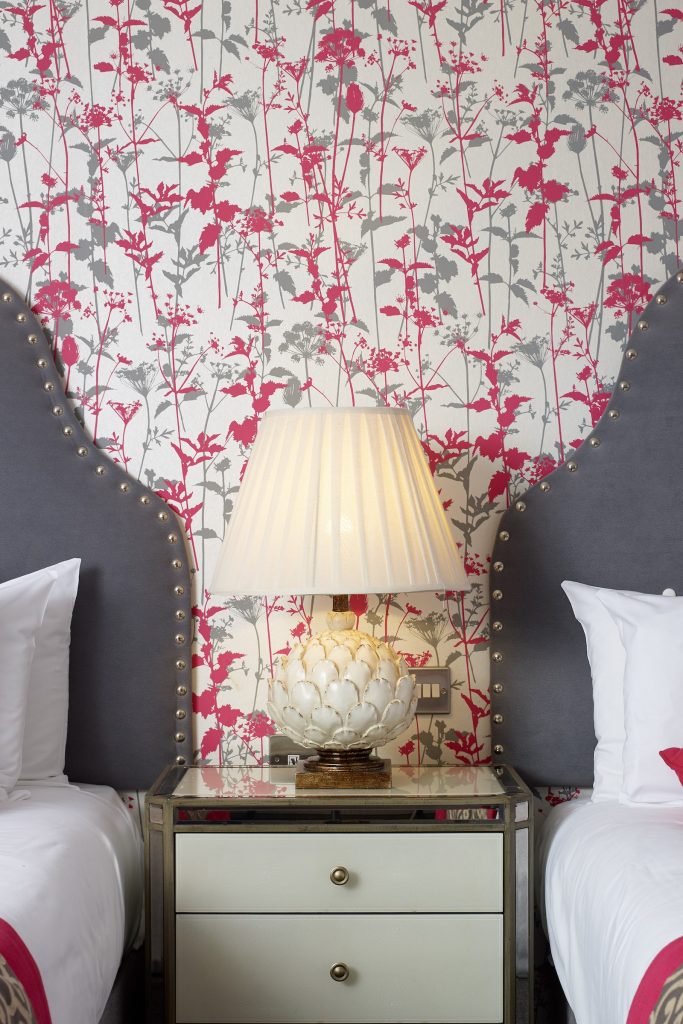
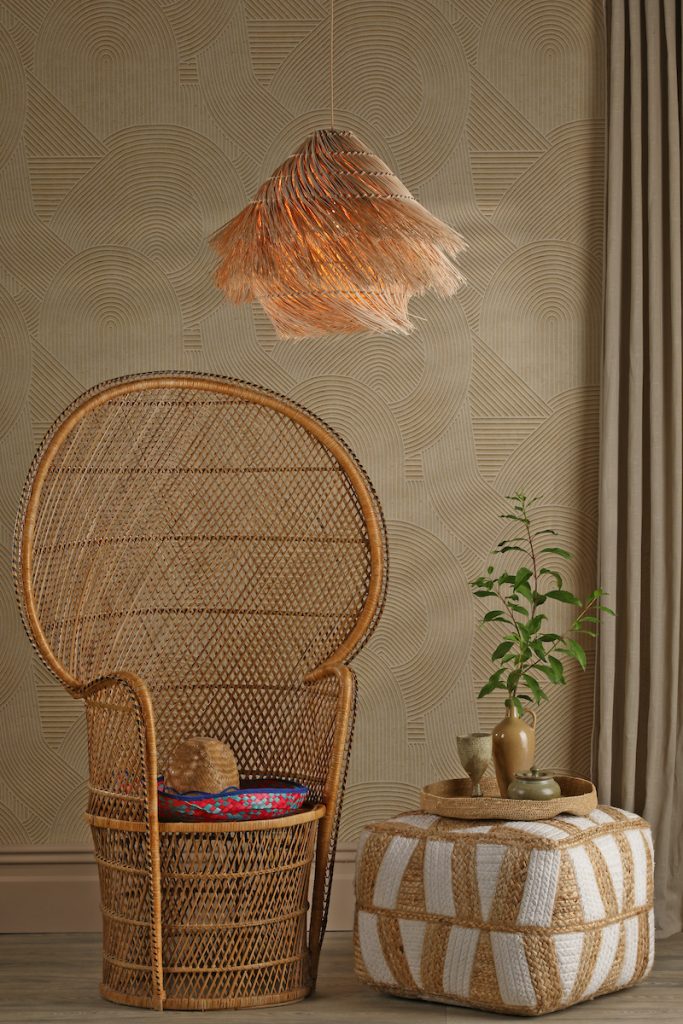
In the future of lighting, biophilic design is not just a trend but a fundamental shift in approaching interior spaces. Incorporating biophilic elements like plants, water features and animals, into your interior establishes a connection between occupants and the natural world. Expect more green walls and natural textures as we embrace a future where nature and design coexist in perfect harmony.
Replicating Nature
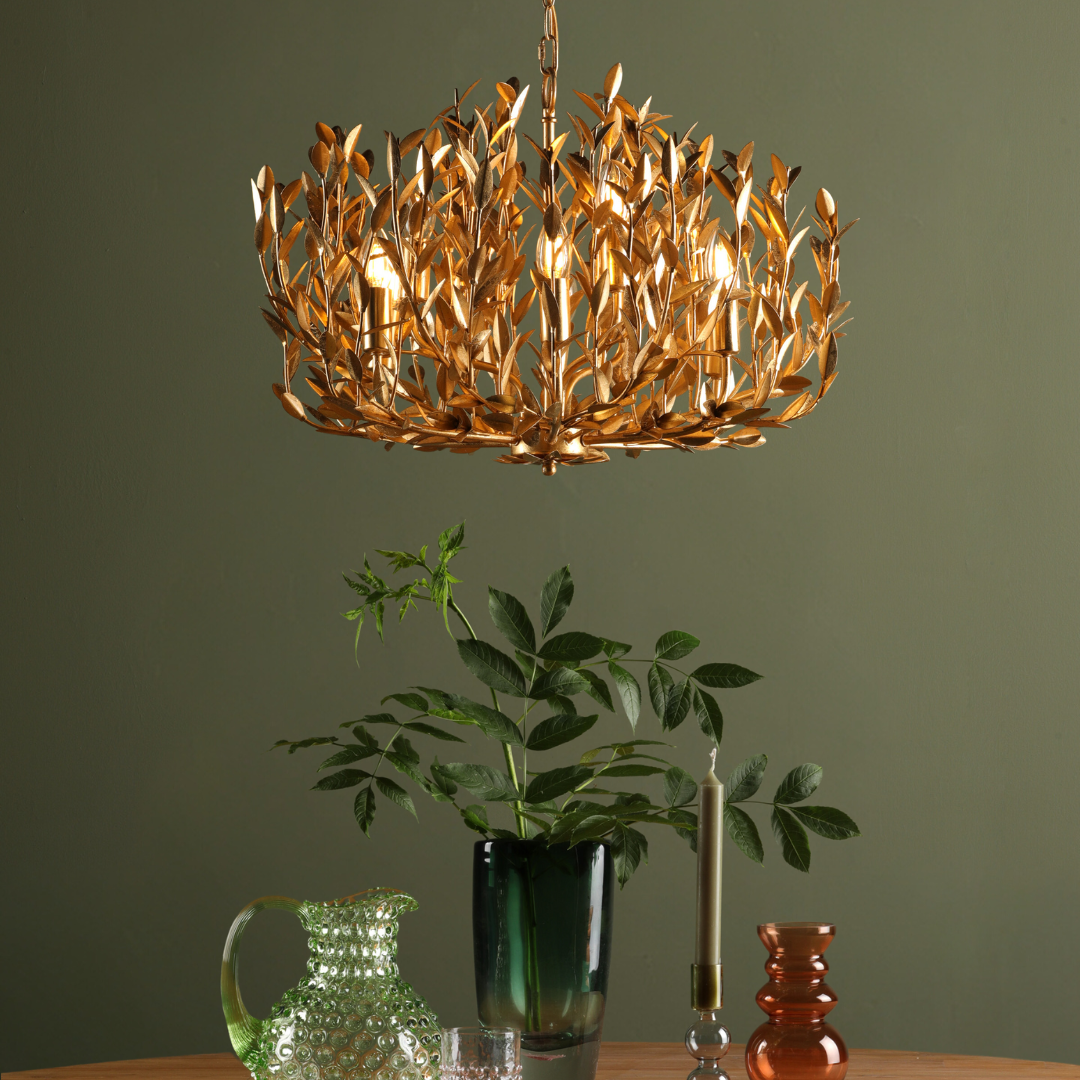
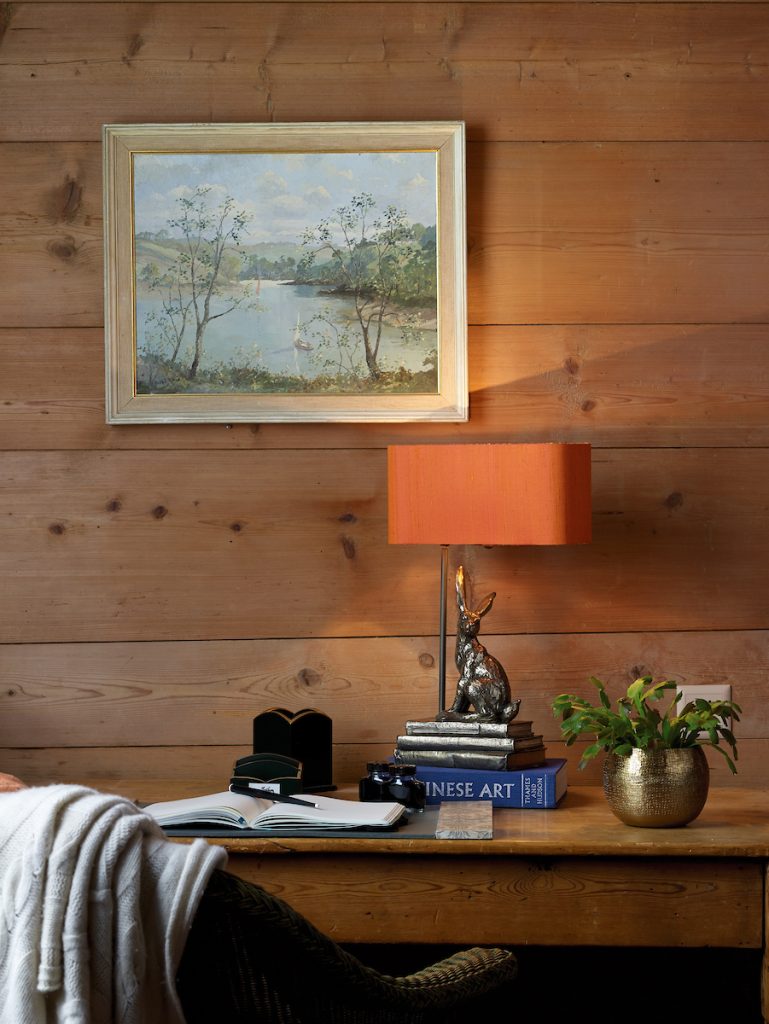
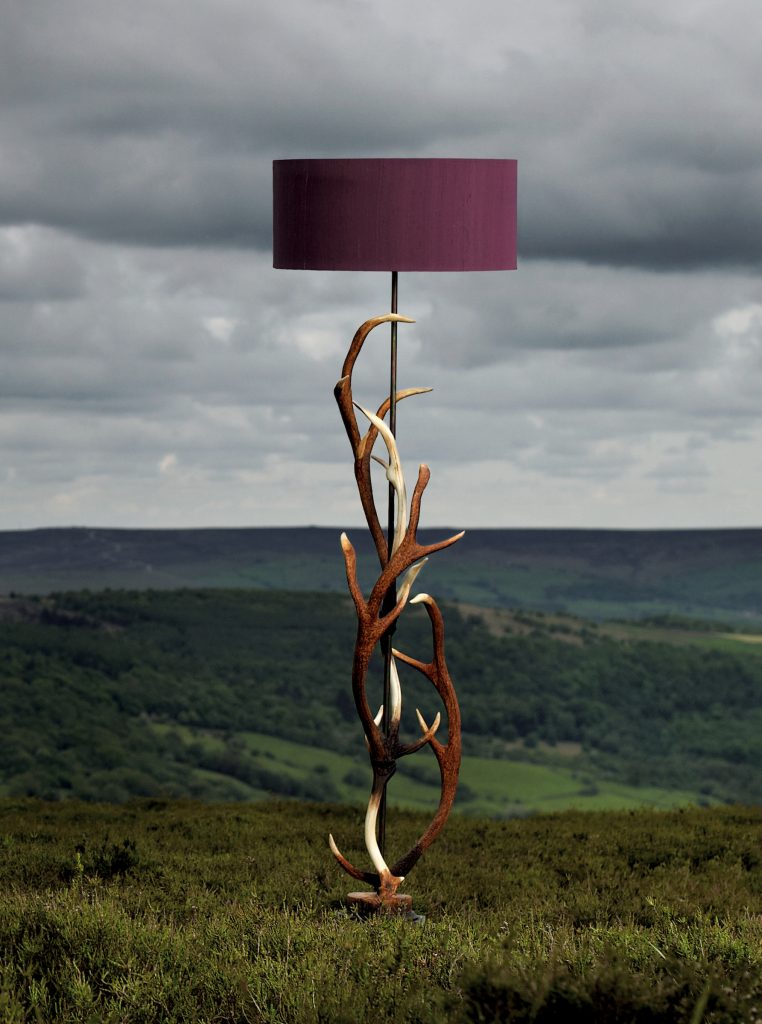
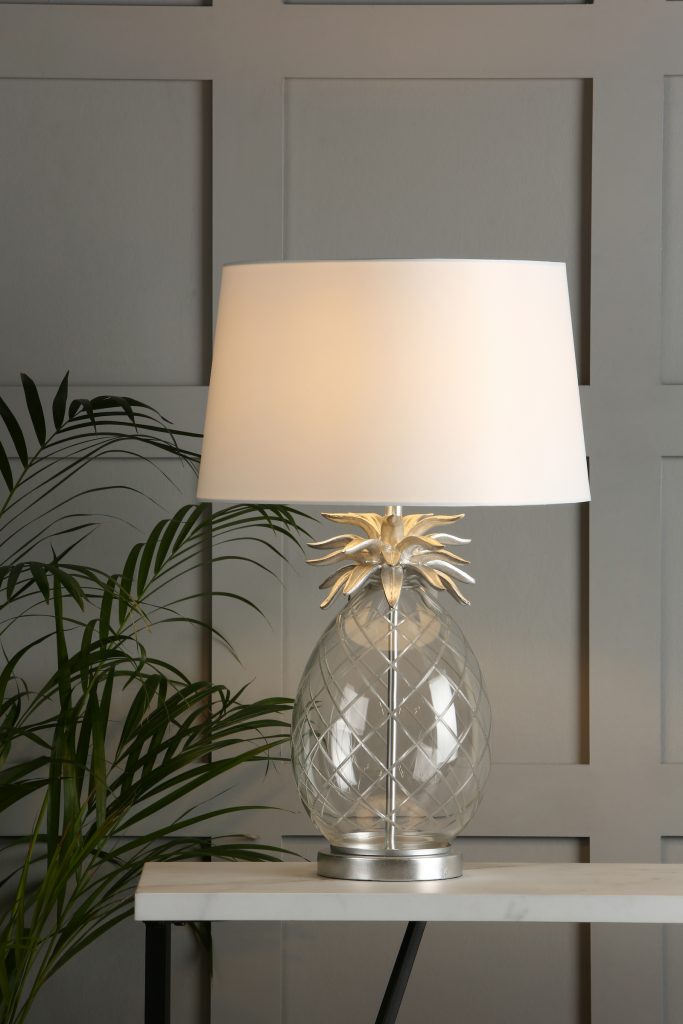
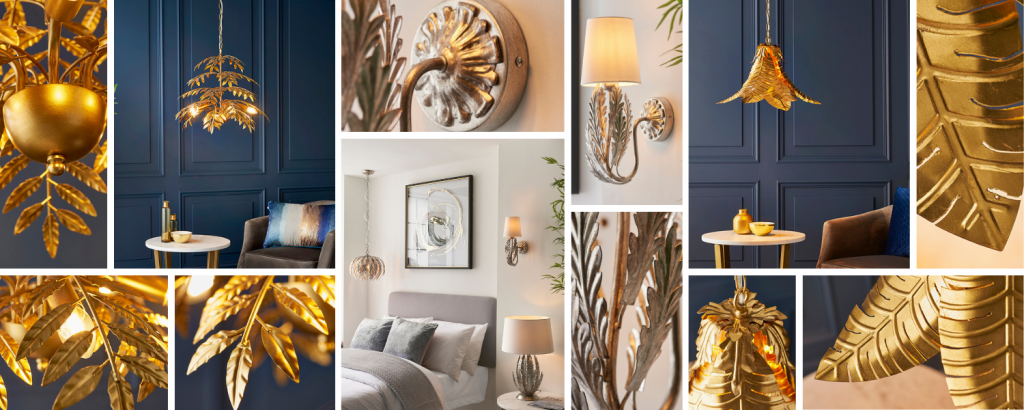
We’ve begun to see a shift toward this interior trend with lights offering unique designs that showcase the beauty of the natural world. Crafted from metal and glass with intricate details to replicate palm leaves, olive trees and tropical fruits. These lights add texture to any room, capturing the rich earthy vibes of the jungle or the natural beauty of the British countryside.
Multifunctional Spaces
With the rise of remote work and changing lifestyle patterns, interior spaces are likely to become more adaptable. Furniture and lighting that can be easily reconfigured to suit different purposes will be in demand. The concept of multifunctional spaces is becoming increasingly prevalent. Whether it’s a flexible home office turning into an entertainment zone or a shared community area serving several purposes. In this dynamic world the future of lighting trends holds exciting possibilities.
Adaptive Lighting Solutions
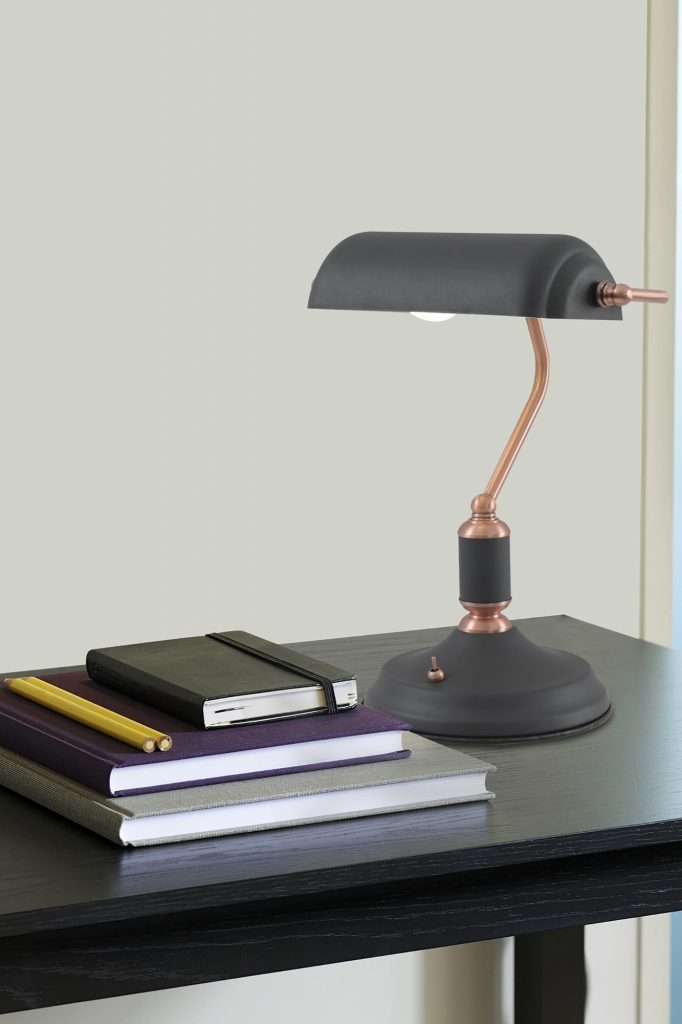
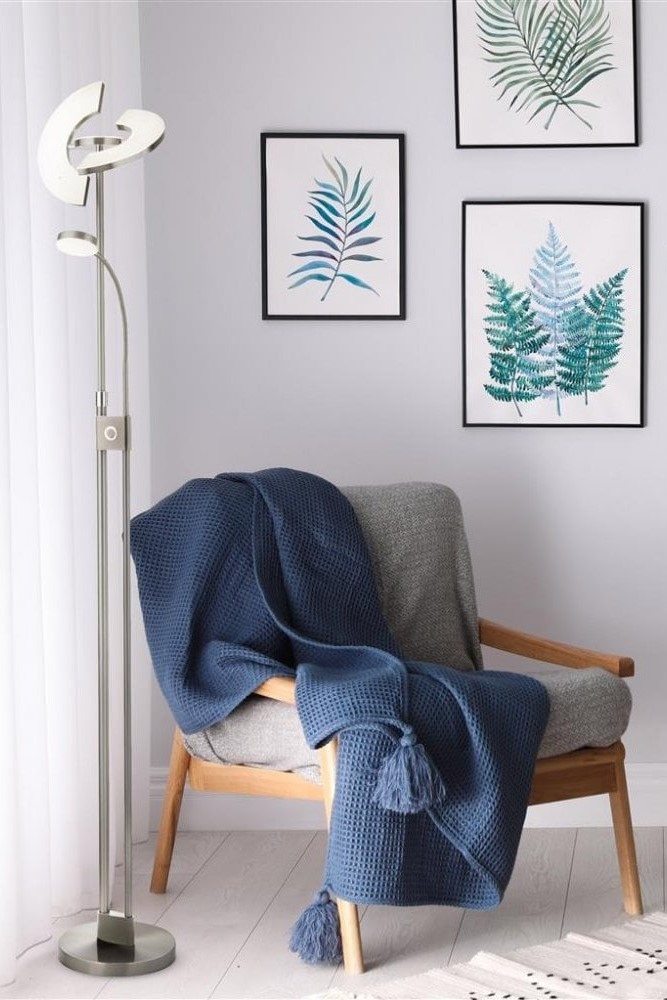
Lighting designers are embracing the challenge of creating adaptive solutions that seamlessly transition between different functions. From focused task lighting for work to cosy, ambient lighting for relaxation. Most ceiling lights, with a dimmer switch and bulb, are dimmable, allowing you to adjust the lighting for specific tasks.
Smart Lighting
The introduction of smart lighting is likely to have an impact on the way our spaces are lit. Imagine lighting that senses the time of day or can adapt to your mood or your schedule. As a result, allowing you to create the perfect ambience at the touch of a button or with the sound of your voice. Looking ahead, lighting trends in multifunctional spaces will focus on flexibility, personalisation and the art of transformation.
Technology Integration
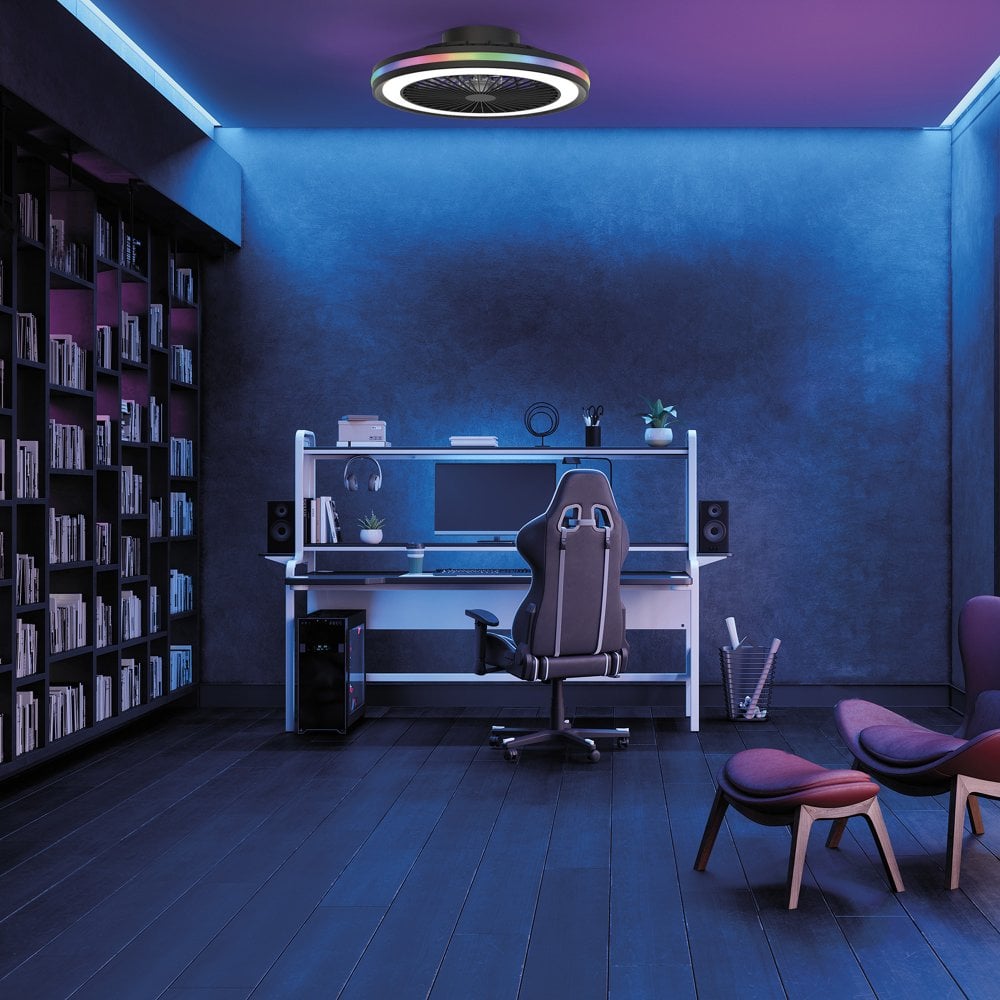
The development of smart lighting is poised to revolutionise how we light our homes in several ways. Smart lighting refers to systems controlled and automated using technology such as smartphones, voice commands, or sensors. These systems allow for adjusting brightness, changing colours and setting schedules, enhancing future lighting convenience and energy efficiency.
Integrated LEDs
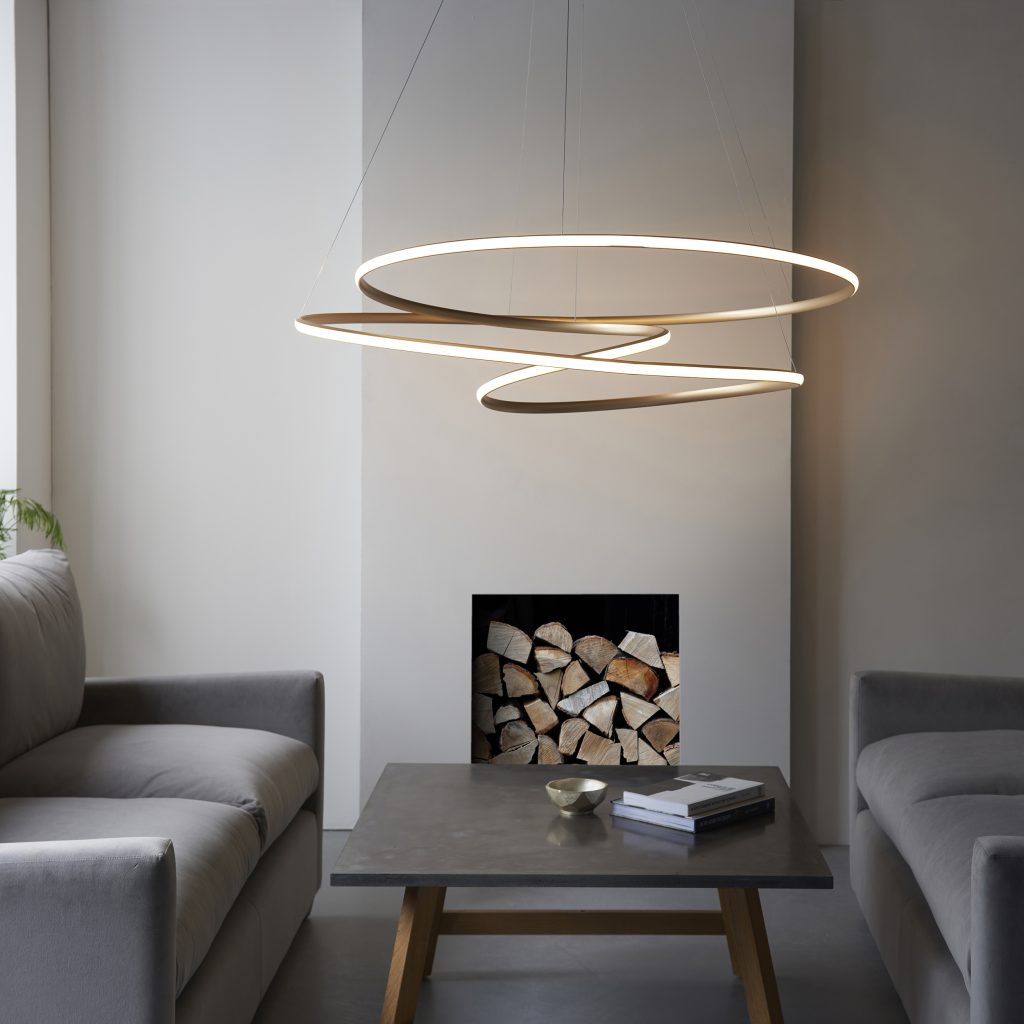
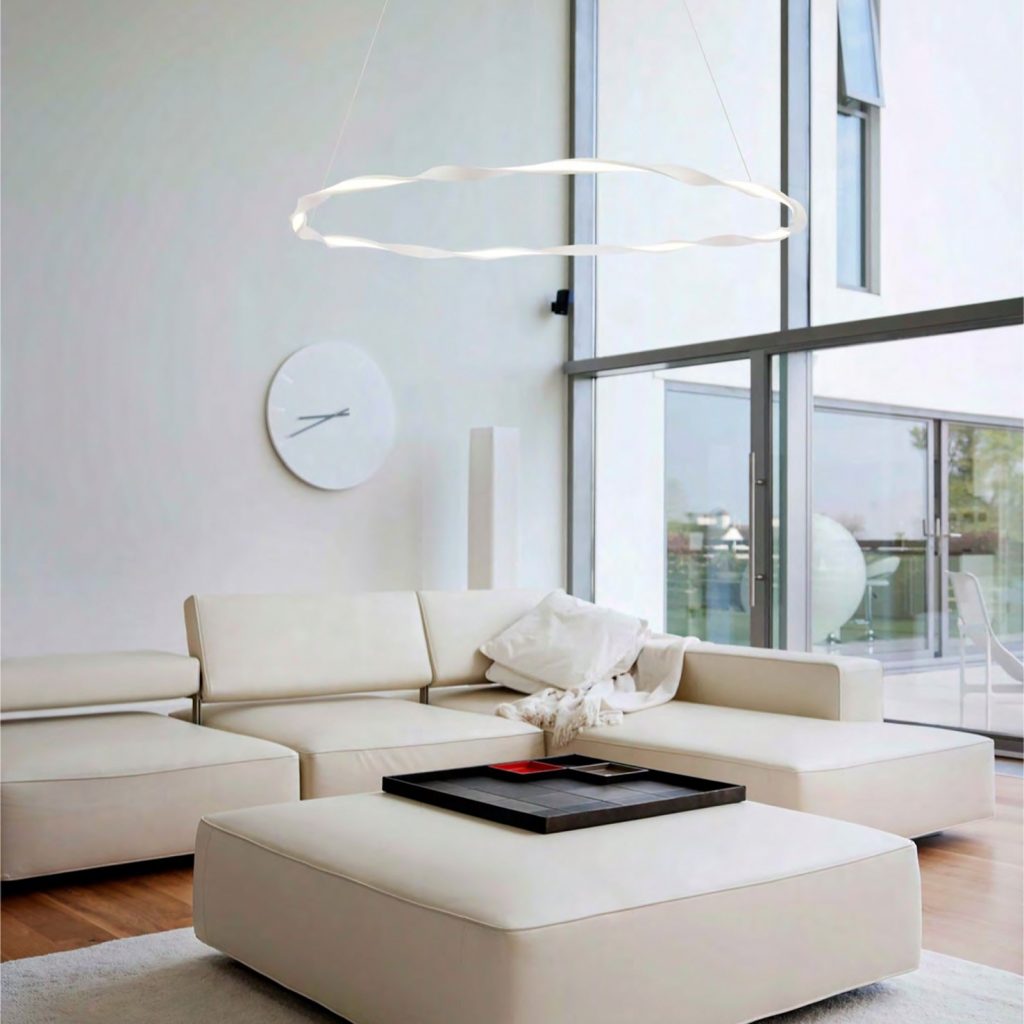
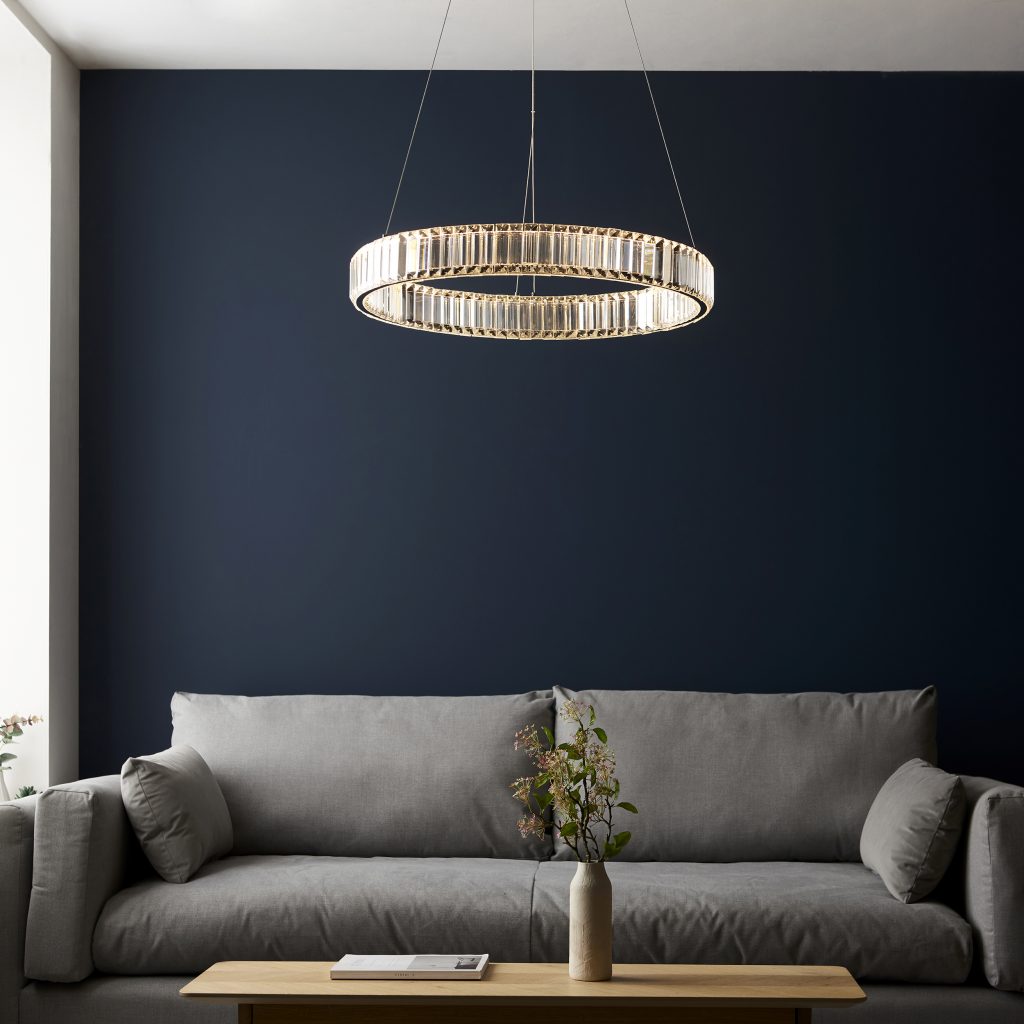
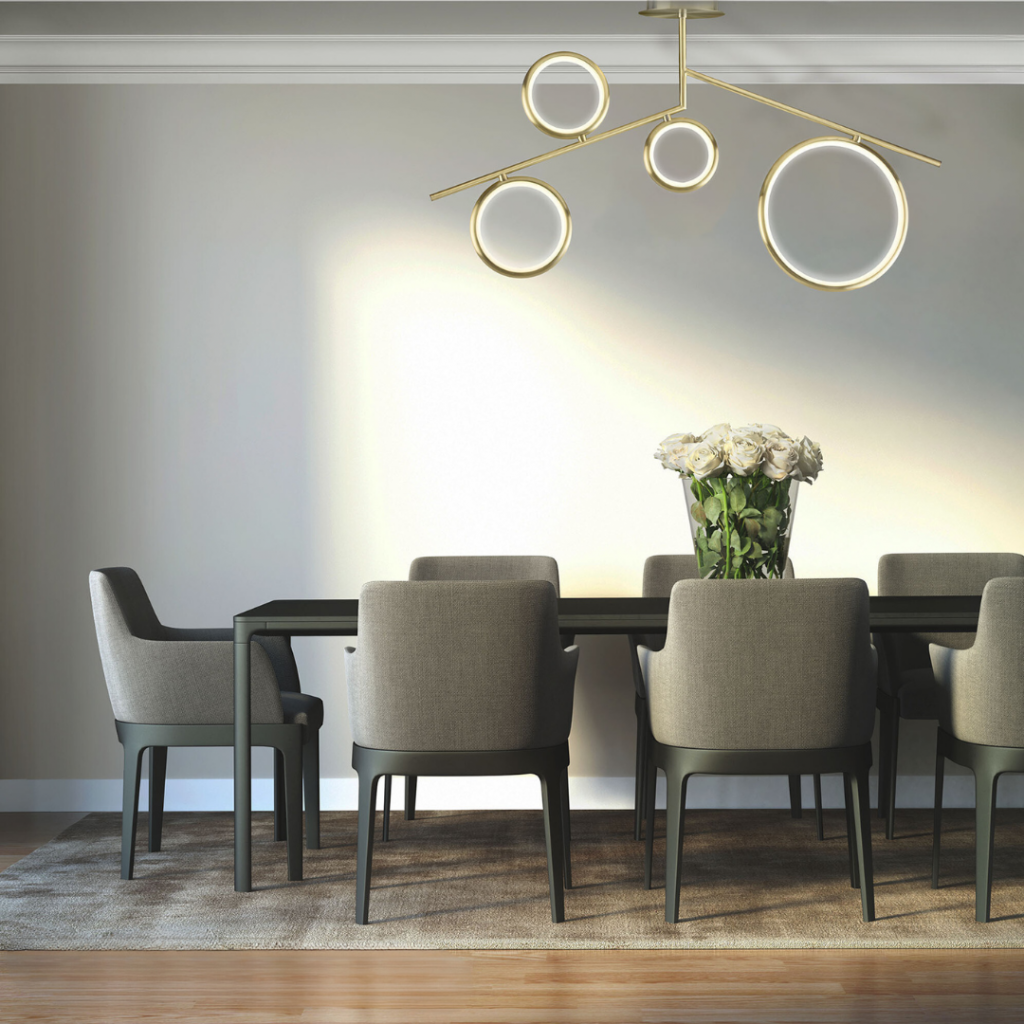
We are constantly adding to our collection of lights with integrated LEDs. Unlike traditional lighting fixtures that rely on separate bulbs, integrated LED lights incorporate the light source directly into the fixture itself. This provides a more efficient and durable solution boasting impressive energy efficiency while delivering the same, if not brighter illumination. Beyond this, they also have a longer lifespan, reducing the frequency of replacements and contributing to a more sustainable and cost-effective lighting solution. Integrated into ceiling fixtures, lamps and outdoor lighting, these lights represent a move towards a more intelligent approach to illumination.
Touch Lamps
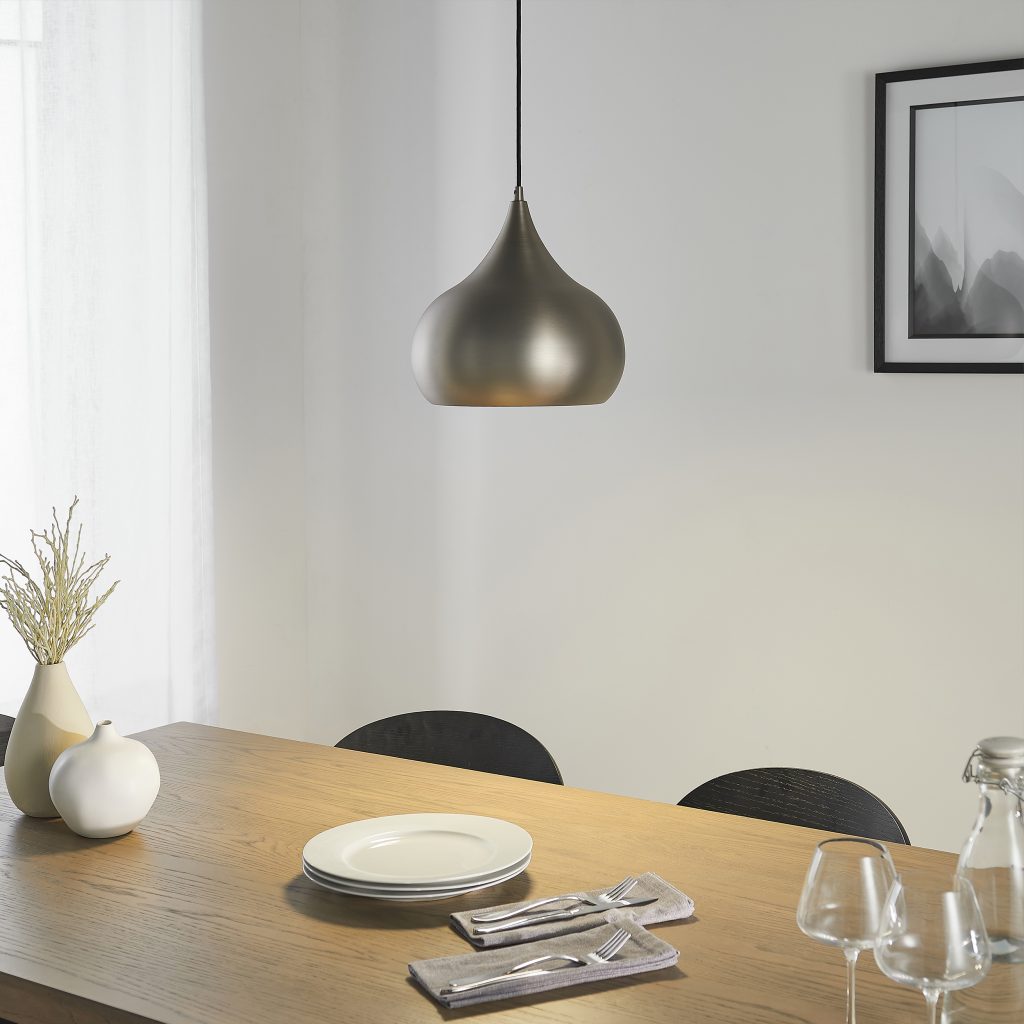
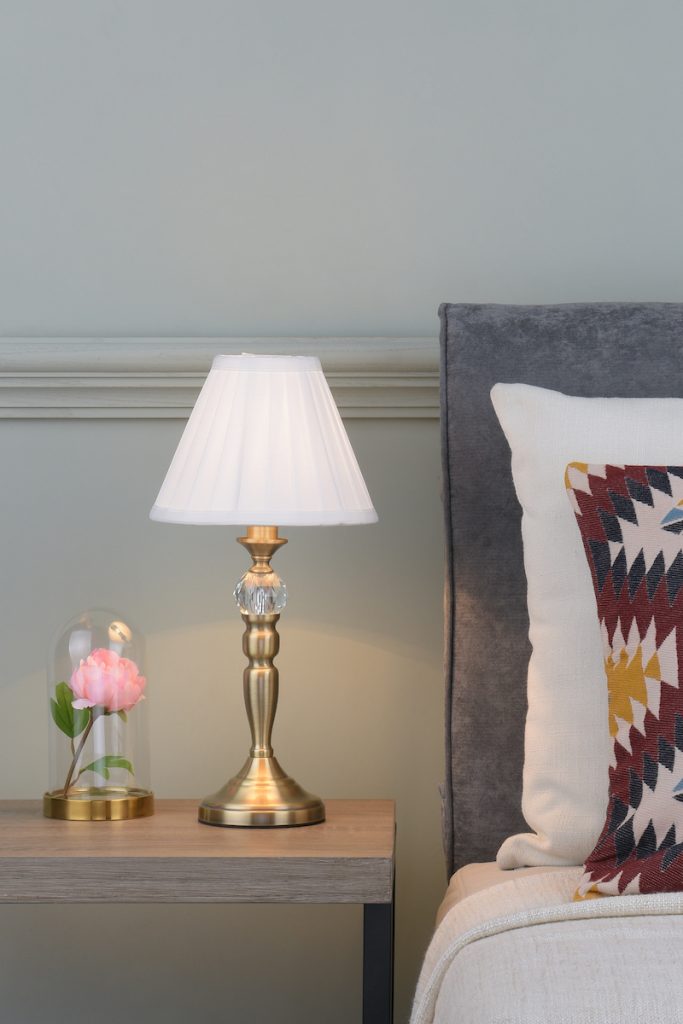
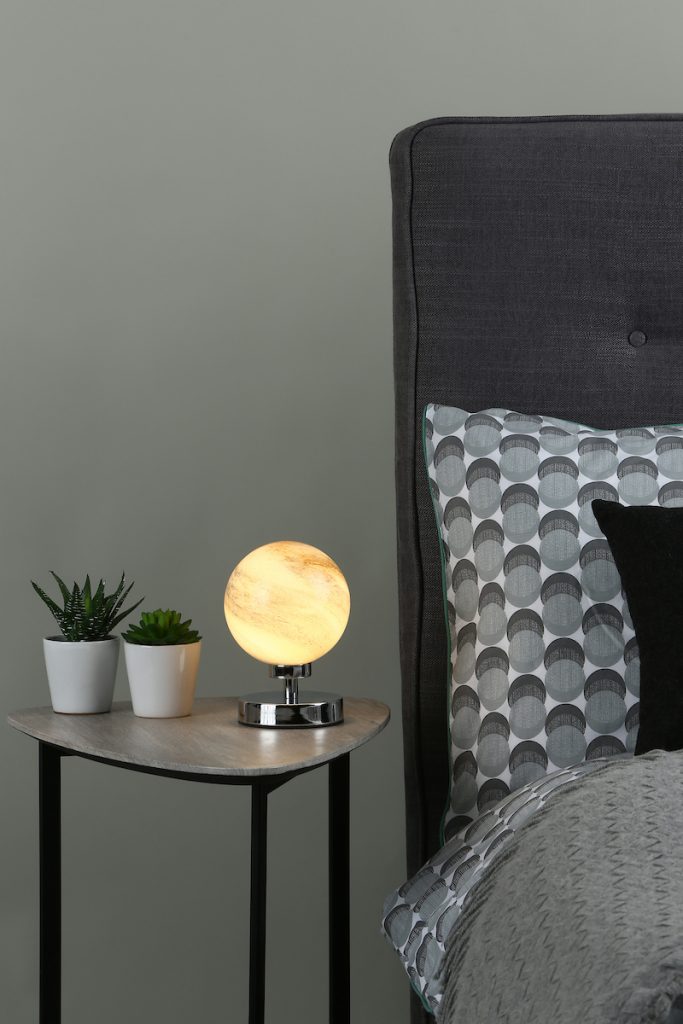
Touch lamps are transforming the way we interact with, and control our lights. Gone are the days of fumbling in the dark for a switch; now a simple touch on the base is all it takes to turn a lamp on and off. This innovative functionality adds convenience to our daily lives as well as a modern and sophisticated flair to our interiors. Some even allow users to create the perfect ambience with a simple tap by offering adjustable brightness settings. The sleek and minimalistic aesthetic of these lamps enhances their appeal, blending form and function for a more engaging and efficient lighting experience.
Radiant Simplicity
Minimalism

It is likely that we will see an increase in lighting fixtures that embrace minimalistic aesthetics in the coming years. Lights characterised by sleek and simple designs, favouring clean lines and neutral colours. They allow the focus to be on essential elements and eliminate unnecessary embellishments. Subdued tones and matte finishes contribute to a calm and unobtrusive atmosphere. In keeping with the focus on increasing energy efficiency, minimalist designs often involve LED technology to reduce environmental impact. The integration of smart technology allows for control and customisation while maintaining a sleek and uncluttered appearance.
Minimalism appreciates the importance of negative space to create a sense of balance, tranquillity, and visual clarity. It allows the eye to appreciate the beauty of the design while promoting calm and simplicity.
Wall Washing
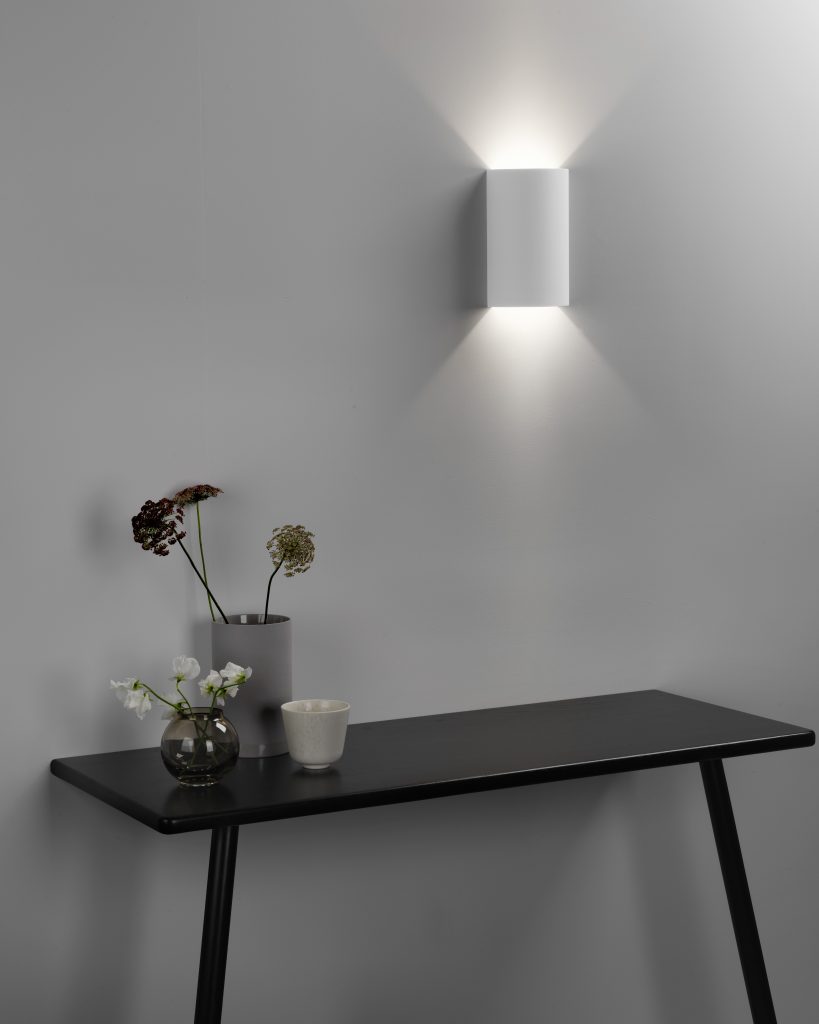
Lighting negative space is a crucial aspect of minimalist or contemporary settings, where space usage is intentional and strategic. Using indirect lighting methods such as up lighting or wall washing will bounce light off walls or ceilings to create a diffused and ambient glow. It will illuminate the surrounding spaces without emphasising specific objects.
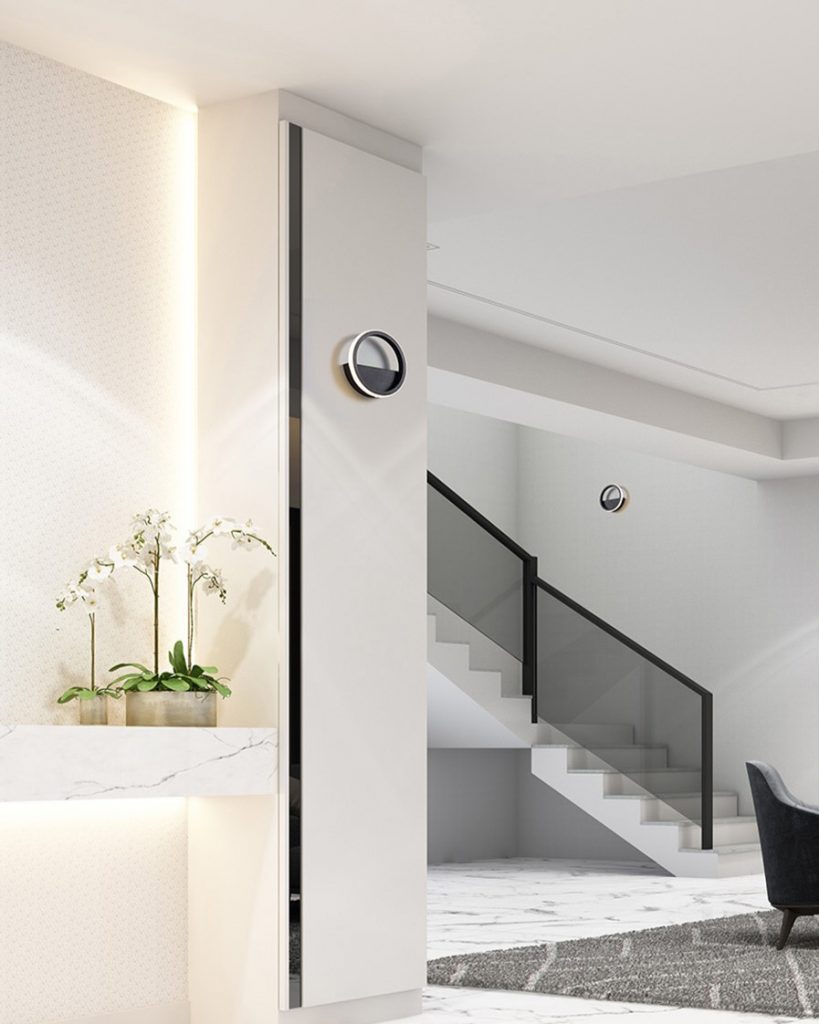
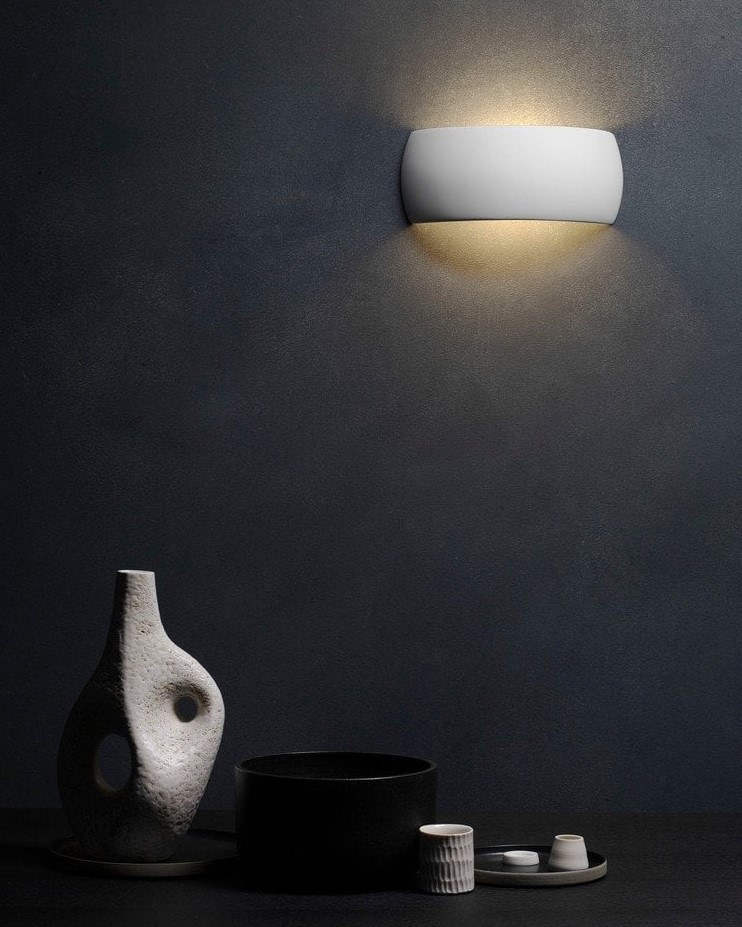
Hidden light sources are being increasingly used in modern homes to create subtle and indirect illumination. The use of LED strips hidden within shelves, alcoves or behind architectural elements helps to enhance the atmosphere of the room without drawing attention away from the intentional emptiness.
Vintage and Retro – With a Modern Twist
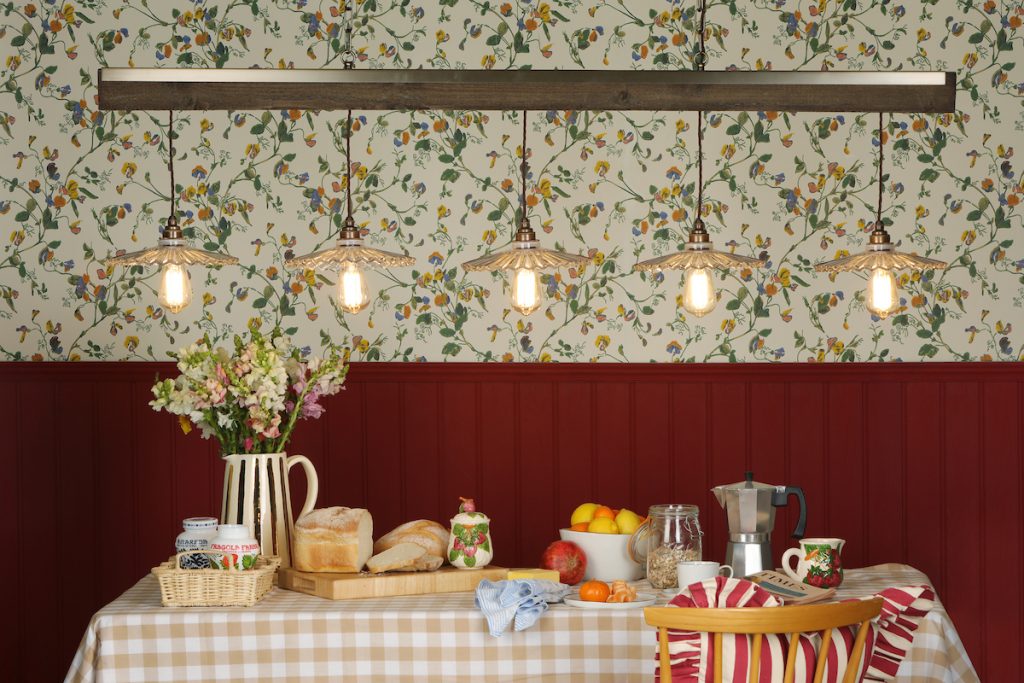
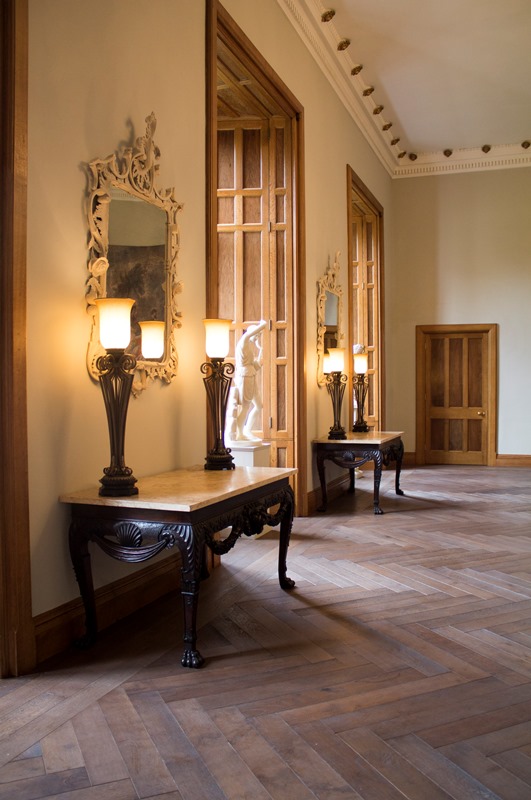
Vintage and Retro style lighting is enduring and is therefore expected to have an impact on future lighting trends. These styles evoke a sense of nostalgia and reflect a desire for timeless designs bringing a touch of history even to contemporary settings. We are constantly seeing a resurgence of iconic vintage designs blending the charm of classic fixtures with contemporary functionality.
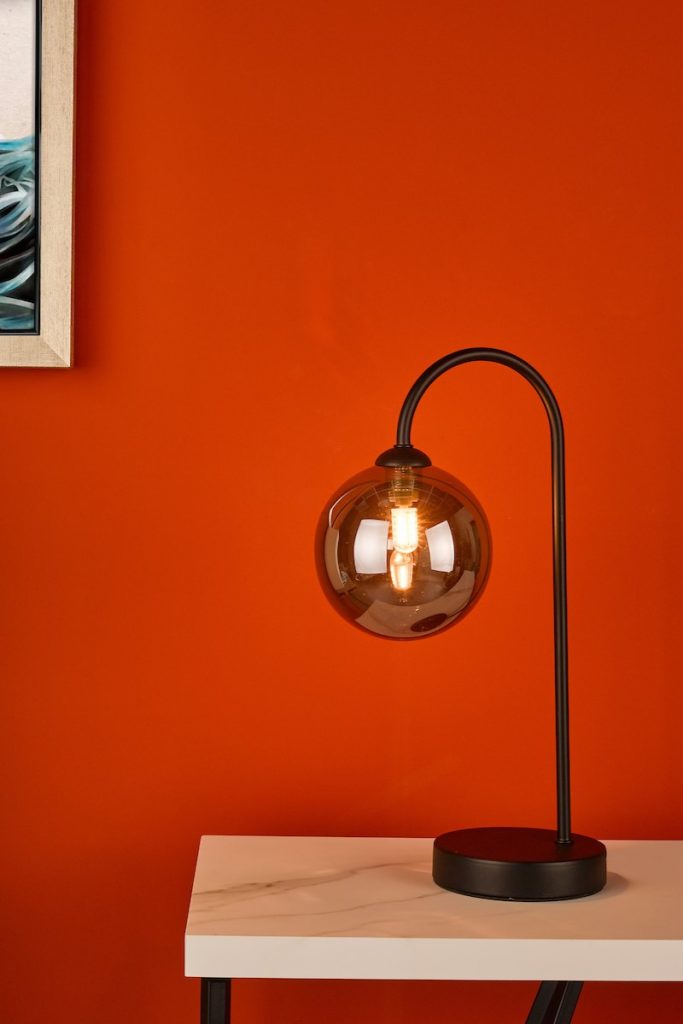
The popularity of traditional filament bulbs continues to influence lighting choices with lights being designed to show off decorative bulbs. Inspired by early 20th century designs they offer a warm and nostalgic glow to spaces.
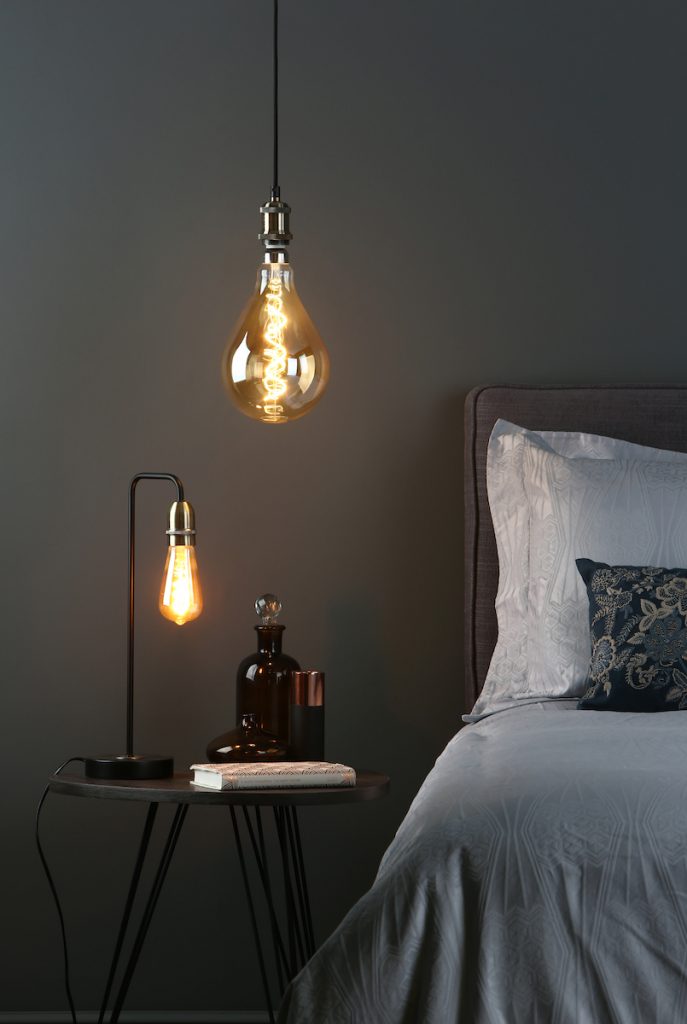
Sputnik Inspired Lighting
Lighting fixtures inspired by mid-century designs are likely to continue to be popular in both residential and commercial spaces. Characterised by clean lines and minimalist designs this style is perfect for hospitality settings offering a chic uncluttered look that is functional and practical. For a focal point the mid-century inspired sputnik chandeliers are becoming increasingly popular. With their futuristic and atomic-inspired designs they make a real statement in contemporary interiors.

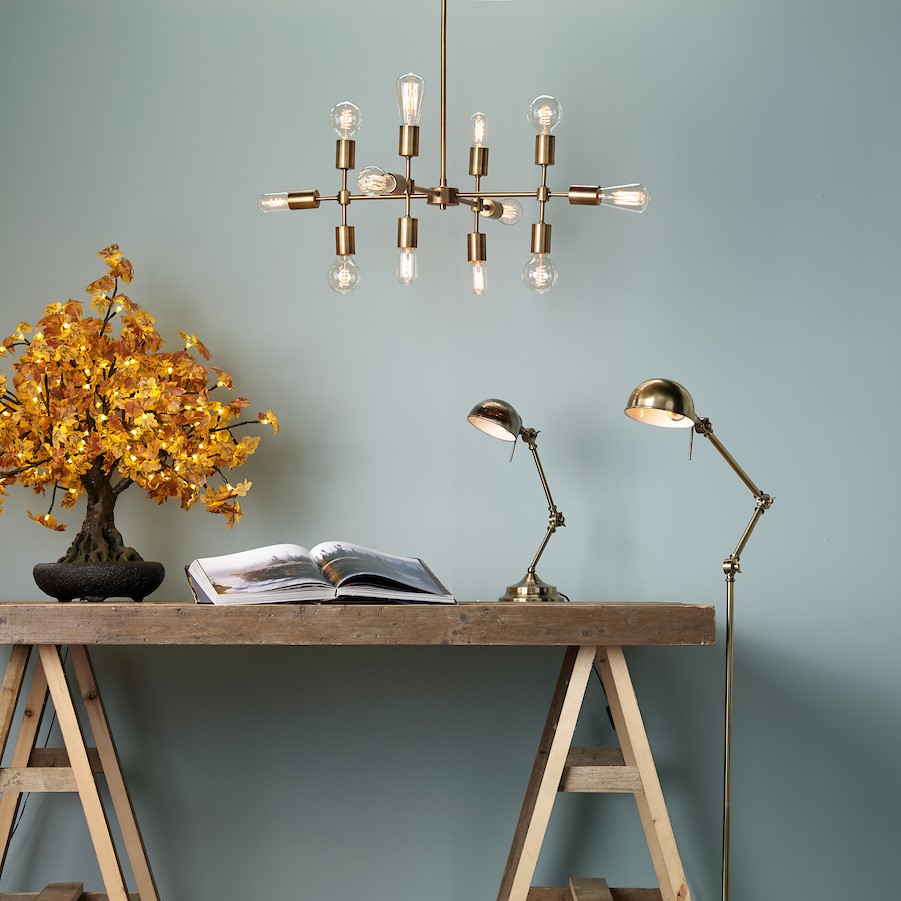
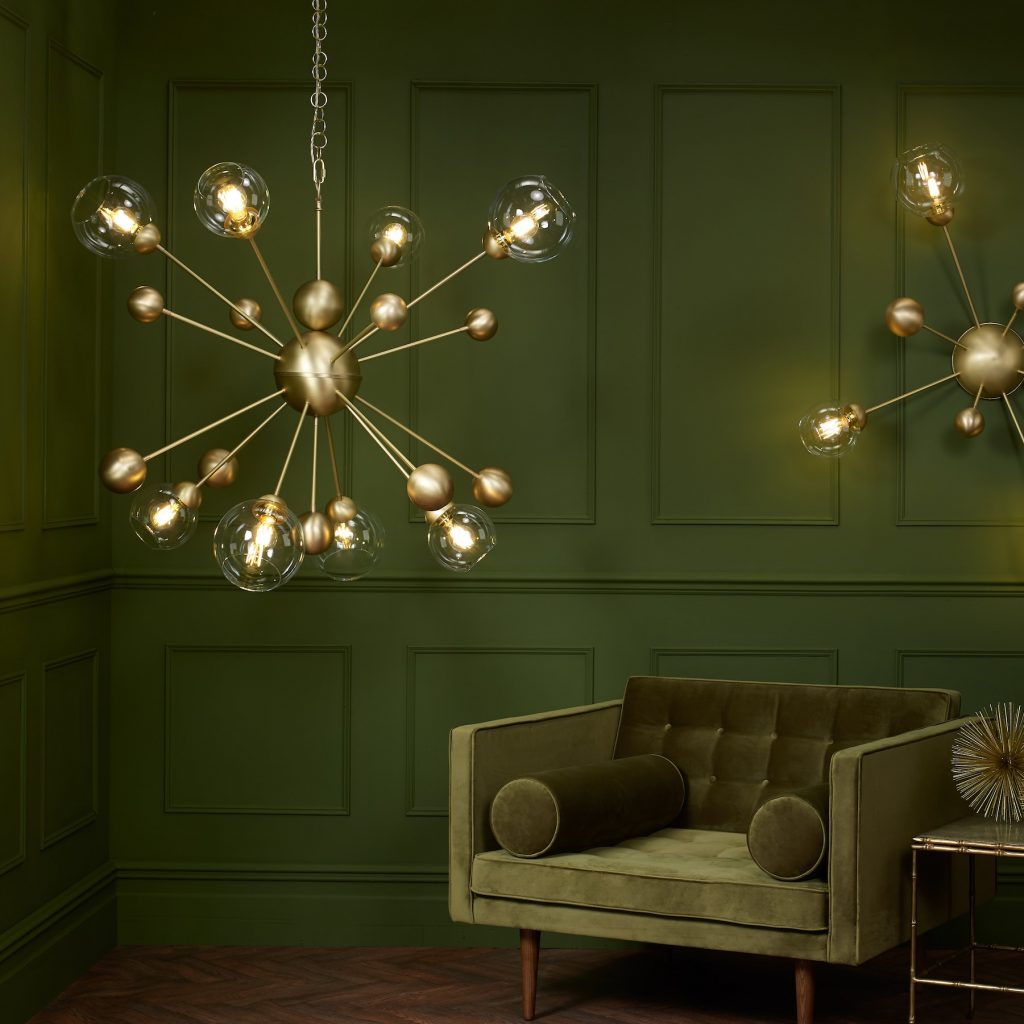
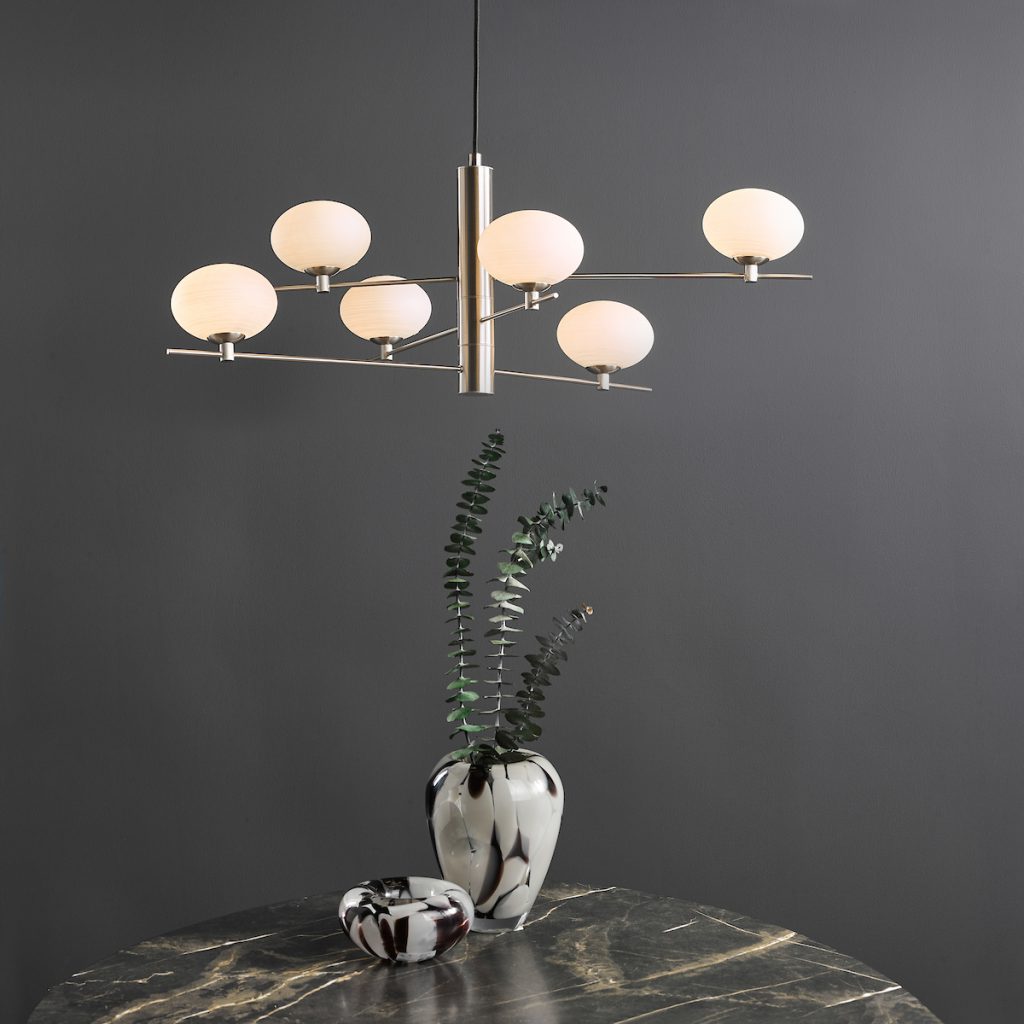
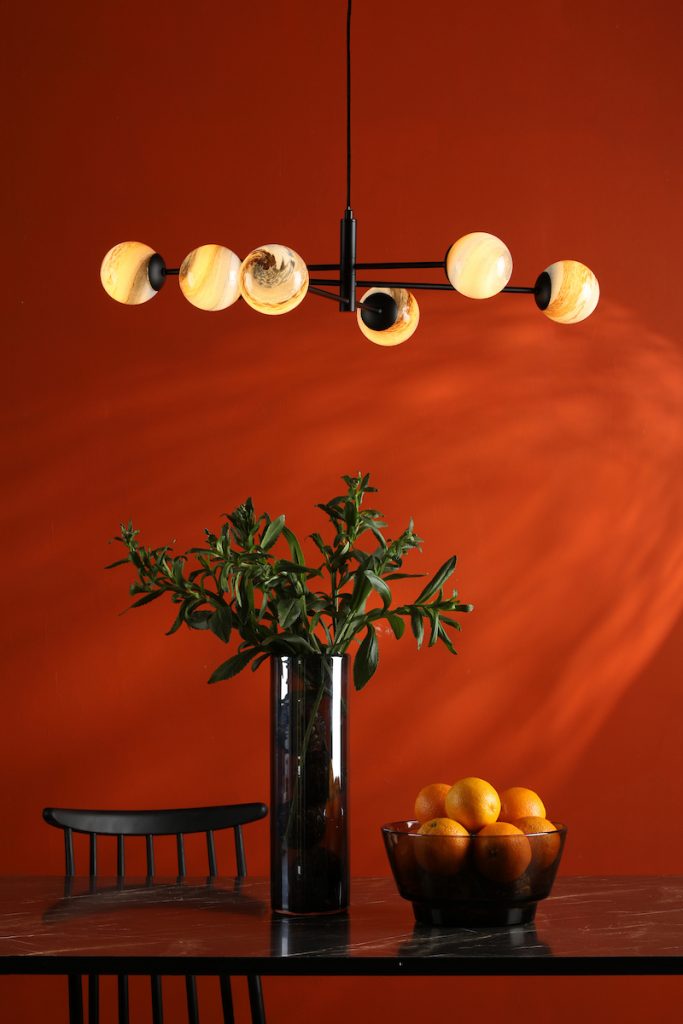
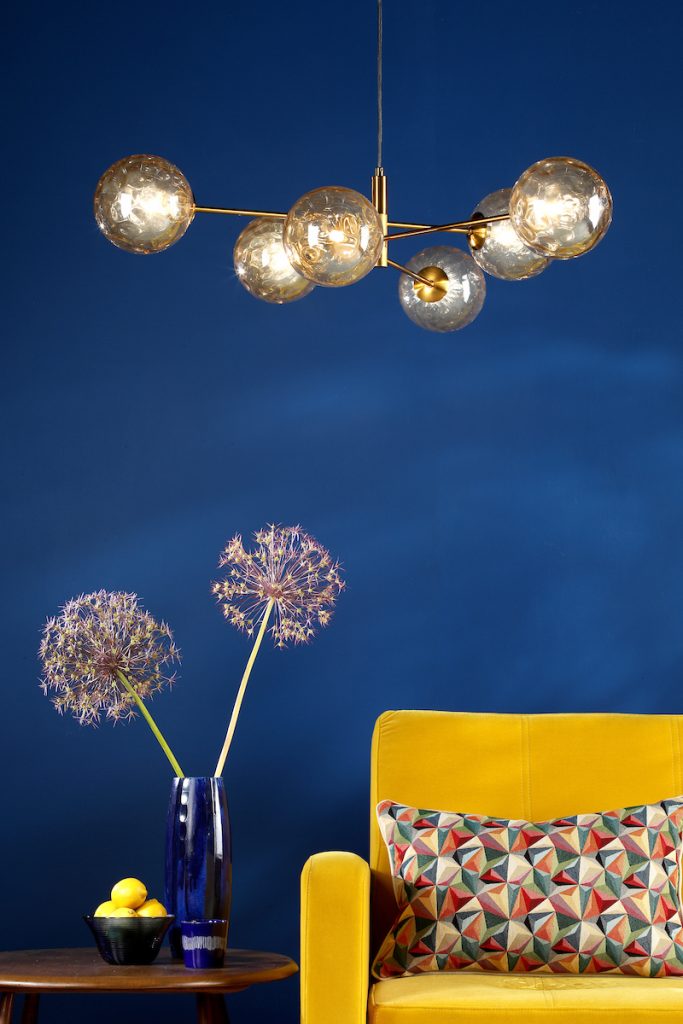
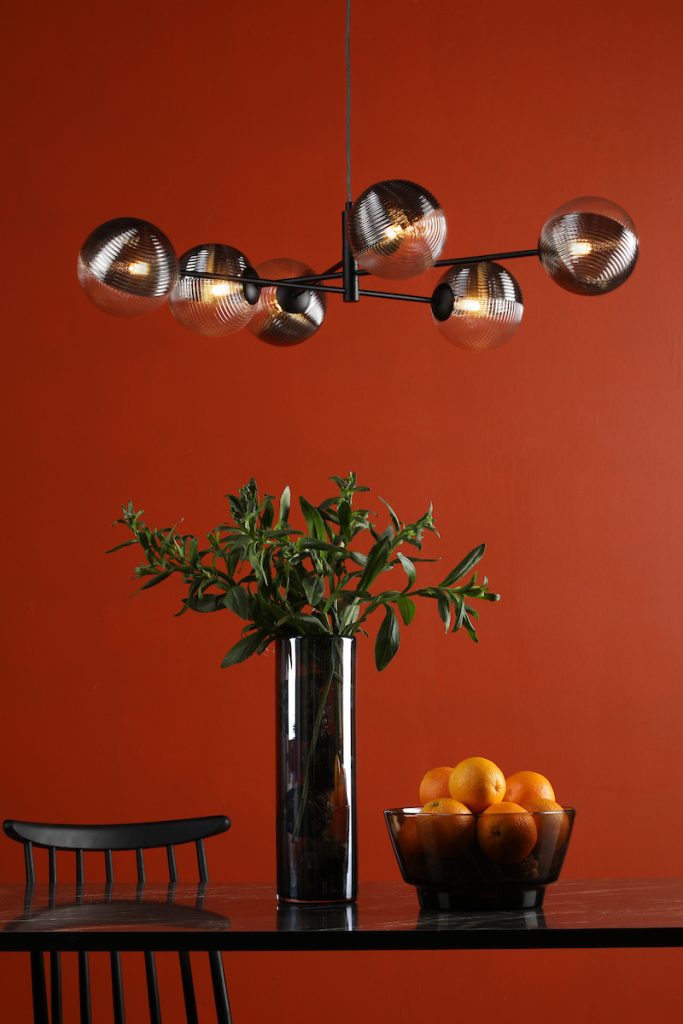
Our Options Collection features sputnik style chandeliers with interchangeable glass shades allowing you to create unique look for your space. These are also an excellent choice for a quick refresh or change of colourway for the season without the need for an electrician.
Industrial Chic
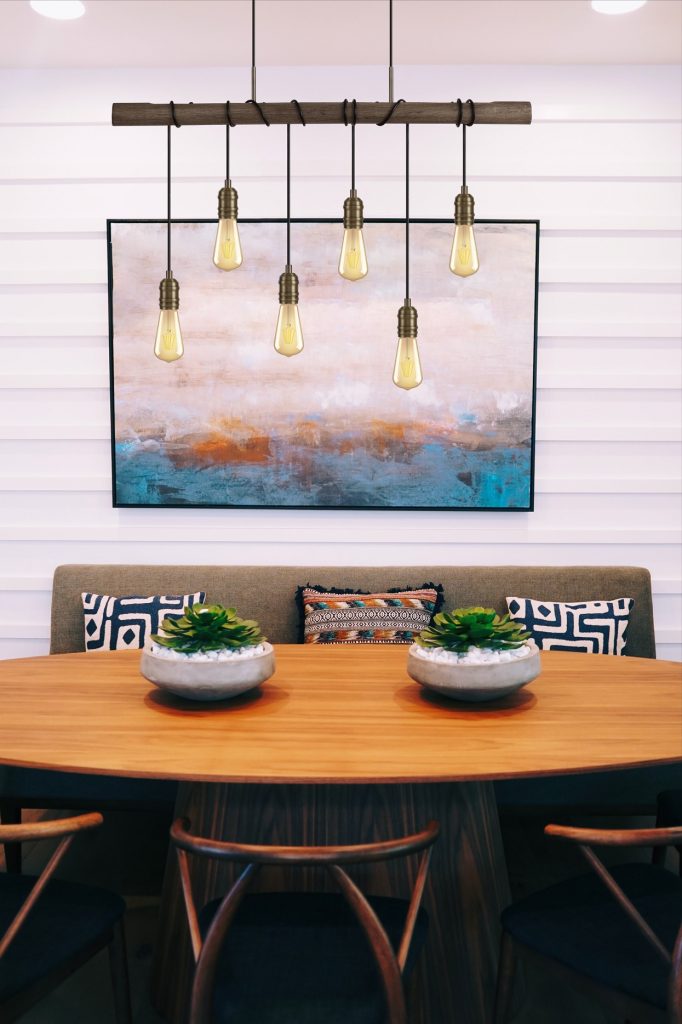
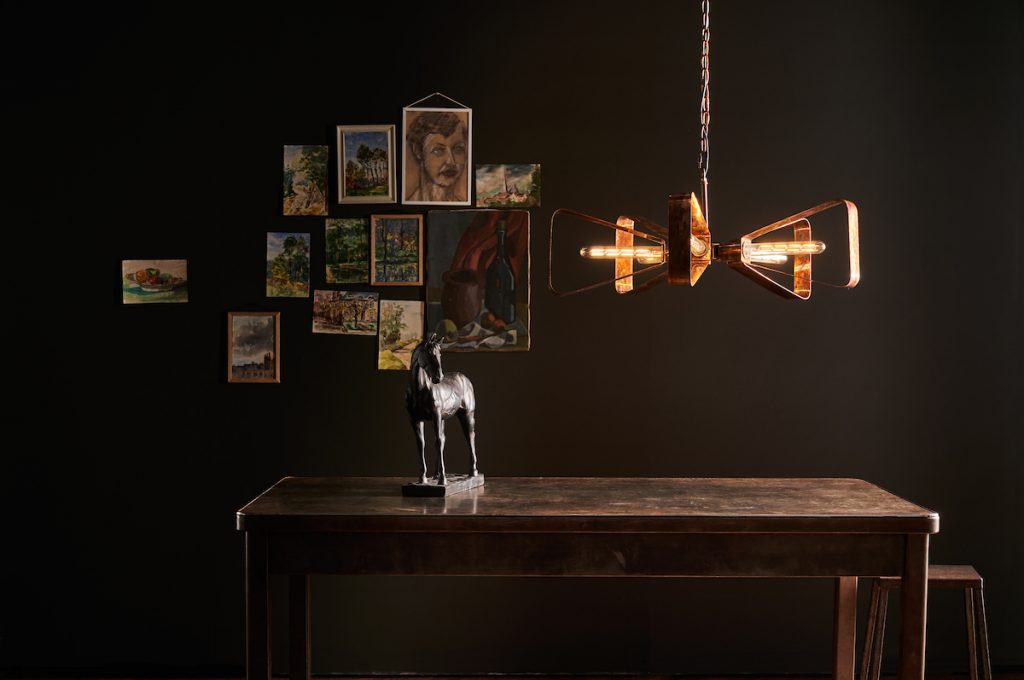
The enduring industrial chic aesthetic, inspired by vintage factories and warehouses is an interior style that is likely to persist. Lights featuring raw materials, exposed bulbs and utilitarian design will continue to be popular. As well as metallic finishes like brass and copper, weathered or distressed textures will continue to feature in lighting designs bringing a sense of authenticity and timeless elegance to interiors.
Colour
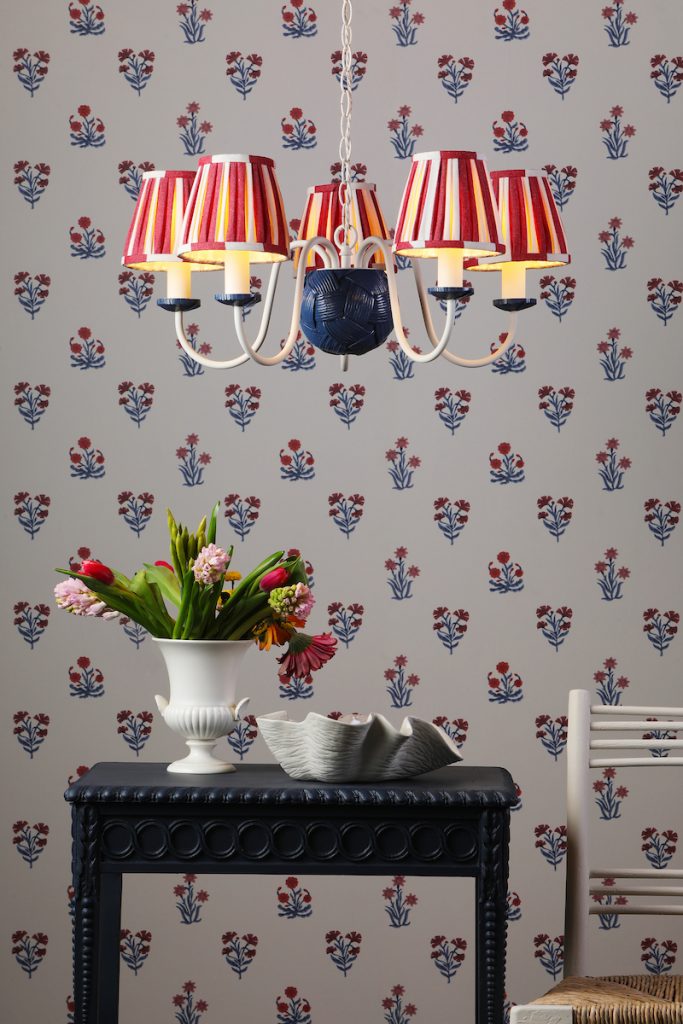
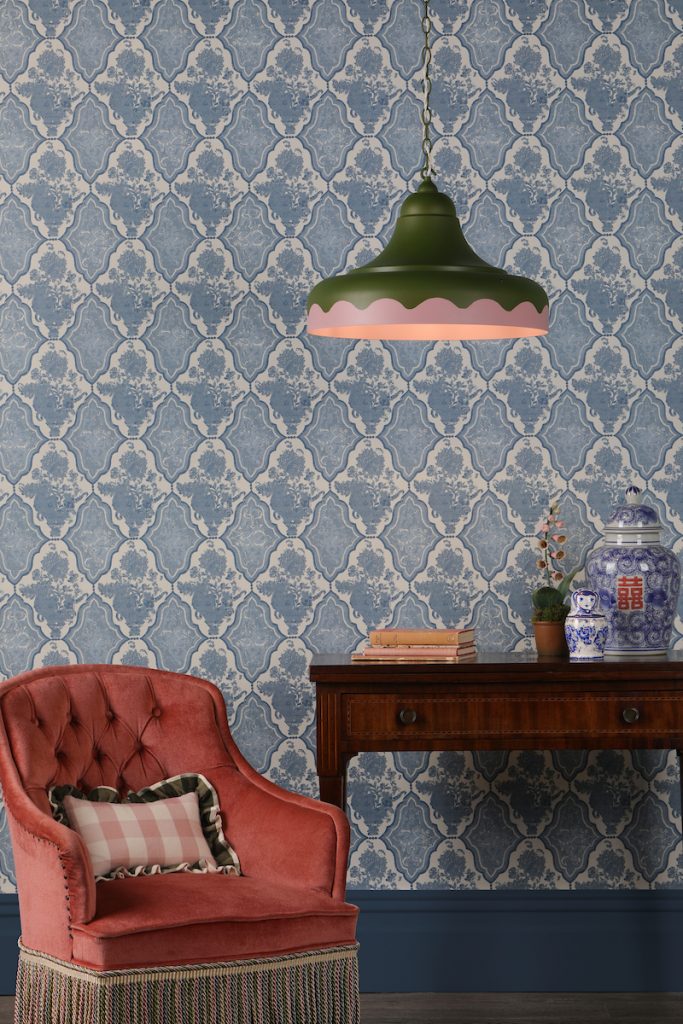
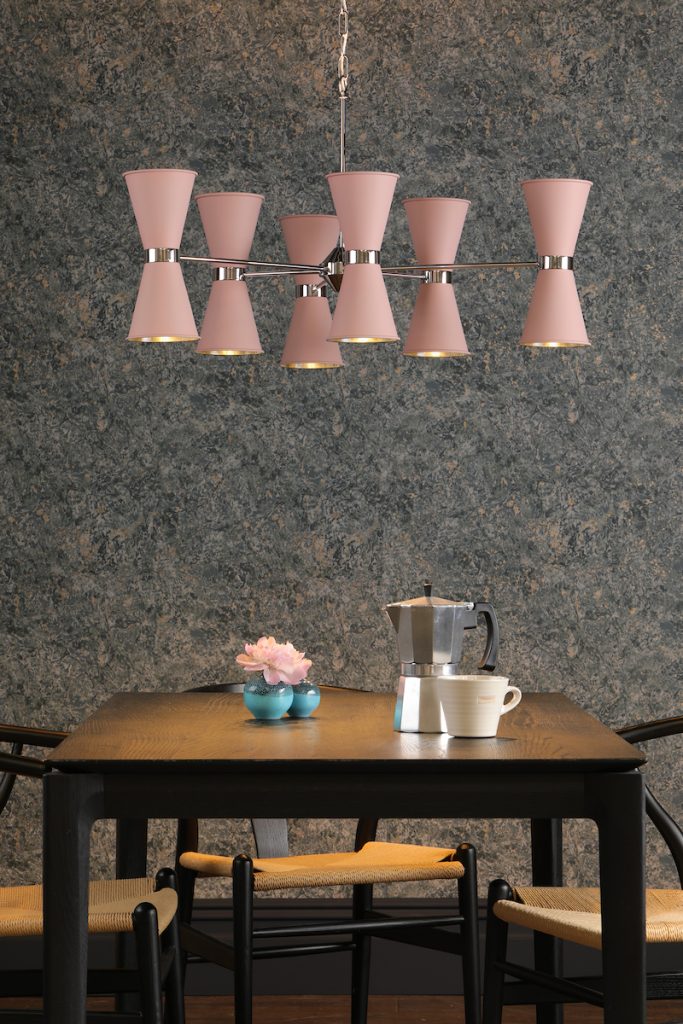
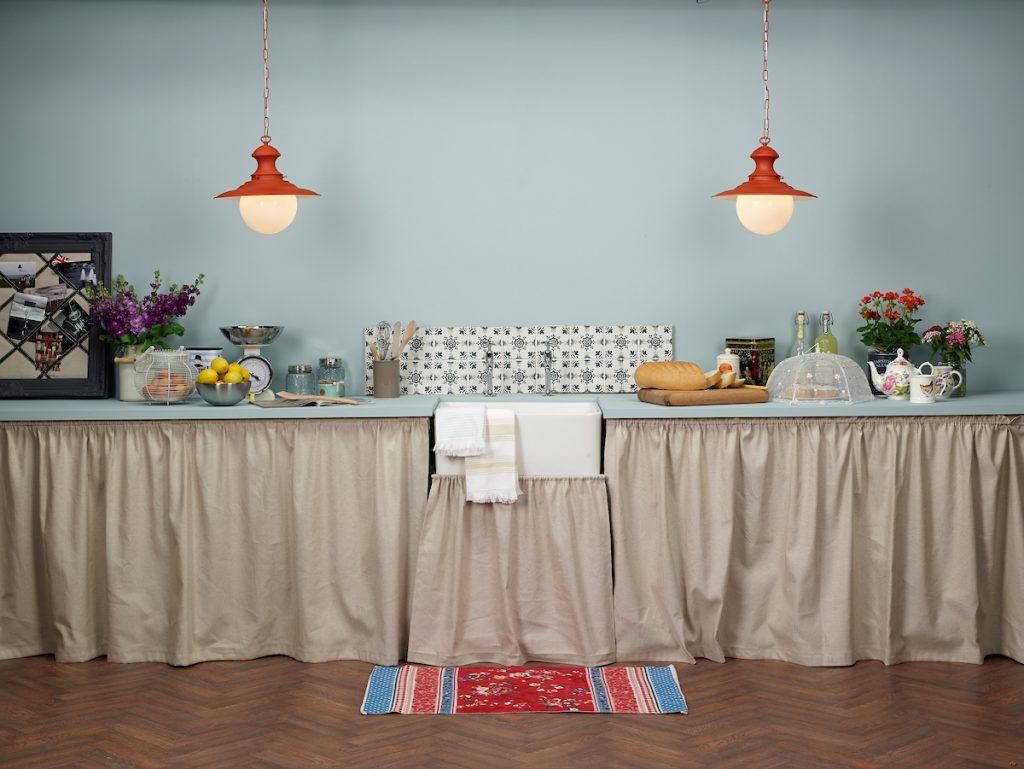
As brightly coloured lights with bold accents increase, retro colour palettes are likely to influence light fixtures colour choices. The vibrant hues of the 1960s and 1970s or the muted tones of the 1950s will contribute to a sense of nostalgia and playfulness.
Tiffany Lighting
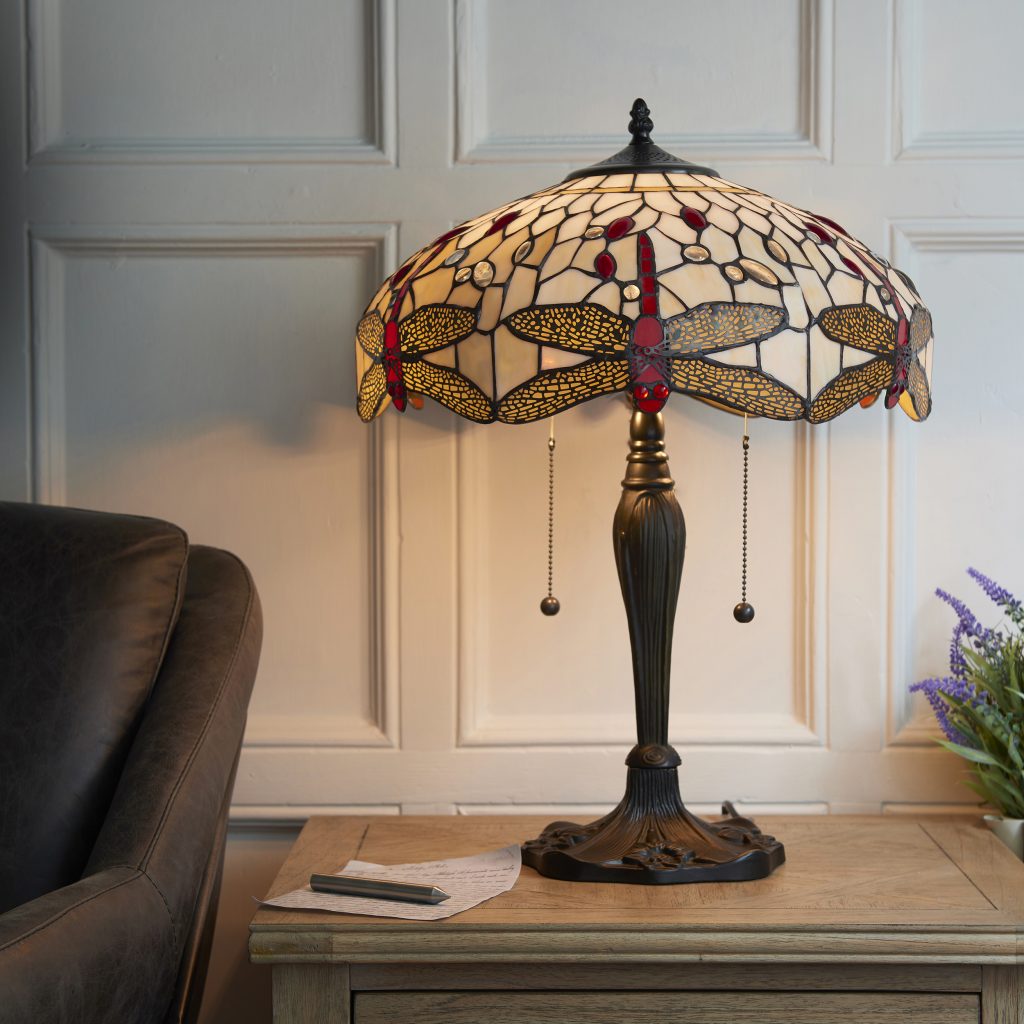
The glamour and sophistication of Art Deco design may also influence future lighting trends. With fixtures featuring geometric patterns, luxurious metals, and bold, stylish designs. Tiffany style lights are iconic decorative features, originating from the Art Nouveau and Art Deco movements in the late 19th and early 20th centuries. Characterised by stained glass shades with vibrant colours and intricate patterns, original Tiffany lamps are highly collectible and valuable. However, modern replications and interpretations continue to be cherished for their craftmanship, artistic beauty and timeless appeal. These lamps as a touch of elegance and vintage charm to a variety of interior settings.
Shaping your Space – Personalised Lighting Options
Homeowners are seeking ways to express their individuality in their living spaces through colour, décor and unique furnishings. The future of interior design is all about customisation, and customisable light fixtures are emerging as a driving force in the evolution of interior aesthetics. These fittings are not just sources of illumination; they are expressions of personality and artistic vision.
Customisable Lighting
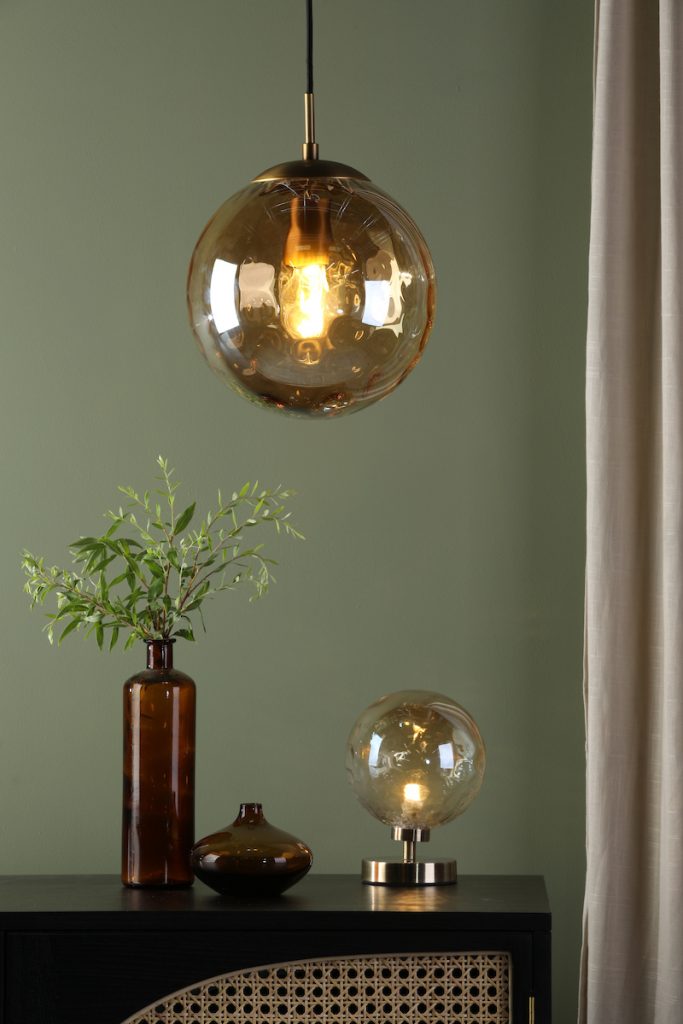
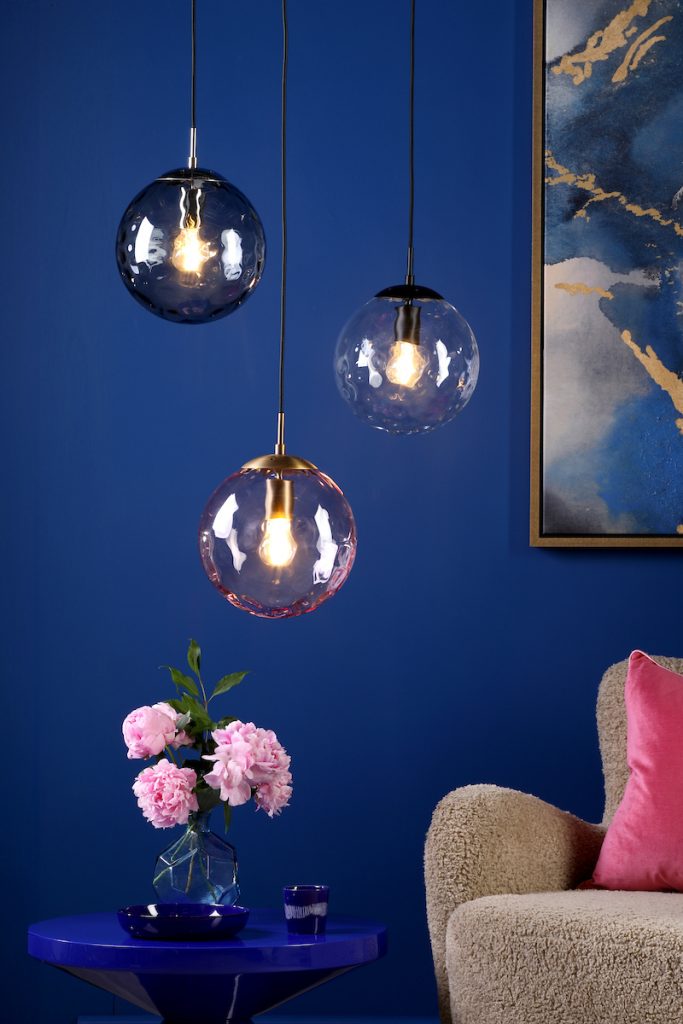
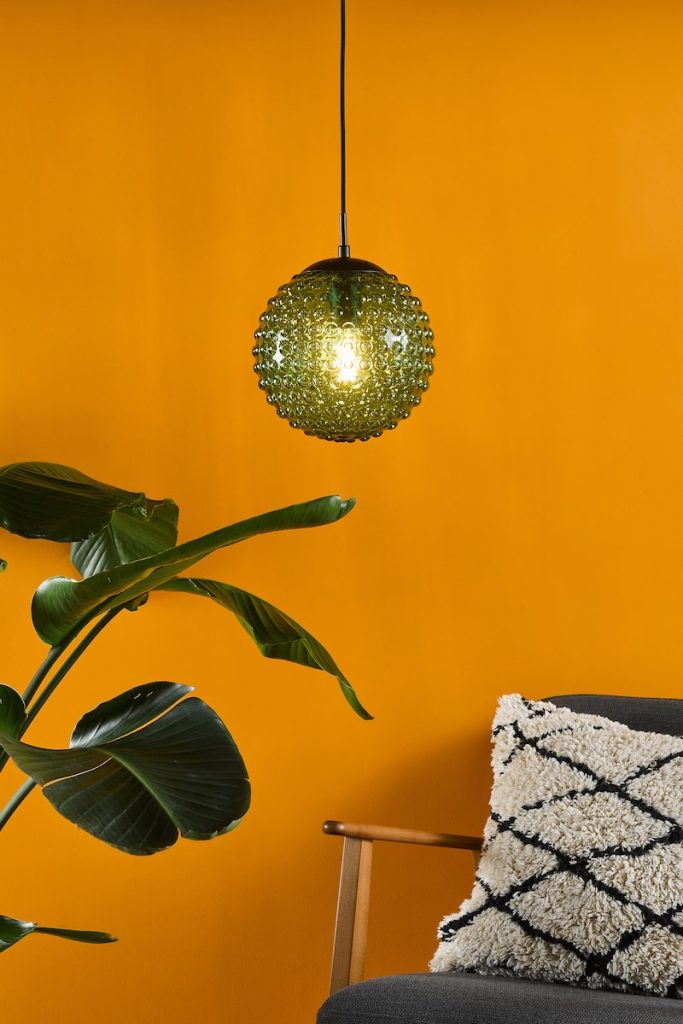
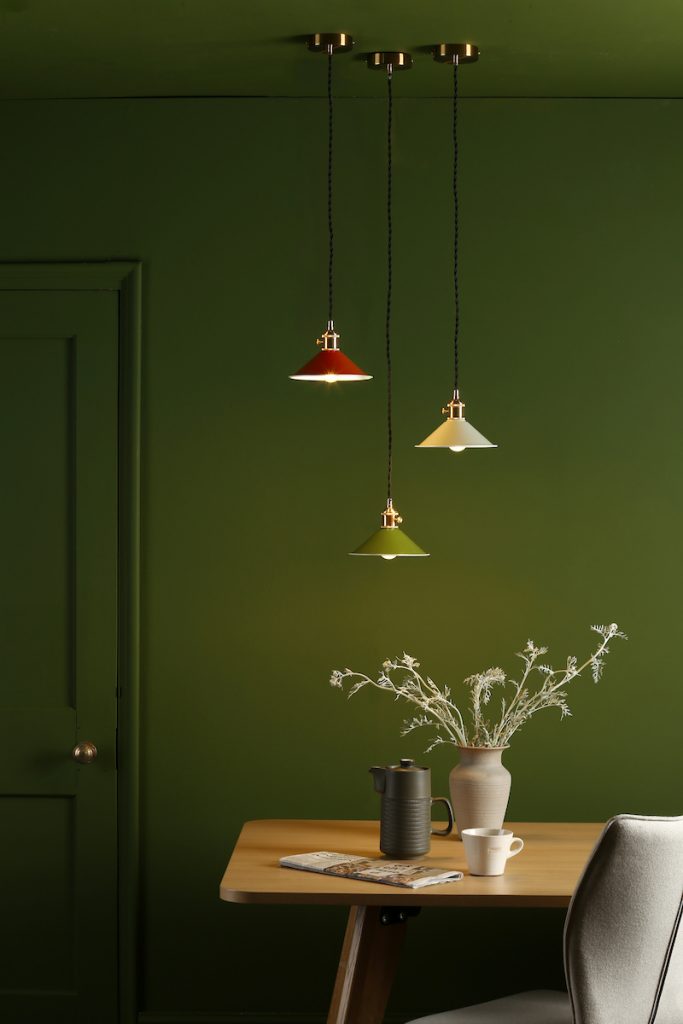
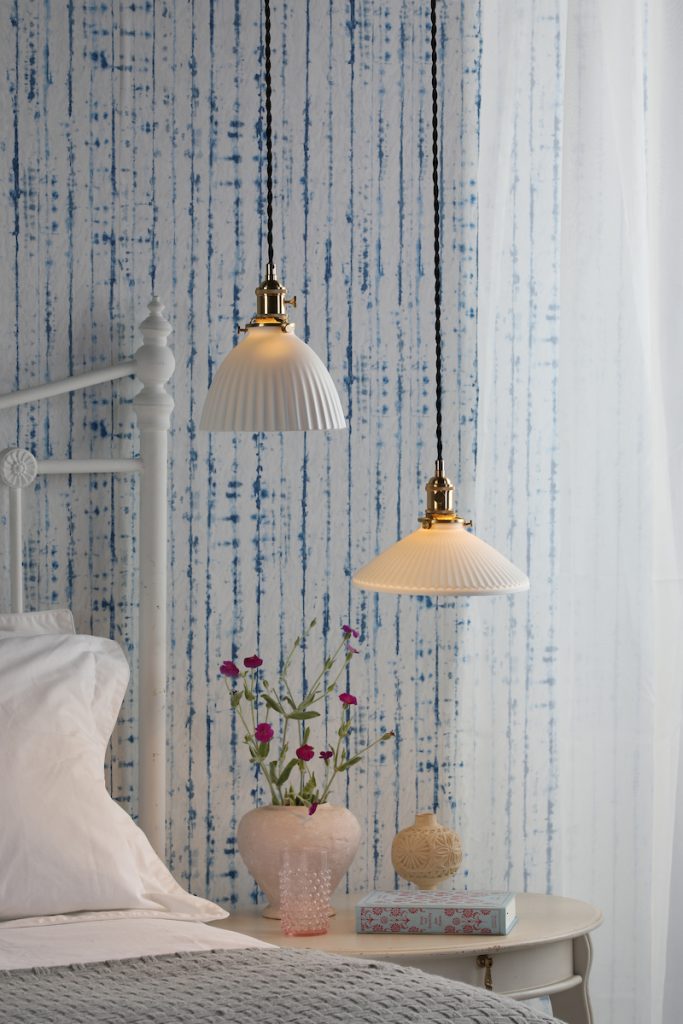
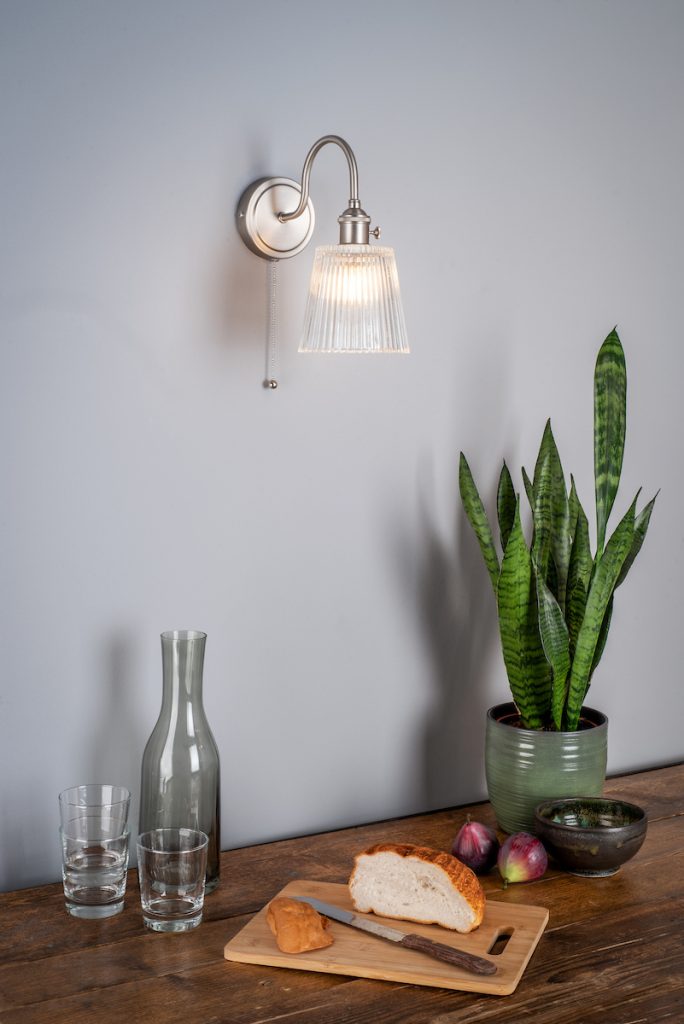
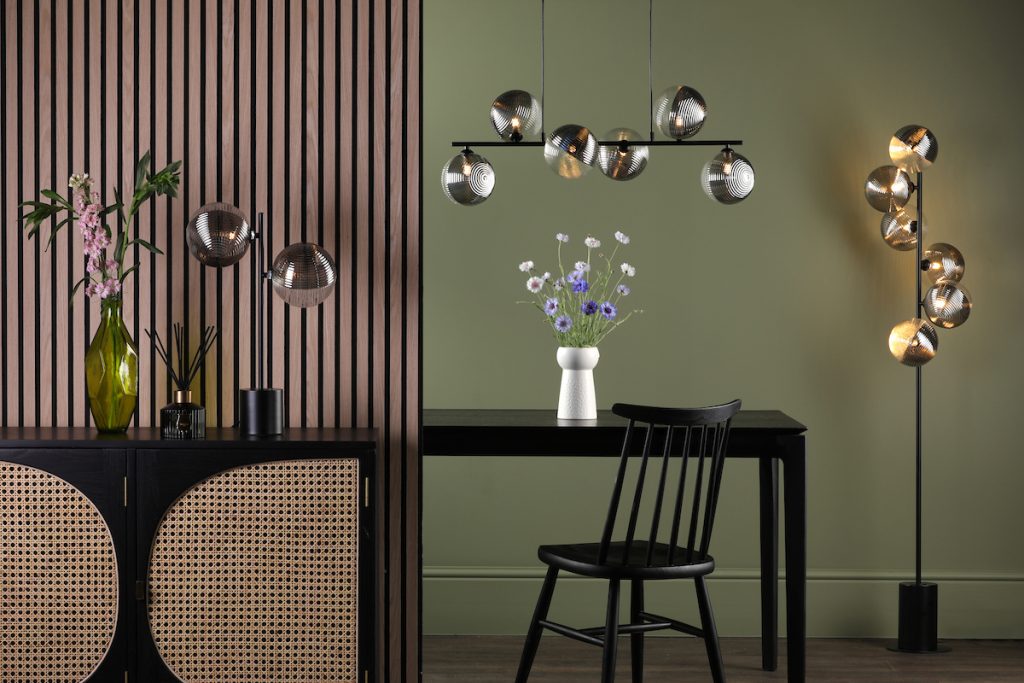
With an array of designs in various finishes and a vast selection of glass shades, you can create a look to suit you. Start to shape your interior to reflect your individual tastes and needs. Imagine lighting fixtures that will adapt to the evolving needs of your space without the added costs of new fittings. Simply change the shades to create a whole new look. Be it for a colour scheme change, a season or simply to set the mood for a party or gathering, it really is that simple. These tailored lighting solutions offer limitless potential in creating environments that inspire and delight.
Mix and Match
The future of interior design is no longer about fitting into predefined lighting schemes. It’s about letting your unique style and creativity shine, one custom light fitting at a time. Consequently, we have begun to see a rise in popularity for these mix and match light fixtures. Our Options Collection, Crossover Collection and Combinations Collection offer a growing compilation as more manufacturers follow this trend. Get ready to see the transformation unfold in homes and design projects where light isn’t just functional – it’s an art form.
Mixed Materials – Combining Textures and Materials
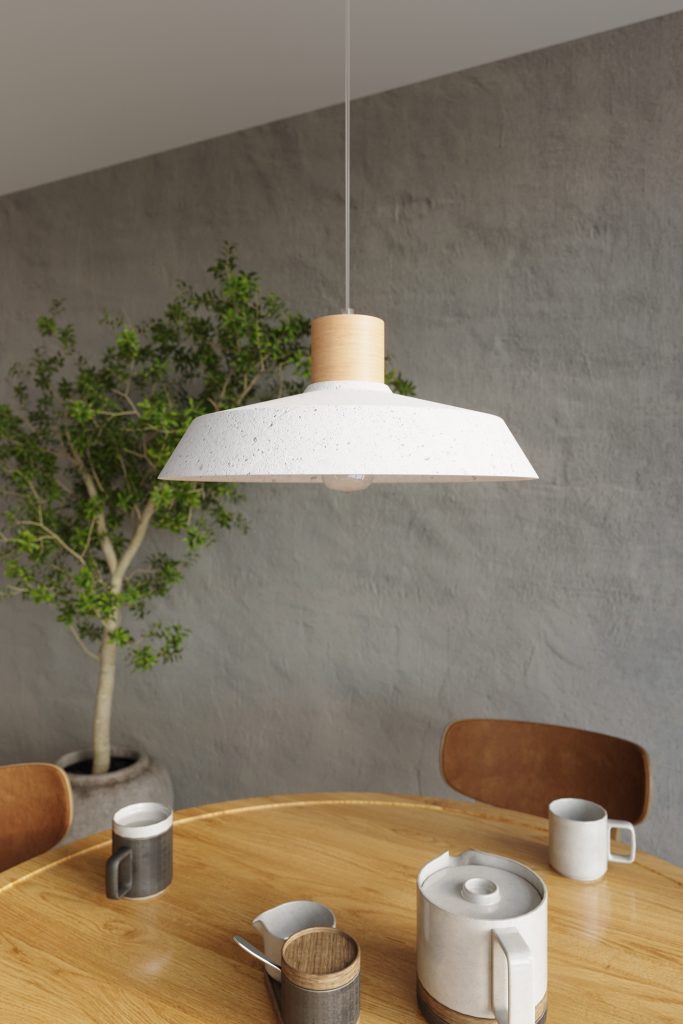
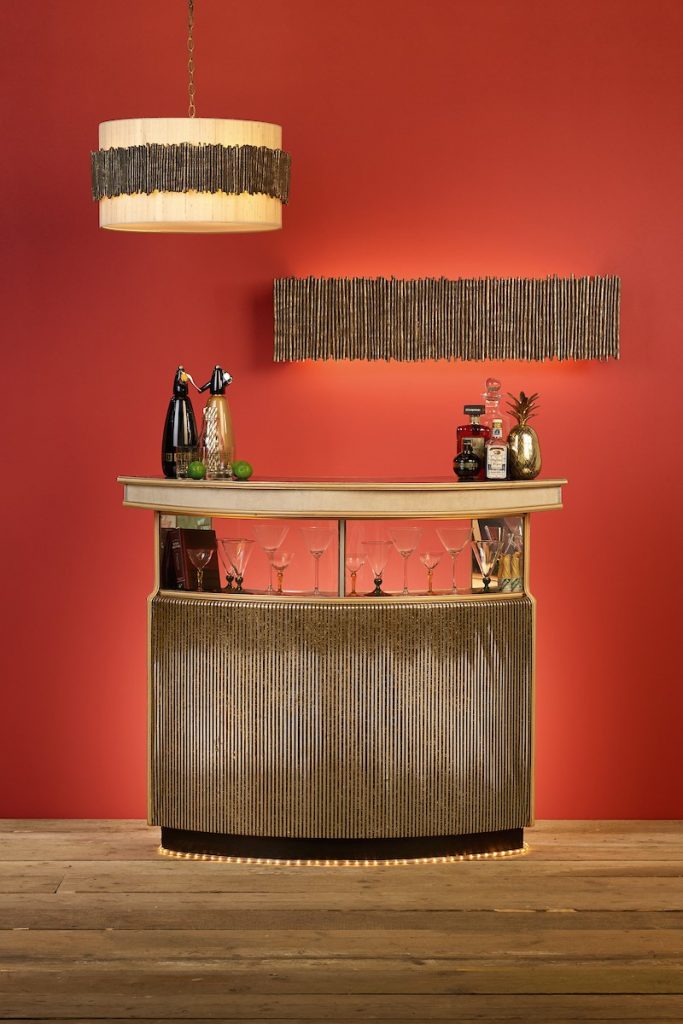
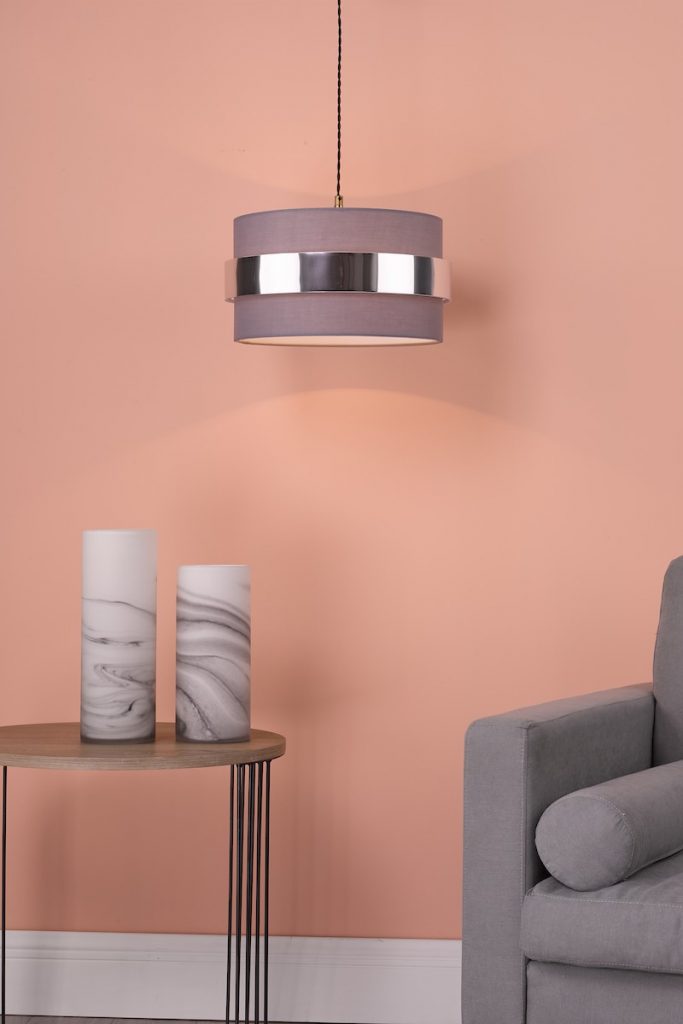
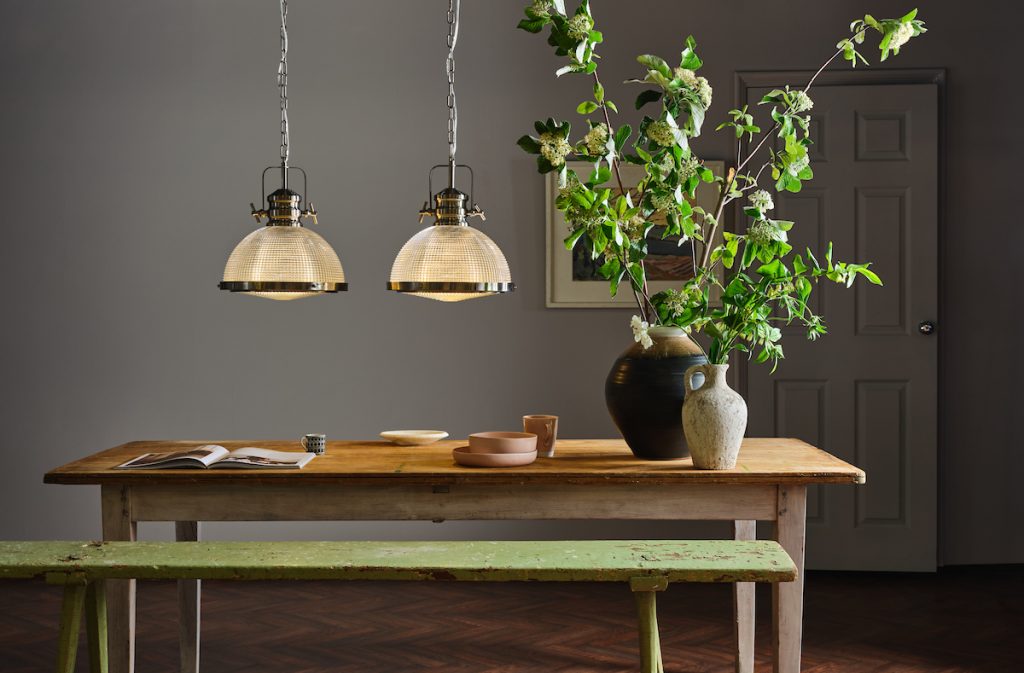
The appreciation for artisanal craftmanship will likely influence the use of mixed materials. Manufacturers are favouring handcrafted elements and bespoke finished to add a layer of authenticity and uniqueness to interiors. Achieving both aesthetically pleasing and conceptually intriguing spaces means we expect to see designers pushing the boundaries of material combinations. Moving beyond just the visual appeal and creating a sensory experience that contributes to the overall richness of the design. Combining rough and smooth textures or glossy and matte finishes will add a tactile dimension to interiors.
Sustainability
Consequently, the trend towards sustainability is likely to impact the choice of materials with designers exploring eco-friendly and recycled material options.
Mixing materials to create lighting designs is a dynamic and adaptable trend with endless possibilities. Whether creating an eclectic and bohemian vibe or a vintage industrial look this trend opens the door for exploration and innovation. It will allow you to create a unique and individual space that moves beyond the traditional constraints of design. It is an invitation to step outside the ordinary and curate a space that is a bold, diverse, and one-of-a kind as you are.
Wellness -Promoting Relaxation and Stress Reduction
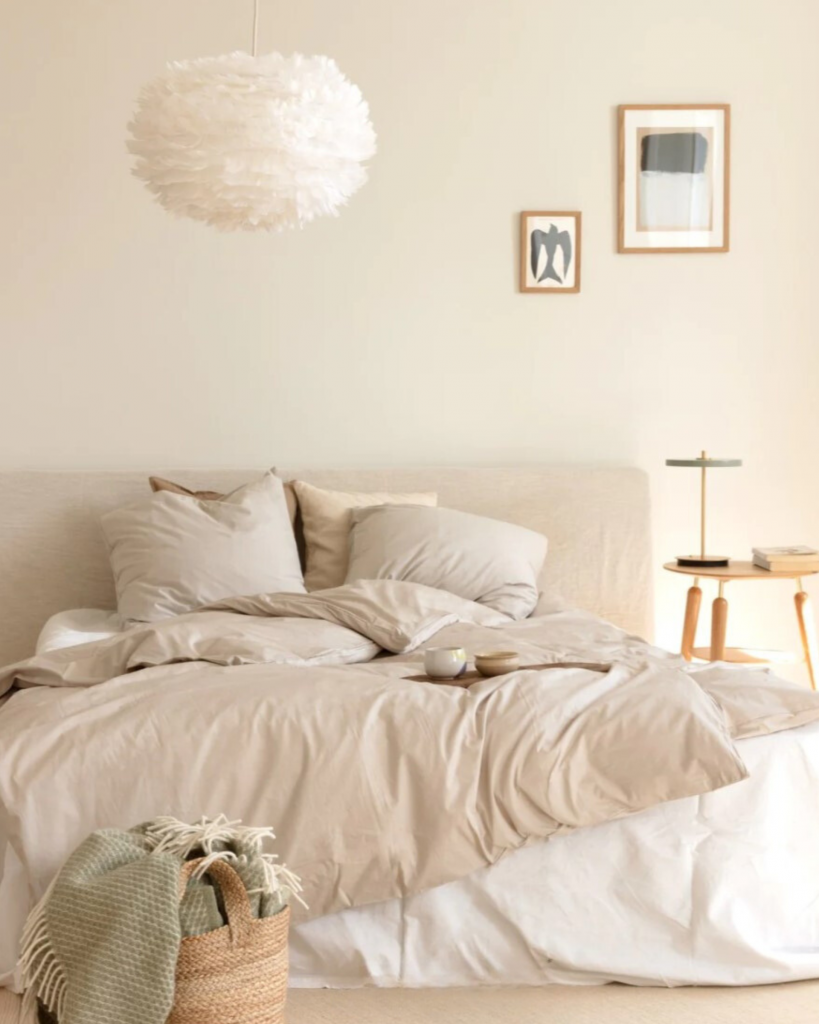
A focus on well-being in interior design is likely to grow due to evolving societal needs and a deepening understanding of the relationship between our environments and health. Individuals are seeking spaces that contribute positively to their physical and mental health. They are looking to create environments that support holistic well-being and improve overall quality of life. Lighting is fundamental in this design and plays a crucial role in creating environments that promote relaxation and reduce stress. Catering to the different activities and moods by creating zones can help to contribute to a sense of balance. Warm, amber-toned lights induce comfort in relaxation areas, while cooler, white-toned lights in workspaces promote focus and alertness.
Reducing Eye Strain
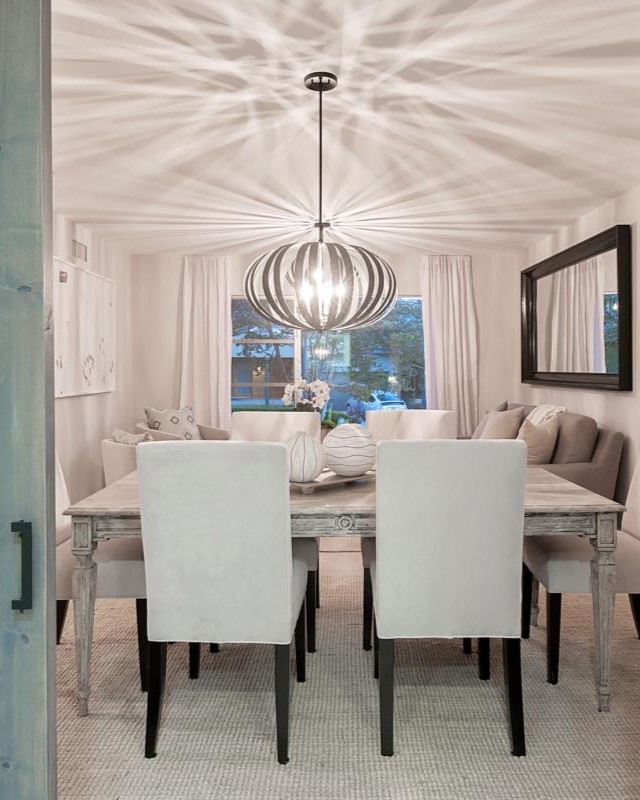
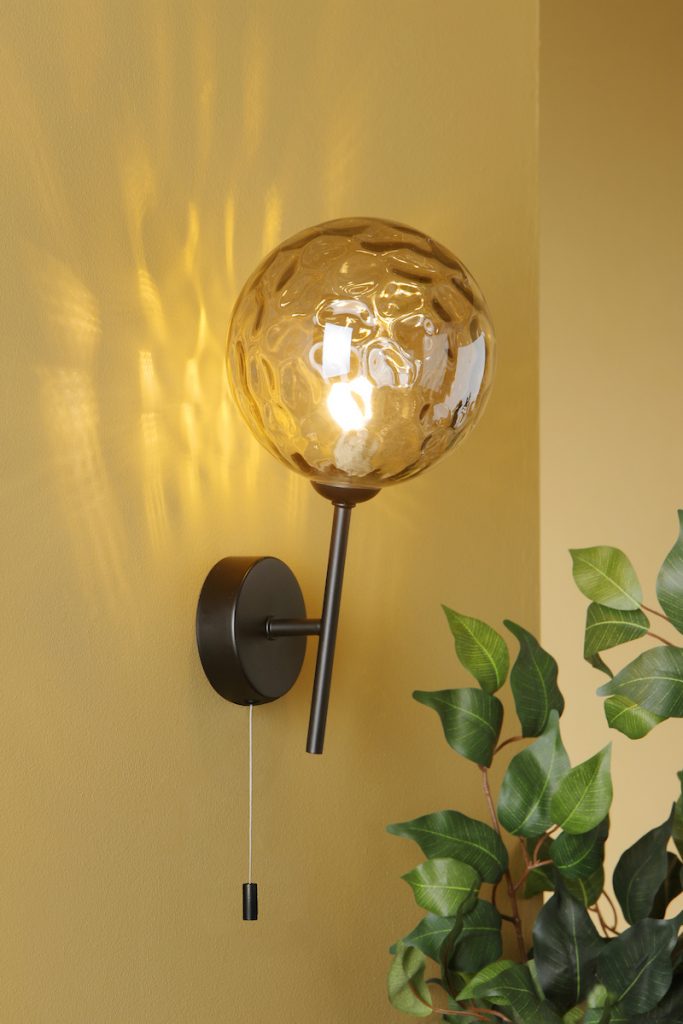
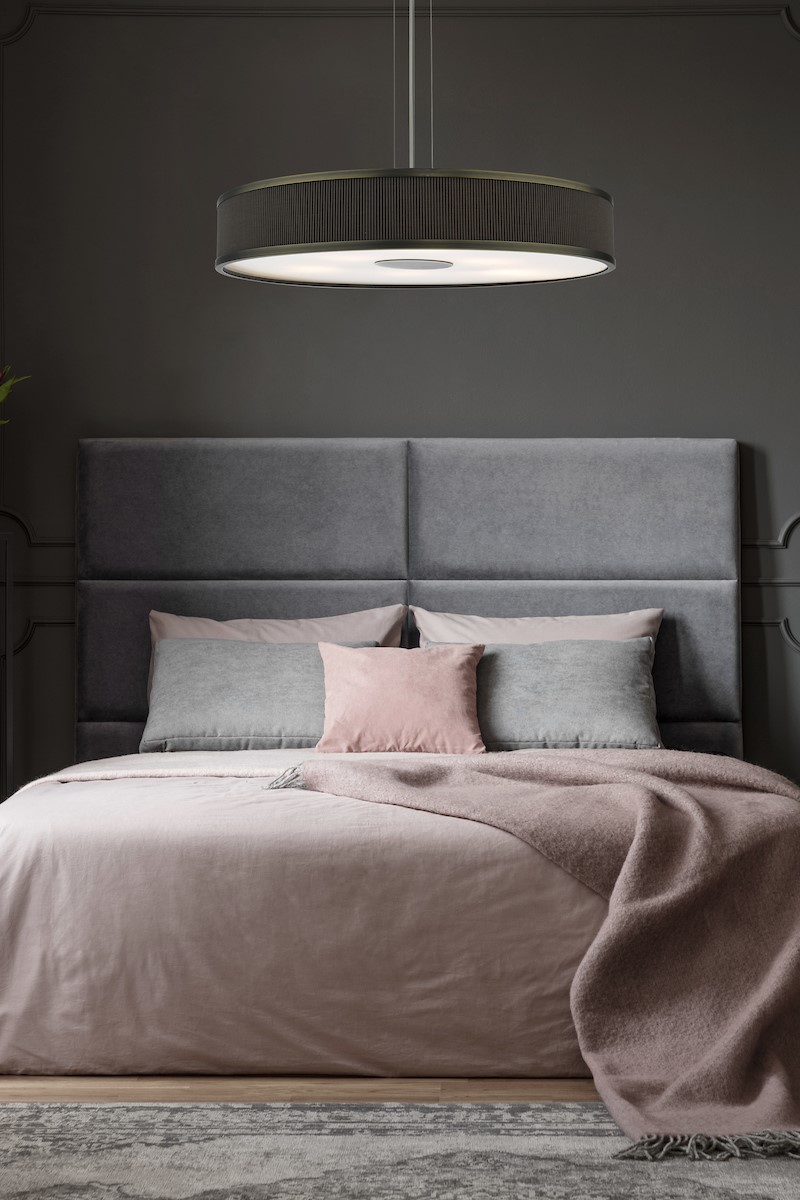
It is important to minimise glare and harsh shadows as these lighting conditions can contribute to eye strain and discomfort. Minimise these effects though the use of diffusers, indirect lighting such as wall lights and lamps ensuring a visually pleasing environment. Choosing dimmer switches paired with suitable bulbs provides individuals with control over the lighting environment. This contributes to a more personalised and comfortable space therefore enhancing the sense of well-being.

Natural Patterns
It is here we see again the trend for biophilic lighting elements. Fixtures that emulate natural patterns, like dappled sunlight or the movement of trees, can evoke a connection to the outdoors. This contributes to stress reduction and to overall mental well-being.
Blending Indoor and Outdoor Spaces
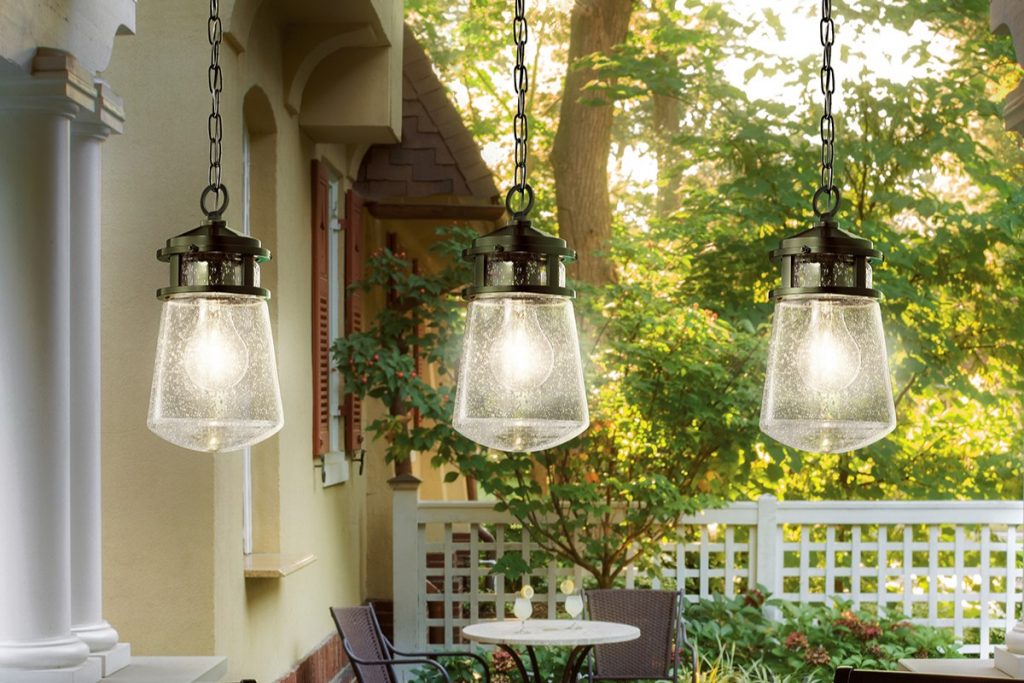
Creating functional outdoor living spaces seamlessly integrating indoor spaces reflects a growing appreciation of nature into our daily lives. This extension of outdoor living shows an evolution in interior design where boundaries between indoor and outdoor living are blurred. Outdoor and garden areas are, as a result, considered to be extensions of the interior. Furthermore, they provide additional space in which to dine, entertain or even work. Lighting these outdoor rooms plays a pivotal role in enhancing both the functionality and aesthetics of the environment.
Zoning
Zoning with lighting outdoors, like inside our homes, defines different areas, adding depth and purpose. Softer, ambient lighting suits lounging areas while brighter or task lighting benefits dining or working areas. Using accent lighting to highlight focal points will create visual interest and draws attention to specific areas. Moreover, Decorative fixtures can be used to create a warm and inviting ambience.
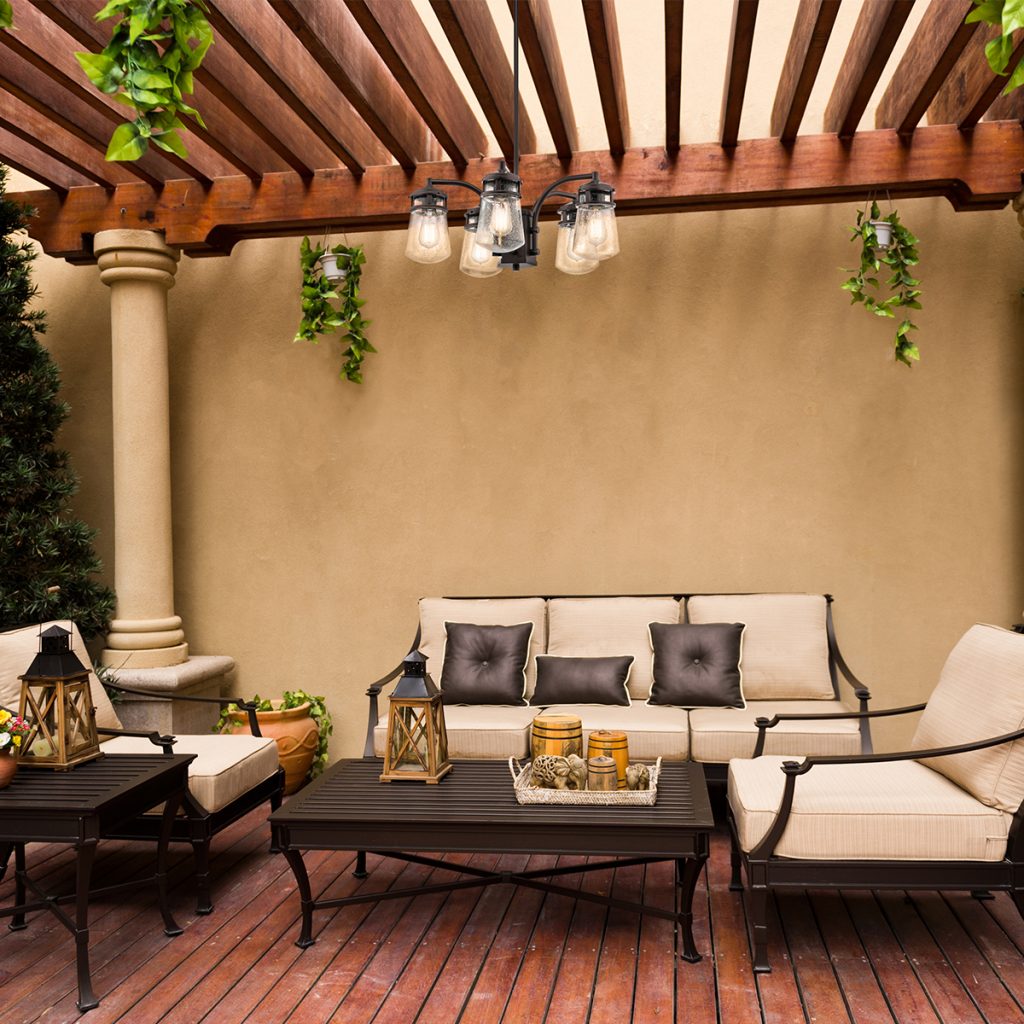
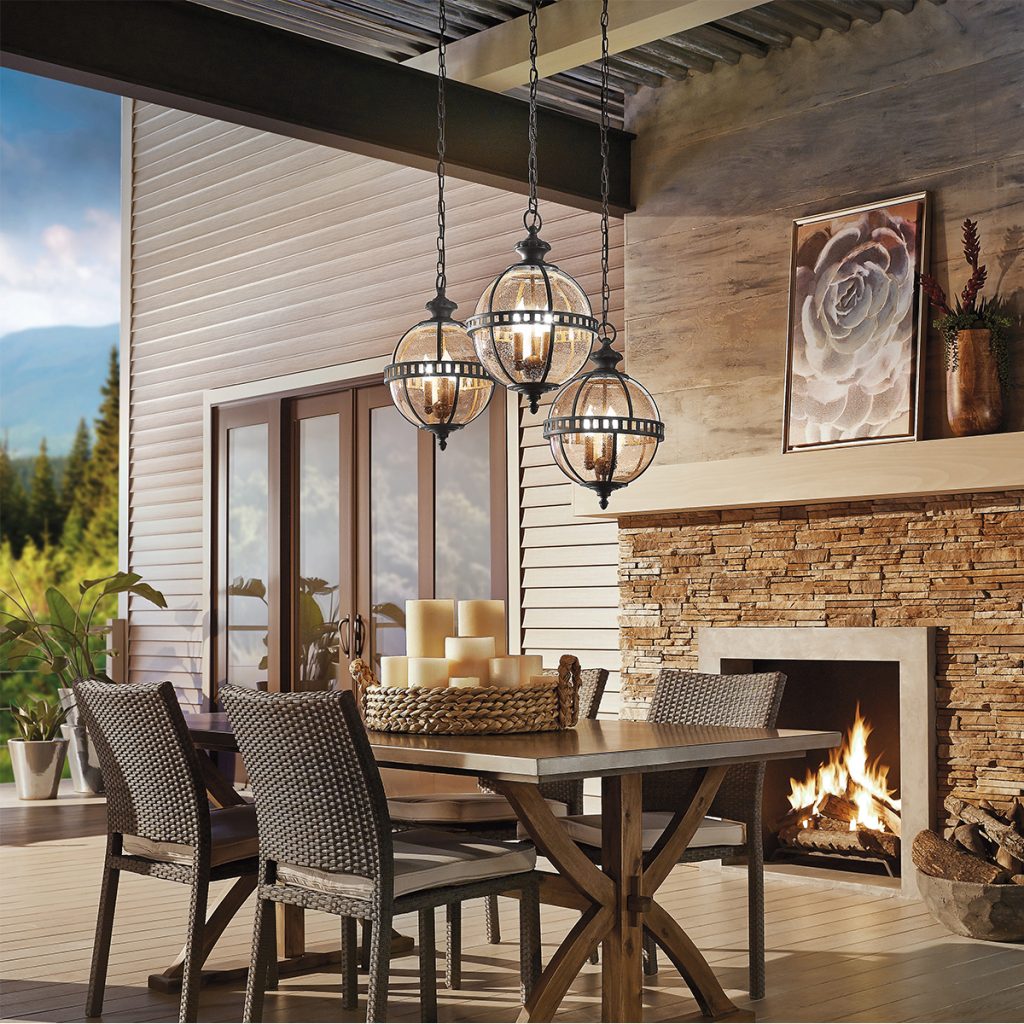
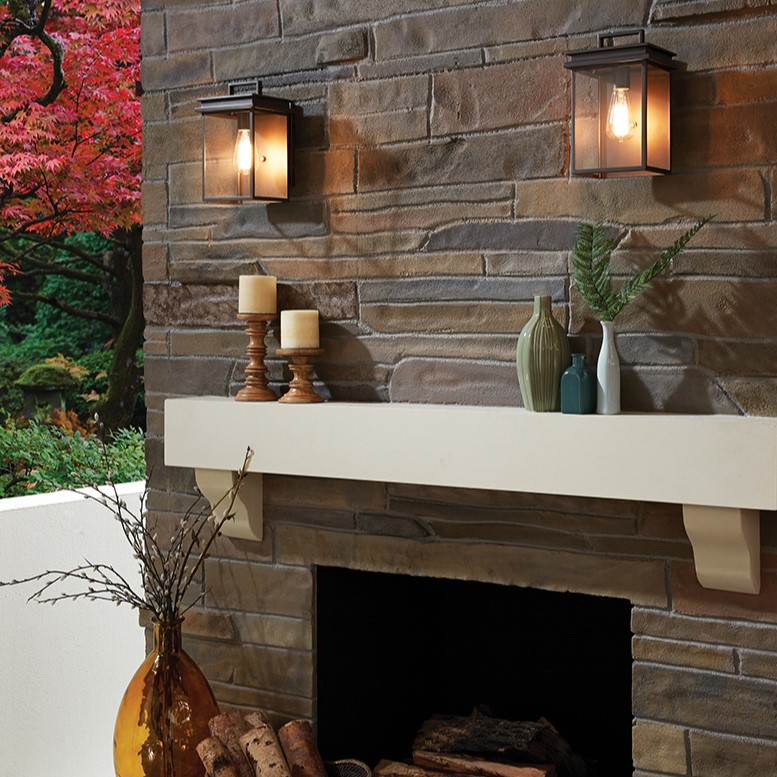
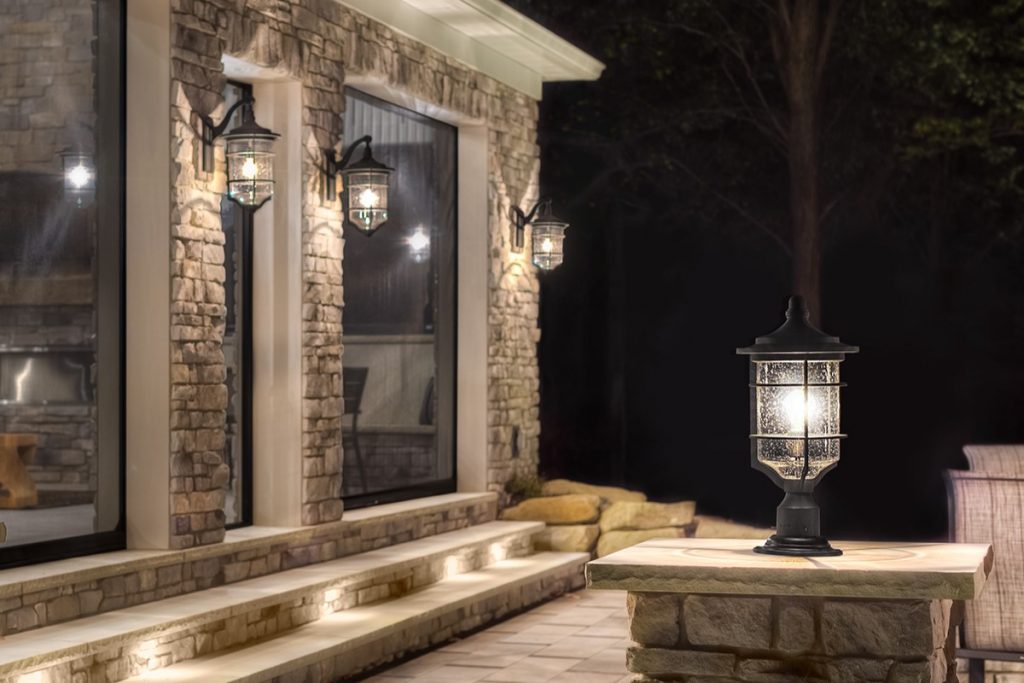
When these elements are carried from the interior to the exterior it enhances the sense of continuity and cohesiveness. Therefore, aligning with the principles of biophilic design which emphasises a connection to nature spaces. Incorporating natural elements like plants and water features fosters tranquillity, blurring the line between built environments and the natural world. This trend acknowledges nature’s importance in our lifestyle, inviting you to embrace the beauty of your surroundings indoors or outdoors.
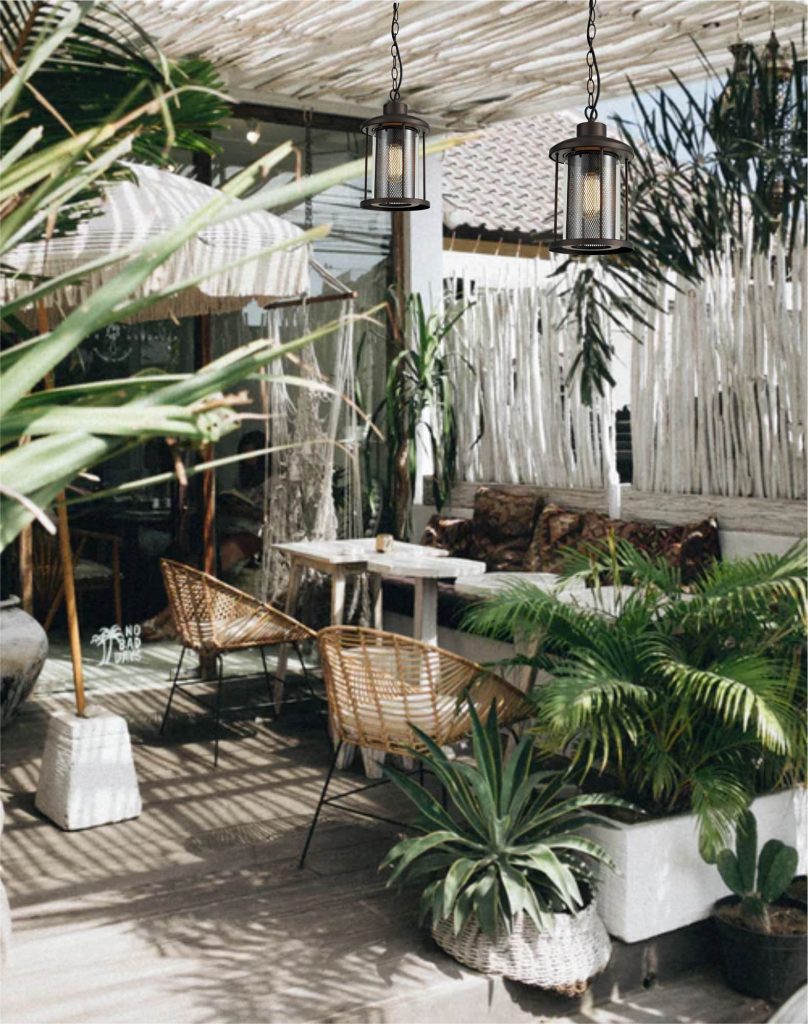
In summary, future lighting design trends are likely to include a continued focus on biophilic design, the use of other innovative lighting solutions and a seamless integration of indoor and outdoor spaces for year round usability. There will be a strong emphasises on wellness-centric design guiding choices in lighting to enhance over all well being. The trends are shifting towards more thoughtful, holistic and personalised approaches that prioritise both aesthetics and improved quality of life.